
Nara is a magical blend of ancient heritage and natural beauty, making it one of Japan’s most captivating destinations. Wander through serene temple gardens, feed gentle deer in Nara Park, and explore UNESCO World Heritage sites that date back over 1,300 years. Whether you’re a history buff, a nature lover, or just looking for a peaceful escape from city life, things to do in Nara will leave you enchanted.
Nara isn’t just another stop on your Japan itinerary—it’s a journey back in time. As the country’s first permanent capital (from 710 to 784 CE), Nara overflows with history, spirituality, and natural charm. From towering Buddha statues to deer that bow for treats, every corner of this ancient city tells a story. Whether you’re wandering through moss-covered temple grounds or savoring local street food, things to do in Nara feel less like sightseeing and more like stepping into a living museum.
Check the latest prices and available rooms before they sell out.
Unlike Tokyo or Kyoto, Nara retains a quiet, almost meditative atmosphere. There’s no rush here—just time to slow down, breathe deeply, and soak in the serenity. The city’s compact layout makes it easy to explore on foot, and its proximity to Osaka and Kyoto means you can easily include it in a broader Japanese adventure. So pack your camera, wear comfy shoes, and get ready to fall in love with one of Japan’s most enchanting destinations.
Key Takeaways
- Visit Todai-ji Temple: Home to the world’s largest bronze Buddha statue, this iconic temple is a must-see when exploring things to do in Nara.
- Meet the Friendly Deer: Over 1,000 sacred deer roam freely in Nara Park—feed them crackers and watch them bow for treats.
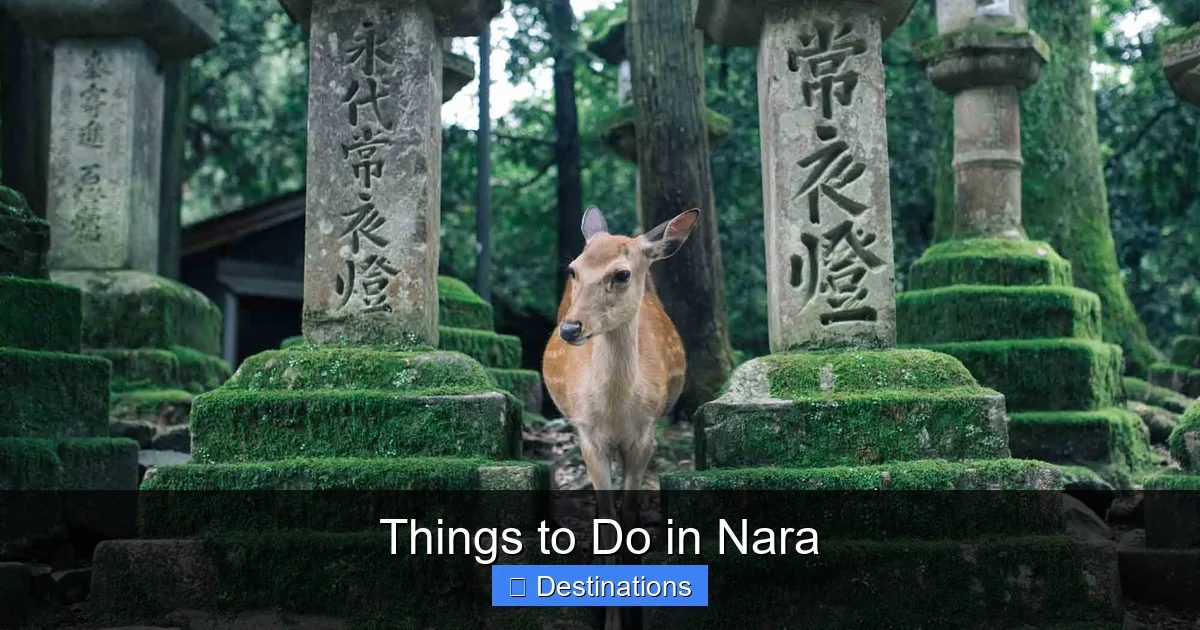
- Explore Kasuga Taisha: This stunning Shinto shrine is famous for its thousands of stone and bronze lanterns and peaceful forest setting.
- Walk Through Nara Park: A sprawling public park that connects major temples and offers a unique chance to experience nature and history together.
- Try Local Delicacies: Sample kakinoha-zushi (persimmon-leaf sushi) and other regional specialties that highlight Nara’s culinary heritage.
- Experience Cultural Festivals: If visiting in spring or autumn, catch events like the Kasuga Festival or Nara World Heritage Festival for a deeper cultural immersion.
Quick Answers to Common Questions
What is the best time of year to visit Nara?
Spring (March to May) and autumn (October to November) offer the best weather and scenery. Cherry blossoms bloom in spring, while autumn brings vibrant fall foliage.
Are the deer in Nara dangerous?
No, the deer are generally gentle and used to human interaction. However, they are wild animals—avoid sudden movements and only feed them official shika-senbei crackers.
How much time should I spend in Nara?
At least one full day is ideal to visit Todai-ji, Kasuga Taisha, and Nara Park. Two days allow time to explore nearby attractions like Mount Yoshino or Hasedera.
Is Nara easy to get to from Osaka or Kyoto?
Yes! Nara is just a 45-minute train ride from Osaka and about an hour from Kyoto, making it a perfect day trip or short stay.
Are there any free things to do in Nara?
Absolutely. Walking through Nara Park, viewing the exterior of Todai-ji, and enjoying the scenery at Kasuga Taisha are all free activities.
📑 Table of Contents
Explore Ancient Temples and Shrines
No visit to Nara is complete without experiencing its spiritual heart. The city is dotted with temples and shrines that have stood for over a millennium, each offering a glimpse into Japan’s rich religious heritage.
Find the Best Accommodation Deals
Compare prices from multiple booking platforms and find the best option for your stay.
Compare Hotel PricesTodai-ji Temple: The Crown Jewel of Nara
Todai-ji is arguably the most famous thing to do in Nara. Built in 752 CE, this colossal temple houses the Great Buddha (Daibutsu), a 15-meter-tall bronze statue that’s one of the largest in the world. The temple itself is an architectural marvel, with a main hall so vast it could fit the Notre-Dame Cathedral inside. Climb the stairs to the upper level for a breathtaking view of Nara Park and the surrounding mountains.
Pro tip: Visit early in the morning to avoid crowds and enjoy the peaceful atmosphere. Photography is allowed, but be respectful when entering sacred spaces.
Find the Best Accommodation Deals
Compare prices from multiple booking platforms and discover the best stay options available.
⭐ Trusted by thousands of travelers
💰 Budget to luxury options available
Kasuga Taisha: Lantern-Lit Serenity
Just a short walk from Todai-ji, Kasuga Taisha is a Shinto shrine renowned for its thousands of vermilion lanterns. These lanterns are donated by individuals and organizations, creating a kaleidoscope of light that’s especially stunning at dusk. The shrine is surrounded by a tranquil forest, making it perfect for quiet reflection.
Don’t miss the kagura dance performances during special ceremonies. These traditional dances are believed to honor the gods and are a fascinating window into ancient Japanese culture.
Horyu-ji and Toshodai-ji: Hidden Gems
While not in central Nara, these UNESCO World Heritage sites are worth the short trip. Horyu-ji, located in Ikaruga (just outside Nara), is Japan’s oldest wooden building and a living piece of history. Toshodai-ji, in Nara’s southern hills, was founded by a Chinese monk and features beautiful gardens and a peaceful ambiance.
Best Stay Deals Available
Compare prices across top booking platforms and find the best deal for your stay.
Check Available RoomsIf you’re planning a deeper cultural trip, consider combining Nara with a visit to Kyoto’s temples—another must-see destination for history lovers.
Interact with Nara’s Sacred Deer
Visual guide about Things to Do in Nara
Image source: japaninsidersecrets.com
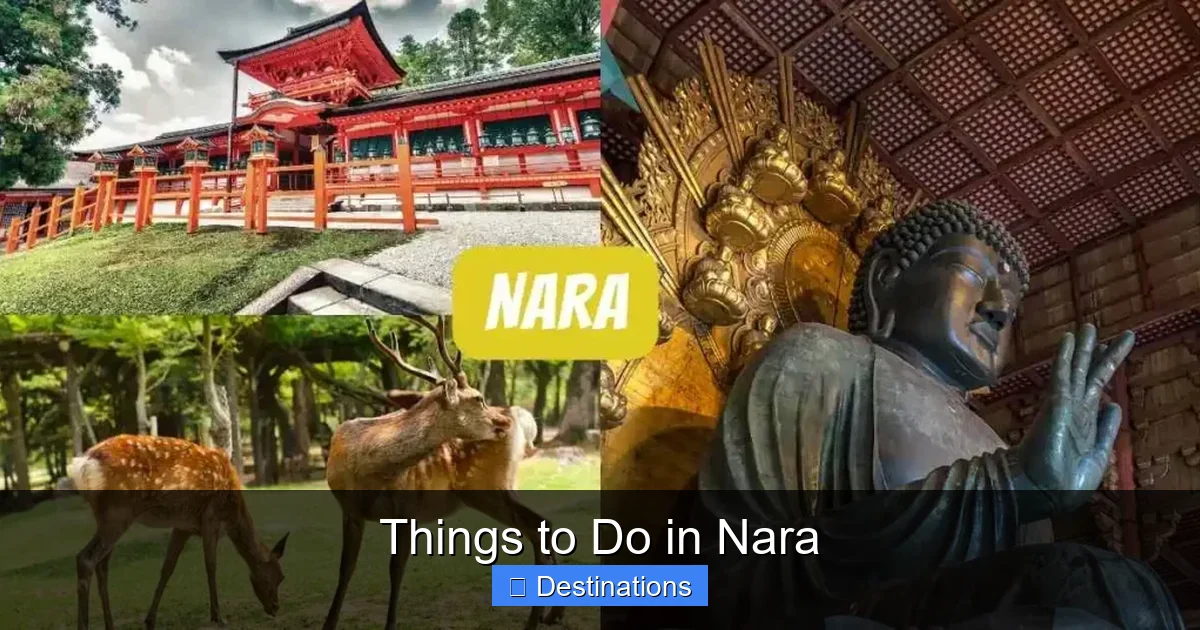
One of the most unique things to do in Nara is interact with the city’s friendly deer. These spotted Sika deer have been considered sacred messengers of the gods since the 9th century, and over 1,200 roam freely in Nara Park.
Feeding the Deer
You can buy special shika-senbei (deer crackers) from vendors near Todai-ji and Kasuga Taisha. When you offer a cracker, the deer will bow politely—a behavior believed to be a sign of gratitude. It’s adorable, harmless, and a favorite activity for both kids and adults.
Safety Tips
While the deer are gentle, they’re still wild animals. Avoid sudden movements or loud noises, and don’t try to touch them without permission. If a deer approaches aggressively, simply back away slowly.
Photography Opportunities
The deer make for incredible photo ops—especially early in the morning when they’re more active. Look for shots of deer standing beside ancient trees or nibbling on grass near temple gates.
Stroll Through Nara Park

Visual guide about Things to Do in Nara
Image source: annaeverywhere.com
Nara Park isn’t just a location—it’s an experience. Spanning over 660 hectares, the park connects major temples, shrines, and open green spaces. It’s one of Japan’s largest urban parks and a perfect place to unwind.
Best Spots to Walk
Start at Todai-ji and follow the path toward Kasuga Taisha. Along the way, you’ll pass weeping willows, stone lanterns, and deer grazing peacefully. The park is especially beautiful in spring when cherry blossoms bloom or in autumn when leaves turn golden.
Picnicking and Relaxation
Bring a blanket and enjoy a picnic under the trees. Many visitors bring bento boxes or pick up local snacks from nearby shops. There are also quiet benches where you can sit and watch the deer play.
Seasonal Highlights
– Spring: Cherry blossoms frame the temples.
– Summer: Green foliage creates a cool, shaded escape.
– Autumn: Red and gold leaves make for stunning photos.
– Winter: Snow-dusted landscapes offer a tranquil, minimalist beauty.
Sample Nara’s Culinary Delights
Visual guide about Things to Do in Nara
Image source: nomadasaurus.com
Nara’s food scene is simple, authentic, and deeply rooted in tradition. While it may not have the global fame of Tokyo or Osaka, the flavors here are unforgettable.
Kakinoha-zushi: A Signature Dish
This local specialty consists of sushi wrapped in persimmon leaves, which are believed to preserve freshness and add a subtle, earthy flavor. Try it at a traditional izakaya (Japanese pub) near Kintetsu Nara Station.
Local Sweets and Snacks
Visit kurikinton (sweet chestnut paste) shops for a taste of Nara’s sweet tooth. You’ll also find yuba (tofu skin) dishes, a regional delicacy made from soy milk.
Tea at a Machiya Cafe
Stop by a traditional townhouse-style café in the Nara Koen area. These charming spots serve matcha, wagashi (Japanese sweets), and light meals in a historic setting.
Visit Nearby Attractions
While Nara itself is packed with things to do, the surrounding area offers even more to explore.
Mount Yoshino: Japan’s Most Famous Cherry Blossom Spot
Just a short train ride away, Mount Yoshino is one of the best places in Japan to see sakura in bloom. The entire mountain slopes into a sea of pink in spring—a truly magical sight.
Kashihara: Home of the Emperor’s Palace Ruins
This quiet town features ancient palace grounds and the Kashihara Shrine, dedicated to Emperor Jimmu, Japan’s legendary first emperor. It’s a great place for history buffs and those seeking a quieter experience.
Hasedera: A Temple with a View
Perched on a hill, Hasedera offers panoramic views of Nara and the surrounding countryside. The temple is famous for its statue of Kannon, the Buddhist goddess of mercy, and its peaceful garden.
Plan Your Visit Like a Local
To make the most of your trip, consider these practical tips.
Best Time to Visit
Spring (March to May) and autumn (October to November) offer the best weather and scenery. Avoid Golden Week (late April to early May) if you prefer fewer crowds.
Getting Around
Nara is walkable, but the Nara Kotsu Bus Network connects major sites efficiently. A one-day park pass is available for unlimited rides.
Accommodation Tips
Stay in central Nara for easy access to temples and restaurants. Traditional ryokan (inns) offer a unique overnight experience with kaiseki meals.
Packing Essentials
Bring comfortable walking shoes, a reusable water bottle, and a camera. A small bag for deer crackers is handy too.
Sustainable Travel
Respect the environment and wildlife. Don’t litter, and avoid feeding deer anything other than official shika-senbei.
Conclusion
From ancient temples and sacred deer to lush parks and delicious food, things to do in Nara offer a rare blend of history, nature, and tranquility. This isn’t just a day trip—it’s a chance to connect with Japan’s soul. Whether you’re marveling at the Great Buddha, bowing to a deer for a snack, or sipping matcha in a centuries-old garden, Nara leaves a lasting impression.
If you’re planning a trip to Japan, don’t skip this hidden gem. It’s proof that sometimes the most magical experiences happen off the beaten path. So take your time, wander freely, and let Nara work its quiet magic on you.
Frequently Asked Questions
What are the must-see temples in Nara?
Must-see temples include Todai-ji, famous for its Great Buddha statue, and Kasuga Taisha, known for its thousands of lanterns. Both are UNESCO World Heritage sites and central to things to do in Nara.
Can I take photos in Nara’s temples?
Yes, photography is generally allowed in most areas of the temples, but avoid using flash inside sacred halls and be respectful of worshippers.
How do I get to Nara from Tokyo?
Take the Shinkansen (bullet train) from Tokyo Station to Kyoto, then transfer to the JR Nara Line for a 1.5-hour ride to Nara Station.
Is Nara suitable for families with children?
Yes! The friendly deer, open spaces, and interactive experiences make Nara a great destination for families. Just supervise children around the deer.
What should I eat in Nara?
Try kakinoha-zushi, yuba (tofu skin), and kurikinton (sweet chestnut paste). These local delicacies highlight Nara’s culinary traditions.
Are there any nearby natural attractions?
Yes! Mount Yoshino offers stunning cherry blossoms, and Hasedera Temple sits on a hill with panoramic views. Both are great for nature lovers exploring things to do in Nara.