
Madrid is a city where history, culture, and energy blend seamlessly. Whether you’re strolling through grand plazas, sipping wine in hidden courtyards, or exploring world-famous art, there’s something for every traveler in this Spanish capital. From royal palaces to lively markets, Madrid delivers unforgettable experiences that make every moment count.
Madrid is a city that never sleeps—and never gets boring. As Spain’s capital, it’s a vibrant blend of centuries-old traditions and modern energy. From the grandeur of the Royal Palace to the intimate charm of tiny tapas bars tucked away in narrow alleys, Madrid invites you to explore at every turn. Whether you’re a first-time visitor or returning for another visit, this city offers endless discoveries.
Check the latest prices and available rooms before they sell out.
What makes Madrid truly special is its ability to balance culture, cuisine, and community. You can spend your morning admiring Goya’s paintings at the Prado, your afternoon sipping vermouth in a sun-drenched plaza, and your evening dancing the night away at a trendy bar. The city’s open-air spirit and welcoming vibe make it one of Europe’s most enjoyable destinations.
Key Takeaways
- Explore world-class museums: The Prado, Reina Sofía, and Thyssen-Bornemisza offer masterpieces from Goya to Picasso.
- Stroll through historic neighborhoods: Visit the charming streets of Malasaña, the artistic heart of Chueca, and the elegant Salamanca district.
- Enjoy authentic tapas and local cuisine: Dine like a local at bustling markets like Mercado de San Miguel or try classic dishes at family-run bars.
- Experience vibrant nightlife: Madrid’s nightlife is legendary—from rooftop bars to underground clubs and flamenco shows.
- Discover royal and cultural landmarks: The Royal Palace, Plaza Mayor, and Retiro Park are must-sees for history lovers.
- Take advantage of free attractions: Many museums offer free entry on Sundays, and parks like Retiro are perfect for relaxing without spending a euro.
Quick Answers to Common Questions
What is the best time to visit Madrid?
Spring (April–June) and fall (September–October) offer pleasant weather and fewer crowds. Summer can be hot, and winter is mild but rainy.
Are museums in Madrid free on certain days?
Yes, many museums like the Prado and Thyssen offer free entry on Sundays after 6 PM. Check their websites for current policies.
How do locals eat tapas in Madrid?
Locals often start with a drink (like vermouth or wine) and order several small plates from different bars, making it a social experience.
Is public transportation easy to use in Madrid?
Absolutely. The metro, buses, and commuter trains are efficient, affordable, and cover the entire city. Get a multi-ride ticket or travel card.
Can I see flamenco for free in Madrid?
While most authentic shows require a ticket, some free flamenco performances happen in public squares or during festivals. Check local event listings.
📑 Table of Contents
- 1. Visit the Prado Museum – Madrid’s Art Treasure
- 2. Stroll Through Retiro Park – Nature in the Heart of the City
- 3. Explore the Royal Palace (Palacio Real)
- 4. Wander Through Gran Vía – The Main Street of Madrid
- 5. Taste Authentic Spanish Cuisine and Tapas
- 6. Experience Flamenco in a Traditional Tablao
- 7. Discover the Neighborhoods – Where Madrid Comes Alive
- 8. Enjoy Madrid’s Nightlife – From Rooftop Bars to Underground Clubs
- 9. Visit the Thyssen-Bornemisza Museum – A Hidden Art Gem
- 10. Shop at the Markets – A Feast for the Senses
- 11. Day Trips from Madrid – Beyond the City Limits
- 12. Attend a Football Match – A Passion for Real Madrid and Atlético
- 13. Relax in a Plaza – The Heart of Madrid
- 14. Take a Flamenco Class – Learn the Dance
- 15. Enjoy a Sunset at a Rooftop Bar
- Conclusion – Why Madrid Should Be on Your Travel List
1. Visit the Prado Museum – Madrid’s Art Treasure
No trip to Madrid is complete without a visit to the Prado Museum, one of the world’s most important art galleries. Home to over 8,000 works spanning from the 12th century to the early 20th century, the Prado houses masterpieces by Velázquez, Goya, and El Greco. Don’t miss Velázquez’s *Las Meninas*, Goya’s haunting *The Third of May 1808*, and the dramatic *The Garden of Earthly Delights* by Bosch.
Find the Best Accommodation Deals
Compare prices from multiple booking platforms and find the best option for your stay.
Compare Hotel PricesPro tip: Arrive early or visit on a Tuesday when the museum is open late. Many visitors skip the long lines by booking timed-entry tickets online. While the museum is free on Sundays after 6 PM, it can get very crowded.
Nearby Attractions
After your art fix, take a short walk to Plaza de la Independencia and the historic Royal Palace (Palacio Real), the official residence of the Spanish royal family. Though the royal family no longer lives there, the palace is open for guided tours and offers stunning views of the city.
Find the Best Accommodation Deals
Compare prices from multiple booking platforms and discover the best stay options available.
⭐ Trusted by thousands of travelers
💰 Budget to luxury options available
2. Stroll Through Retiro Park – Nature in the Heart of the City
Visual guide about Things to Do in Madrid
Image source: theculturemap.com
Best Stay Deals Available
Compare prices across top booking platforms and find the best deal for your stay.
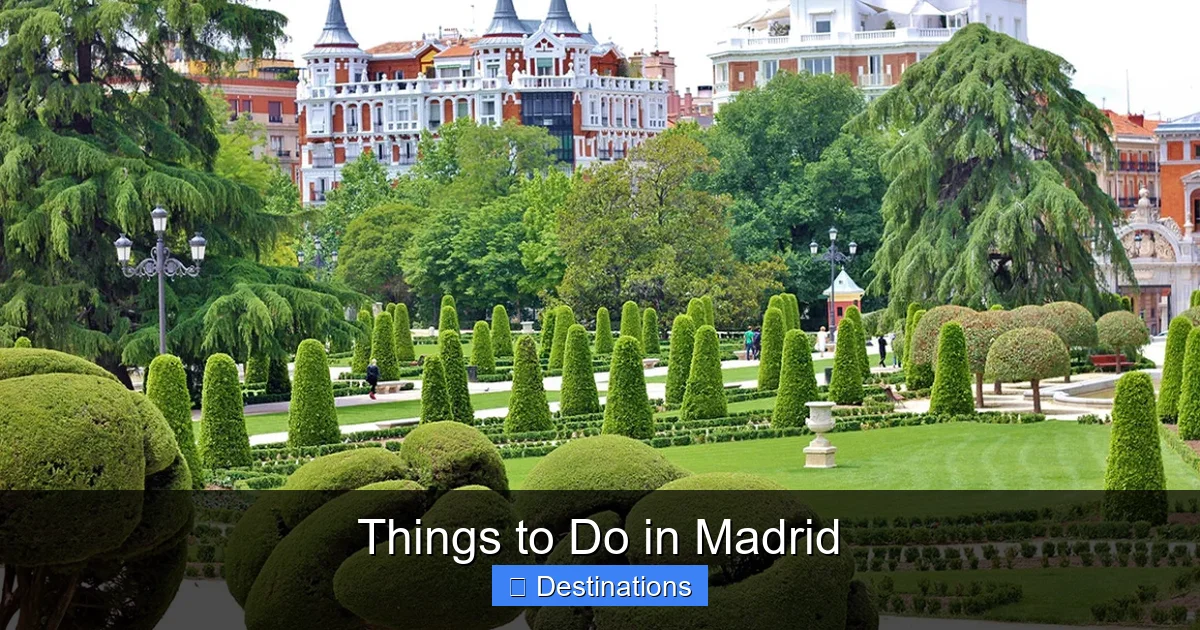
Check Available RoomsIf you’re looking for a peaceful escape from the city buzz, Parque del Buen Retiro is your go-to. This sprawling 120-hectare park is perfect for a morning run, a leisurely bike ride, or simply lounging by the lake. Rent a rowboat and paddle under the shade of weeping willows, or visit the Colegio de España and the Museo del Romanticismo within the park.
Fun fact: Retiro Park hosts open-air concerts during summer and is the starting point for many popular walking routes, including the “Ruta de los Monumentos.”
Evening in Retiro
In the evening, the park transforms into a romantic setting. Couples stroll hand-in-hand, street musicians play flamenco guitar, and the illuminated Cibeles Fountain glows softly. It’s a magical way to end a day in Madrid.
3. Explore the Royal Palace (Palacio Real)
Visual guide about Things to Do in Madrid
Image source: beelovedcity.com
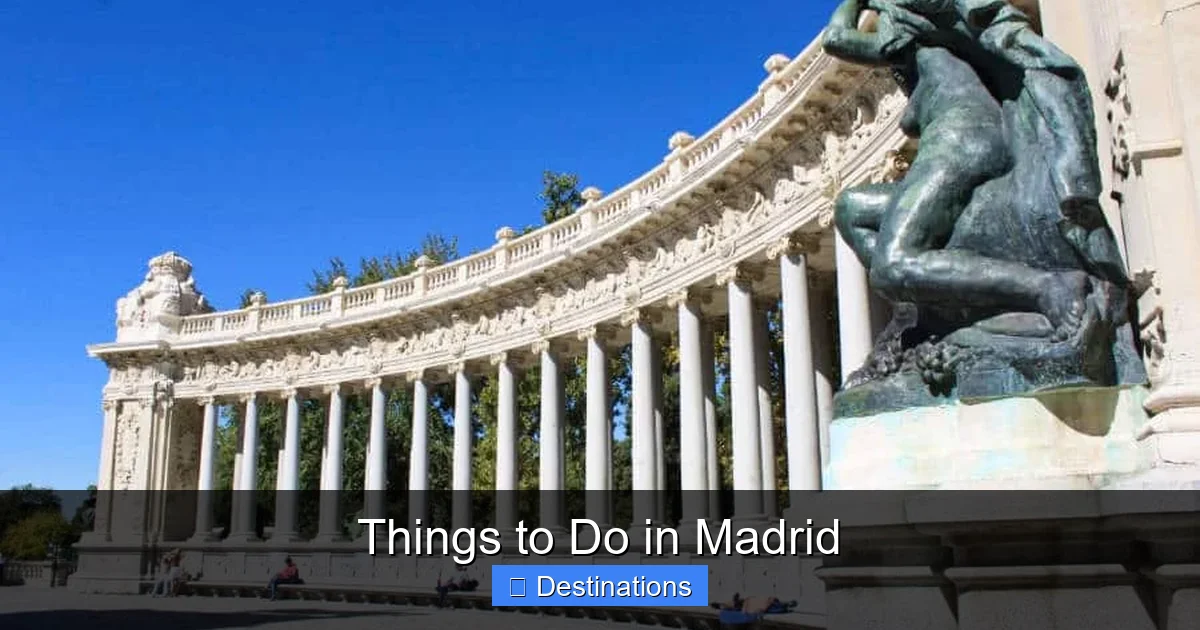
As one of Europe’s largest royal residences, the Royal Palace of Madrid is a must-see. Built in the 18th century, the palace features 3,000 rooms, including the opulent throne room, royal armory, and the private apartments of King Charles III. The golden State Apartments and the Royal Armory—filled with centuries of weaponry—are particularly impressive.
Tip: Guided tours are available in multiple languages and last about 90 minutes. Wear comfortable shoes—there’s a lot of walking involved.
Best Time to Visit
Avoid weekends if possible. Weekday mornings tend to be less crowded, and you’ll have a more intimate experience with the palace’s grandeur.
4. Wander Through Gran Vía – The Main Street of Madrid
Visual guide about Things to Do in Madrid
Image source: travellemming.com
Gran Vía isn’t just a street—it’s a symbol of Madrid’s urban energy. Lined with theaters, department stores, and neon signs, this bustling boulevard is perfect for a people-watching stroll. Stop by the iconic Cine Monumental or admire the Art Deco architecture of the Telefónica Building.
Hidden gem: At the end of Gran Vía, you’ll find the Plaza de España, dominated by a massive statue of King Philip IV and framed by the grand Metropolitan Cathedral of la Almudena.
Shopping and Dining on Gran Vía
Gran Vía is also a shopper’s paradise. Brands like Zara, Mango, and local boutiques share space with historic stores like El Corte Inglés, one of Europe’s largest department stores. For a break, grab a coffee at a sidewalk café and soak in the city life.
5. Taste Authentic Spanish Cuisine and Tapas
Madrid is a food lover’s dream. From sizzling cocido madrileño to fresh jamón ibérico, the city offers a rich culinary scene. Start your food adventure at Mercado de San Miguel, a lively indoor market with over 30 vendors offering everything from churros to seafood paella.
Local tip: In Madrid, “ir de tapas” means more than just eating snacks—it’s a social ritual. Head to neighborhoods like La Latina or Malasaña for authentic, small-plate dining.
Must-Try Dishes
– Cocido Madrileño: A hearty chickpea stew with meat and vegetables, perfect for cold days.
– Bocadillo de Calamares: A fried squid sandwich, a street food favorite.
– Churros con Chocolate: A sweet treat best enjoyed with thick, rich hot chocolate.
Best Tapas Bars
– Casa Rico: Famous for its tortilla española and sangria.
– El Tigre: A trendy spot with creative small plates.
– Bar del Plátano: A local favorite known for its giant banana sandwiches.
6. Experience Flamenco in a Traditional Tablao
Flamenco is the soul of Andalusian culture, but Madrid has its own vibrant scene. For an authentic experience, book a show at Corral de la Morería, one of the oldest and most respected tablaos in the city. Here, you’ll see world-class dancers, singers, and guitarists perform in a candlelit setting.
Alternative: For a more intimate vibe, try Los Tarantos or El Caracol, both known for their passionate performances.
When to Go
Most tablaos offer multiple shows per night, so you can catch a flamenco performance after dinner. Dress smart—Madrileños take flamenco seriously and dress up for the occasion.
7. Discover the Neighborhoods – Where Madrid Comes Alive
Madrid’s neighborhoods each have their own personality. La Latina is the heart of nightlife, packed with tapas bars and flamenco venues. Malasaña is artsy and bohemian, filled with vintage shops and independent cafés. Chueca is the LGBTQ+ friendly district, known for its vibrant Pride celebrations and chic boutiques.
Walking tour tip: Join a free walking tour (donation-based) to learn about the history and culture of these districts. Many guides are locals who share stories you won’t find in guidebooks.
Salamanca – The Upscale Side
For luxury shopping and elegant cafés, head to Salamanca. This district is home to high-end brands like Prada and Chanel, but also charming plazas like Plaza del Gral. Martínez Campos, where locals gather to relax.
8. Enjoy Madrid’s Nightlife – From Rooftop Bars to Underground Clubs
Madrid’s nightlife is legendary. After dark, the city comes alive with music, dancing, and endless possibilities. Malasaña and La Latina are hotspots for trendy bars and live music venues. Try Shakespeare and Company for craft cocktails or Bar del Plátano for late-night eats.
Rooftop experience: For panoramic views, visit Barceló Madrid Catedral or Sky Bar in the Gran Via area. Both offer stunning city views and a lively atmosphere.
Clubbing in Madrid
Madrid’s clubbing scene is diverse. From electronic music at La Riviera to underground techno at Shrine, there’s something for every music lover. Many clubs open late—some even go until 6 AM!
9. Visit the Thyssen-Bornemisza Museum – A Hidden Art Gem
Often overlooked in favor of the Prado, the Thyssen-Bornemisza Museum offers a unique collection that bridges European and American art. With works from Monet, Dürer, and Hopper, it fills in the gaps between the Prado and Reina Sofía. The museum also hosts rotating exhibitions and has a beautiful rooftop terrace with city views.
Why visit: It’s less crowded, and the free admission days make it an affordable option. Combine it with a visit to the nearby Reina Sofía to see modern masterpieces like Picasso’s *Guernica*.
10. Shop at the Markets – A Feast for the Senses
Madrid’s markets are more than just places to buy food—they’re cultural experiences. Mercado de San Miguel is the most famous, with its glass-covered structure and gourmet offerings. But don’t miss Mercado de la Cebada or Mercado de la Ribera, quieter but equally charming.
Pro tip: Visit early in the morning for the freshest produce and the best selection. Many vendors offer free samples—don’t be shy!
Local Food Finds
– Quesería La Rural: For the best cheese in the city.
– Pescadería El Pimpi: A seafood lover’s paradise.
– Chocolatería San Ginés: For the city’s best churros.
11. Day Trips from Madrid – Beyond the City Limits
If you have time, consider a day trip to explore Spain’s rich history. Toledo—just an hour by train—is a UNESCO World Heritage city known for its medieval architecture and sword-making tradition. Segovia offers the iconic Roman aqueduct and a fairy-tale castle. El Escorial is a royal monastery complex surrounded by forests.
Train tip: Renfe trains are efficient and affordable. Book in advance for better prices.
12. Attend a Football Match – A Passion for Real Madrid and Atlético
Football is more than a sport in Spain—it’s a religion. If you’re a fan, catch a match at Santiago Bernabéu (Real Madrid) or Wanda Metropolitano (Atlético Madrid). Even if you’re not a fan, the energy is infectious.
How to get tickets: Book through the official club websites. Match days are electric—arrive early and join the fans waving flags and singing chants.
13. Relax in a Plaza – The Heart of Madrid
In Madrid, plazas are more than just squares—they’re social hubs. Plaza Mayor is grand and historic, while Plaza de Cibeles is elegant and central. Plaza del Dos de Mayo in La Latina is lively with street performers and food stalls.
Best time to visit: Late afternoon, when locals gather with a drink and enjoy the golden light.
14. Take a Flamenco Class – Learn the Dance
Want to dance like a local? Sign up for a flamenco class. Many studios in La Latina and Malasaña offer beginner-friendly sessions. You’ll learn footwork, palmas (hand clapping), and even basic guitar rhythms.
Bonus: Some classes end with a small performance—perfect for photos and souvenirs!
15. Enjoy a Sunset at a Rooftop Bar
There’s no better way to end a day in Madrid than with a sunset drink. Sky Bar on Gran Vía and Barceló Madrid Catedral offer breathtaking views of the city skyline. For a more local vibe, try El Club Social Clube in Chueca.
Drink suggestion: Order a vermut—Madrid’s favorite aperitif—to toast the day.
Conclusion – Why Madrid Should Be on Your Travel List
Madrid is more than a destination—it’s an experience. From world-class art and royal history to sizzling tapas and passionate flamenco, the city offers something for every traveler. Whether you’re wandering through centuries-old streets or dancing the night away under the stars, Madrid leaves a lasting impression.
What makes Madrid truly unforgettable is its blend of tradition and energy. It’s a city where the past lives side by side with the present, and every corner holds a new story. So pack your bags, bring your appetite, and get ready to fall in love with Spain’s dynamic capital.
Frequently Asked Questions
What are the top things to do in Madrid for first-time visitors?
Start with the Prado Museum, Royal Palace, and Plaza Mayor. Then explore Retiro Park and Gran Vía. Don’t miss a flamenco show and a tapas crawl in La Latina.
Are there free things to do in Madrid?
Yes! Parks like Retiro, plazas like Plaza Mayor, and free museum days make Madrid affordable. Walking tours and local festivals are also free.
How many days should I spend in Madrid?
At least 4–5 days to see major sights and enjoy the culture. 7 days allows time for day trips and deeper exploration.
Is Madrid safe for tourists?
Generally yes. Like any major city, watch for pickpockets in crowded areas like metro stations and tourist attractions.
What should I wear in Madrid?
Comfortable walking shoes are a must. Dress casually but smartly for dinner—Madrileños tend to dress up in the evening.
Can I visit the Royal Palace without a guided tour?
Yes, but guided tours provide deeper insight into the history and rooms. Self-guided visits are allowed, but some areas may be restricted.