
Mongolia is a land of endless skies, nomadic traditions, and untouched wilderness. Whether you’re riding across the steppes, staying in a traditional gers, or chasing the Northern Lights, Mongolia offers unforgettable experiences. From exploring Genghis Khan’s legacy to hiking in the Altai Mountains, every corner of this vast country reveals something magical. With limited tourism infrastructure, visitors get a raw, authentic glimpse into a way of life that’s disappearing fast.
Key Takeaways
- Experience nomadic life firsthand: Stay in a traditional ger (yurt), learn from local families, and participate in daily routines like milking horses or cooking buuz.
- Go horseback riding across the steppes: Mongolia is known as the birthplace of the horse, and riding here feels like traveling through history.
- Visit UNESCO sites like Karakorum: Explore ancient ruins, royal tombs, and the remains of the Mongol Empire’s first capital.
- Witness the Northern Lights: In winter, dark, clear skies in places like Khuvsgul Lake offer prime aurora viewing.
- Trek in the Altai Mountains: Hike through dramatic valleys, glacial lakes, and nomadic camps in one of Asia’s last wild places.
- Attend Naadam Festival: This annual event celebrates Mongolian culture with traditional sports, music, and food—best visited in July.
- Try authentic Mongolian cuisine: From khorkhog (meat and vegetables cooked in hot stones) to airag (fermented horse milk), food is deeply tied to tradition.
Mongolia is one of the most remote and least explored countries in the world. Stretching across 1.5 million square kilometers, it’s larger than Western Europe but home to fewer than 3 million people. This vast land of rolling steppes, rugged mountains, and endless blue skies offers a rare glimpse into a way of life that hasn’t changed much in centuries. For travelers seeking authenticity over luxury, Mongolia delivers in spades.
Check the latest prices and available rooms before they sell out.
Imagine waking up inside a felt-covered ger, the morning light filtering through the open flap to reveal a sea of golden grasslands. Hear the distant bleat of goats, feel the wind in your hair, and watch eagles circle overhead. This is life in the Mongolian countryside—simple, slow, and deeply connected to nature. Whether you’re chasing adventure, seeking spiritual calm, or simply want to escape the crowds, Mongolia’s open spaces and warm hospitality make it a destination like no other.
Key Takeaways
- Understanding things to do in mongolia: Provides essential knowledge
Quick Answers to Common Questions
What is the best time to visit Mongolia?
Summer (June to August) is ideal for trekking and festivals, while winter (December to February) offers Northern Lights and snow adventures. Avoid January due to extreme cold.
Is it safe to travel in Mongolia?
Yes, Mongolia is very safe for travelers. Crime is low, and locals are friendly and welcoming. Just be cautious with your belongings in cities.
Do I need a guide to travel in Mongolia?
Not always, but it’s highly recommended for rural or remote areas. Guides help with navigation, language, and cultural respect.
What should I pack for a trip to Mongolia?
Pack warm layers, sturdy boots, a water filter, power bank, and modest clothing. Nights are cold even in summer.
Can I visit a nomadic family in Mongolia?
Yes, many families welcome guests. Ask your tour operator about homestays for an authentic cultural experience.
📑 Table of Contents
Explore the Nomadic Culture
One of the most rewarding things to do in Mongolia is immerse yourself in nomadic life. Most Mongolians still live as herders, moving with their livestock across seasonal pastures. Staying with a local family in a traditional ger isn’t just a tourist activity—it’s a cultural exchange that changes how you see the world.
Find the Best Accommodation Deals
Compare prices from multiple booking platforms and find the best option for your stay.
Compare Hotel PricesStart by asking your tour operator about homestays. Many families welcome visitors and share their daily routines. You’ll learn how to milk a horse, weave felt, or prepare airag—a slightly sour, alcoholic drink made from fermented mare’s milk. Women often teach you how to make buuz, the iconic steamed dumplings stuffed with meat and onions. These experiences aren’t staged; they’re real, personal, and deeply meaningful.
Pro tip: Always ask before taking photos of people or their homes. Respect goes a long way in building trust with your host family.
Find the Best Accommodation Deals
Compare prices from multiple booking platforms and discover the best stay options available.
⭐ Trusted by thousands of travelers
💰 Budget to luxury options available
Visit a Ger Camp Near Ulaanbaatar
Even if you’re only in Mongolia for a few days, a ger camp near the capital offers a quick taste of nomadic life. Places like Gobi Gurvansaikhan National Park or Terelj National Park provide access to authentic herders without requiring a long journey.
These camps often include meals, cultural shows, and short rides. While they’re more tourist-oriented, they’re still run by local families and support rural economies. Look for camps that emphasize sustainability and fair wages.
Go Horseback Riding Across the Steppes
Best Stay Deals Available
Compare prices across top booking platforms and find the best deal for your stay.
Check Available RoomsVisual guide about Things to Do in Mongolia
Image source: toursmongolia.com
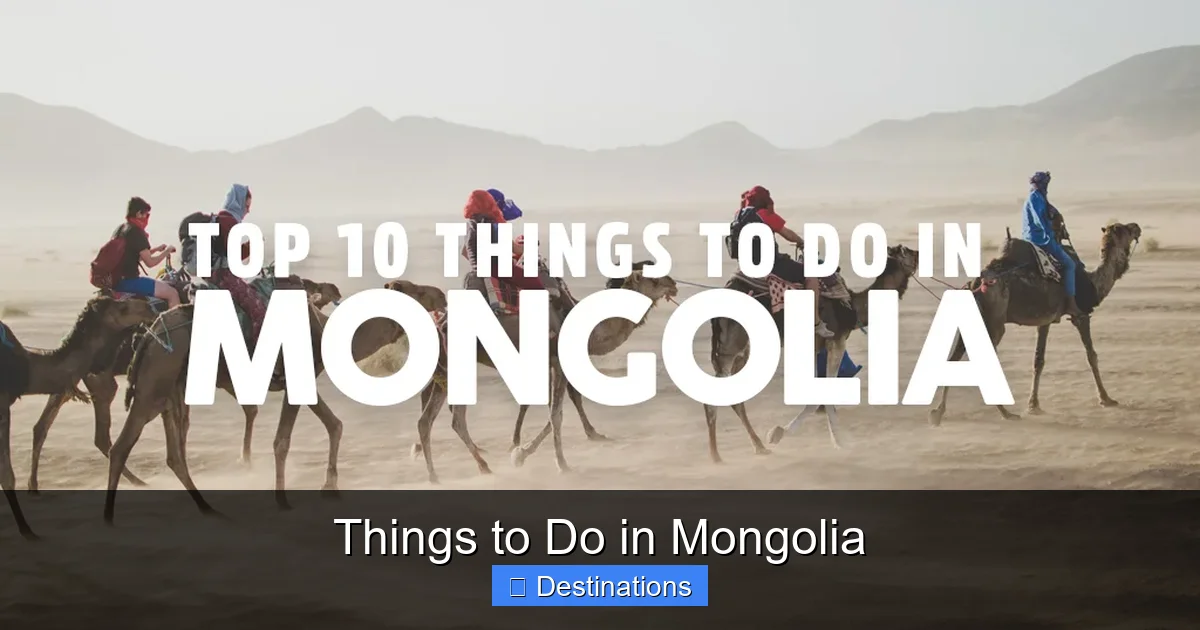
Mongolia is the birthplace of the horse, and riding here isn’t just a sport—it’s a way of life. The open steppes stretch for miles, offering endless trails through wildflower meadows, along riverbanks, and past ancient burial mounds.
Most tours start with a basic lesson in horsemanship. Don’t worry if you’ve never ridden before—Mongolian horses are calm, sure-footed, and used to carrying beginners. Guides will match you with a gentle mare or stallion based on your skill level.
A typical 3–5 day ride might take you from one herder family to another, with overnight stops in gers. You’ll learn to set up camp, cook over a fire, and sleep under the stars. It’s tiring, but incredibly rewarding.
For a longer adventure, consider a 7–10 day trek into the Altai Mountains. This region is remote, stunning, and rarely visited by foreigners.
Visit Ancient Ruins and Historical Sites
Visual guide about Things to Do in Mongolia
Image source: thetravelbible.com
Mongolia’s history is written in stone and silence. From the rise of Genghis Khan to the spread of Buddhism, the country has been a crossroads of empires. Exploring its archaeological sites offers a window into a powerful past.
Karakorum – The Ancient Capital
Once the capital of the Mongol Empire, Karakorum was the political heart of Genghis Khan’s empire. Today, only ruins remain, but they’re powerful. Walk among the foundations of the Erdene Zuu Monastery, one of Mongolia’s oldest Buddhist temples. The stone walls are carved with ancient scriptures, and the site feels both sacred and mysterious.
Nearby, you’ll find the burial mounds of the Ogedei Khan and Kublai Khan. These are protected archaeological sites, so photography may be restricted. Still, standing where emperors once ruled is a humbling experience.
Orkhon Valley – UNESCO World Heritage Site
This valley in central Mongolia was a center of culture and religion for over 1,000 years. Ancient Turkic ruins, cave monasteries, and royal tombs line the Orkhon River. You can hike between sites, visit a working monastery, or take a hot air balloon ride for a bird’s-eye view of the landscape.
The valley also hosts the annual Naadam Festival, which draws thousands of spectators. If you’re in Mongolia in July, don’t miss it.
Witness the Northern Lights
Visual guide about Things to Do in Mongolia
Image source: mongolia-trips.com
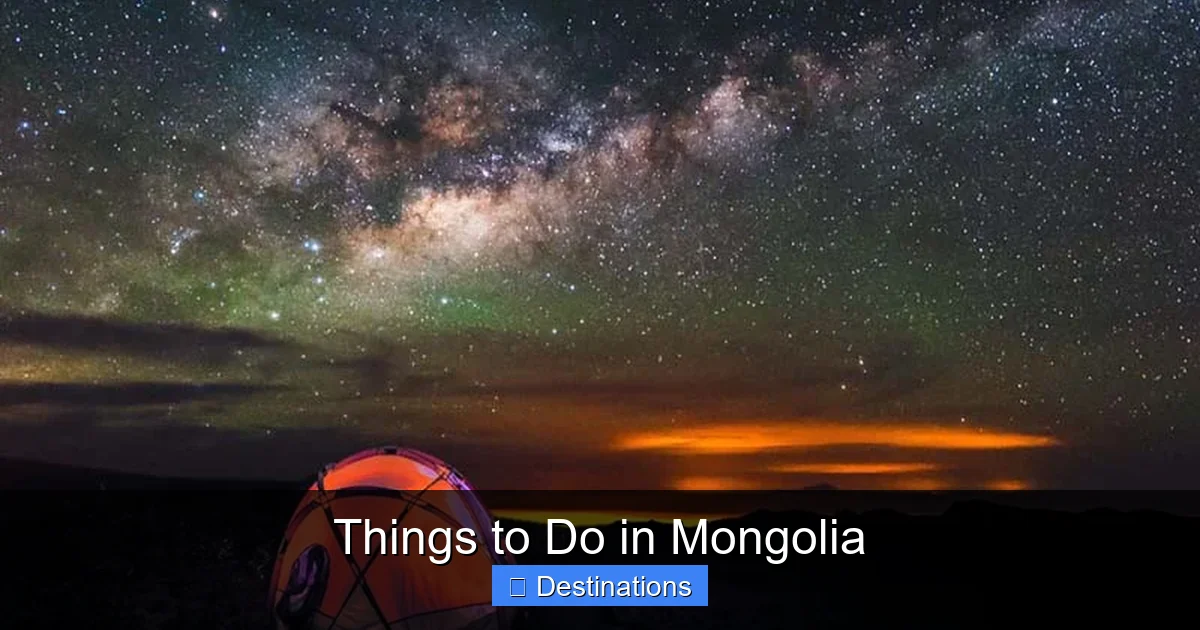
Mongolia’s long, dark winters make it one of the best places in the world to see the aurora borealis. The skies over northern Mongolia—especially around Khuvsgul Lake—are clear, dark, and perfect for aurora chasers.
Winter trips (November to February) are cold—temperatures can drop to -30°C—but the rewards are worth it. You’ll sleep in heated gers, eat hearty meals, and wake up each morning hoping to see dancing green lights in the sky.
Many tour operators offer aurora-watching packages that include dog sledding, ice fishing, and snowmobile rides. It’s not just about the lights—it’s about experiencing Mongolia’s extreme winter beauty.
Trek in the Altai Mountains
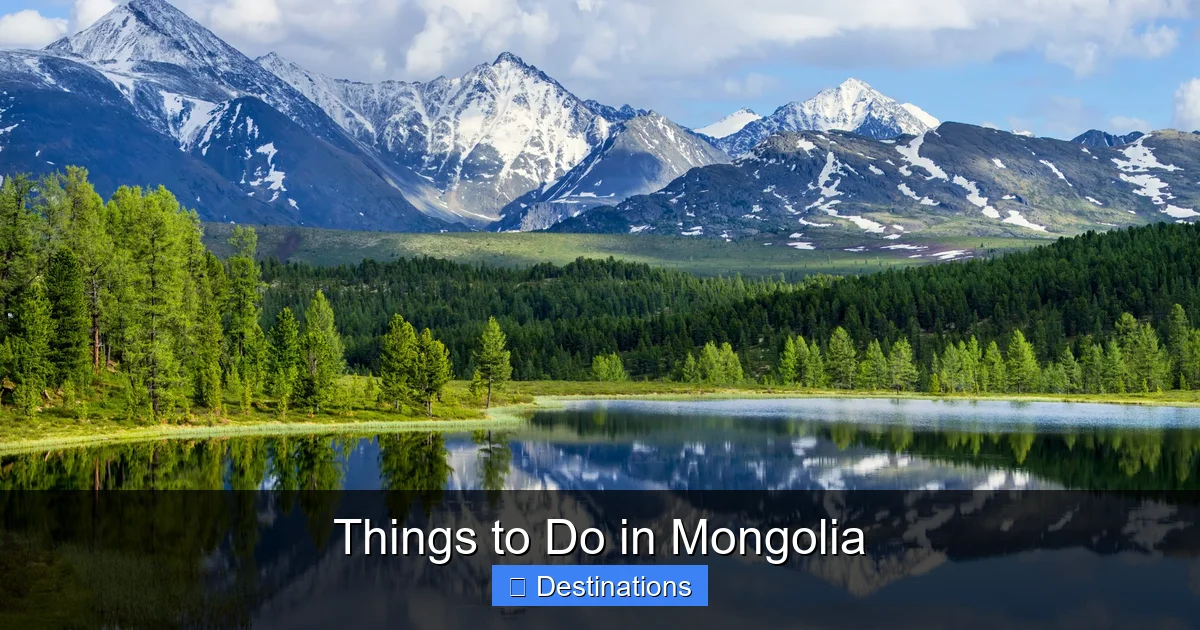
The Altai Mountains form a natural border between Mongolia, Russia, China, and Kazakhstan. This wild, untouched region is home to snow leopards, ibex, and over 1,000 lakes. It’s also a paradise for trekkers.
Popular trails include the Seven Lakes Trek, a 7-day journey through alpine meadows, pine forests, and crystal-clear lakes. Another favorite is the Chandmani-Ölgii Province, where Kazakh herders still practice traditional eagle hunting.
Trekking here means camping in the open, cooking over a fire, and waking to mountain vistas. There are no paved roads, no Wi-Fi, and no cell service. But that’s the point—this is raw, unfiltered nature.
Tips for Mountain Treks
- Pack layers—temperatures change quickly at altitude.
- Bring a good sleeping bag rated for -20°C.
- Hire a local guide. They know the trails, weather, and safe water sources.
- Respect wildlife—keep a safe distance from animals.
Experience Mongolian Cuisine
Food in Mongolia is simple, hearty, and deeply tied to the land. Most dishes reflect the nomadic lifestyle—meat, dairy, and grains are staples.
Must-Try Foods
- Buuz: Steamed dumplings filled with mutton and onions. Best eaten fresh from the steamer.
- Khorkhog: Meat and vegetables cooked in a sealed pot with hot stones. The stones conduct heat, cooking everything evenly.
- Airag: Fermented horse milk. It’s tangy, slightly alcoholic, and an acquired taste.
- Tsuivan: Stir-fried noodles with meat and vegetables. Comfort food at its finest.
- Boortsog: Fried dough pastries. Sweet, flaky, and perfect with tea.
In cities like Ulaanbaatar, you’ll find international restaurants, but for the real taste of Mongolia, eat where the locals do—small family-run places with no English menus.
Attend the Naadam Festival
Held every July in Ulaanbaatar, the Naadam Festival is Mongolia’s biggest celebration. It’s often called “the three games” because it features wrestling, horse racing, and archery—the traditional sports of the Mongolian steppe.
The festival draws thousands of spectators, including herders from across the country. You’ll see colorful tents, traditional music, and dancers in national costumes. It’s a vibrant, joyful event that showcases Mongolia’s cultural pride.
Beyond the games, there are food stalls, craft markets, and performances. It’s a great time to meet locals and experience Mongolia at its most festive.
If you can’t make it in July, consider visiting during other local festivals like Tsagaan Sar (Mongolian New Year), which involves family feasts, games, and traditional rituals.
Travel Tips for Mongolia
Mongolia is remote and infrastructure is limited. Here’s how to prepare:
Best Time to Visit
- Summer (June–August): Warm, dry, and perfect for trekking and horse riding. Ideal for Naadam Festival.
- Winter (December–February): Cold, snowy, and great for Northern Lights and winter sports.
- Avoid January—it’s extremely cold and many services are closed.
Getting Around
- Flights: Ulaanbaatar is the main hub. Domestic flights connect major cities.
- Buses: Affordable but slow. Overnight buses are common.
- Private tours: Most travelers hire guides for longer trips. They handle logistics, food, and lodging.
What to Pack
- Warm layers, even in summer (nights can be chilly).
- Sturdy hiking boots.
- Reusable water bottle with filter.
- Power bank—charging points are rare in rural areas.
- Respectful clothing—modest attire is appreciated in rural areas.
Conclusion
Mongolia isn’t just a destination—it’s a state of mind. It’s about slowing down, connecting with nature, and finding wonder in simplicity. Whether you’re riding a horse across the endless steppe, sitting by a fire in a ger, or marveling at the stars, Mongolia leaves a mark on your soul.
The things to do in Mongolia are as vast as the land itself. From ancient history to modern traditions, from mountain treks to nomadic homestays, every experience is unique. And because tourism is still growing, you’re not just a traveler—you’re a guest in a culture that’s eager to share its way of life.
If you’re looking for an adventure that’s off the beaten path, deeply cultural, and truly unforgettable, Mongolia is calling. Pack your bags, open your mind, and get ready for a journey you’ll never forget.
Frequently Asked Questions
What is a ger in Mongolia?
A ger is a traditional Mongolian dwelling made of felt and wood. It’s portable, warm, and designed for nomadic life. Most gers have a stove for heating and cooking.
Is Mongolia expensive to visit?
Not compared to Western standards. Accommodation, food, and transport are affordable, especially outside Ulaanbaatar. Budget around $30–$50 per day for mid-range travel.
Can I drink the tap water in Mongolia?
It’s not recommended. Use bottled or filtered water, especially in rural areas. Many travelers bring a water filter for safety.
What languages do people speak in Mongolia?
Most speak Mongolian. Russian is also understood in cities. English is limited outside tourist areas, so learning a few Mongolian phrases helps.
Is Mongolia a good destination for families?
Yes, especially with older children. Activities like horse riding, animal feeding, and visiting herder families are engaging and educational.
How do I get to Mongolia?
Fly into Ulaanbaatar’s Chinggis Khaan International Airport. Most international flights connect through Asia, Europe, or Russia.