
Ireland is a land of myth, magic, and unforgettable experiences. Whether you’re drawn to dramatic cliffs, green countryside, or lively pubs, things to do in Ireland are as diverse as they are enchanting. From hiking the Cliffs of Moher to sipping whiskey in Dublin, every corner tells a story.
Ireland—a country wrapped in emerald hills, whispering castles, and stories older than time—invites travelers to explore its rich heritage and natural beauty. Whether you’re wandering through misty moors, dancing to the beat of a bodhrán, or sipping a dram of Irish whiskey, every moment feels like a step into legend. From the buzzing streets of Dublin to the quiet shores of the Aran Islands, things to do in Ireland are as varied as they are captivating.
Check the latest prices and available rooms before they sell out.
Planning your trip to Ireland means embracing both the grand and the small: the towering Cliffs of Moher against a stormy sky, or a quiet cup of tea in a thatched cottage. This island nation offers more than just postcard-perfect views—it delivers authentic experiences, warm hospitality, and a deep sense of place. Whether you’re a history buff, an outdoor enthusiast, or a culture lover, Ireland has something to enchant you.
Key Takeaways
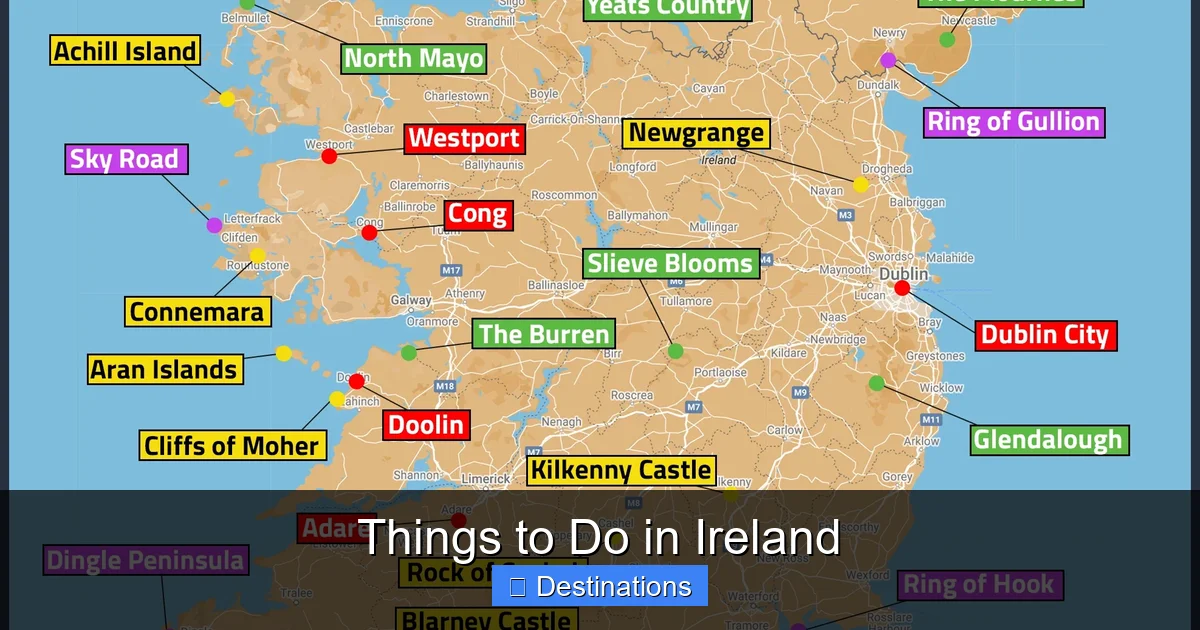
- Explore ancient sites: Visit Newgrange, a UNESCO World Heritage Site older than Stonehenge, or the Ring of Kerry for stunning landscapes.
- Experience Irish culture: Attend a traditional music session in a cozy pub or learn about Celtic history at a storytelling festival.
- Enjoy outdoor adventures: Hike the Wicklow Mountains, kayak in Connemara, or bike through the Wild Atlantic Way.
- Indulge in local cuisine: Try fresh seafood in Galway, savor a full Irish breakfast, or sample award-winning cheeses and craft beers.
- Discover vibrant cities: Dublin offers museums, theaters, and nightlife, while Cork and Belfast blend history with modern charm.
- Take scenic drives: The Ring of Kerry and the Wild Atlantic Way showcase Ireland’s breathtaking coastlines and villages.
- Visit iconic landmarks: See the Cliffs of Moher, Giant’s Causeway, and the Rock of Cashel for unforgettable photo opportunities.
Quick Answers to Common Questions
What are the top things to do in Ireland for first-time visitors?
First-time visitors should start with the Cliffs of Moher, visit Dublin’s Guinness Storehouse and Trinity College, and drive the Ring of Kerry. These experiences capture Ireland’s natural beauty, history, and culture.
Is Ireland expensive to visit?
Ireland can be pricey, especially in cities like Dublin. However, many attractions offer free entry, and eating in pubs instead of restaurants can save money. Budget travelers can enjoy affordable hostels and self-catering options.
When is the best time to visit Ireland?
The best time is late spring to early autumn (May to September) for mild weather and long daylight hours. Summer is peak season, but shoulder months like April or October offer fewer crowds and lower prices.
Can you visit Ireland without a car?
Yes, major cities like Dublin, Cork, and Galway are well-connected by buses and trains. However, renting a car is highly recommended for exploring rural areas and scenic routes like the Wild Atlantic Way.
Are there any must-try foods in Ireland?
Absolutely. Try a full Irish breakfast, fresh seafood in Galway, boxty, soda bread, and of course, Irish whiskey. Don’t miss trying black and white pudding and Kerry beef stew.
📑 Table of Contents
Discover Ireland’s Ancient Mysteries
Step back in time and uncover the secrets of Ireland’s ancient past. The island is dotted with Neolithic sites that continue to baffle archaeologists and inspire wonder. One of the most famous is Newgrange, a prehistoric passage tomb built around 3200 BCE—older than the pyramids of Egypt and Stonehenge. During the winter solstice, sunlight streams through a roof box and illuminates the chamber inside, a phenomenon that has been celebrated for over 5,000 years.
Find the Best Accommodation Deals
Compare prices from multiple booking platforms and find the best option for your stay.
Compare Hotel PricesAnother must-see is the Rock of Cashel, a hilltop fortress in County Tipperary that once served as the seat of the Kings of Munster. Its medieval cathedral, round tower, and Gothic arches tell tales of power, faith, and resilience. For a quieter journey through time, explore Hill of Tara in County Meath, where ancient kings were once crowned and myths of the Tuatha Dé Danann come alive.
These sites aren’t just ruins—they’re living history. Guided tours offer deep insights into Ireland’s spiritual and political evolution. Wear sturdy shoes and bring a camera; the views from these ancient grounds are as impressive as the stories they hold.
Find the Best Accommodation Deals
Compare prices from multiple booking platforms and discover the best stay options available.
⭐ Trusted by thousands of travelers
💰 Budget to luxury options available
Wander Through Stunning Landscapes
Visual guide about Things to Do in Ireland
Image source: theworldpursuit.com
Best Stay Deals Available
Compare prices across top booking platforms and find the best deal for your stay.
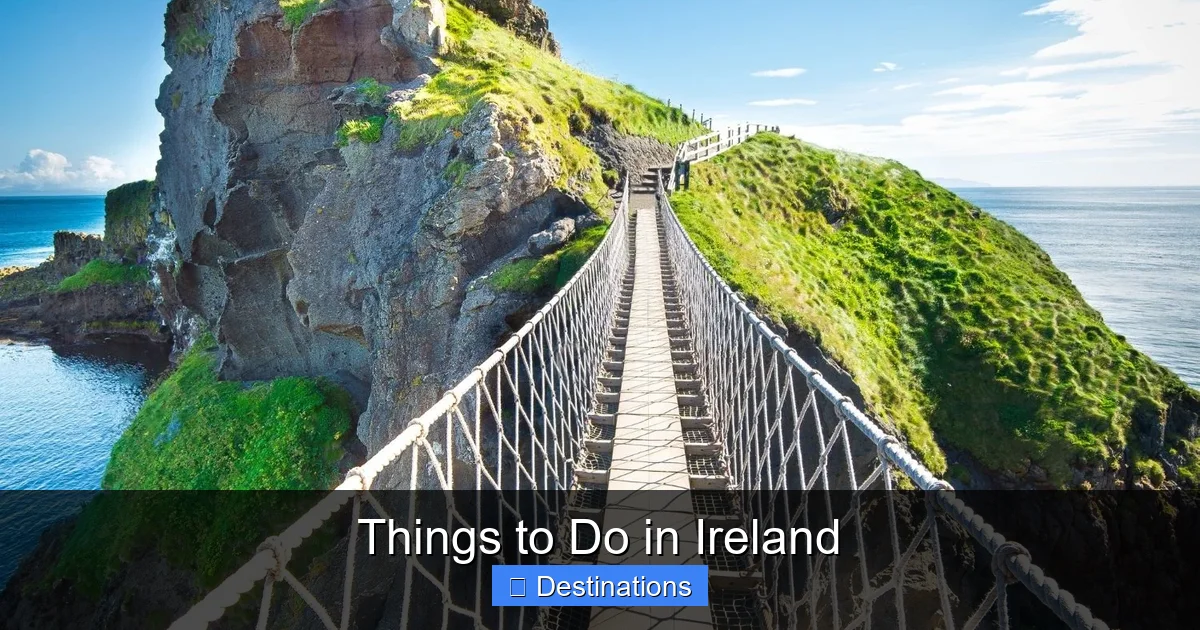
Check Available RoomsIreland’s landscapes are nothing short of magical. The Ring of Kerry in County Kerry is a 100-mile loop that takes you through emerald valleys, rugged coastlines, and charming villages. Drive past cascading waterfalls, ancient stone walls, and sheep-dotted hills. Stop at Gap of Dunloe, a narrow mountain pass perfect for hiking or pony trekking, or visit Muckross House and Gardens for a taste of Victorian elegance.
For a more dramatic coastline, head north to County Donegal and follow the Wild Atlantic Way—the longest coastal driving route in the world. This journey takes you past towering sea stacks, hidden coves, and the famous Slieve League Cliffs, which soar 600 meters above the Atlantic. In Killary Harbour, you’ll find a fjord-like estuary surrounded by mountains—a rare sight in western Europe.
If mountains call to you, don’t miss Glendalough in Wicklow, a glacial valley nestled in the Wicklow Mountains National Park. Founded by St. Kevin in the 6th century, it’s home to two beautiful lakes, ancient monastic ruins, and hiking trails that reward you with panoramic views. For a more adventurous trek, try the Wicklow Way, a 130-kilometer trail that winds through forests, bogs, and rocky outcrops.
Immerse Yourself in Irish Culture
Visual guide about Things to Do in Ireland
Image source: theirishroadtrip.com
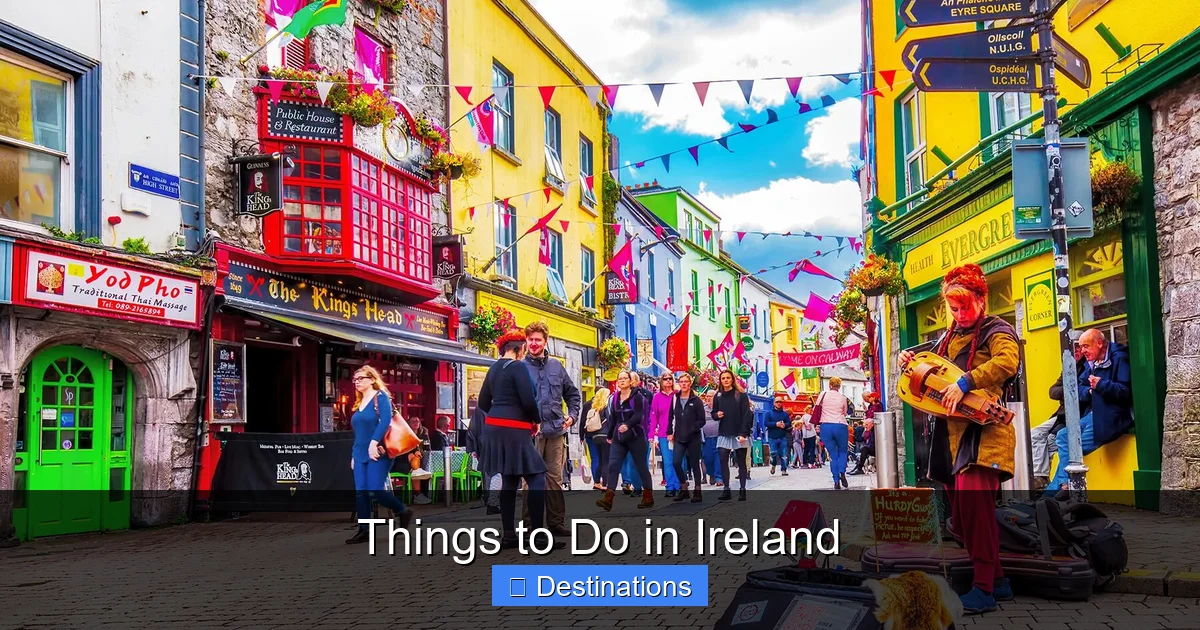
Ireland’s soul lives in its people, music, and traditions. One of the best ways to experience this is by attending a traditional music session in a local pub. In towns like Galway or Cobh, you’ll find impromptu gatherings where fiddles, tin whistles, bodhráns, and guitars fill the air with soulful tunes. Don’t be shy—join in, clap along, or just soak it up.
Cultural festivals are another highlight. St. Patrick’s Festival in Dublin draws thousands with parades, concerts, and fireworks. In Kilkenny, the Cathedral Quarter Arts Festival blends music, theater, and visual arts in a medieval setting. For a taste of rural life, visit a horse fair in places like Clonmel, where centuries-old traditions of horse trading and local crafts still thrive.
Art lovers should explore James Joyce Centre in Dublin or the National Museum of Ireland, which houses everything from ancient gold artifacts to the world’s largest collection of bog bodies. And if you’re visiting in summer, don’t miss a storytelling night—Ireland is the birthplace of the modern novel, and its oral traditions remain strong.
Indulge in Irish Food and Drink
Visual guide about Things to Do in Ireland
Image source: fodors.com
No trip to Ireland is complete without savoring its world-class food and drink. Start your day with a full Irish breakfast—bacon, sausages, black and white pudding, eggs, toast, and of course, soda bread. Many pubs and cafes serve it all day, especially on weekends.
For seafood lovers, Galway and Cobh offer fresh catches like mussels, crab, and Galway oysters. Try them at a waterside restaurant with views of the Atlantic. Inland, Connemara lamb and Kerry beef are renowned for their rich flavor, often served with creamy potatoes and seasonal vegetables.
And then there’s the drink. Ireland is famous for its whiskey, and no visit is complete without a tour of a distillery. Jameson in Dublin, Midleton in Cork, and Teeling in the Liberties all offer tastings and history lessons. For a more unique experience, visit Kilbeggan Distillery in County Westmeath—the oldest working distillery in the country.
Don’t forget to try Irish stew, boxty (a potato pancake), and chocolate chip soda bread. And if you have a sweet tooth, look for barmbrack—a fruit loaf often served during Halloween with hidden tokens for good luck.
Explore Vibrant Cities and Towns
While Ireland is known for its countryside, its cities are equally captivating. Dublin, the capital, blends history with modern energy. Walk through Trinity College to see the Book of Kells, Ireland’s most treasured manuscript. Visit Guinness Storehouse for a pint with a view, or stroll through St Stephen’s Green, a peaceful park in the heart of the city.
Cork is Ireland’s second city and a hub of creativity. Explore the English Market, a covered food hall dating back to 1788, or take a boat tour of Fota Wildlife Park. The city’s blend of Georgian architecture and indie shops makes it a favorite with locals and visitors alike.
Belfast, once known for its shipyards, now shines as a cultural capital. The Titanic Belfast Museum tells the story of the ill-fated liner, while the Peace Wall stands as a reminder of the city’s complex history. For a touch of fantasy, visit Game of Thrones filming locations—Daenerys crossed the Narrow Sea near Belfast, and many iconic scenes were shot in Northern Ireland.
Smaller towns like Westport, Limerick, and Kinsale offer charm without the crowds. Kinsale, in particular, is known for its gourmet food scene and sailing culture—perfect for a romantic getaway.
Experience Nature and Wildlife
Ireland’s nature is as diverse as it is beautiful. In Connemara, explore the Connemara National Park for hiking, birdwatching, and views of Diamond Hill. The park is home to red grouse, hen harriers, and the elusive Irish hare.
For a truly unique wildlife experience, visit Fota Wildlife Park in Cork or Wicklow Mountains National Park for guided walks and conservation programs. Birdwatchers flock to Loop Head Peninsula in Clare, where puffins, guillemots, and razorbills nest along the cliffs.
If you’re lucky, you might spot a seal colony in places like Loop Head or Blasket Islands. And in Killary Harbour, keep an eye out for otters and seals in the fjord-like estuary.
For a peaceful escape, rent a cabin in County Donegal or Kerry and spend your days fishing, kayaking, or simply watching the sunset over the Atlantic.
Plan Your Perfect Irish Adventure
Whether you’re drawn to ancient history, stunning landscapes, or lively culture, Ireland offers endless possibilities. Start by deciding how long you have—a week allows you to explore the Ring of Kerry and Dublin, while two weeks gives you time for the Wild Atlantic Way and Northern Ireland.
Pack layers—Irish weather changes quickly—and bring comfortable walking shoes. Renting a car is the best way to explore the countryside, but public transport connects major cities and towns efficiently.
And remember: the best things to do in Ireland aren’t always on a map. Sometimes, it’s finding a quiet pub where locals share stories, or stopping to chat with a farmer about their land. Ireland doesn’t just welcome you—it invites you in.
From the wild coastlines to the warmest of welcomes, Ireland is a destination that stays with you long after you leave. So pack your bags, grab your camera, and get ready for the trip of a lifetime.
Frequently Asked Questions
What is the best way to explore Ireland?
The best way is by renting a car, which gives you freedom to explore scenic routes like the Ring of Kerry and the Wild Atlantic Way. Public transport is reliable in cities, but a car opens up the countryside.
Are there any free things to do in Ireland?
Yes, many attractions are free or low-cost. Visit Trinity College’s Long Room (with a small fee), walk the Cliffs of Moher, explore Dublin’s Phoenix Park, or enjoy a free music session in a local pub.
How long should I stay in Ireland?
At least 7 to 10 days is ideal to see the highlights. A two-week trip allows you to explore both the Republic and Northern Ireland, including the Giant’s Causeway and the Ring of Kerry.
Is it safe to travel in Ireland?
Yes, Ireland is very safe for travelers. Petty crime can occur in cities, so keep an eye on belongings, but violent crime is rare. The locals are friendly and helpful to tourists.
What should I pack for a trip to Ireland?
Pack waterproof clothing, sturdy walking shoes, layers for changing weather, and a reusable water bottle. A compact umbrella and a power adapter (Type G) are also useful.
Can I see the Northern Lights in Ireland?
It’s rare but possible in northern parts of Ireland, especially in Donegal or County Down, during strong solar activity. However, sightings are not guaranteed and are less common than in Scandinavia.