
Germany offers unmatched diversity for every traveler—whether you love history, nature, food, or festivals. From exploring medieval castles to hiking the Black Forest, Germany’s blend of culture and adventure creates lasting memories. With world-class cities like Berlin and Munich, charming countryside villages, and rich traditions, this guide helps you uncover the best of Germany.
Germany isn’t just a destination—it’s an experience. Whether you’re wandering cobblestone streets in a centuries-old town, sipping lager in a bustling beer hall, or marveling at alpine vistas, this country delivers something for everyone. With its rich history, stunning landscapes, and warm hospitality, Germany stands out as one of Europe’s top travel destinations. From the industrial heart of Berlin to the fairy-tale charm of Bavaria, every region tells a unique story. In this guide, we’ll walk you through the best Things to Do in Germany, so you can plan a trip that’s as memorable as it is diverse.
Check the latest prices and available rooms before they sell out.
Key Takeaways
- Explore iconic cities: Berlin, Munich, and Hamburg blend history, nightlife, and modern culture.
- Visit fairy-tale castles: Neuschwanstein and Heidelberg are must-see landmarks.
- Enjoy nature: Hike the Black Forest, bike through the Rhine Valley, or relax on Baltic Sea beaches.
- Immerse in culture: Experience Oktoberfest, Christmas markets, and world-class museums.
- Try authentic cuisine: From schnitzel to currywurst, German food delights every palate.
- Efficient travel: Germany’s train network makes it easy to explore multiple regions quickly.
- Family-friendly fun: Theme parks like Europa-Park and interactive museums keep kids engaged.
Quick Answers to Common Questions
What is the best time to visit Germany?
Spring (April–June) and fall (September–October) offer pleasant weather and fewer crowds, making them ideal for sightseeing and outdoor activities.
How do I get around Germany easily?
Germany’s train network is excellent and connects major cities quickly. Consider a Germany Rail Pass for flexible travel across the country.
Are German cities safe for tourists?
Yes, Germany is very safe for travelers. Major cities like Berlin, Munich, and Hamburg have low crime rates and are well-equipped for visitors.
Can I visit Germany on a budget?
Absolutely. Use public transport, eat at local markets, take free walking tours, and visit museums on free admission days to enjoy Germany affordably.
Is English widely spoken in Germany?
Yes, especially in cities and tourist areas. Many Germans, particularly younger people, speak fluent English, but learning basic German phrases is appreciated.
📑 Table of Contents
Explore Germany’s Vibrant Cities
No trip to Germany is complete without experiencing its dynamic cities. Each urban center offers a unique flavor of culture, history, and modern life.
Berlin: The Heart of Modern Germany
Berlin is a city of contrasts—where ancient history meets cutting-edge art and nightlife. Visit the Berlin Wall Memorial and East Side Gallery to learn about the city’s divided past. Stroll through Museum Island, a UNESCO World Heritage site with five world-renowned museums. For a dose of creativity, explore the street art in Kreuzberg or shop at the trendy boutiques of Mitte. Don’t miss the Brandenburg Gate, a symbol of unity and peace. Berlin’s public transport system makes it easy to hop from one district to another, and late-night food markets like Markthalle Neun offer everything from vegan kebabs to artisanal cheeses.
Find the Best Accommodation Deals
Compare prices from multiple booking platforms and find the best option for your stay.
Compare Hotel PricesMunich: Bavarian Charm and Culture
As the capital of Bavaria, Munich combines old-world charm with modern energy. The Marienplatz, with its ornate Glockenspiel, is the heart of the city and a must-see for first-time visitors. Take a day trip to Nymphenburg Palace, a baroque masterpiece surrounded by lush gardens. In autumn, Munich transforms into a festival paradise during Oktoberfest, the world’s largest beer celebration. Even outside of October, you’ll find beer gardens like Hirschgarten where locals gather to enjoy sausages and lager under the open sky. The city’s museums, such as the Alte Pinakothek, showcase masterpieces from the Renaissance to modern art.
Hamburg: Port City with a Maritime Spirit
Hamburg is Germany’s second-largest city and a hub of maritime culture. Explore the historic Speicherstadt district, a UNESCO-listed warehouse complex built on wooden piles over the Elbe River. Take a harbor cruise to see container ships, cruise liners, and the iconic Elbphilharmonie concert hall. The Reeperbahn area is famous for its nightlife, but Hamburg also offers family-friendly attractions like Miniatur Wunderland, the world’s largest model railway. The city’s green spaces, like Planten un Blomen, are perfect for a relaxing afternoon.
Find the Best Accommodation Deals
Compare prices from multiple booking platforms and discover the best stay options available.
⭐ Trusted by thousands of travelers
💰 Budget to luxury options available
Discover Germany’s Fairytale Castles
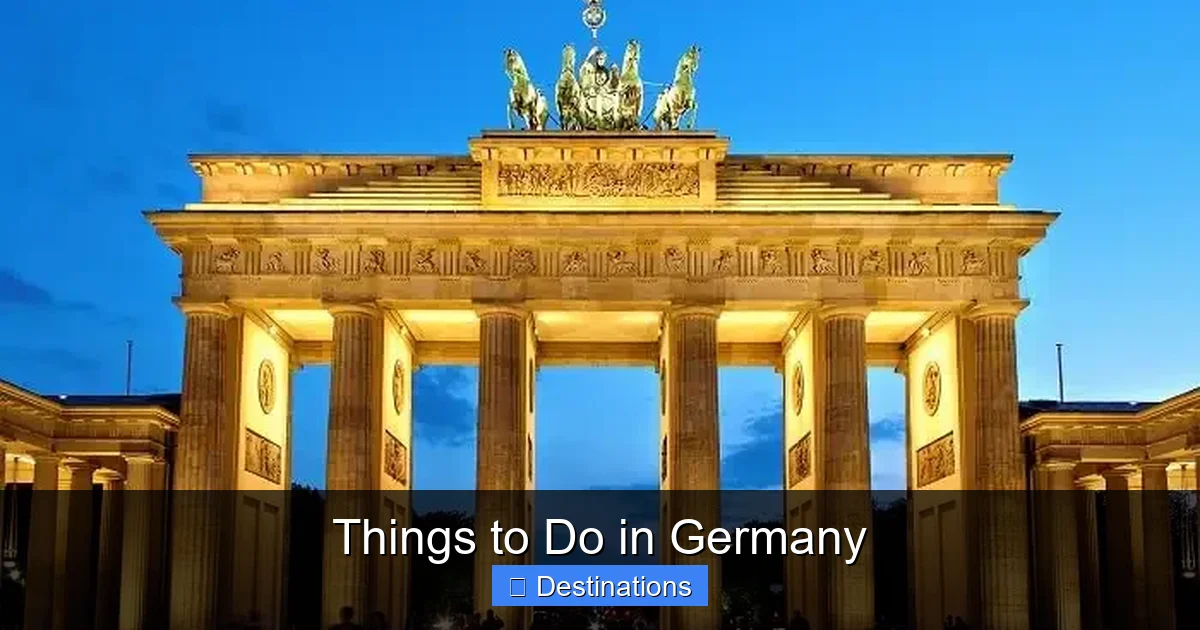
Visual guide about Things to Do in Germany
Image source: assets.traveltriangle.com
Best Stay Deals Available
Compare prices across top booking platforms and find the best deal for your stay.
Check Available RoomsGermany is home to some of Europe’s most romantic and awe-inspiring castles. These architectural wonders draw visitors from around the globe.
Neuschwanstein Castle: The Inspiration for Disney’s Sleeping Beauty Castle
Perched atop a rugged hill in Bavaria, Neuschwanstein Castle is a masterpiece of 19th-century architecture. Built by King Ludwig II, it’s a blend of medieval style and romantic fantasy. The castle’s fairy-tale towers and stunning Alpine backdrop make it one of the most photographed sites in Germany. While the interior is modest compared to its exterior, the views from the courtyard and surrounding trails are breathtaking. To avoid long lines, book tickets online in advance and visit early in the morning.
Heidelberg Castle: A Hilltop Jewel
Overlooking the Neckar River, Heidelberg Castle is a ruin that still radiates grandeur. Its red sandstone walls, ancient towers, and panoramic views make it a favorite for couples and history buffs. Walk through the Philosopher’s Walk for a peaceful moment with sweeping vistas. The castle’s wine cellars offer tastings of local Riesling, and the Old Town is just a short walk away with its charming cafes and the famous Heidelberg University.
Hohenzollern Castle: A Symbol of Power
Perched high in the Swabian Alps, Hohenzollern Castle is a symbol of Prussian power and architectural ambition. The castle’s white limestone façade and eagle-topped towers dominate the skyline. Inside, you’ll find a museum showcasing royal artifacts and family history. The surrounding park offers hiking trails and picnic spots. It’s a bit off the beaten path, but the journey is rewarded with incredible views and a deep dive into German royal heritage.
Immerse Yourself in German Culture and Festivals
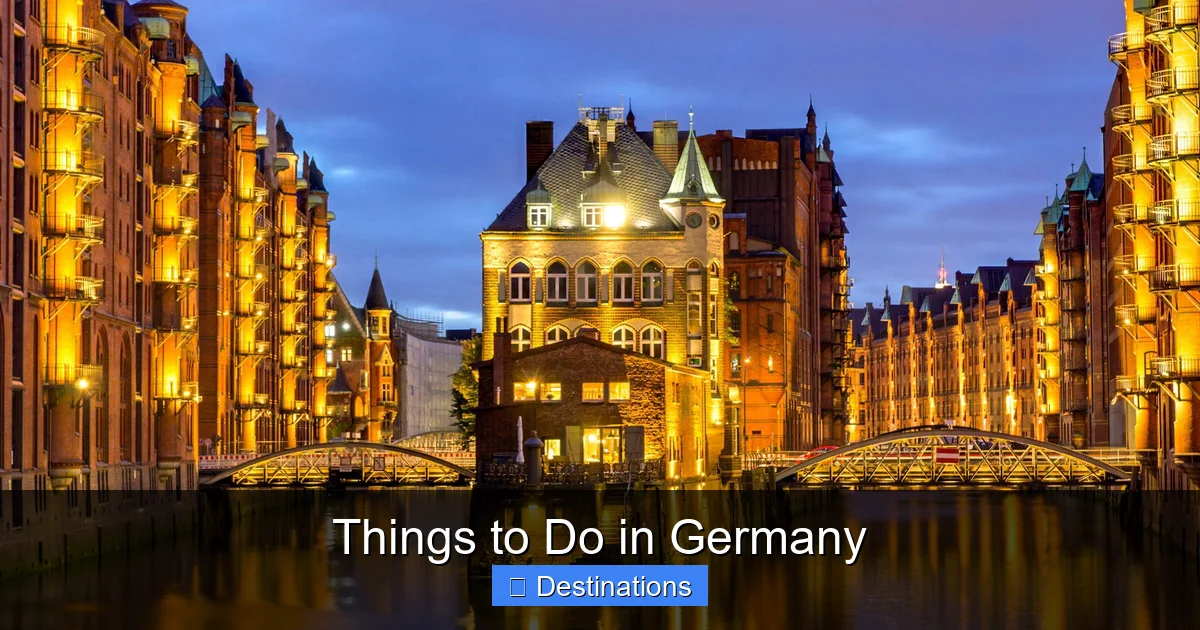
Visual guide about Things to Do in Germany
Image source: wanderingwheatleys.com
Germany is a nation that celebrates its traditions with enthusiasm. From seasonal markets to national holidays, there’s always something to experience.
Oktoberfest: The World’s Largest Beer Festival
Held in Munich every September and October, Oktoberfest is more than beer—it’s a cultural phenomenon. Millions of visitors descend on the Theresienwiese fairground to enjoy traditional Bavarian music, dancing, and food. Lederhosen and dirndls are common attire, and steins of beer flow freely. While tickets sell out quickly, you can still experience the spirit by visiting smaller beer gardens in the city. Pro tip: arrive early and book accommodation well in advance.
Christmas Markets (Weihnachtsmärkte): Festive Magic in Winter
From late November to December 24, Germany’s Christmas markets transform towns into winter wonderlands. Visit the market in Nuremberg for handmade ornaments, or the one in Cologne for its giant Christmas pyramid. Each market offers mulled wine, gingerbread, and handcrafted gifts. In Berlin, the market at Gendarmenmarkt is especially romantic, with choral music and candlelit stalls. It’s a perfect way to experience German holiday traditions.
Museums and Art: A Cultural Journey
Germany boasts some of the world’s best museums. The Deutsches Museum in Munich is the largest science and technology museum in Europe, with interactive exhibits that fascinate both kids and adults. In Dresden, the Zwinger Palace houses art collections spanning centuries. For contemporary art, visit the Hamburger Bahnhof in Berlin. Many museums offer free admission on the first Sunday of the month, making culture accessible to all.
Experience Germany’s Natural Wonders
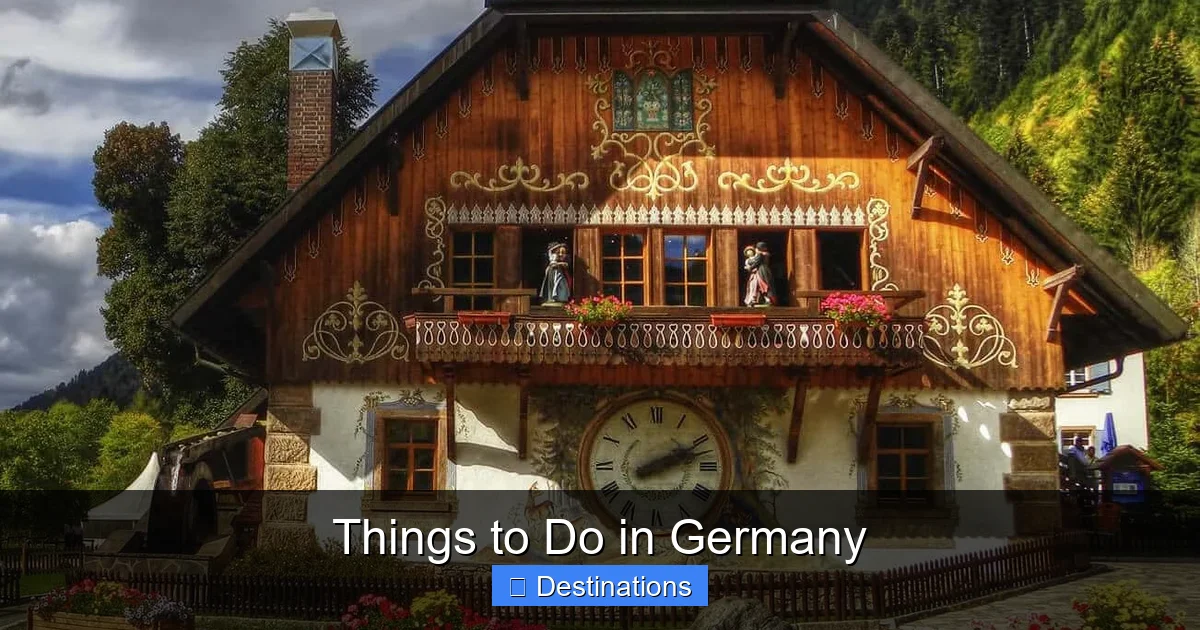
Visual guide about Things to Do in Germany
Image source: cdn11.bigcommerce.com
Beyond cities and castles, Germany’s countryside is a paradise for nature lovers.
Black Forest (Schwarzwald): A Hiker’s Dream
The Black Forest is a dense woodland known for its dramatic peaks, crystal-clear lakes, and charming villages. Hike the popular trails like the Feldberg or the Black Forest High Road. Visit Triberg Falls, one of Germany’s highest waterfalls, and don’t miss the cuckoo clocks in Furtwangen. The region is also famous for its smoked trout and Black Forest cake. In winter, ski resorts like Titisee-Neustadt offer slopes for all levels.
Rhine Valley: A Scenic River Cruise
The Rhine River winds through some of Germany’s most picturesque landscapes. Cruise from Koblenz to Mainz to see castles perched on cliffs, vineyards along the banks, and medieval towns like Bacharach. The Lorelei Rock is a mythic spot where sailors were said to have fallen in love with the singing siren. Biking the Rhine Cycle Route is another great way to explore at your own pace.
Baltic Sea Coast: Relax and Recharge
Germany’s northern coast stretches along the Baltic Sea, offering sandy beaches, pine forests, and peaceful towns. Visit the island of Rügen for white chalk cliffs and lighthouses, or the spa town of Heiligendamm, one of Europe’s oldest seaside resorts. Lübeck, known as the “Queen of the Baltic,” is a UNESCO World Heritage site with a stunning Holstentor gate. It’s perfect for a relaxing getaway with fresh seafood and cycling paths.
Enjoy German Cuisine and Local Delights
German food is hearty, flavorful, and deeply rooted in tradition.
Must-Try Dishes
Start with schnitzel—a breaded and fried cutlet, usually pork or veal—served with potato salad or fries. Currywurst, a sausage topped with curry ketchup, is a Berlin street food favorite. For a sweet treat, try Apfelstrudel (apple strudel) or Black Forest gateau. Don’t forget to pair meals with local beer or wine.
Markets and Food Tours
Explore local markets like Berlin’s Mauerpark Flea Market or Munich’s Viktualienmarkt for fresh produce, cheeses, and sausages. Join a food tour in cities like Cologne or Hamburg to sample regional specialties and learn about German culinary history.
Travel Tips for Germany
Germany is one of the most traveler-friendly countries in Europe. Here’s how to make the most of your visit.
Getting Around
Germany’s train system, operated by Deutsche Bahn, is efficient, clean, and connects major cities and towns. Consider getting a Germany Rail Pass for unlimited travel. Buses and trams are also widely available in cities. Renting a car is ideal for exploring rural areas, but be aware that driving in big cities can be stressful.
Best Time to Visit
Spring (April–June) and fall (September–October) offer mild weather and fewer crowds. Summer is ideal for festivals and outdoor activities, while winter brings festive markets and skiing opportunities.
Language and Etiquette
While many Germans speak English, learning a few basic phrases like “Guten Tag” (hello) and “Danke” (thank you) goes a long way. Germans value punctuality, so arrive on time for tours and appointments.
Safety and Budget
Germany is very safe for travelers. Budget wisely by using public transport, eating at local markets, and taking advantage of free walking tours. Many attractions offer discounts for students or seniors.
Conclusion
Germany is a country that surprises and delights at every turn. Whether you’re drawn to its historic cities, fairy-tale castles, or rolling countryside, there’s no shortage of Things to Do in Germany. From the energy of Berlin to the charm of Bavarian villages, every corner offers a new adventure. With efficient transport, rich culture, and warm people, Germany makes travel easy and unforgettable. So pack your bags, grab a map, and get ready to explore one of Europe’s most captivating destinations.
Frequently Asked Questions
What are the top things to do in Germany for first-time visitors?
First-time visitors should explore Berlin’s history, visit Neuschwanstein Castle, experience Oktoberfest in Munich, and enjoy a scenic Rhine River cruise. These experiences highlight Germany’s culture, architecture, and natural beauty.
Are there family-friendly activities in Germany?
Yes, Germany offers many family-friendly activities, including theme parks like Europa-Park, interactive science museums, and outdoor hiking trails. Cities like Munich and Berlin also have parks, zoos, and kid-friendly festivals.
How long should I spend in Germany?
At least 7–10 days is recommended to see major highlights like Berlin, Munich, Neuschwanstein Castle, and the Rhine Valley. For a deeper experience, 2–3 weeks allows time to explore smaller towns and regional specialties.
What is Germany famous for?
Germany is famous for its castles, beer, autobahns, efficient trains, Christmas markets, and contributions to music, science, and engineering. Bavaria’s traditions and the Black Forest’s scenery are also iconic.
Can I drink tap water in Germany?
Yes, tap water in Germany is safe to drink and tastes great. Many locals prefer it over bottled water, and you’ll often see water fountains in public parks and cafes.
Is Germany expensive for tourists?
Germany is moderately priced compared to other Western European countries. Major cities like Berlin and Munich can be pricey, but budget options like hostels, public transport, and street food make it accessible for most travelers.