
Gifu Prefecture is a hidden gem in central Japan, offering a perfect blend of history, nature, and tradition. Whether you’re hiking through dramatic gorges, exploring feudal castles, or savoring Hida beef, Gifu delivers unforgettable experiences for every traveler.
Gifu Prefecture may not be the first place that comes to mind when planning a trip to Japan, but trust me—this region is a treasure trove of history, nature, and authentic culture. Nestled between Nagoya and Kanazawa, Gifu offers a slower, more intimate travel experience compared to Tokyo or Osaka. From towering castles and serene gorges to centuries-old villages and world-class cuisine, Gifu invites you to explore Japan beyond the usual tourist trails. Whether you’re a history buff, a nature lover, or a foodie, this prefecture has something special waiting for you.
Check the latest prices and available rooms before they sell out.
What makes Gifu truly unique is its balance of old and new. You can walk through Edo-period streets in Takayama, then hike through dramatic river gorges that feel untouched by time. The region is also famous for its craftsmanship—pottery, textiles, and sake brewing have been passed down through generations. And let’s not forget the food. Hida beef, one of Japan’s most prized wagyu meats, comes from here. If you’re looking for a journey that blends adventure, culture, and flavor, Gifu is your perfect destination.
Key Takeaways
- Explore Historic Castles: Visit Gifu Castle, perched on Mount Kinka, for stunning views and deep samurai history.
- Hike the Ibi River Gorges: Discover dramatic cliffs and waterfalls, especially beautiful in autumn.
- Experience Traditional Crafts: Try pottery in Takayama or weave washi paper in Gifu City.
- Enjoy Local Cuisine: Don’t miss Hida beef, sake from Nagara, and regional sweets like mochi.
- Visit Cultural Towns: Wander through preserved Edo-era streets in Takayama and Shirakawa-go.
- Relax in Onsen: Unwind in natural hot springs near Takayama or the Nagaragawa Onsen area.
- Plan Around Seasons: Spring for cherry blossoms, autumn for fall foliage, and winter for snow festivals.
Quick Answers to Common Questions
What is the best time to visit Gifu?
Spring (April–May) and autumn (October–November) are ideal. Spring offers cherry blossoms, while autumn brings stunning fall colors and pleasant weather for hiking.
How do I get to Gifu from Tokyo?
Take the Hikari or Kodama bullet train from Tokyo Station to Gifu Station (about 2 hours). From there, local trains and buses connect to major attractions.
Is Gifu suitable for families?
Yes! Gifu offers family-friendly activities like visiting Hida Folk Village, hiking easy trails, and enjoying local food. Takayama’s morning market is especially fun for kids.
What should I eat in Gifu?
Must-tries include Hida beef, local sake, mochi, and seasonal wagashi. Don’t miss a meal at a traditional ryokan that serves kaiseki cuisine.
Are there free things to do in Gifu?
Yes! Visit Gifu Castle grounds, walk along the Nagara River, explore Takayama’s old town, and enjoy the views from the Hida Gorge trails—many of these are free or low-cost.
📑 Table of Contents
1. Explore Historic Castles and Samurai Heritage
Gifu Castle, perched dramatically on Mount Kinka, is the crown jewel of the prefecture. Originally built in the 16th century by warlord Oda Nobunaga, the castle has been rebuilt several times but still retains its feudal charm. The climb to the top is worth every step—on a clear day, you can see all the way to Nagoya and beyond. Inside, you’ll find exhibits on Japan’s unification era and samurai culture.
Find the Best Accommodation Deals
Compare prices from multiple booking platforms and find the best option for your stay.
Compare Hotel PricesNearby, Hachiman-gu Shrine, located at the base of the mountain, offers a peaceful contrast to the castle’s grandeur. This sacred site is one of the oldest in Japan and is especially beautiful during hanami (cherry blossom viewing) season in spring.
For history lovers, the nearby Nagara River and the ruins of the old castle town provide a glimpse into Gifu’s past. If you’re visiting during autumn, the changing leaves around the castle create a postcard-perfect scene.
Find the Best Accommodation Deals
Compare prices from multiple booking platforms and discover the best stay options available.
⭐ Trusted by thousands of travelers
💰 Budget to luxury options available
2. Hike Through Dramatic Gorges and Natural Wonders
Visual guide about Things to Do in Gifu
Image source: cdn.visitgifu.com
Best Stay Deals Available
Compare prices across top booking platforms and find the best deal for your stay.
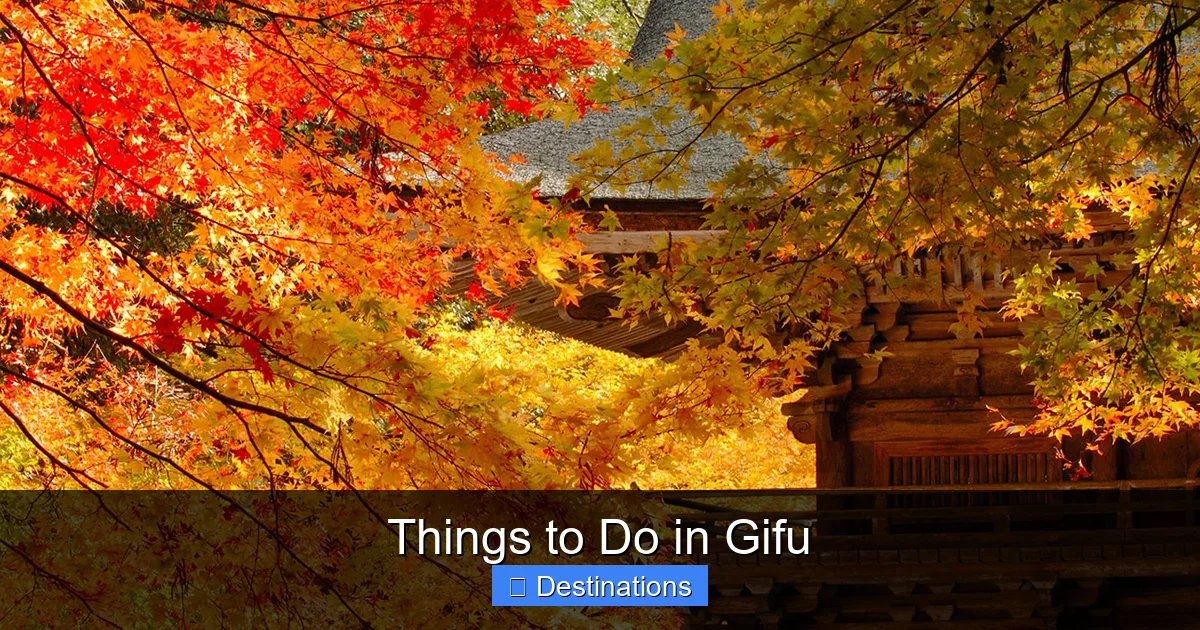
Check Available RoomsOne of the most breathtaking experiences in Gifu is hiking through the Ibi River Gorges. The most famous stretch is the Hida Gorge, where the river cuts through towering limestone cliffs. The gorges are especially stunning in autumn, when the foliage turns fiery red and gold. You can walk along well-maintained trails, cross suspension bridges, and even spot waterfalls cascading down the rock faces.
Another must-visit natural site is Kiso Valley, part of the Nakasendo Trail—an ancient route connecting Kyoto and Edo (Tokyo). The valley is dotted with traditional post towns like Narai and Tsumago, where you can walk cobblestone streets and stay in machiya (traditional wooden townhouses). It feels like stepping back in time.
For a more adventurous hike, try the trails around Mount Mitake or Mount Kiyosumi. Both offer panoramic views and are less crowded than more famous Japanese mountains. Spring brings wildflowers, while summer offers lush greenery and hiking opportunities.
3. Immerse Yourself in Traditional Crafts
Gifu has a long tradition of craftsmanship, and you can experience it firsthand. In Gifu City, visit the Kiyotake Pottery Village to see local artisans shaping clay into beautiful ceramics. You can even try your hand at pottery with a hands-on workshop.
In Nagarigawa, the heart of Gifu’s sake country, take a tour of a traditional sake brewery. You’ll learn about the rice selection, fermentation process, and aging techniques that have made Gifu sake famous across Japan. Many breweries offer tastings, so don’t forget to bring a designated driver or use public transport.
Takayama is another craft lover’s paradise. Here, you can visit the Hida Folk Village (Hida no Sato), an open-air museum showcasing traditional thatched-roof houses. Inside, artisans demonstrate woodworking, weaving, and paper-making. It’s a living museum where culture comes alive.
4. Savor Gifu’s Culinary Delights
No trip to Gifu is complete without trying its signature foods. Hida beef is the star—tender, marbled, and melt-in-your-mouth delicious. You can find it in high-end restaurants in Takayama or enjoy it in casual yakiniku (grilled meat) joints. Be sure to pair it with a glass of local sake.
Speaking of sake, Gifu is one of Japan’s top sake-producing regions. Visit Nagarigawa Onsen and stop by a local brewery to sample junmai daiginjo, a premium variety made with Gifu-grown rice. The town also has a famous “Sake Street,” lined with tiny bars and tasting rooms.
Don’t miss Hida wagashi—traditional Japanese sweets made with local ingredients like chestnuts and yuzu. Try mochi, dorayaki, or warabimochi while strolling through Takayama’s old town.
For a unique experience, attend the Hida Beef Festival in Takayama during autumn, where vendors serve everything from sukiyaki to beef bento boxes.
5. Wander Through Timeless Villages
Two villages in Gifu prefecture are UNESCO World Heritage Sites and must-see destinations: Shirakawa-go and Gokayama. These mountain villages are famous for their distinctive gassho-zukuri houses—steep thatched roofs designed to withstand heavy snowfall. The villages feel like something out of a fairy tale, especially in winter when they’re dusted in snow.
To get the best views, hike the Okuhida Skyline trail, which offers sweeping vistas of Shirakawa-go. The drive along this scenic route is part of the adventure—mountain roads twist through pine forests and open up to dramatic cliffs.
Takayama is another gem. This beautifully preserved town has a morning market where you can sample local street food, shop for crafts, and see centuries-old sake breweries. The Sannomaru Samurai District and Santenkyo Bridge** are peaceful spots to reflect on the town’s history.
6. Relax in Natural Hot Springs (Onsen)
After a day of hiking or sightseeing, nothing beats soaking in a hot spring. Nagarigawa Onsen is one of the oldest onsen towns in Japan and is famous for its clear, mineral-rich waters. Many ryokan (traditional inns) offer private or public baths with views of the Nagara River.
For a more rustic experience, try Hida Onsen near Takayama. These natural hot springs are nestled in the mountains and are perfect for unwinding after exploring the countryside.
Remember to follow onsen etiquette: wash thoroughly before entering the bath, tie up long hair, and avoid bringing towels into the water. It’s all part of the cultural experience.
7. Seasonal Events and Festivals
Gifu comes alive with festivals throughout the year. The Takayama Spring Festival (April) is one of Japan’s most beautiful—featuring elaborate floats, traditional performances, and food stalls. The Takayama Autumn Festival (October) is equally vibrant, with dancing, music, and illuminated streets.
In winter, Shirakawa-go hosts the Snow Lantern Festival, where paper lanterns light up the village at night. It’s a magical experience and a photographer’s dream.
Spring brings cherry blossoms to Gifu Castle and along the Nagara River. Autumn is ideal for fall foliage—especially in the gorges and around Takayama. Summer offers hiking, river rafting, and local festivals.
Frequently Asked Questions
What is Gifu prefecture known for?
Gifu is known for its historic castles, dramatic river gorges, traditional villages like Shirakawa-go, and premium Hida beef. It’s also a major sake-producing region with deep cultural roots.
How many days should I spend in Gifu?
At least 3–4 days is ideal to explore Gifu City, Takayama, Shirakawa-go, and the gorges. If you have more time, add Kiso Valley and Nagaragawa Onsen to your itinerary.
Is Gifu easy to travel around?
Yes! Gifu has an excellent public transport system. Trains and buses connect major towns, and the JR Pass is useful if you’re traveling from other parts of Japan.
Are there good hiking trails in Gifu?
Absolutely. The Ibi River Gorges, Nakasendo Trail, and Mount Mitake offer trails for all levels. Autumn is the best season for hiking due to clear skies and colorful foliage.
Can I visit Shirakawa-go and Takayama in one day?
It’s possible but rushed. Shirakawa-go is about 1.5 hours from Takayama by car or bus. Most visitors stay overnight in one of the towns to fully enjoy the experience.
What is Hida beef?
Hida beef is a premium wagyu from the Hida region, known for its marbling and rich flavor. It’s considered one of Japan’s best beef varieties and is often served as sukiyaki or shabu-shabu.