
France is more than just a destination—it’s an experience. Whether you’re strolling along the Seine, savoring world-class cuisine, or exploring medieval villages, every moment feels like a postcard come to life. This guide covers the best things to do in France for every traveler, whether you’re a foodie, history buff, or dreamer.
France—a country where history, art, and cuisine blend seamlessly into one unforgettable journey. From the romantic boulevards of Paris to the sun-drenched beaches of the Côte d’Azur, France offers something for every kind of traveler. Whether you’re dreaming of strolling through a Parisian café, hiking in the Alps, or sipping wine in a vineyard, this guide will help you discover the best things to do in France. Let’s dive into the magic of this European gem.
Check the latest prices and available rooms before they sell out.
Key Takeaways
- Explore iconic cities: From Paris’s art museums to Lyon’s culinary scene, France’s cities offer unforgettable urban adventures.
- Indulge in regional specialties: Try regional dishes like croissants in Paris, escargot in Burgundy, and seafood in Nice.
- Visit world-famous landmarks: The Eiffel Tower, Louvre, and Mont Saint-Michel are must-sees on any France itinerary.
- Enjoy wine and vineyard tours: Explore Bordeaux, Champagne, and Provence for breathtaking views and tastings.
- Experience outdoor beauty: Hike the French Alps, relax on the French Riviera, or cruise the Loire Valley’s châteaux.
- Discover hidden villages: Wander through Provence’s lavender fields or the fairy-tale towns of the Loire Valley.
- Travel like a local: Use regional trains, rent bikes, and embrace slow travel for a more authentic experience.
Quick Answers to Common Questions
What are the top things to do in France?
Visit Paris to see the Eiffel Tower and Louvre, explore the French Riviera, tour wine regions like Bordeaux, hike in the Alps, and wander historic villages like Gordes.
Is France safe for tourists?
Yes, France is generally safe for tourists. Exercise normal precautions, especially in crowded areas, and keep an eye on your belongings.
What is the best time to visit France?
The best time is spring (April to June) and fall (September to October) for pleasant weather and fewer crowds. Summer is peak season but can be crowded.
Do I need a visa to visit France?
Citizens of many countries can visit for up to 90 days without a visa. Check your country’s requirements before traveling.
How do I get around France?
The TGV high-speed train connects major cities. Renting a car is great for countryside travel, and public transport works well in cities.
📑 Table of Contents
Explore the Magic of Paris
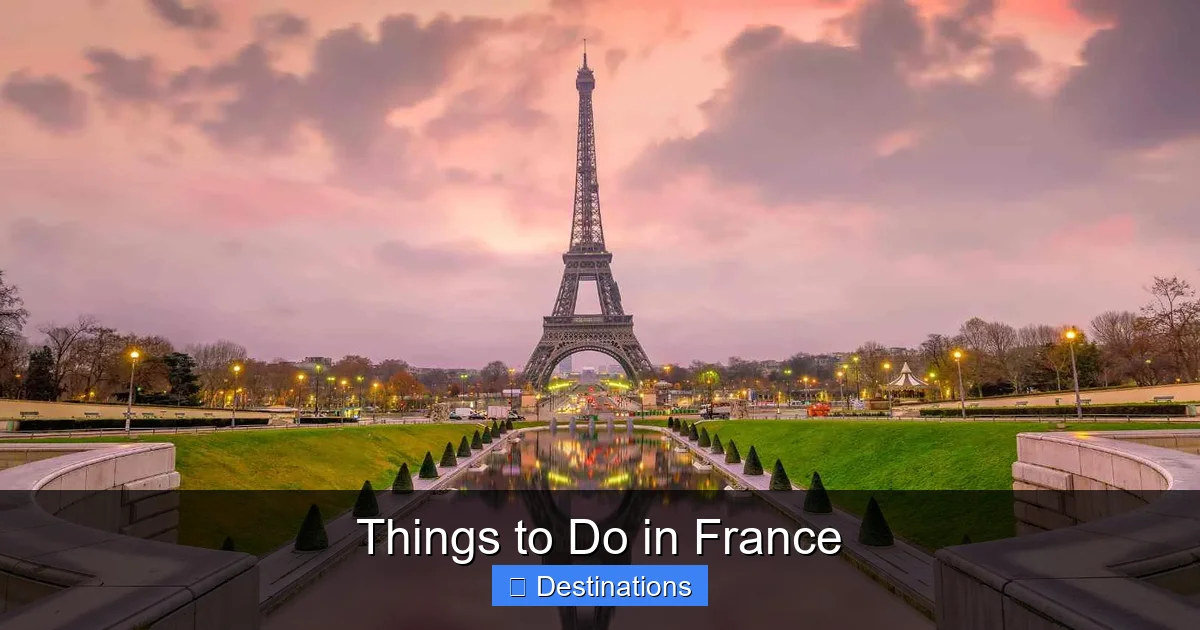
Paris, the City of Light, is a must-visit on any trip to France. It’s not just about the Eiffel Tower or the Louvre—Paris is a living museum of art, fashion, and culture. Start your day with a croissant and coffee at a sidewalk café, then head to the Louvre to see the Mona Lisa. Don’t miss the Musée d’Orsay for impressionist masterpieces, or Montmartre for its bohemian vibe and the stunning Sacré-Cœur Basilica.
Take a Seine River cruise at sunset for a magical view of the city’s landmarks. For a different perspective, climb the stairs of the Eiffel Tower or visit the top for panoramic views. If you love shopping, the Champs-Élysées and Le Marais are perfect for window browsing. And when the evening comes, enjoy a dinner at a cozy bistro with a glass of French wine.
Find the Best Accommodation Deals
Compare prices from multiple booking platforms and find the best option for your stay.
Compare Hotel PricesParis isn’t just for first-time visitors—it’s a city that rewards repeat visits. Each neighborhood tells a different story, from the chic boutiques of Saint-Germain-des-Prés to the street art of Belleville. Whether you’re exploring free things to do in Paris or splurging on a fine dining experience, the city never fails to inspire.
Wander Through Historic Villages and Castles
Find the Best Accommodation Deals
Compare prices from multiple booking platforms and discover the best stay options available.
⭐ Trusted by thousands of travelers
💰 Budget to luxury options available
Visual guide about Things to Do in France
Image source: i.ytimg.com
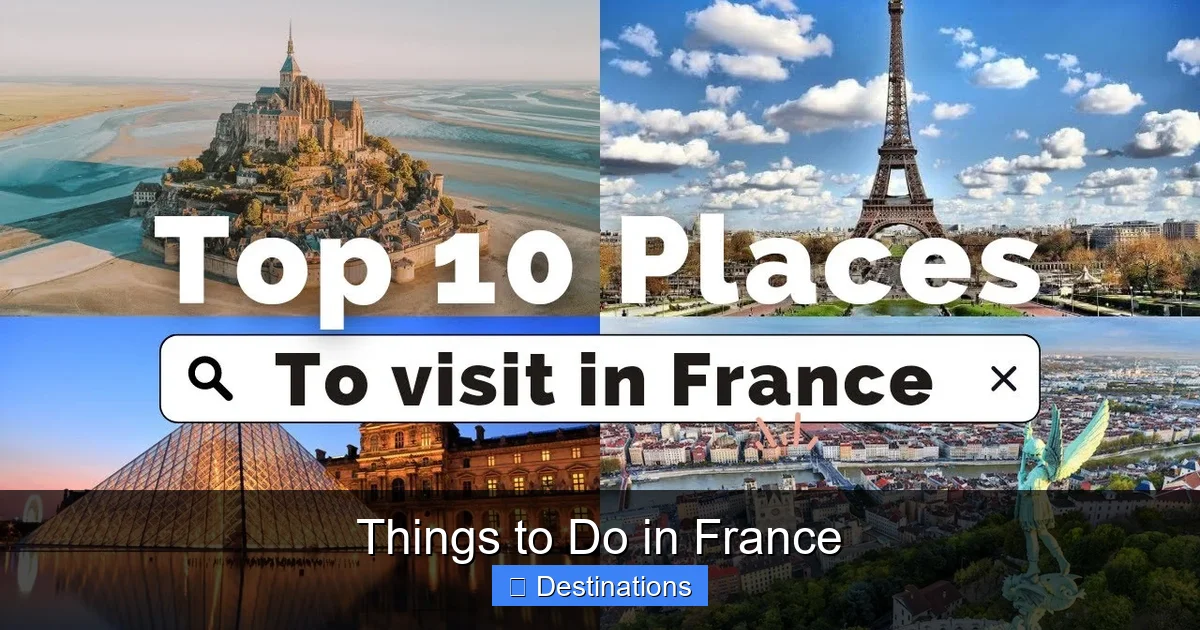
Beyond the cities, France is dotted with charming villages and fairytale castles that feel like they’ve been pulled from a storybook. The Loire Valley, often called the “Garden of France,” is home to over 300 châteaux. Visit Château de Chambord, with its distinctive French Renaissance architecture, or the romantic Château de Chenonceau, built over the River Cher.
Best Stay Deals Available
Compare prices across top booking platforms and find the best deal for your stay.
Check Available RoomsIn the south, the village of Gordes in Provence offers cobblestone streets, lavender fields, and breathtaking views of the Luberon Valley. Wander through the stone houses, visit local markets, and soak in the peaceful atmosphere. Nearby, Roussillon is famous for its ochre cliffs—a natural wonder that’s perfect for photography and hiking.
For a medieval adventure, head to Mont Saint-Michel, a tidal island abbey that rises dramatically from the Normandy coast. It’s a UNESCO World Heritage Site and one of the most photographed landmarks in France. The best time to visit is during low tide when the causeway is accessible, and you can explore the abbey without the crowds.
Indulge in French Cuisine and Wine
Visual guide about Things to Do in France
Image source: tripzygo.in
No trip to France is complete without experiencing its world-renowned food and wine. Start in Paris, where you can find everything from Michelin-starred restaurants to tiny bakeries selling perfect baguettes. Try a traditional bistro meal of steak frites or coq au vin, paired with a glass of red wine.
Regional specialties are a highlight of any France trip. In Lyon, known as the gastronomic capital of France, sample quenelles, andouillette, and salade lyonnaise. Head to the south for fresh seafood in Nice, or enjoy escargot and boeuf bourguignon in Burgundy. Don’t forget dessert—try crème brûlée, tarte tatin, or a flaky éclair from a local patisserie.
Wine lovers will be in paradise. Visit the vineyards of Bordeaux for red blends, Champagne for bubbly, or Provence for rosé. Many wineries offer tours and tastings, so book in advance. A visit to a vineyard in the Rhône Valley or the Loire Valley is not just about the wine—it’s about the scenery, the history, and the warm hospitality.
Relax on the French Riviera
Visual guide about Things to Do in France
Image source: i.pinimg.com
The French Riviera, or Côte d’Azur, is synonymous with glamour, sunshine, and stunning coastline. Start in Nice, where you can stroll along the Promenade des Anglais, visit the colorful Old Town, and enjoy fresh seafood at a seaside café. Cannes is famous for its film festival and luxury yachts, while Monaco offers a glimpse into high society with its casinos and harbor.
For a more relaxed vibe, head to Saint-Tropez, with its cobblestone streets and pebble beaches. Rent a boat to explore the coastline or take a day trip to Èze, a hilltop village known for its perfume gardens and panoramic views. Antibes and Cannes are also great for art lovers, with museums and galleries showcasing local and international artists.
The French Riviera isn’t just for the wealthy—there are plenty of affordable options. Look for budget-friendly beaches, street food markets, and free walking tours. And don’t miss the chance to watch the sunset from a cliffside restaurant with a glass of rosé in hand.
Adventure in the French Alps and Beyond
For outdoor enthusiasts, France offers some of the most beautiful landscapes in Europe. The French Alps are perfect for skiing in winter and hiking in summer. Chamonix, near Mont Blanc, is a mecca for mountaineers and skiers alike. Even if you’re not hitting the slopes, the alpine villages like Annecy and Grenoble offer charming streets, crystal-clear lakes, and mountain views.
In the summer, the French countryside comes alive with hiking trails, cycling routes, and river kayaking. The Gorges du Verdon, often called the “Grand Canyon of Europe,” is a must-visit for its turquoise waters and dramatic cliffs. For a peaceful escape, rent a canoe and paddle through the canyon or explore the hidden beaches.
The Pyrenees, on the border with Spain, offer a quieter alternative with hiking, birdwatching, and traditional villages. And for a unique experience, visit the Camargue region in the south, where you can see wild white horses, pink flamingos, and salt marshes.
Experience Festivals and Local Culture
France is rich in festivals and cultural events that celebrate everything from food to music. The Cannes Film Festival in May is world-famous, but there are many smaller events worth checking out. In Nice, the Carnival of Nice in February is one of the largest in Europe, with parades, music, and colorful costumes.
For food lovers, the Marché d’Aligre in Paris or the Marché de la Place des Vosges in Lyon offer a taste of local life. Try fresh produce, artisanal cheeses, and seasonal fruits. In Provence, the lavender harvest in July and August is a magical time to visit, with fields blooming in shades of purple.
Music and art festivals are also popular. The Festival de Cannes, while high-profile, isn’t the only event—smaller towns host jazz festivals, classical concerts, and open-air theater performances. Check local event calendars to see what’s happening during your visit.
Travel Tips for an Unforgettable Trip
Planning your trip to France can be exciting, but a few tips will make your journey smoother. First, consider using the high-speed TGV train to travel between cities—it’s fast, comfortable, and scenic. Book tickets in advance for popular destinations like Paris or the French Riviera.
Accommodation options range from luxury hotels to charming bed-and-breakfasts and vacation rentals. In cities, stay in central neighborhoods like the Marais or Saint-Germain for easy access to attractions. In the countryside, consider a gîte or agriturismo for a rural experience.
Language is helpful but not always necessary—many people in tourist areas speak English. Still, learning a few basic French phrases like “bonjour” and “merci” goes a long way. And remember, France is known for its relaxed pace of life—take your time, enjoy the coffee, and savor the moment.
Lastly, be mindful of local customs. Meals are important, so don’t rush dinner. And when visiting churches or museums, dress modestly. With these tips, your trip to France will be as smooth as a fine wine.
France is more than a destination—it’s a sensory experience. From the smell of fresh bread to the sound of accordion music, every moment invites you to slow down and enjoy life. Whether you’re exploring Paris, sipping wine in Bordeaux, or relaxing on the Riviera, France promises memories that will last a lifetime. So pack your bags, grab your camera, and get ready to fall in love with this incredible country.
Frequently Asked Questions
What are the must-see landmarks in France?
Top landmarks include the Eiffel Tower in Paris, Mont Saint-Michel, the Louvre Museum, and the châteaux of the Loire Valley. Each offers a unique glimpse into France’s rich history and culture.
Can I visit France on a budget?
Yes! Look for free walking tours, public parks, and affordable markets. Stay in hostels or vacation rentals, and enjoy picnics with fresh bread and cheese from local bakeries.
What is the best region to visit in France?
It depends on your interests. Paris is perfect for culture and food, the French Riviera for beaches and luxury, and Provence for countryside charm and lavender fields.
Are there family-friendly activities in France?
Absolutely. Visit Disneyland Paris, explore the Jardin des Plantes in Paris, or take a boat ride on Lake Annecy. Many museums and parks offer kid-friendly exhibits.
How long should I stay in France?
At least 7 to 10 days is ideal to explore Paris, a few other cities, and some countryside. For a deeper experience, consider 2 to 3 weeks to visit multiple regions.
What should I pack for a trip to France?
Comfortable walking shoes, layers for changing weather, a reusable water bottle, and a camera. Don’t forget a small bag for souvenirs and local produce.