
Ethiopia is a land where ancient history, stunning landscapes, and rich culture come together in unforgettable ways. From exploring UNESCO World Heritage sites like Lalibela’s rock-hewn churches to trekking in the Simien Mountains and tasting world-renowned coffee, every corner of this East African gem offers something unique. Whether you’re a history buff, nature lover, or food enthusiast, Ethiopia delivers an authentic and awe-inspiring travel experience.
Ethiopia is one of those rare destinations where history feels alive, nature takes your breath away, and culture wraps around you like a warm embrace. Nestled in the Horn of Africa, this ancient land has been a crossroads of trade, faith, and civilization for millennia. From the highlands of the Ethiopian Rift Valley to the dramatic escarpments of the Simien Mountains, every region tells a story etched in stone, soil, and song.
Check the latest prices and available rooms before they sell out.
Unlike many tourist hotspots, Ethiopia remains refreshingly authentic. You won’t find crowded souvenir shops or overpriced tours—just genuine interactions, breathtaking scenery, and traditions that have survived centuries. Whether you’re wandering through labyrinthine markets, hiking to sunrise over golden savannahs, or sharing a steaming cup of coffee with a local family, Ethiopia offers experiences that linger long after you leave.
Key Takeaways
- Explore ancient wonders: Visit Lalibela’s 12th-century rock-hewn churches, carved entirely from volcanic rock and still used for worship today.
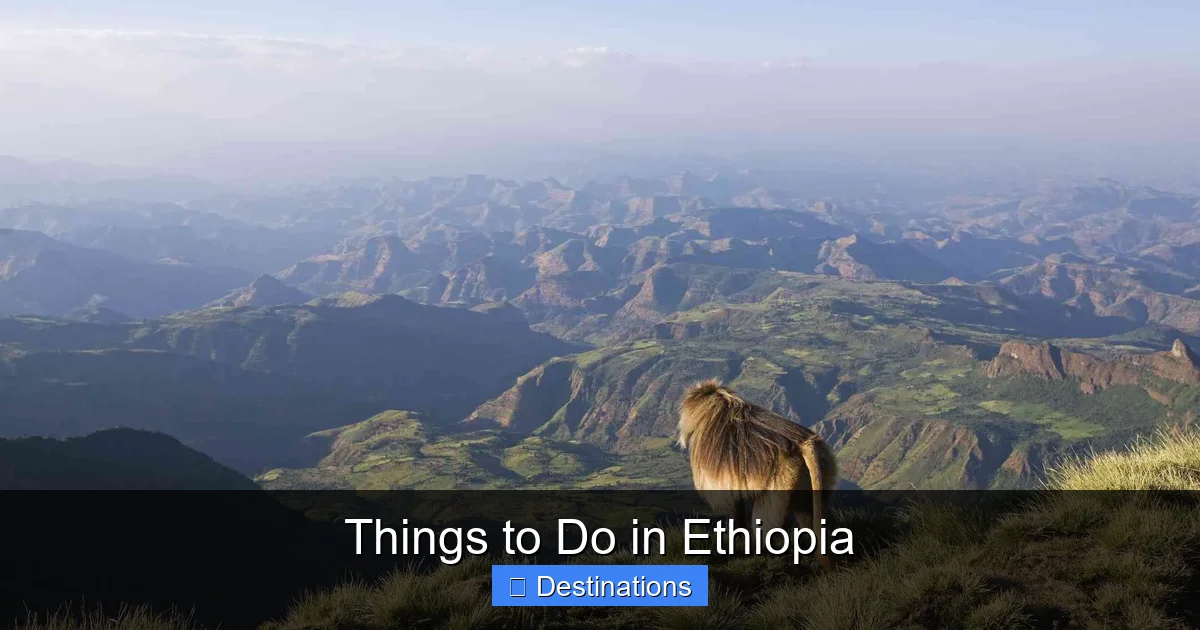
- Trek in dramatic landscapes: Hike the Simien Mountains, home to the endangered gelada baboon and jaw-dropping cliffside escarpments.
- Immerse in culture: Experience Timkat (Epiphany), one of Africa’s most colorful and spiritual festivals, celebrated with processions and blessings.
- Discover unique wildlife: Spot rare animals like the Ethiopian wolf and walia ibex in protected national parks.
- Enjoy world-class coffee: Participate in traditional coffee ceremonies, a daily ritual central to Ethiopian social life.
- Visit historic Addis Ababa: Tour the National Museum, Unity Park, and vibrant Merkato market in Africa’s diplomatic capital.
- Travel off the beaten path: Discover remote highlands, ancient obelisks in Axum, and serene blue lakes like Chamo and Abaya.
Quick Answers to Common Questions
What is the best time to visit Ethiopia?
The ideal time is during the dry season, from October to February, when the weather is pleasant and outdoor activities like hiking and sightseeing are most enjoyable.
Do I need a visa to enter Ethiopia?
Yes, most travelers need a visa. However, citizens from over 100 countries can obtain an e-Visa online before arrival, making the process quick and convenient.
Is Ethiopia safe for tourists?
Yes, Ethiopia is generally safe for tourists. As with any destination, it’s wise to stay aware of your surroundings, avoid isolated areas at night, and follow local advice.
What currency is used in Ethiopia?
The Ethiopian Birr (ETB) is the official currency. ATMs are available in major cities, but it’s best to carry cash for rural areas.
Can I drink the tap water in Ethiopia?
It’s not recommended. Stick to bottled water to avoid stomach issues. Most accommodations provide safe drinking water.
📑 Table of Contents
Explore Ancient Rock-Hewn Churches in Lalibela
One of the most extraordinary things to do in Ethiopia is visit Lalibela, a UNESCO World Heritage Site that feels more like a sacred dream than reality. In the 12th century, King Lalibela commissioned the construction of 11 monolithic churches, all carved directly from volcanic rock and still standing today. These churches are not just architectural marvels—they’re still active places of worship, drawing pilgrims from across the Orthodox Christian world.
Find the Best Accommodation Deals
Compare prices from multiple booking platforms and find the best option for your stay.
Compare Hotel PricesWhy Visit Lalibela?
- Engineering brilliance: The churches were built without modern tools, using only iron picks and wooden wedges.
- Spiritual significance: Many believe the churches were created to provide a “New Jerusalem” for pilgrims who couldn’t travel to the Holy Land.
- Accessible hiking: Explore the churches via a walking circuit around the town, passing through lush forests and ancient pathways.
Tip: Visit during the dry season (October to February) for clear skies and comfortable hiking conditions. Hire a local guide to learn the deeper stories behind each church.
Hike the Spectacular Simien Mountains
Find the Best Accommodation Deals
Compare prices from multiple booking platforms and discover the best stay options available.
⭐ Trusted by thousands of travelers
💰 Budget to luxury options available
Visual guide about Things to Do in Ethiopia
Image source: tripsavvy.com
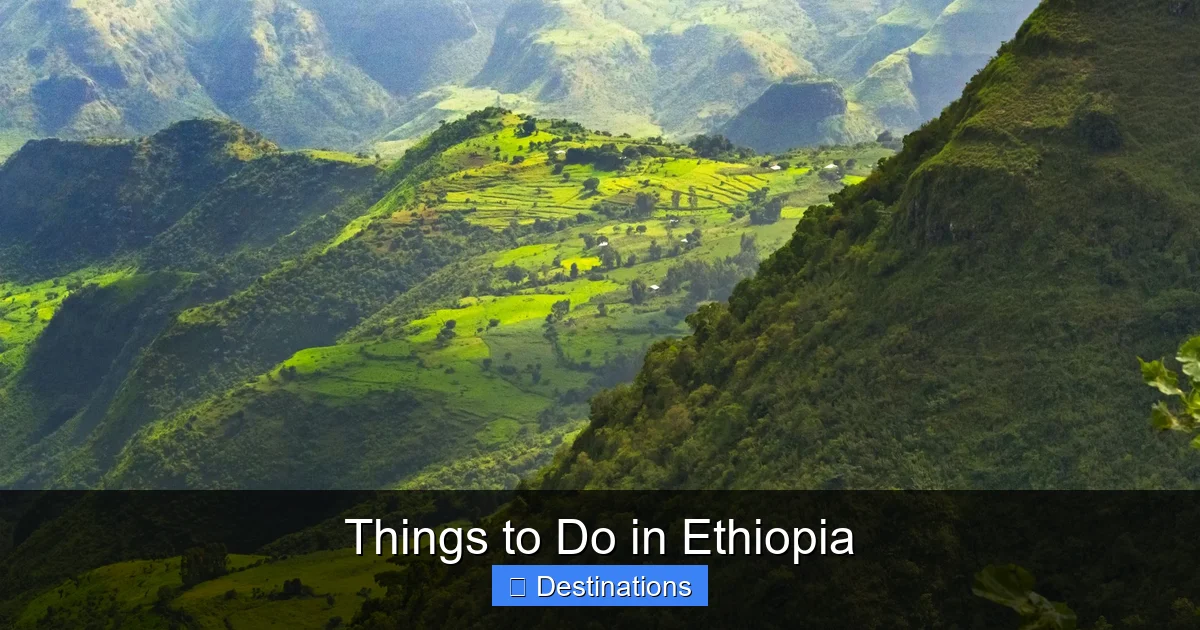
If you love dramatic landscapes and high-altitude trekking, the Simien Mountains National Park is a must-see. This UNESCO-listed region is a geological wonder, featuring jagged peaks, deep valleys, and sweeping plateaus that rise over 4,000 meters. It’s one of the best places in Ethiopia to experience raw, untouched nature.
Best Stay Deals Available
Compare prices across top booking platforms and find the best deal for your stay.
Check Available RoomsTop Hiking Trails
- Mount Ras Dashen: The highest peak in Ethiopia (4,550m), best attempted with a trained guide.
- Shewa Robit Loop: A moderate 2-day hike offering views of the “Kidney Lakes” and rare wildlife.
- Chenek Lake: A shorter, family-friendly trail with stunning reflections of the surrounding cliffs.
Wildlife lovers will be thrilled to spot the gelada baboon—a unique primate found nowhere else—and possibly the elusive walia ibex, Ethiopia’s national animal. The park’s biodiversity is as impressive as its scenery.
Witness the Colorful Timkat Festival
Visual guide about Things to Do in Ethiopia
Image source: tripsavvy.com
No trip to Ethiopia is complete without experiencing Timkat, the country’s most vibrant and spiritual celebration. Held every January to mark Epiphany, Timkat blends religious devotion with dazzling public spectacle. The festival begins with the “raising of the cross,” when a replica of Jesus’s baptismal cross is carried through the streets in a grand procession.
What to Expect at Timkat
- Processions and music: Thousands march with lit torches, drums, and chanting, creating a hypnotic atmosphere.
- Water blessing: The “miraculous” water from a holy spring is poured over the cross and distributed to the faithful.
- Community spirit: Locals dress in white, share meals, and celebrate with joy and reverence.
Note: Timkat is most famously celebrated in Gondar and Addis Ababa. If you’re visiting in January, plan ahead—accommodations fill up fast.
Discover the Historic City of Axum
Visual guide about Things to Do in Ethiopia
Image source: tripsavvy.com
Axum, once the heart of the ancient Aksumite Empire, is where Ethiopia’s Christian and imperial legacy began. This city is home to towering obelisks, the ruins of ancient palaces, and the legendary Ark of the Covenant—though its exact whereabouts remain a mystery.
Must-See Sites in Axum
- Stelae Field: Massive stone pillars, some over 20 meters tall, once marked royal tombs.
- Church of St. Mary of Zion: Believed to house the Ark of the Covenant, this church is off-limits to non-Christians.
- Debre Damo Monastery: A cliffside monastery accessible only by rope, dating back over 1,500 years.
Axum is perfect for history buffs and those interested in ancient civilizations. Combine your visit with a stop in the nearby village of Yeha, home to Ethiopia’s oldest known temple.
Relax by the Blue Lakes of Ethiopia
Ethiopia’s highlands are dotted with serene, crystal-clear lakes that offer peaceful escapes from the bustling cities. Lake Tana, the largest in the country, is not only a scenic beauty but also a cultural treasure—its 37 islands are home to ancient monasteries that visitors can explore by boat.
Top Lakes to Visit
- Lake Tana: Take a boat tour to see 15th-century monasteries like Ura Kidane Mehret.
- Lake Chamo: Known for its crocodile population and views of the Simien Mountains.
- Lake Abaya: Ethiopia’s second-largest lake, surrounded by hot springs and traditional villages.
For a unique experience, stay in a lakeside guesthouse and enjoy fresh fish grilled over an open fire. These tranquil settings are ideal for reflection, photography, or simply watching the sunset over the water.
Experience the Coffee Ceremony
Ethiopia is the birthplace of coffee, and no cultural experience is more authentic than participating in a traditional coffee ceremony. This ritual, often held in the late afternoon, is a symbol of hospitality and community. The process involves roasting green coffee beans over hot coals, grinding them by hand, and brewing in a clay pot called a *jebena*.
What Happens During the Ceremony?
- Roasting: Green beans are roasted until they crackle and release a rich aroma.
- Brewing: The coffee is steeped three times—each round called *abol*, *tona*, and *baraka* (blessing).
- Sharing: Coffee is served with popcorn or snacks, and conversation flows freely.
This ceremony can last up to two hours and is a treasured daily ritual in rural and urban homes alike. If you’re invited, accept with both hands and engage warmly—it’s a sign of respect.
Explore Addis Ababa’s Cultural Heart
As Ethiopia’s capital, Addis Ababa is a vibrant mix of history, modernity, and culture. From the National Museum, home to the famous Lucy fossil, to the bustling Merkato—Africa’s largest open-air market—the city offers endless discovery.
Top Attractions in Addis Ababa
- National Museum: See 3.2-million-year-old “Lucy,” one of humanity’s oldest ancestors.
- Unity Park: A peaceful green space with a towering statue of Emperor Haile Selassie.
- Merkato Market: Haggle for spices, textiles, jewelry, and souvenirs in this chaotic, colorful hub.
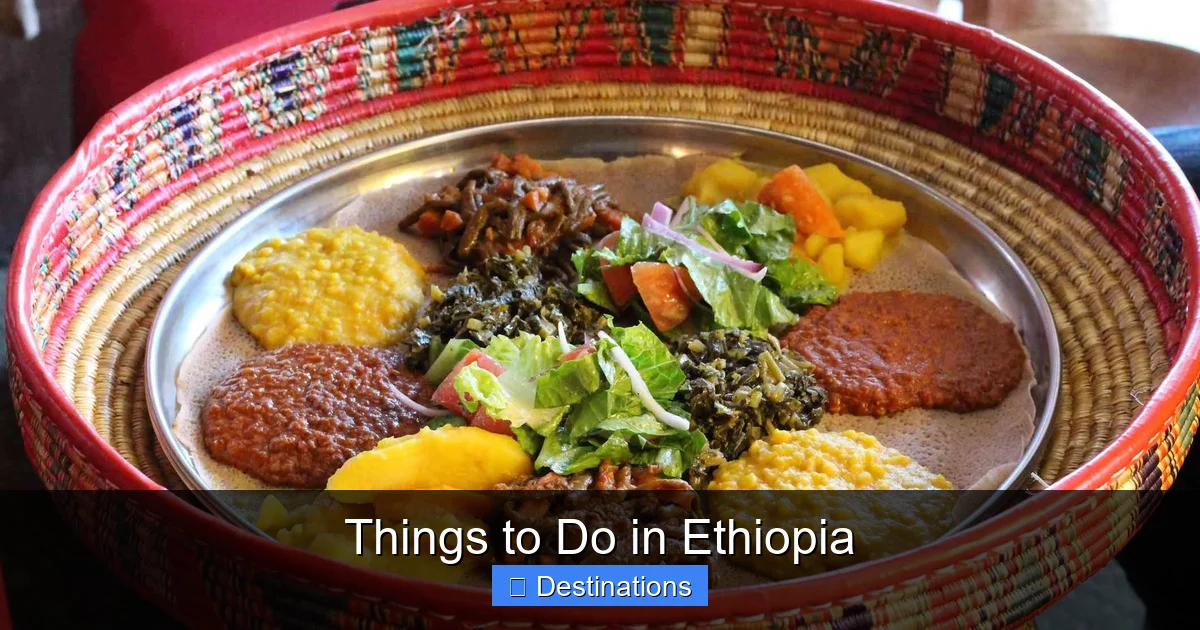
Don’t miss the chance to visit a local *mesob* (Ethiopian dining table) and try *injera*—a spongy flatbread served with *wot* (stews). Pair your meal with a glass of *tej* (honey wine) for an authentic taste of Ethiopia.
Frequently Asked Questions
What are the top things to do in Ethiopia for first-time visitors?
First-time visitors should prioritize Lalibela’s churches, a trek in the Simien Mountains, and a visit to Addis Ababa’s National Museum. These experiences showcase Ethiopia’s history, nature, and culture in one trip.
How can I get around Ethiopia?
Domestic flights connect major cities. For shorter distances, hire a private driver or use shared taxis. Public buses are available but can be crowded. Roads in rural areas may be rough, so plan accordingly.
Is hiking in the Simien Mountains safe?
Yes, with a certified guide. The terrain can be challenging, and altitude sickness is a risk. Always acclimatize and carry essentials like water and a first-aid kit.
What should I wear in Ethiopia?
Dress modestly, especially in rural areas and religious sites. Light, breathable clothing is best for the highlands, while warmer layers are needed at higher elevations.
Can I visit Ethiopia year-round?
Yes, but the best time is during the dry season. The rainy season (June to September) brings lush landscapes but can make travel difficult in remote areas.
What is the food like in Ethiopia?
Ethiopian cuisine centers around *injera* and *wot*. Dishes vary by region but often include lentils, meat, and spices. Don’t miss trying *doro wat* (spicy chicken stew) and *kitfo* (minced beef).