
Cambodia is a land of ancient wonders, vibrant culture, and breathtaking landscapes. From the iconic Angkor Wat to the laid-back streets of Siem Reap, every corner tells a story. Whether you’re a history buff, nature lover, or foodie, Cambodia offers rich experiences that blend adventure, spirituality, and local charm.
Cambodia is one of Southeast Asia’s most captivating destinations—a country where ancient temples rise from jungle, colonial charm blends with tropical heat, and every meal is a flavorful journey. Whether you’re drawn to the grandeur of Angkor Wat, the laid-back vibes of coastal islands, or the rich tapestry of Khmer culture, Cambodia offers unforgettable experiences at every turn. With its affordable prices, friendly locals, and diverse landscapes, this Southeast Asian gem is perfect for travelers seeking both adventure and authenticity.
Check the latest prices and available rooms before they sell out.
From the bustling streets of Phnom Penh to the serene rice paddies of Battambang, Cambodia invites you to slow down and truly connect. You’ll find that the country’s true magic lies not just in its landmarks, but in the daily life of its people—the farmers tending to flooded fields, the monks walking barefoot through the heat, and the families sharing meals under the stars. Whether you’re planning a two-week itinerary or a quick cultural escape, Cambodia promises memories that last a lifetime.
Key Takeaways
- Explore Angkor Archaeological Park: Spend days uncovering over 70 temples, including the world-famous Angkor Wat, built in the 12th century.
- Visit the Killing Fields and Tuol Sleng Genocide Museum: Reflect on Cambodia’s history with poignant, educational visits to memorial sites in Phnom Penh.
- Take a Mekong River Cruise: Float through rural life, visit floating villages, and enjoy sunsets over the water in places like Battambang.
- Trek in the Cardamom Mountains: Discover biodiversity, waterfalls, and indigenous communities deep in Cambodia’s wild southern highlands.
- Experience Khmer Cuisine: Try iconic dishes like amok, num pang, and fresh fish with herbs—don’t miss street food in Siem Reap or Phnom Penh.
- Relax on Koh Rong Samloem: Escape to powdery white beaches and crystal-clear waters perfect for snorkeling and sunset cocktails.
- Witness the Royal Palace and Silver Pagoda: Marvel at traditional Khmer architecture and Buddhist art in Cambodia’s capital city.
Quick Answers to Common Questions
What is the best time to visit Cambodia?
November to February is ideal, with cool, dry weather perfect for exploring temples and outdoor activities.
How do I get around Cambodia?
Tuk-tuks, motorbikes, and buses are common. For longer distances, consider domestic flights or private transfers.
Is Cambodia safe for tourists?
Yes, Cambodia is generally safe for travelers. Just stay aware of your belongings and avoid isolated areas at night.
What should I wear in Cambodia?
Cover shoulders and knees when visiting temples. Light, breathable clothing is best due to the tropical climate.
How do I respect local customs?
Remove shoes before entering temples, avoid touching people’s heads, and dress modestly to show respect.
📑 Table of Contents
- 1. Discover the Temples of Angkor
- 2. Experience the Rich History of Phnom Penh
- 3. Cruise the Mekong River
- 4. Trek in the Cardamom Mountains
- 5. Relax on Cambodia’s Islands
- 6. Savor Khmer Cuisine
- 7. Explore Battambang Province
- 8. Witness the Royal Ceremonies
- 9. Adventure in the Wild
- 10. Capture the Sunset at Phnom Bakheng
1. Discover the Temples of Angkor
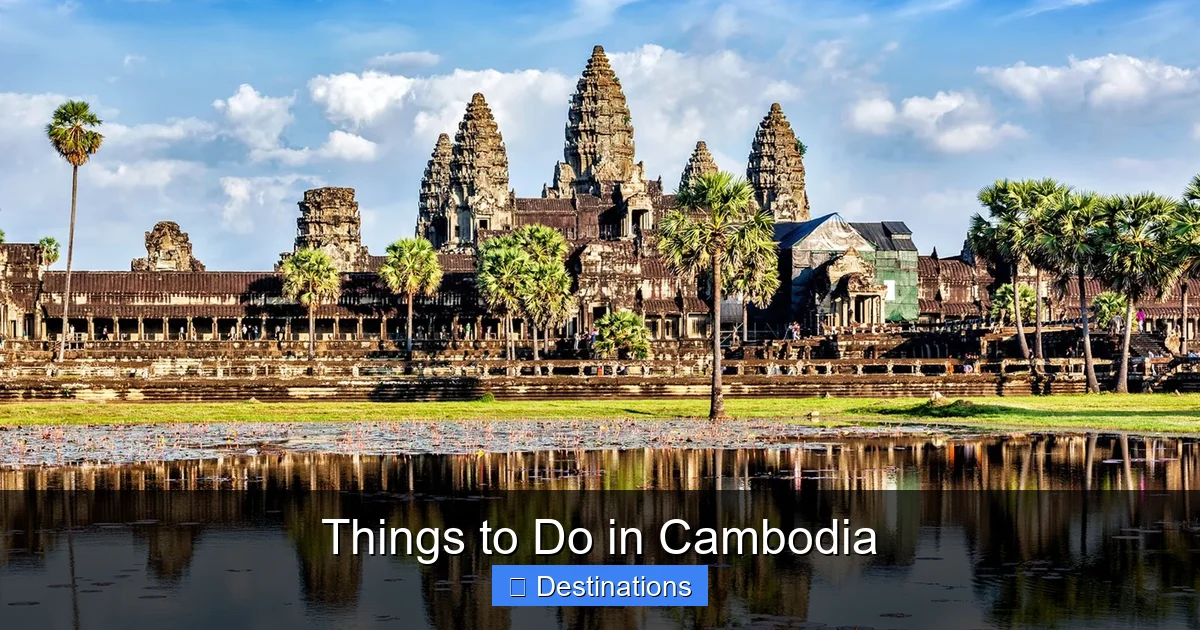
No trip to Cambodia is complete without visiting the Angkor Archaeological Park, a UNESCO World Heritage Site that spans over 400 square kilometers. At its heart lies Angkor Wat, the largest religious monument in the world and a masterpiece of Khmer architecture. Built in the 12th century by King Suryavarman II, this temple complex blends Hindu and Buddhist influences and is best explored early in the morning to avoid crowds and capture golden sunrise light.
Find the Best Accommodation Deals
Compare prices from multiple booking platforms and find the best option for your stay.
Compare Hotel PricesBeyond Angkor Wat, the park includes lesser-known gems like Bayon Temple, famous for its enigmatic stone faces, and Ta Prohm, where roots of ancient trees have swallowed entire buildings—giving it a mystical, overgrown beauty. To make the most of your visit, consider hiring a knowledgeable guide or joining a small-group tour. Cycling through the temple grounds is also a popular and eco-friendly way to explore.
Tips for Visiting Angkor
- Buy a 3-day pass—it’s worth it for flexibility and fewer crowds.
- Wear a hat and bring plenty of water; the sun can be intense.
- Respect dress codes: cover shoulders and knees at all temples.
- Visit Ta Prohm at sunrise for fewer tourists and magical lighting.
2. Experience the Rich History of Phnom Penh
Find the Best Accommodation Deals
Compare prices from multiple booking platforms and discover the best stay options available.
⭐ Trusted by thousands of travelers
💰 Budget to luxury options available
Visual guide about Things to Do in Cambodia
Image source: a.cdn-hotels.com
While Siem Reap steals the spotlight, Phnom Penh—the capital—offers a deeper look into Cambodia’s modern history and cultural soul. Start your day at the Royal Palace, a stunning complex of golden spires and red brick buildings that served as the residence of the Cambodian monarchs. Nearby, the Silver Pagoda (Wat Phnom) houses priceless Buddha statues made of gold and jewels, and is a peaceful place to reflect.
Best Stay Deals Available
Compare prices across top booking platforms and find the best deal for your stay.
Check Available RoomsDon’t miss the Tuol Sleng Genocide Museum, once a high school turned interrogation center during the Khmer Rouge regime. The haunting exhibits—black-and-white photos of victims and preserved classrooms—offer a sobering but essential reminder of the country’s past. Just a short tuk-tuk ride away, the Choeung Ek Killing Fields serve as a memorial to the over 17,000 people executed during that dark period.
Evening in Phnom Penh
As the sun sets, head to the riverside area for dinner with views of the Mekong River. Try local favorites like prahok ktis (fermented fish paste) or fresh river fish with kroeung (a fragrant herb paste). In the evening, the riverside comes alive with food stalls, live music, and boat rides—perfect for unwinding after a day of history.
3. Cruise the Mekong River
Visual guide about Things to Do in Cambodia
Image source: travellingking.com
One of the most unique experiences in Cambodia is a cruise along the Mekong River, especially in Battambang Province. This region, known for its French colonial architecture and scenic countryside, offers a slower pace of life and stunning rural landscapes. Take a longtail boat or a small cruise to floating villages like Koh Kea Trei, where you can watch fishermen cast nets, children play in the water, and vendors sell fresh fruit.
A Mekong cruise is also a great way to see traditional Cambodian life up close. You might visit a local family, learn how they make palm sugar, or enjoy a simple lunch of rice and fish served on the riverbank. Many tours include visits to local markets and silk farms, where artisans hand-weave beautiful fabrics using ancient techniques passed down for generations.
Best Time for a Mekong Cruise
The dry season (November to March) offers calm waters and clear skies, making it the ideal time to explore. Avoid the rainy season if you prefer less humidity and more predictable boat rides.
4. Trek in the Cardamom Mountains
Visual guide about Things to Do in Cambodia
Image source: travellingking.com
For nature lovers and adventure seekers, the Cardamom Mountains offer some of Cambodia’s last remaining wilderness. Located in the southwest, this biodiverse region is home to elephants, tigers, and rare bird species. Hiking trails wind through lush forests, past cascading waterfalls, and into remote villages where indigenous communities still practice traditional ways of life.
Popular trekking routes include the one to Kirirom National Park, where you can cool off in natural pools and enjoy panoramic views from the summit. For a more immersive experience, consider a multi-day trek with a local guide and homestay. These trips often include wildlife spotting, river crossings, and learning about sustainable eco-tourism.
Eco-Tourism in Cambodia
The Cardamom Mountains are a model for responsible tourism. Many eco-lodges and conservation projects rely on visitor fees to protect endangered species and restore habitats. By choosing ethical tours, you’re helping preserve Cambodia’s natural beauty for future generations.
5. Relax on Cambodia’s Islands
After days of temples and trekking, it’s time to unwind on Cambodia’s stunning islands. Koh Rong Samloem, just off the coast of Sihanoukville, is a top choice with its powdery white sand, turquoise waters, and relaxed vibe. Rent a hammock, snorkel among coral reefs, or sip a coconut at a beachside bar as the sun sets.
For a quieter escape, visit Koh Russei (Bamboo Island), known for its untouched beaches and luxury resorts. You can also take a day trip to Koh Touch, a small island famous for its floating seafood restaurants—perfect for trying grilled fish straight off the boat.
Travel Tips for Island Hopping
- Bring reef-safe sunscreen to protect marine life.
- Pack light—many islands have limited luggage storage.
- Respect local customs and avoid disturbing wildlife.
- Book ferries in advance during peak season (November to February).
6. Savor Khmer Cuisine
Cambodian food is a delicious mix of sweet, sour, salty, and spicy—often served with fresh herbs, rice, and fermented fish sauce. Start with classics like amok, a coconut milk-based curry steamed in banana leaves, or num pang, a tangy noodle soup with herbs and vegetables. Don’t miss street food in Siem Reap or Phnom Penh, where vendors serve everything from grilled skewers to fresh spring rolls.
For a culinary adventure, join a cooking class in Siem Reap or Battambang. Learn to make kroeung (a herb paste), stir-fry morning glory, or bake traditional Khmer bread. Many classes include a trip to a local market, where you’ll pick out ingredients like lemongrass, galangal, and fresh fish.
Must-Try Dishes
- Amok: Silky coconut curry, often with fish or chicken.
- Nom Banh Chok: Kmer noodles with fish-based green curry sauce.
- Prahok: Fermented fish paste—love it or hate it, it’s essential!
- Fresh Fruit: Mangoes, dragon fruit, and durian are abundant year-round.
7. Explore Battambang Province
Often called Cambodia’s most charming province, Battambang blends French colonial architecture with natural beauty. Walk along the Sangker River, visit the Bamboo Train—a fun and quirky ride on a small wooden train over rice paddies, or explore the 1,200-year-old Wat Ek Phnom temple, partially swallowed by jungle.
For art lovers, Battambang is home to galleries showcasing local painters and sculptors. You can also visit a coffee plantation to taste Cambodia’s growing coffee scene, or take a tuk-tuk ride through the countryside to see farmers harvesting rice under the sun.
Hidden Gems in Battambang
- Phnom Sampeou: A mountain with a network of caves, home to monks and ancient shrines.
- Kamping Puoy Reservoir: A peaceful lake perfect for kayaking and picnics.
- Local Markets: Try grilled river fish and fresh fruit smoothies.
8. Witness the Royal Ceremonies
Cambodia’s spiritual life is deeply tied to Buddhism and royal traditions. If your visit coincides with a special event, you might witness a royal procession, a temple blessing, or a water festival (Bon Om Touk). This annual event, held in October or November, celebrates the reversal of the Mekong River’s flow and is marked by boat races, fireworks, and lantern releases.
Even outside festivals, you can experience local spirituality by visiting a pagoda (wat) in the morning, when monks receive alms from locals. Wearing modest clothing and removing your shoes shows respect and deepens your cultural connection.
How to Respect Local Customs
- Never touch a monk’s head or hand.
- Women should avoid sitting too close to monks.
- Use your right hand when giving or receiving items.
- Ask before taking photos of people or religious ceremonies.
9. Adventure in the Wild
Beyond trekking, Cambodia offers unique outdoor activities. In Siem Reap, you can go ziplining over the jungle canopy or take a hot air balloon ride for aerial views of Angkor Wat. In Phnom Kulen National Park, hike to waterfalls, swim in natural pools, or visit the “River of a Thousand Lingas”—a carved stone riverbed.
For adrenaline seekers, try rock climbing in the Cardamom Mountains or kayaking down the Mekong River. These experiences let you connect with Cambodia’s wild side while supporting local guides and eco-friendly tours.
Adventure Travel Tips
- Always go with a certified guide for safety.
- Check weather conditions before outdoor activities.
- Bring insect repellent and a first-aid kit.
- Support community-based tourism initiatives.
10. Capture the Sunset at Phnom Bakheng
No visit to Angkor is complete without watching the sunset from Phnom Bakheng, a hilltop temple offering panoramic views of Angkor Wat. This is one of the most iconic spots in Cambodia, but it gets crowded—arrive early to secure a good spot and avoid the rush.
For a quieter alternative, head to Phnom Krom, another hill temple with stunning views of Tonle Sap Lake. Both offer unforgettable moments as the sun dips below the jungle, painting the sky in orange and pink.
Photography Tips
- Bring a tripod for stable sunset shots.
- Use a polarizing filter to reduce glare.
- Respect other visitors—don’t block views or use flash near temples.
- Capture the moment, but also take time to enjoy it.
In conclusion, Cambodia is a destination that rewards curiosity and open-mindedness. Whether you’re wandering through ancient ruins, tasting street food under the stars, or simply watching the Mekong River flow by, every moment here is rich with meaning. From the awe-inspiring temples of Angkor to the peaceful islands and vibrant cities, Cambodia offers a journey that touches the heart, mind, and soul. With careful planning and a spirit of adventure, your trip to Cambodia will be nothing short of magical.
Frequently Asked Questions
What are the top must-see attractions in Cambodia?
Angkor Wat, Phnom Penh’s Royal Palace, the Killing Fields, and Koh Rong Samloem are among the most popular and culturally significant sites.
Is it expensive to travel in Cambodia?
No, Cambodia is very affordable. Meals, transport, and accommodations are budget-friendly, especially outside major tourist areas.
Do I need a visa to visit Cambodia?
Most travelers need a visa. You can apply online for an e-visa or get one upon arrival at major airports and border crossings.
Can I drink tap water in Cambodia?
It’s not recommended. Stick to bottled water to avoid stomach issues, especially in rural areas.
Are there good vegetarian food options in Cambodia?
Yes, many restaurants offer vegetarian versions of dishes like amok and num pang. Just specify “no meat” and ask about fish sauce.
How long should I stay in Cambodia?
At least 7–10 days is ideal to see Angkor, explore Phnom Penh, and enjoy the islands without feeling rushed.