
Chongqing is a city where mountains meet mighty rivers, ancient traditions blend with modern skyscrapers, and every corner offers a new adventure. Whether you love spicy food, scenic views, or cultural exploration, this guide covers must-see attractions and hidden gems. From the thrilling Yangtze River cruise to the bustling Hongyadong night market, Chongqing delivers unforgettable experiences for every traveler.
Chongqing isn’t just another stop on your Asian journey—it’s a destination that grabs you by the senses and doesn’t let go. Imagine a city built into the side of a mountain, where towering skyscrapers stand beside ancient temples, and where the Yangtze River cuts through dramatic gorges. This is Chongqing: a metropolis that blends raw natural beauty with urban energy like few other places on Earth. Whether you’re a foodie chasing the perfect bowl of spicy noodles, an adventurer craving mountain hikes, or a culture enthusiast exploring centuries-old traditions, Chongqing delivers in spades.
Check the latest prices and available rooms before they sell out.
What sets Chongqing apart is its rhythm—a constant pulse of life, movement, and flavor. The city thrives on contrast: traditional wooden stilt houses rise next to glass-and-steel towers, and the air is filled with the sizzle of street food and the chatter of millions of people. It’s chaotic, yes, but in the best way possible. You’ll find yourself laughing at a joke from a local vendor, marveling at a view from a cable car, and craving another bite of numbing-spicy hotpot before you even finish your first. Ready to dive in? Here’s your ultimate guide to the things to do in Chongqing that will make your trip unforgettable.
Key Takeaways
- Explore dramatic landscapes: Hike the Jinfo Mountain or cruise the Three Gorges for breathtaking views of China’s natural wonders.
- Indulge in local cuisine: Don’t miss authentic Chongqing hotpot and spicy snacks like “hot pot noodles” – a must for food lovers.
- Visit futuristic landmarks: See the iconic Chongqing World Trade Center and Chaotianmen Square for stunning cityscapes.
- Experience nightlife at Hongyadong: Wander through this illuminated riverside complex that looks like it’s straight out of a fantasy novel.
- Use efficient public transit: The monorail and metro make getting around easy, even without speaking Mandarin.
- Plan around weather: Summer brings heat and humidity; spring and autumn offer the most pleasant conditions for sightseeing.
Quick Answers to Common Questions
What is the best time to visit Chongqing?
Spring (March–May) and autumn (September–November) offer the most comfortable weather with mild temperatures and fewer crowds. Summer is hot and humid, while winter can be chilly and foggy.
Is Chongqing safe for tourists?
Yes, Chongqing is generally safe for tourists. Like any large city, it’s wise to stay aware of your surroundings, especially in crowded areas like night markets.
How do I get around Chongqing?
The monorail and metro system are efficient and cover most major attractions. Taxis and ride-hailing apps like DiDi are also widely available.
What should I wear in Chongqing?
Comfortable walking shoes are essential due to the city’s hilly terrain. Dress in layers, as weather can change quickly, especially near rivers or mountains.
Can I eat spicy food in Chongqing?
Absolutely! Chongqing is famous for its spicy, numbing-hotpot and street food. Start with mild options if you’re new to Sichuan cuisine, and ask locals for recommendations.
📑 Table of Contents
- 1. Take a Scenic Cruise on the Yangtze River
- 2. Wander Through Hongyadong Night Market
- 3. Indulge in Authentic Chongqing Hotpot
- 4. Hike Jinfo Mountain for Panoramic Views
- 5. Explore the Futuristic Chongqing World Trade Center
- 6. Ride the Chongqing Monorail for a Unique City View
- 7. Visit the Three Gorges Museum
- 8. Stroll Through Ciqikou Ancient Town
- 9. Enjoy Local Street Food at Qianjiang Night Market
- 10. Relax at Nanshan One Tree Hill Park
1. Take a Scenic Cruise on the Yangtze River
One of the most iconic things to do in Chongqing is cruising along the mighty Yangtze River. As the longest river in Asia and the third-longest in the world, the Yangtze offers jaw-dropping scenery that’s unlike anything else. Most visitors start their journey in Chongqing before heading downstream to the Three Gorges (Wu Gorge, Qutang Gorge, and Xiling Gorge). But even a short cruise from Chongqing gives you a front-row seat to towering cliffs, lush green hills, and sleepy villages clinging to the riverbanks.
Find the Best Accommodation Deals
Compare prices from multiple booking platforms and find the best option for your stay.
Compare Hotel PricesFor the best experience, book a Yangtze River cruise that departs from the Chaotianmen Port, the city’s main docking point. Even if you don’t make the full journey to Yichang or Shanghai, a half-day trip will leave you breathless. Pro tip: bring a light jacket—river breezes can be cool, especially in the early morning. And don’t skip the sunset cruise; the sky turns golden as the sun dips behind the mountains, creating a view that feels almost magical.
2. Wander Through Hongyadong Night Market
Find the Best Accommodation Deals
Compare prices from multiple booking platforms and discover the best stay options available.
⭐ Trusted by thousands of travelers
💰 Budget to luxury options available
Visual guide about Things to Do in Chongqing
Image source: twomonkeystravelgroup.com
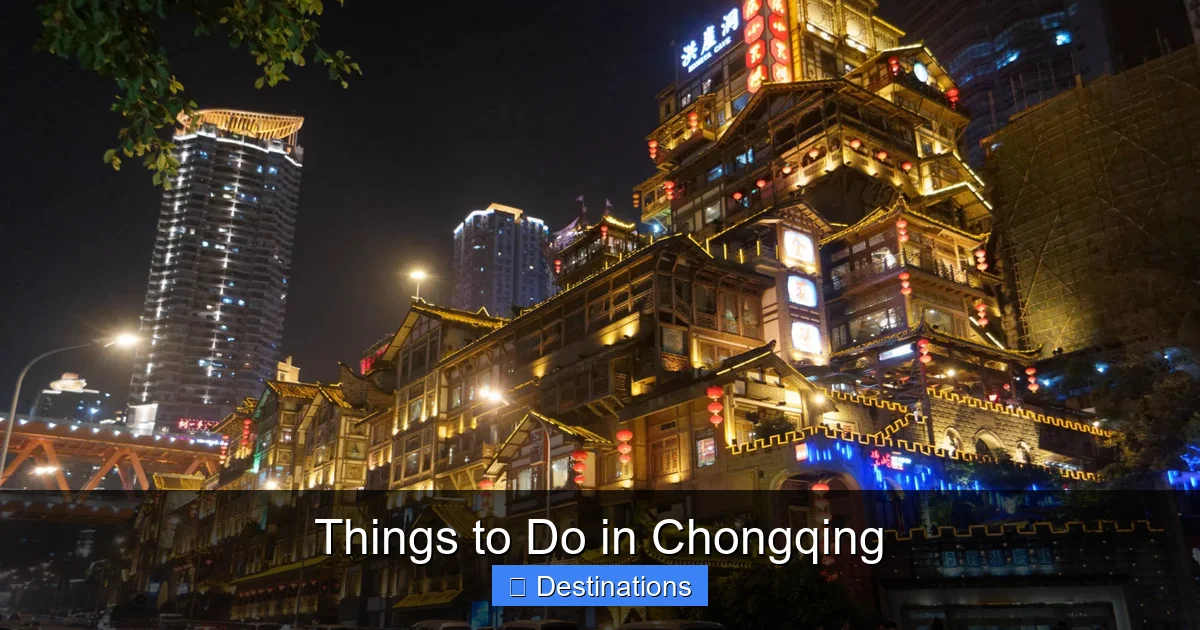
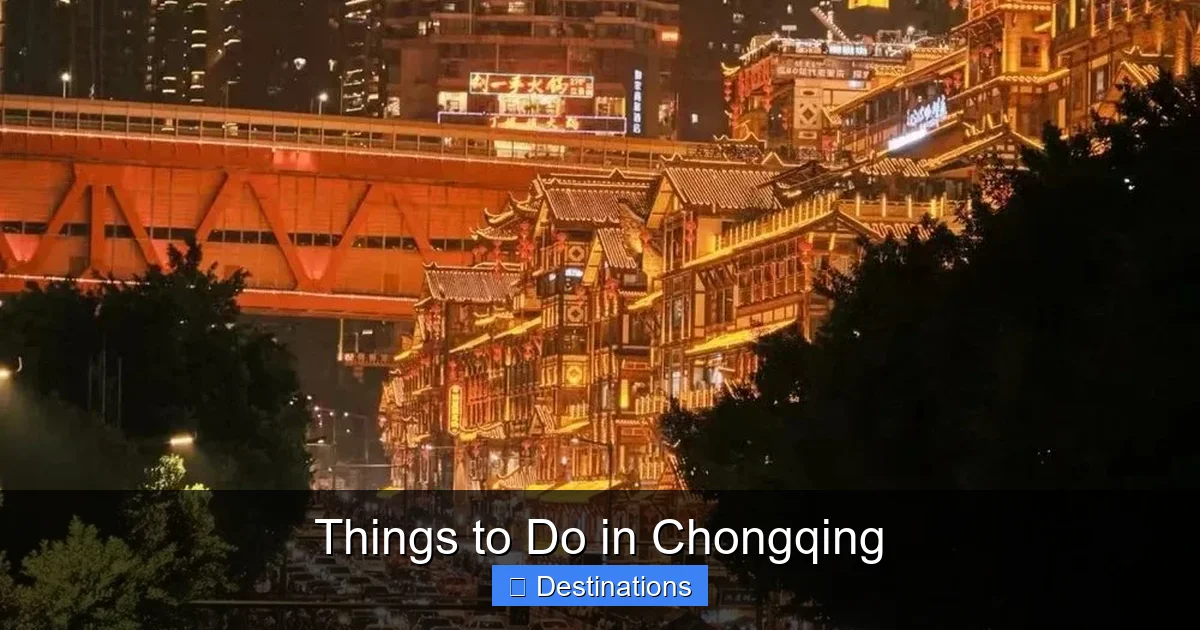
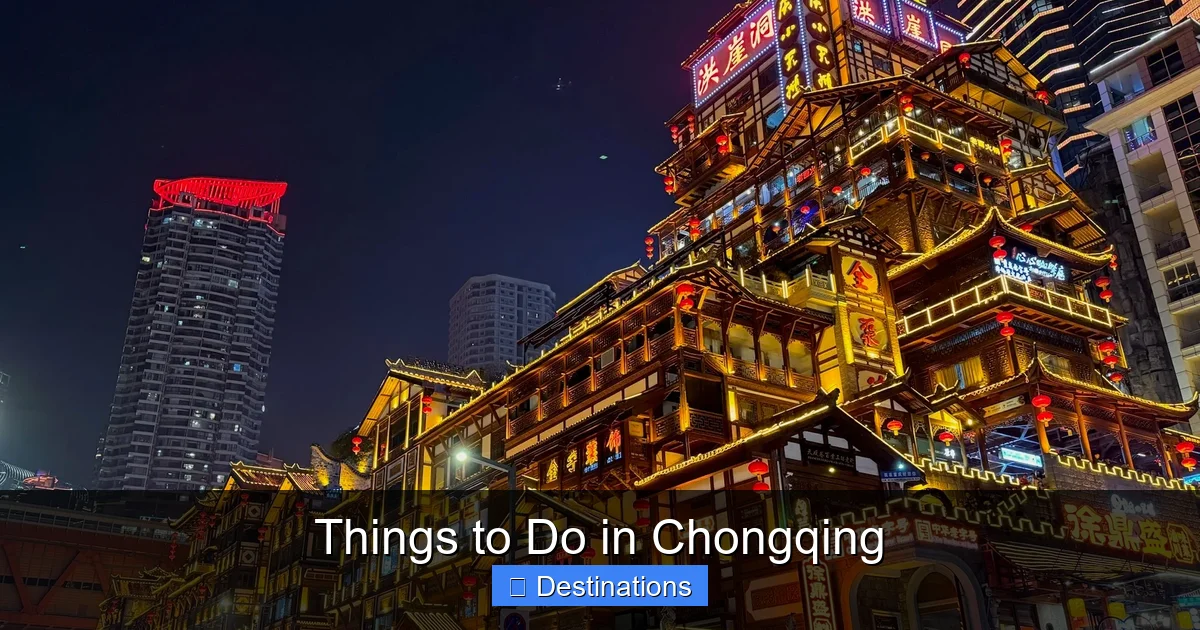
No list of things to do in Chongqing is complete without a visit to Hongyadong. This massive, multi-level complex looks like it was lifted from a fantasy movie—its traditional stilted buildings glow with thousands of lights and reflect beautifully on the Jialing River below. Built into the side of a mountain, Hongyadong is a maze of narrow alleys, artisan shops, and food stalls, all lit up at night like a lantern festival.
Best Stay Deals Available
Compare prices across top booking platforms and find the best deal for your stay.
Check Available RoomsWhat makes Hongyadong special isn’t just its stunning visuals—it’s the atmosphere. The air buzzes with laughter, the sizzle of grills, and the smell of Sichuan street food. Try the spicy tofu skewers, grilled squid, or millet wine from local vendors. If you’re visiting in winter, you’ll see steam rising from noodle bowls and hear the crackle of fire pits. The best time to go is after dark, ideally on a weekend when the crowds are at their liveliest. Just be prepared for a bit of a climb—the entrance is on the 11th floor of a building, and you’ll need to walk up several flights of stairs or take the elevator.
3. Indulge in Authentic Chongqing Hotpot
Visual guide about Things to Do in Chongqing
Image source: res.klook.com
If there’s one thing Chongqing is famous for, it’s its hotpot. Unlike the milder hotpot of other Chinese cities, Chongqing hotpot is legendary for its bold, numbing-spicy broth and fresh, high-quality ingredients. The city is dotted with tiny, no-frills hotpot restaurants where locals gather around steaming pots, laughing and chatting as they dip raw meat, vegetables, and tofu into the fiery broth.
The secret? A mix of Sichuan peppercorns (for that tingly “ma” sensation) and dried chilies (for the heat). Don’t be shy—order a medium or extra-spicy pot if you’re up for the challenge. Popular ingredients include beef tripe, silky tofu, lotus root, and fish balls. For a truly local experience, head to Xiaolongkan Hotpot or Xianglong Hotpot, both of which have been serving up authentic flavors for decades. Pair your meal with a cold local beer or green tea to balance the spice. Pro tip: sit with locals—they’ll show you how to dip your ingredients perfectly.
4. Hike Jinfo Mountain for Panoramic Views
Visual guide about Things to Do in Chongqing
Image source: travelswithelle.com
For nature lovers, one of the most rewarding things to do in Chongqing is hiking Jinfo Mountain (金佛山). Known as the “Golden Buddha Mountain,” this UNESCO Global Geopark offers dramatic limestone karst formations, lush forests, and sweeping views of the surrounding countryside. The mountain is especially beautiful in autumn when the leaves turn brilliant shades of red and gold.
The main trail, Yuntai Cliff, takes you along a narrow path that seems to float above the clouds. At the summit, you’ll find the Golden Buddha Temple, an ancient Buddhist site with stunning architecture and peaceful courtyards. The hike can be challenging—especially in wet weather—but the views from the top are worth every step. If you’re not up for the full hike, consider the Jinfo Mountain Cable Car, which whisks you up the mountain in just a few minutes. Either way, Jinfo Mountain offers a refreshing escape from the city’s hustle and a chance to connect with nature.
5. Explore the Futuristic Chongqing World Trade Center
Chongqing isn’t just about mountains and rivers—it’s also a city of innovation and skyline ambition. At the heart of this modernity is the Chongqing World Trade Center, one of the tallest buildings in China. With 101 floors and a height of over 470 meters, this skyscraper isn’t just a symbol of economic growth—it’s a must-see for anyone interested in urban architecture.
The building houses offices, hotels, and retail spaces, but the real draw is the Sky Observatory on the 100th floor. On a clear day, you can see for over 100 kilometers in every direction—mountains, rivers, and the sprawling city below. The observation deck is open to the public, and tickets can be booked online in advance. Inside, you’ll also find the Chongqing Museum of the City’s Development, which offers a fascinating look at the city’s rapid transformation from a river town to a global metropolis. If you’re into photography, this is your spot—especially at golden hour when the city lights begin to twinkle.
6. Ride the Chongqing Monorail for a Unique City View
One of the most fun and practical things to do in Chongqing is riding the city’s monorail. Unlike traditional trains, the Chongqing Monorail runs above ground and through tunnels, weaving through skyscrapers, over rivers, and even through a shopping mall. It’s not just efficient—it’s a ride! The Line 2 monorail connects the city center with the airport and several major attractions, making it a great way to get around without the hassle of traffic.
Riding the monorail gives you a bird’s-eye view of the city’s verticality. You’ll see how Chongqing stacks buildings on top of each other, how rivers cut through canyons, and how life moves at full speed. The best part? The train is climate-controlled, so you can stay cool even on hot days. Pro tip: sit near the front or back of the train for the best views, and don’t forget to bring your camera. It’s one of the most unique transportation experiences in the world—and a perfect way to see Chongqing from a fresh angle.
7. Visit the Three Gorges Museum
For a deeper understanding of Chongqing’s rich history and culture, the Three Gorges Museum is a must-visit. Located near Chaotianmen, this museum offers a comprehensive look at the region’s past, from ancient times through the modern era. Exhibits cover everything from prehistoric artifacts to wartime history during the Second Sino-Japanese War, when Chongqing served as China’s temporary capital.
The museum is especially notable for its detailed displays on the construction of the Three Gorges Dam and its impact on the region. Interactive exhibits, historical documents, and even a reconstructed ancient street scene make the experience engaging for visitors of all ages. If you’re short on time, focus on the History of Chongqing and Three Gorges Dam sections—they’re the most informative. The museum is free (donations welcome), and it’s a great way to spend a rainy afternoon indoors.
8. Stroll Through Ciqikou Ancient Town
Escape the modern buzz and step back in time with a visit to Ciqikou Ancient Town, a well-preserved Ming and Qing dynasty-era town just outside Chongqing’s city center. Known as the “Ancient Town of Stone Steps,” Ciqikou features narrow cobblestone streets, traditional teahouses, and rows of artisan shops selling pottery, silk, and local crafts.
This is one of the most authentic things to do in Chongqing for culture lovers. You’ll find old-time barbers giving haircuts with straight razors, tea masters performing traditional ceremonies, and families playing mahjong in the open air. The town also has a small zoo and a hilltop temple with panoramic views. It’s less crowded than Hongyadong but just as charming. Pro tip: try the pearl powder tea, a local specialty, and pick up a handmade clay teapot as a souvenir. The best time to visit is in the morning when the streets are calm and the light is soft.
9. Enjoy Local Street Food at Qianjiang Night Market
While Hongyadong is the flashy star of Chongqing’s food scene, the real heart lies in its street food markets. One standout is Qianjiang Night Market, located near the Jialing River. This bustling market comes alive after dark, with hundreds of stalls offering everything from grilled meats to hand-pulled noodles and sweet desserts.
Don’t miss the stinky tofu (yes, it smells funky but tastes amazing), spicy crayfish, and rice wine dumplings. The atmosphere is electric—music plays, kids run around, and the smell of sizzling food fills the air. It’s a great place to mingle with locals and experience everyday life in Chongqing. Bring cash, wear comfortable shoes, and be ready to haggle a little for the best deals. If you’re visiting with kids, they’ll love the colorful stalls and playful energy.
10. Relax at Nanshan One Tree Hill Park
After a day of sightseeing, unwind at Nanshan One Tree Hill Park, a peaceful retreat just outside the city center. This park is named after the lone tree that once stood on the hill—now replaced by a small garden, but the name stuck. The park offers lush greenery, walking paths, and quiet spots perfect for reflection.
One of the best features is the Observation Deck, which provides 360-degree views of Chongqing’s skyline. In the evening, the city lights come alive, creating a stunning display of urban beauty. The park is especially popular with locals for weekend picnics and family outings. Bring a picnic blanket, some snacks, and enjoy the breeze. It’s a rare moment of calm in a city that never sleeps—perfect for recharging before your next adventure.
Chongqing is a city that rewards curiosity and a sense of adventure. From the fiery kick of its hotpot to the serene beauty of its mountains, every experience here is packed with surprise. Whether you’re cruising the Yangtze, wandering through ancient alleys, or simply soaking in the skyline from a monorail, you’ll leave with memories that last a lifetime. The city’s energy is infectious—its people are warm, its food is bold, and its landscapes are unforgettable.
The best part? There’s always something new to discover. Maybe you’ll stumble upon a hidden temple, taste a snack you’ve never heard of, or strike up a conversation with a local who shows you a spot no guidebook mentions. That’s the magic of Chongqing—it’s not just a destination; it’s a feeling. So pack your bags, bring your appetite, and get ready to experience the best things to do in Chongqing that this incredible city has to offer.
Frequently Asked Questions
What are the top things to do in Chongqing for first-time visitors?
First-time visitors should prioritize Hongyadong for its stunning night views, a Yangtze River cruise, and a taste of authentic hotpot. These experiences capture the city’s spirit and energy.
How long should I stay in Chongqing?
At least 3–4 days is ideal to explore major attractions like Hongyadong, Ciqikou, Jinfo Mountain, and enjoy a river cruise. More time allows for deeper exploration and relaxation.
Is English widely spoken in Chongqing?
English is spoken in tourist areas, hotels, and major attractions, but not widely among the general population. Learning a few basic Mandarin phrases can be helpful.
Are there any free things to do in Chongqing?
Yes! Visit Ciqikou Ancient Town, walk along the Jialing River promenade, or relax at Nanshan One Tree Hill Park. Many scenic viewpoints and public spaces are free to access.
Can I visit the Three Gorges Dam from Chongqing?
Yes, day trips to the Three Gorges Dam are popular and can be arranged through tour operators. It’s a major engineering marvel and a key part of the region’s history.
What is the local currency in Chongqing?
The local currency is the Chinese Yuan (CNY). Credit cards are accepted in many hotels and restaurants, but cash is still widely used, especially at markets and small vendors.