
Chengdu is a city where ancient traditions meet modern energy, offering travelers unforgettable experiences. From cuddling adorable giant pandas at the Chengdu Research Base to savoring fiery Sichuan hotpot, every moment here is special. Whether you’re a food lover, culture enthusiast, or nature explorer, things to do in Chengdu will leave you inspired and eager to return.
Key Takeaways
- Home to giant pandas: Visit the Chengdu Research Base of Giant Panda Breeding to see these beloved animals up close in their natural habitat.
- Rich food culture: Don’t miss iconic dishes like mapo tofu, dan dan noodles, and hotpot—Sichuan cuisine is bold, spicy, and unforgettable.
- Ancient temples and gardens: Explore Wenshu Monastery and the peaceful Kuanzhai Alley for a mix of history, architecture, and street food.
- Modern urban energy: Check out Tianfu Square, Chunxi Road, and the Chengdu Financial City for shopping, nightlife, and skyline views.
- Day trips from Chengdu: Take a train to Mount Qingcheng or the UNESCO-listed Dujiangyan Irrigation System for nature and history in one trip.
- Unique cultural experiences: Enjoy traditional Sichuan opera face-changing shows and tea house culture for an authentic local vibe.
- Easy transportation: Use the efficient subway and Didi (ride-hailing) to get around—getting to things to do in Chengdu is simple and affordable.
Quick Answers to Common Questions
What is the best time of year to visit Chengdu?
Spring (March–May) and autumn (September–November) offer mild weather and fewer crowds. Summer can be hot and humid, while winter is cool but dry—ideal for indoor food tours and tea house visits.
Check the latest prices and available rooms before they sell out.
Is Chengdu safe for solo travelers?
Yes, Chengdu is very safe for solo travelers. The city is clean, well-organized, and English signs are common in tourist areas. Just use common sense and keep your belongings secure.
How do you get around Chengdu?
The subway system is efficient and covers most attractions. Didi (China’s ride-hailing app) is also widely used. Taxis are affordable, and bike-sharing is available in central areas.
Do I need to speak Chinese to enjoy Chengdu?
Not necessarily. Many restaurants and attractions have English menus and signs. Learning a few basic Mandarin phrases can go a long way, but translation apps are widely used and helpful.
Are there vegetarian options in Chengdu?
Absolutely. Sichuan cuisine has a strong tradition of Buddhist vegetarian dishes (called “zuo cai”). Many temples serve vegetarian meals, and restaurants often have clearly marked veg options.
📑 Table of Contents
- Things to Do in Chengdu: A City That Feels Like Home
- 1. See the Giant Pandas in Their Natural Habitat
- 2. Savor the Bold Flavors of Sichuan Cuisine
- 3. Explore Ancient Temples and Traditional Alleys
- 4. Experience Modern Chengdu: Shopping, Skyline, and Nightlife
- 5. Take a Day Trip to Nearby Natural and Cultural Wonders
- 6. Dive Into Local Life: Markets, Crafts, and Festivals
- Conclusion: Why Chengdu Should Be on Every Traveler’s List
Things to Do in Chengdu: A City That Feels Like Home
Imagine a city where every street corner serves up steaming bowls of spicy noodles, where giant pandas nap in bamboo groves, and where ancient temples sit just steps from bustling shopping districts. That’s Chengdu—a laid-back, food-obsessed capital in southwest China that’s quietly becoming one of the world’s most beloved travel destinations. Whether you’re wandering through centuries-old alleys or sipping tea in a traditional courtyard, you’ll feel a sense of calm and curiosity that makes things to do in Chengdu so special.
What sets Chengdu apart is its perfect balance of old and new. The city honors its rich history while embracing innovation, from high-speed rail links to cutting-edge art galleries. Locals here are known for their relaxed lifestyle, and you’ll quickly notice how easy it is to slow down and enjoy life. From panda watching to hotpot feasts, things to do in Chengdu aren’t just activities—they’re experiences that connect you deeply with this vibrant city.
1. See the Giant Pandas in Their Natural Habitat
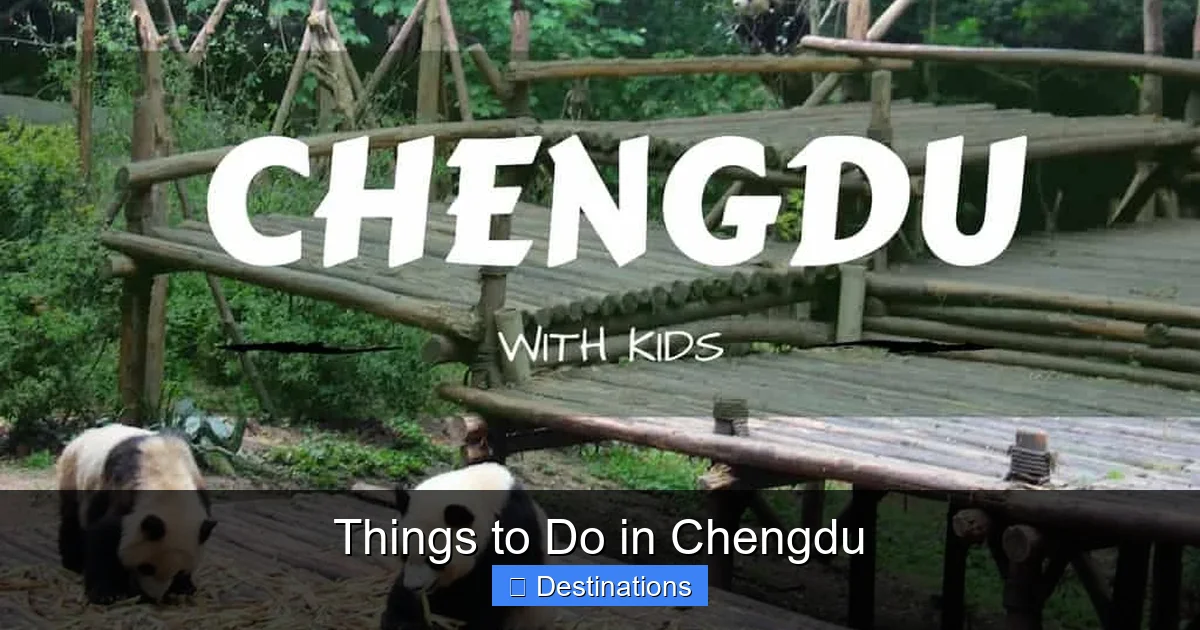
No trip to Chengdu is complete without meeting its most famous residents: the giant pandas. The Chengdu Research Base of Giant Panda Breeding is one of the best places in the world to observe these gentle giants in a semi-wild setting. Spread across 200 acres of forested hills, the base focuses on breeding and rehabilitating pandas, and visitors can watch them munch on bamboo, climb trees, or simply snooze in the sun.
Find the Best Accommodation Deals
Compare prices from multiple booking platforms and find the best option for your stay.
Compare Hotel Prices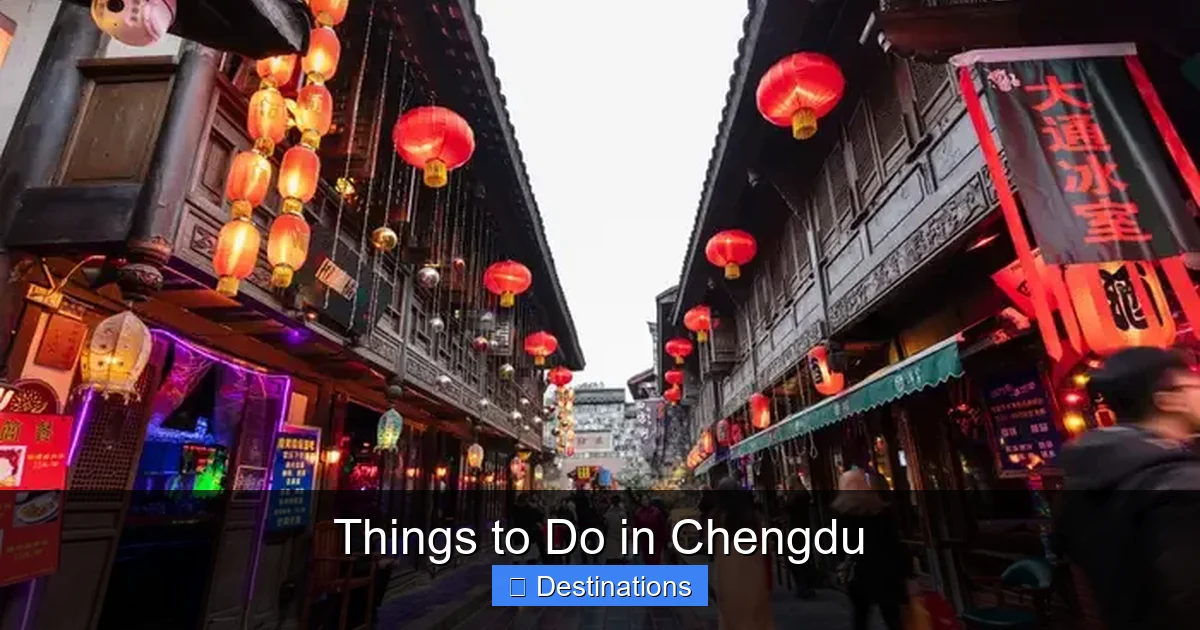
Visual guide about Things to Do in Chengdu
Find the Best Accommodation Deals
Compare prices from multiple booking platforms and discover the best stay options available.
⭐ Trusted by thousands of travelers
💰 Budget to luxury options available
Image source: assets.traveltriangle.com
Best Time to Visit
Early morning (7:30–9:30 AM) is ideal—pandas are most active during cooler hours. Arrive before 8 AM to avoid crowds and get the best viewing spots.
What to Expect
Wear comfortable shoes and bring a camera. The base is accessible by subway (Line 3 to Panda Avenue Station), and entry tickets are best booked online in advance. Don’t miss the adorable red pandas too—they’re smaller and just as playful!
Best Stay Deals Available
Compare prices across top booking platforms and find the best deal for your stay.
Check Available RoomsFor a deeper experience, consider the Panda Base Night Tour, where you can feed pandas and learn about conservation efforts. It’s a magical way to see these endangered animals up close while supporting their care.
2. Savor the Bold Flavors of Sichuan Cuisine
If you love bold, numbing, and spicy food, Chengdu is your paradise. Known as the culinary heart of China, the city offers everything from street-side dan dan noodles to elaborate hotpot feasts. The local cuisine is famous for its use of Sichuan peppercorns, chili oil, and fermented pastes that create a unique “mala” sensation—tingling and numbing at the same time.
Must-Try Dishes
- Mapo Tofu: Silky tofu in a spicy, savory sauce with ground pork.
- Dan Dan Noodles: Hand-pulled noodles tossed with chili oil, peanuts, and minced pork.
- Hotpot: A communal dining experience where you cook raw ingredients in a simmering pot of spicy broth.
- Xiaolongbao: Soup dumplings that burst with flavor—perfect for adventurous eaters.
Where to Eat
Visit Chen Mapo Tofu Restaurant for authentic mapo tofu, or head to Haidilao Hotpot for a modern twist on the classic. For a budget-friendly street food adventure, explore Tianfu Market, where you can sample dozens of snacks in one go.
Pro Tip: Learn to say “mala xiang guo” (numbing spicy pot) and don’t be afraid to ask for “less spicy” or “no chili” if you’re a spice novice. Locals appreciate your effort to try their food!
3. Explore Ancient Temples and Traditional Alleys
Chengdu’s history is woven into its streets, and nowhere is that more true than in its ancient temples and narrow alleyways. Wenshu Monastery is one of the city’s most peaceful spots—a 1,700-year-old Buddhist temple where monks chant daily and visitors can light incense or buy traditional snacks like tangyuan (sweet rice balls).
Visual guide about Things to Do in Chengdu
Image source: mumonthemove.com
Kuanzhai Alley: A Living History Lesson
This restored Qing Dynasty neighborhood is a treasure trove of old Chengdu culture. Stroll through Kuanzhai Alley, Jiu Bai Xiang Street, and Qingyang Palace to see traditional courtyards, artisan shops, and tea houses. You’ll find calligraphy artists, mask makers, and street performers adding to the lively atmosphere.
Tea House Culture
Stop by a local tea house to experience Chengdu’s famous leisure culture. Locals gather here to chat, play chess, or simply relax. Many tea houses offer zazen (silent sitting) sessions or live Sichuan opera performances in the evening.
For a deeper cultural dive, visit the Chengdu Museum, which showcases the region’s history, including artifacts from the Sanxingdui archaeological site—one of China’s most important ancient discoveries.
4. Experience Modern Chengdu: Shopping, Skyline, and Nightlife
While Chengdu honors its past, it’s also a forward-thinking metropolis with a buzzing modern side. Tianfu Square is the city’s central hub, where you can admire the giant sculpture of Mao Zedong and shop at modern malls like IFS (International Finance Square) and K11 Art Mall.
Chunxi Road: The Heart of Urban Life
This pedestrian street is lined with cafes, boutiques, and entertainment venues. At night, it transforms into a lively hotspot with street performers, live music, and neon-lit signs. It’s the perfect place to people-watch and soak in the city’s energy.
Skyline Views
For panoramic views, head to Chengdu Financial City Sky Deck on the 60th floor of the Greenland Center. The observation deck offers 360-degree views of the city, especially stunning at sunset.
Nightlife and Entertainment
Chengdu’s nightlife is diverse—from rooftop bars with craft cocktails to underground jazz clubs. Don’t miss a Sichuan opera face-changing performance at the Shu Feng Ya Yun Theater. It’s a mesmerizing blend of acrobatics, music, and rapid-fire mask changes that’s unlike anything else in the world.
5. Take a Day Trip to Nearby Natural and Cultural Wonders
Chengdu is a gateway to some of China’s most beautiful landscapes and ancient engineering feats. With high-speed trains taking just 15–30 minutes to nearby sites, day trips are easy and rewarding.
Mount Qingcheng
Just 30 minutes from the city center, this UNESCO-listed mountain is sacred to Taoism. Hike through misty forests, visit ancient temples, and breathe in the fresh mountain air. The Changdao Trail is especially scenic and well-marked.
Dujiangyan Irrigation System
Built over 2,000 years ago, this ancient water management system is still in use today—a marvel of engineering that prevented floods and irrigated farmland. Take a boat ride on the Min River and learn about its historical significance.
Jiuzhaigou Valley
For nature lovers, this UNESCO World Heritage Site is a 4-hour drive or train ride away. Known for its multi-colored lakes, waterfalls, and rare wildlife, Jiuzhaigou is like stepping into a fairy tale.
6. Dive Into Local Life: Markets, Crafts, and Festivals
To truly understand Chengdu, you need to experience its daily rhythms. Visit Jinli Ancient Street for handicrafts and souvenirs, or explore Chengdu Silk Factory to see how traditional silk is made. Watch artisans create paper-cutting, embroidery, and lacquerware right in front of you.
Seasonal Events
Check local listings for festivals like Chengdu International Panda Festival (March) or Chengdu Hotpot Festival (July). These events celebrate the city’s culture with parades, food stalls, and live performances.
Night Markets
For a late-night treat, visit Shuhe Ancient Town at night, where lanterns light the canals and vendors sell skewers, bubble tea, and hand-pulled noodles. It’s a romantic and lively atmosphere perfect for couples.
Conclusion: Why Chengdu Should Be on Every Traveler’s List
From the waddling charm of giant pandas to the fiery kick of Sichuan hotpot, things to do in Chengdu offer a perfect blend of nature, culture, and culinary adventure. This city proves that you don’t need to rush to experience something amazing—sometimes, slowing down, sipping tea, and watching the world go by is the best part of travel.
Whether you’re exploring ancient temples, dancing to opera, or simply enjoying a bowl of dan dan noodles on a rainy afternoon, Chengdu welcomes you with open arms. It’s a place where every corner holds a new discovery, and every meal feels like a celebration. If you’re looking for a destination that’s both authentic and exciting, Chengdu is the city that will stay with you long after you leave.
Frequently Asked Questions
How many days should I spend in Chengdu?
At least 3–4 days to explore the city’s main attractions like the panda base, temples, and food districts. Add a day trip to Mount Qingcheng or Dujiangyan for a fuller experience.
What is the best way to book panda base tickets?
Book online through the official Chengdu Panda Base website or authorized platforms. Tickets sell out quickly, especially on weekends and holidays.
Is it expensive to eat in Chengdu?
Not compared to major global cities. Street food costs 10–20 CNY (~$1.50–$3), while mid-range restaurants are around 50–100 CNY (~$7–$15) per person. Hotpot can be pricier but offers great value.
Can I visit the panda base with kids?
Yes! The panda base is family-friendly, with easy walking paths and educational exhibits. Kids love the pandas, and the early morning timing works well for young children.
Are there good public transport options for tourists?
Absolutely. The subway is clean, reliable, and connects all major attractions. A day pass (around 25 CNY) offers unlimited rides and is cost-effective for sightseeing.
What should I pack for a trip to Chengdu?
Comfortable walking shoes, a light jacket for evenings, and a power adapter (China uses Type A/B plugs). Bring a reusable water bottle—tap water isn’t drinkable, but filtered water is widely available.