
Asakusa is Tokyo’s oldest district, where ancient traditions meet vibrant city life. Things to do in Asakusa include visiting the iconic Senso-ji Temple, strolling Nakamise Shopping Street, and experiencing traditional performances. This area offers rich cultural immersion, delicious street food, and a peaceful escape from Tokyo’s hustle. Whether you’re a history buff, food lover, or first-time visitor, Asakusa delivers unforgettable experiences rooted in Japanese heritage.
Asakusa isn’t just a neighborhood—it’s a living museum of Tokyo’s past. Tucked between the modern skyline and the Sumida River, this historic district offers a rare glimpse into Japan’s rich cultural heritage. From the towering red lanterns of Senso-ji Temple to the narrow alleys lined with traditional shops, Asakusa invites you to slow down and savor the moment. Whether you’re wandering through centuries-old streets or sampling street food from a centuries-old vendor, things to do in Asakusa blend history, flavor, and tradition into one unforgettable experience.
Check the latest prices and available rooms before they sell out.
What makes Asakusa truly special is its accessibility. You can reach it in just 15 minutes from Tokyo Station or 20 minutes from Narita Airport via the Keisei Skyliner. Despite being surrounded by Tokyo’s fast pace, Asakusa remains a quiet sanctuary where time seems to stand still. It’s the perfect place to escape the city’s chaos and connect with something deeper—whether that’s through prayer, food, or simply watching geisha pass by in the early evening.
Key Takeaways
- Visit Senso-ji Temple: Tokyo’s oldest Buddhist temple, a must-see landmark in Asakusa with stunning architecture and spiritual significance.
- Explore Nakamise Shopping Street: A historic pedestrian street filled with traditional snacks, souvenirs, and cultural crafts.
- Experience Traditional Culture: Enjoy a kabuki performance at the Nakamura-za Theatre or try a sumo practice session.
- Try Local Street Food: Sample iconic Asakusa treats like melon pan, senbei crackers, and fresh wasabi ice cream.
- Stay in a Ryokan: Immerse yourself in Japanese hospitality by booking a stay at a traditional inn in the area.
- Take a Boat Ride: Enjoy a peaceful canal cruise along the Sumida River with views of historic buildings.
- Visit Asakusa Cultural Tourist Information Center: A helpful hub with multilingual guides and cultural exhibits.
Quick Answers to Common Questions
What is the best time to visit Asakusa?
The best time is early morning on a weekday. This way, you avoid crowds and enjoy a more peaceful experience at Senso-ji and Nakamise Street.
Can I see geisha in Asakusa?
Yes, especially in the early evening. Asakusa is one of the few places in Tokyo where you might spot geisha or maiko (apprentice geisha) walking to or from appointments.
Is Asakusa expensive?
No, Asakusa is relatively affordable. You can enjoy street food, shop for souvenirs, and visit temples for free or at a low cost.
How long should I spend in Asakusa?
Plan for at least 3–4 hours to fully explore Senso-ji, Nakamise Street, and nearby cultural spots. A full day allows time for deeper experiences like tea ceremonies or kabuki.
Is Asakusa safe?
Yes, Asakusa is one of the safest areas in Tokyo. It’s well-patrolled and attracts both tourists and locals, so you can explore with confidence.
📑 Table of Contents
- Explore Tokyo’s Oldest Temple: Senso-ji
- Stroll Through Nakamise Shopping Street
- Experience Traditional Japanese Culture
- Indulge in Asakusa’s Street Food
- Stay in a Traditional Ryokan
- Relax with a Canal Cruise
- Visit the Asakusa Cultural Tourist Information Center
- Plan Your Visit: Tips and Tricks
- Conclusion
Explore Tokyo’s Oldest Temple: Senso-ji
No trip to Asakusa is complete without visiting Senso-ji, Tokyo’s most famous and oldest Buddhist temple. Built in 645 AD, Senso-ji has stood the test of time—surviving fires, wars, and urban development. Its vibrant red lanterns and intricate architecture make it one of the most photographed spots in the city.
Find the Best Accommodation Deals
Compare prices from multiple booking platforms and find the best option for your stay.
Compare Hotel PricesWalking the Kaminarimon Gate
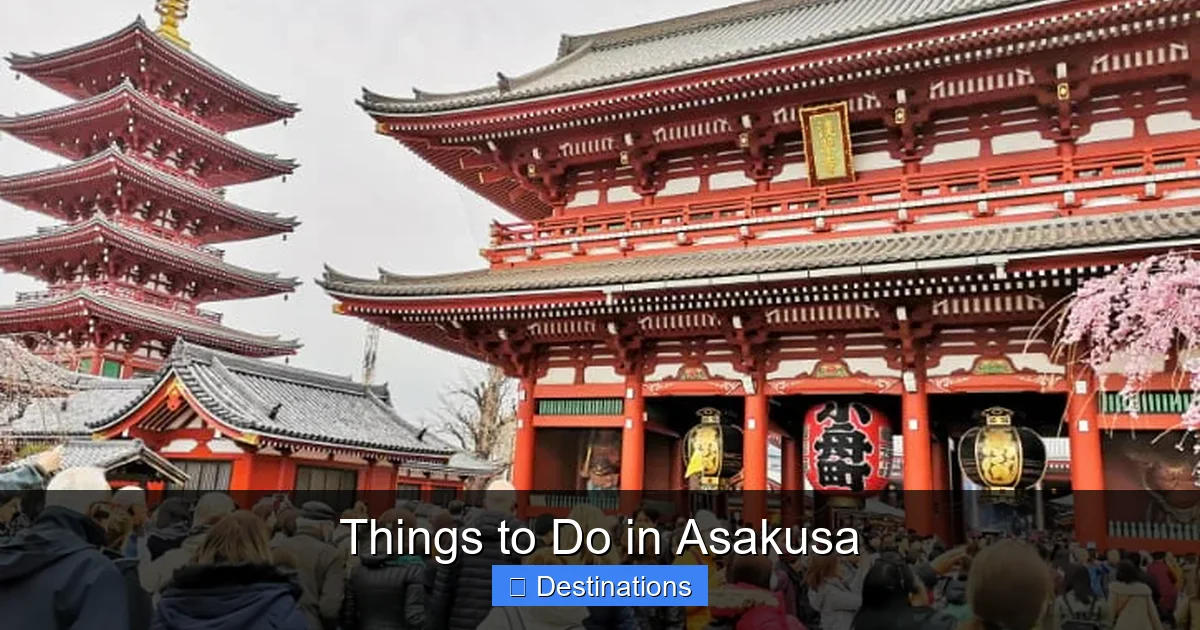
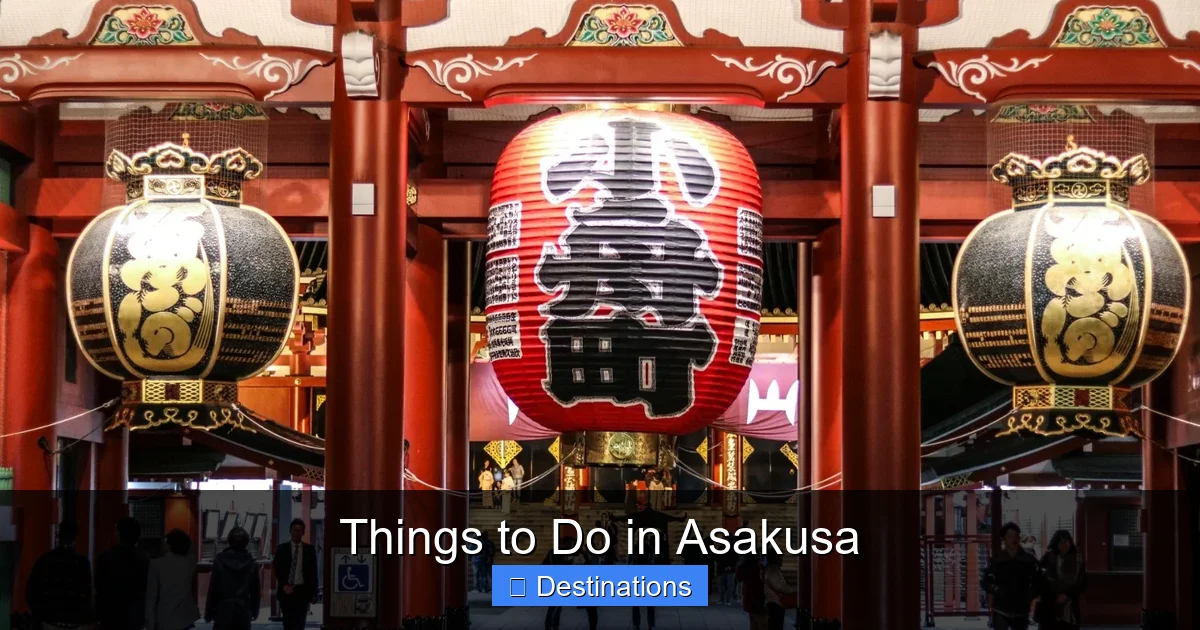
Start your visit at the Kaminarimon Gate, the temple’s iconic entrance. This massive red lantern—weighing over 700 kilograms—is one of the largest in Japan. Don’t miss climbing the stairs to see it up close and snap a photo with the giant paper thunder god, Raijin, standing guard.
Making a Wish at the Hozomon Gate
Beyond the Kaminarimon, you’ll find the Hozomon Gate, a five-story pagoda surrounded by small shops selling amulets and charms. This is the perfect spot to make a wish on your fortune slip and tie it to a bamboo tree inside the temple grounds.
Find the Best Accommodation Deals
Compare prices from multiple booking platforms and discover the best stay options available.
⭐ Trusted by thousands of travelers
💰 Budget to luxury options available
Shopping on Nakamise Street
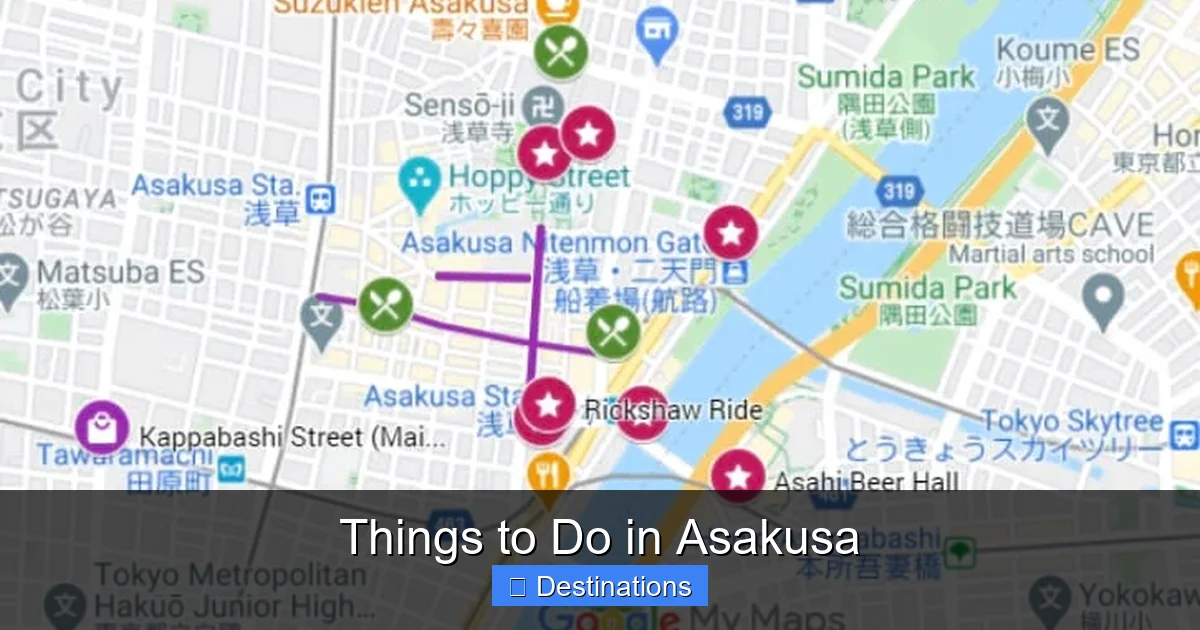
Right in front of Senso-ji lies Nakamise Shopping Street—a bustling pedestrian path lined with over 120 shops. This historic shopping street dates back to the Edo period and is filled with traditional snacks like dango (sweet rice dumplings), senbei (rice crackers), and amazake (sweet rice drink). It’s also the best place to pick up souvenirs like wooden geta clogs, fans, and handmade crafts.
Stroll Through Nakamise Shopping Street
Visual guide about Things to Do in Asakusa
Best Stay Deals Available
Compare prices across top booking platforms and find the best deal for your stay.
Check Available RoomsImage source: preparetravelplans.com
Nakamise Street is more than just a shopping destination—it’s a journey through time. Every step brings you closer to the past, with vendors selling treats and items that have been part of Asakusa’s culture for centuries. You’ll find everything from lucky charms to traditional sweets, all wrapped in beautifully illustrated packaging.
Must-Try Snacks
Don’t leave without trying:
– Melon pan: A Japanese twist on a French bread, baked until golden and crispy.
– Senbei: Crispy rice crackers flavored with soy sauce or wasabi.
– Dango: Chewy rice dumplings skewered on sticks and drizzled with sweet sauce.
– Amazake: A warm, sweet rice drink perfect for chilly days.
Pro tip: Visit early in the morning or late afternoon to avoid crowds and get the freshest snacks.
Unique Souvenirs
Looking for a meaningful keepsake? Nakamise offers handmade items like:
– Hand-painted fans
– Wooden geta clogs
– Bamboo incense burners
– Lucky amulets for love, health, or success
Many shops also offer custom engraving services—ideal for personalized gifts.
Experience Traditional Japanese Culture
Visual guide about Things to Do in Asakusa
Image source: preparetravelplans.com
Asakusa is a cultural treasure trove, offering hands-on experiences that let you dive deep into Japan’s traditions. Whether you’re learning to fold origami or watching a master perform a tea ceremony, these activities make your visit truly memorable.
Attend a Kabuki Performance
The Nakamura-za Theatre, one of Japan’s oldest kabuki theaters, is located right in Asakusa. Kabuki is a classical Japanese dance-drama known for its elaborate makeup, costumes, and dramatic storytelling. Even if you don’t understand the language, the visual spectacle is breathtaking.
Tip: Book tickets in advance or check for English subtitles. Matinee shows are cheaper and often more family-friendly.
Try a Sumo Practice Session
For a unique cultural experience, visit the Sumo Wrestling Tournament Hall near Asakusa Station. While you can’t watch live matches here, you can observe morning training sessions (held early, usually before 6 AM) and learn about the sport’s traditions from friendly wrestlers.
Join a Tea Ceremony
Several cultural centers in Asakusa offer traditional tea ceremonies. You’ll learn how to prepare matcha, the powdered green tea used in Japanese rituals, while sitting on tatami mats. These sessions often include a short lesson on etiquette and the philosophy behind the practice.
Indulge in Asakusa’s Street Food
Visual guide about Things to Do in Asakusa
Image source: jw-webmagazine.com
Asakusa is a food lover’s paradise, especially when it comes to street food. The area is packed with small stalls and eateries serving dishes that have been passed down through generations. Whether you’re craving something sweet or savory, you’ll find it here.
Must-Try Dishes
– Takoyaki: Ball-shaped snacks filled with diced octopus, tempura bits, and green onion.
– Yakitori: Grilled chicken skewers seasoned with salt or tare sauce.
– Taiyaki: Fish-shaped cakes filled with sweet red bean paste or custard.
– Unagi Don: Grilled eel served over rice—rich, savory, and deeply satisfying.
Where to Eat
For a sit-down experience, try:
– Asakusa Imahan: A high-end restaurant serving exquisite unagi dishes.
– Kappabashi Street: Just a short walk from Asakusa, this street is known as “Kitchen Town” and is lined with shops selling kitchenware and food replicas.
For street food, head to:
– Asakusa En: A small alley near Senso-ji packed with food stalls.
– Nakamise Street: The best place to sample snacks on the go.
Stay in a Traditional Ryokan
For a truly immersive experience, consider staying in a traditional ryokan (Japanese inn) in Asakusa. These historic inns offer tatami-matted rooms, futon beds, and shared or private onsen (hot spring baths). Many also serve kaiseki meals—multi-course dinners showcasing seasonal ingredients.
Recommended Ryokans
– Asakusa View Hotel: Modern yet traditional, with views of the Sumida River.
– Ryokan Sawanoya: A family-run inn with a cozy atmosphere and delicious home-style meals.
Pro tip: Book well in advance, especially during cherry blossom or autumn foliage seasons.
Relax with a Canal Cruise
After a day of exploring, unwind with a peaceful boat ride along the Sumida River. Several companies operate short cruises from Asakusa to Oshiage, offering stunning views of historic buildings, modern skyscrapers, and floating markets.
Best Time for a Cruise
– Sunset: The sky glows pink and orange, reflecting off the river.
– Evening: Watch the city lights come on as you glide past illuminated temples.
Tip: Combine your cruise with a visit to the Tokyo Skytree for panoramic views of the city.
Visit the Asakusa Cultural Tourist Information Center
This helpful center, located near Asakusa Station, offers free maps, brochures, and multilingual staff. It’s the perfect starting point for your Asakusa adventure. You can also find exhibits on local history, traditional crafts, and upcoming cultural events.
What You’ll Find
– Interactive displays on Asakusa’s history
– Free Wi-Fi and charging stations
– A gift shop with local souvenirs
– English-speaking staff ready to assist
This is especially useful for first-time visitors who want to plan their day efficiently.
Plan Your Visit: Tips and Tricks
To make the most of your time in Asakusa, here are some practical tips:
Best Time to Visit
– Early morning: Senso-ji is less crowded, and the atmosphere feels more serene.
– Weekday mornings: Avoid weekends and holidays when the area gets very busy.
– Seasonal highlights: Visit during cherry blossom season (March–April) or autumn (November) for stunning scenery.
Getting There
– From Narita Airport: Take the Keisei Skyliner to Ueno Station, then transfer to the Ginza Line to Asakusa Station.
– From Haneda Airport: Take the Tokyo Monorail to Hamamatsucho, then transfer to the JR Yamanote Line to Asakusa.
– Walking: From Ueno, it’s a 15-minute walk through quiet streets.
What to Bring
– Comfortable walking shoes
– A reusable bag for souvenirs
– Cash (many small vendors don’t accept cards)
– A camera to capture the vibrant colors and details
Dress Code
While there’s no strict dress code, modest clothing is appreciated at temples. Avoid overly revealing outfits.
Conclusion
Asakusa is more than just a destination—it’s a feeling. It’s the warmth of a vendor handing you a steaming senbei, the quiet reverence inside Senso-ji Temple, and the lively energy of Nakamise Street. Whether you’re here for a day or a week, things to do in Asakusa offer something for everyone. From cultural immersion to culinary delights, this historic district invites you to connect with the soul of Japan.
So pack your curiosity, lace up your walking shoes, and get ready to explore one of Tokyo’s most enchanting neighborhoods. Asakusa doesn’t just show you the past—it makes you feel it.
For more travel inspiration, check out our Top Things To Do In Downtown Phoenix or 15 Amazing Things To Do In Connecticut.
Frequently Asked Questions
What is the best time to visit Asakusa?
The best time is early morning on a weekday. This way, you avoid crowds and enjoy a more peaceful experience at Senso-ji and Nakamise Street.
Can I see geisha in Asakusa?
Yes, especially in the early evening. Asakusa is one of the few places in Tokyo where you might spot geisha or maiko (apprentice geisha) walking to or from appointments.
Is Asakusa expensive?
No, Asakusa is relatively affordable. You can enjoy street food, shop for souvenirs, and visit temples for free or at a low cost.
How long should I spend in Asakusa?
Plan for at least 3–4 hours to fully explore Senso-ji, Nakamise Street, and nearby cultural spots. A full day allows time for deeper experiences like tea ceremonies or kabuki.
Is Asakusa safe?
Yes, Asakusa is one of the safest areas in Tokyo. It’s well-patrolled and attracts both tourists and locals, so you can explore with confidence.
Are there free things to do in Asakusa?
Yes, visiting Senso-ji Temple, walking Nakamise Street, and exploring the Sumida River promenade are all free. Many cultural centers also offer free exhibits.