
The first trimester is a time of big changes, both physically and emotionally. This guide covers must-do activities, health tips, and gentle travel ideas to help you feel your best during these early weeks of pregnancy.
Key Takeaways
- Schedule your first prenatal visit: Early checkups help monitor your health and your baby’s development.
- Start taking prenatal vitamins: Folic acid is crucial in the first trimester to support neural tube development.
- Listen to your body and rest often: Fatigue is common—prioritize sleep and short naps.
- Stay hydrated and eat small, frequent meals: This helps manage nausea and supports energy levels.
- Consider gentle travel if you feel up to it: Short trips to relaxing destinations can boost mood and reduce stress.
- Avoid alcohol, smoking, and high-risk activities: Protect your baby by making safe lifestyle choices early on.
- Connect with other expecting moms: Support groups or online communities can offer comfort and advice.
Quick Answers to Common Questions
Is it safe to travel during the first trimester?
Yes, light travel is generally safe if you’re healthy and have no complications. Choose low-stress destinations and avoid long flights or remote areas.
Check the latest prices and available rooms before they sell out.
When should I start taking prenatal vitamins?
Start as soon as you find out you’re pregnant—or even before, if you’re trying to conceive. Folic acid is especially important in the first trimester.
How can I manage morning sickness?
Eat small, frequent meals, stay hydrated, and try ginger or peppermint. Avoid strong smells and greasy foods.
Do I need to tell my employer I’m pregnant in the first trimester?
It’s up to you. Many women wait until after the first trimester, but you may need to disclose earlier if your job involves physical risks or travel.
Can I exercise during the first trimester?
Yes, gentle exercise like walking, swimming, or prenatal yoga is usually safe and beneficial. Avoid high-impact or contact sports.
📑 Table of Contents
Welcome to Your First Trimester: A Gentle Start to Pregnancy
Congratulations—you’re pregnant! The first trimester, which spans from week 1 to week 12, is a time of incredible transformation. Your body is working hard to support new life, and you might be feeling a mix of excitement, fatigue, and maybe even a little overwhelmed. That’s completely normal. While every pregnancy is different, there are several important things to do in 1st trimester to set a strong foundation for you and your baby.
This early stage is all about adaptation. Hormonal changes can bring on morning sickness, mood swings, and extreme tiredness—even if you’re not showing yet. But it’s also a great time to start building healthy habits, connecting with your healthcare provider, and preparing for the journey ahead. Whether you’re planning your first prenatal appointment or wondering if it’s safe to travel, this guide will walk you through the most important steps to take during these first few months.
Schedule Your First Prenatal Appointment
One of the most important things to do in 1st trimester is to book your first prenatal visit. This usually happens between weeks 8 and 10, but don’t wait too long—early care can make a big difference. During this appointment, your doctor or midwife will confirm your pregnancy, estimate your due date, and run basic tests like blood work and a urine sample.
Find the Best Accommodation Deals
Compare prices from multiple booking platforms and find the best option for your stay.
Compare Hotel PricesWhat to Expect at Your First Visit
Your provider will likely ask about your medical history, current medications, and lifestyle habits. They may also perform a pelvic exam and an ultrasound if needed. This is also your chance to ask questions—no matter how small they seem. Bring a list of concerns, from nausea remedies to exercise safety.

Find the Best Accommodation Deals
Compare prices from multiple booking platforms and discover the best stay options available.
⭐ Trusted by thousands of travelers
💰 Budget to luxury options available
Visual guide about Things to Do in 1st Trimester
Image source: mamanatural.com
Build a Prenatal Care Team
If you haven’t already, now is the time to choose a healthcare provider you trust. Whether it’s an OB-GYN, midwife, or family doctor, having a supportive team can ease anxiety and ensure you get consistent care throughout your pregnancy.
Best Stay Deals Available
Compare prices across top booking platforms and find the best deal for your stay.
Check Available RoomsStart Taking Prenatal Vitamins
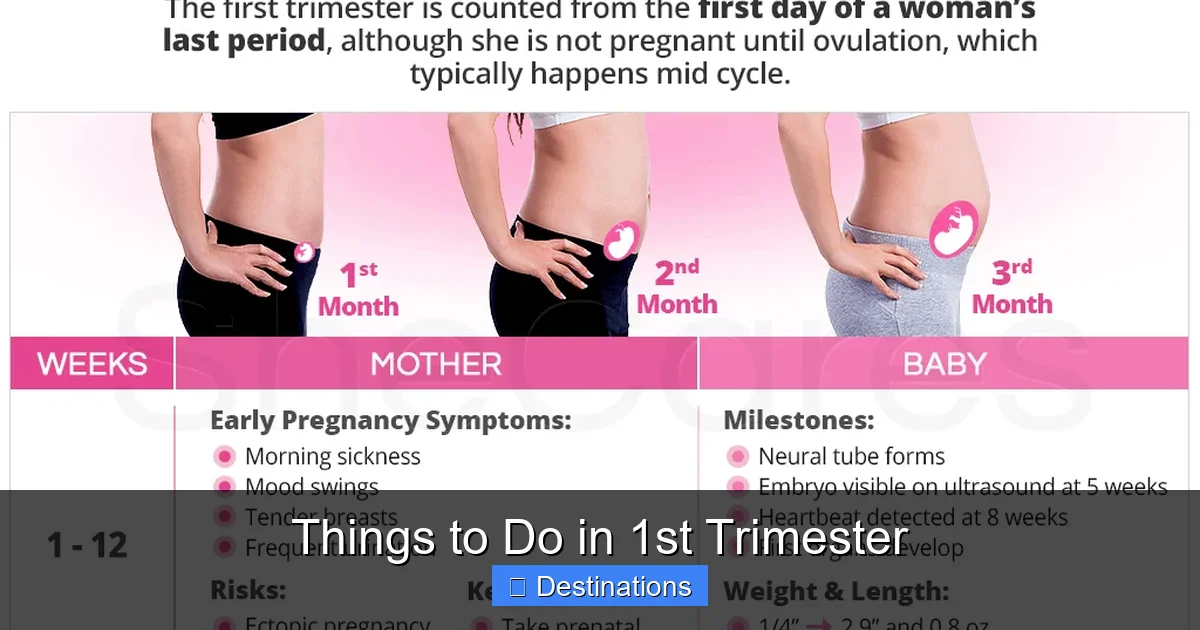
Even before you knew you were pregnant, your baby’s neural tube—which becomes the brain and spinal cord—was forming. That’s why taking folic acid early is so critical. The CDC recommends 400 to 800 micrograms of folic acid daily, ideally starting before conception and continuing through the first trimester.
What’s in a Good Prenatal Vitamin?
Look for a prenatal vitamin that includes folic acid, iron, calcium, vitamin D, and DHA (an omega-3 fatty acid). These nutrients support your baby’s development and help prevent certain birth defects. If your prenatal makes you nauseous, try taking it at night with a small snack.
Visual guide about Things to Do in 1st Trimester
Image source: shecares.com
Foods That Support Early Pregnancy
While supplements help, eating a balanced diet is just as important. Focus on whole grains, leafy greens, lean proteins, and dairy or fortified alternatives. If morning sickness is making meals difficult, try bland foods like crackers, bananas, or toast.
Listen to Your Body and Prioritize Rest
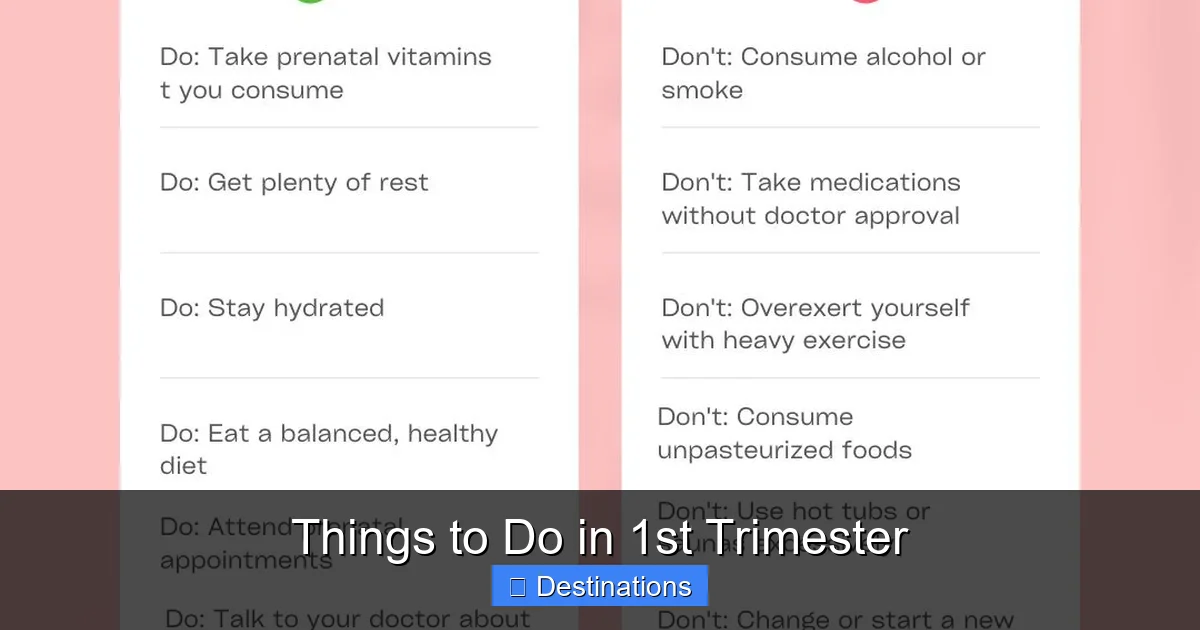
Fatigue is one of the most common symptoms in the first trimester. Your body is producing more blood, your hormones are surging, and your metabolism is speeding up—all of which can leave you feeling drained. Don’t push through it. Rest is not a luxury; it’s a necessity.
Tips for Better Sleep
Try going to bed earlier than usual, even if you’re not used to it. Use extra pillows for comfort, and keep your bedroom cool and dark. If you’re struggling with nighttime bathroom trips, limit fluids a couple of hours before bed—but stay hydrated during the day.
Visual guide about Things to Do in 1st Trimester
Image source: continentalhospitals.com
Take Short Breaks Throughout the Day
Even a 10-minute nap or quiet moment with your feet up can help. If you work at a desk, take short walks or stretch breaks. Your body is doing important work—give it the downtime it needs.
Stay Hydrated and Manage Nausea
Dehydration can worsen fatigue and nausea, so drinking enough water is essential. Aim for at least 8 to 10 glasses a day. If plain water is hard to keep down, try adding lemon, cucumber, or mint for flavor.
Combat Morning Sickness Naturally
Eat small, frequent meals to keep your stomach from getting too empty. Ginger tea, peppermint, or sour candies can also help settle your stomach. Avoid strong smells and greasy or spicy foods if they trigger nausea.
When to Call Your Doctor
While mild nausea is normal, severe vomiting, weight loss, or inability to keep fluids down could signal hyperemesis gravidarum. Don’t hesitate to reach out to your provider if you’re concerned.
Consider Gentle Travel and Relaxing Getaways
If you’re feeling up to it, light travel during the first trimester can be a wonderful way to relax and enjoy some “you” time before the baby arrives. Just avoid long flights, high-altitude destinations, or places with limited medical care.
Safe and Soothing Destinations
Coastal towns, quiet mountain retreats, or cultural cities with good healthcare nearby are great options. For a calming beach escape, consider Kuta Beach in Bali, where gentle waves and warm weather can lift your spirits. If you prefer city charm, Amsterdam offers peaceful canals, cozy cafes, and excellent medical facilities—perfect for a low-stress trip.
Travel Tips for Expecting Moms
Always carry a copy of your medical records, stay hydrated, and move around during long trips to prevent blood clots. Pack snacks, wear comfortable clothes, and don’t over-schedule your itinerary. Remember, this trip is about rest and joy—not adventure.
Connect with Other Expecting Moms
Pregnancy can feel isolating at times, especially when you’re dealing with symptoms no one else can see. Connecting with other women going through the same experience can be incredibly comforting.
Join a Support Group or Online Community
Look for local prenatal classes or online forums where you can share tips, ask questions, and find emotional support. Sometimes just knowing you’re not alone makes a big difference.
Lean on Your Partner and Loved Ones
Don’t be afraid to ask for help—whether it’s with chores, errands, or just someone to talk to. Open communication strengthens your support system and helps you feel more grounded.
Conclusion
The first trimester is a time of quiet preparation and gentle self-care. While it may come with challenges like fatigue and nausea, it’s also a special period to connect with your changing body and growing baby. By focusing on prenatal care, nutrition, rest, and emotional well-being, you’re setting the stage for a healthy and positive pregnancy journey. Whether you’re planning a relaxing getaway or simply enjoying a quiet evening at home, remember to go easy on yourself—you’re doing an amazing job.
Frequently Asked Questions
What should I avoid during the first trimester?
Avoid alcohol, smoking, raw fish, unpasteurized dairy, and high-mercury fish. Also limit caffeine and avoid saunas or hot tubs.
When do I start showing in the first trimester?
Most women don’t start showing until the second trimester, but some may notice slight bloating or a small bump by week 12.
Is it normal to feel emotional in the first trimester?
Yes, hormonal changes can cause mood swings, anxiety, or weepiness. These feelings usually ease as your body adjusts.
How often should I see my doctor in the first trimester?
You’ll typically have one prenatal visit in the first trimester, around weeks 8–10. More frequent visits may be needed if there are concerns.
Can I dye my hair during the first trimester?
Most experts say it’s safe to dye your hair, especially after the first trimester. If you’re concerned, opt for natural or plant-based dyes.
What if I have cramping in the first trimester?
Light cramping can be normal as your uterus expands. But if it’s severe or accompanied by bleeding, contact your doctor right away.