
Zhejiang is a treasure trove of natural beauty, rich history, and vibrant culture. Whether you’re exploring misty mountains, strolling through ancient water towns, or sipping world-class tea, this coastal province offers unforgettable experiences for every traveler.
Zhejiang, located on China’s eastern coast, is a province where tradition meets tranquility. Known for its lush landscapes, historic towns, and cultural depth, it’s a destination that rewards slow travel and mindful exploration. Whether you’re a nature lover, history buff, or foodie, Zhejiang has something special to offer.
Check the latest prices and available rooms before they sell out.
From the poetic shores of West Lake to the misty peaks of Moganshan, the region blends natural wonders with centuries-old heritage. It’s also home to some of China’s most famous teas, ancient Buddhist sites, and well-preserved water villages that feel like stepping back in time. With easy access from Shanghai and Hangzhou, it’s an ideal stop for travelers seeking both relaxation and discovery.
Key Takeaways
- Visit West Lake in Hangzhou: A UNESCO World Heritage Site known for its serene beauty, pagodas, and lakeside walks.
- Explore ancient water towns: Wuzhen and Xitang offer charming canals, stone bridges, and traditional architecture.
- Hike Mount Putuo: A sacred Buddhist island with temples, cliffs, and ocean views.
- Tour Longjing tea plantations: Learn about China’s famous green tea and enjoy tastings in the hills near Hangzhou.
- Experience Ningbo’s history: Discover museums, ancient ports, and delicious seafood in this coastal city.
- Relax in Moganshan: A cool mountain retreat perfect for hiking, bamboo forests, and fresh air.
Quick Answers to Common Questions
What is Zhejiang most famous for?
Zhejiang is best known for West Lake, ancient water towns like Wuzhen, and Longjing tea. It’s also home to sacred Buddhist sites and scenic mountains.
How many days do I need to explore Zhejiang?
A 4- to 5-day trip is ideal to see highlights like Hangzhou, Wuzhen, and Mount Putuo without feeling rushed.
Is Zhejiang easy to travel around?
Yes. High-speed trains connect major cities, and buses or taxis can take you to smaller towns and attractions.
What should I eat in Zhejiang?
Try Longjing tea, freshwater fish from West Lake, Ningbo dumplings, and rice wine desserts.
When is the best time to visit Zhejiang?
Spring (March to May) and autumn (September to November) offer the best weather and scenery.
📑 Table of Contents
1. Soak in the Serenity of West Lake
West Lake in Hangzhou is the crown jewel of Zhejiang. This UNESCO-listed site has inspired poets and painters for over a thousand years. The lake is surrounded by hills, pagodas, gardens, and walking paths that make it perfect for a peaceful day out.
Find the Best Accommodation Deals
Compare prices from multiple booking platforms and find the best option for your stay.
Compare Hotel PricesTop Spots Around the Lake
Start at Su Causeway, a scenic path lined with willow trees. Visit Leifeng Pagoda for panoramic views, and don’t miss the Three Pools Mirroring the Moon islet—especially beautiful at night. Rent a bike or take a boat ride to see the lake from different angles.
Best Time to Visit
Spring and autumn are ideal, when the weather is mild and the scenery is at its most vibrant. Early mornings are quiet and magical, with soft light reflecting off the water.
Find the Best Accommodation Deals
Compare prices from multiple booking platforms and discover the best stay options available.
⭐ Trusted by thousands of travelers
💰 Budget to luxury options available
2. Wander Through Ancient Water Towns
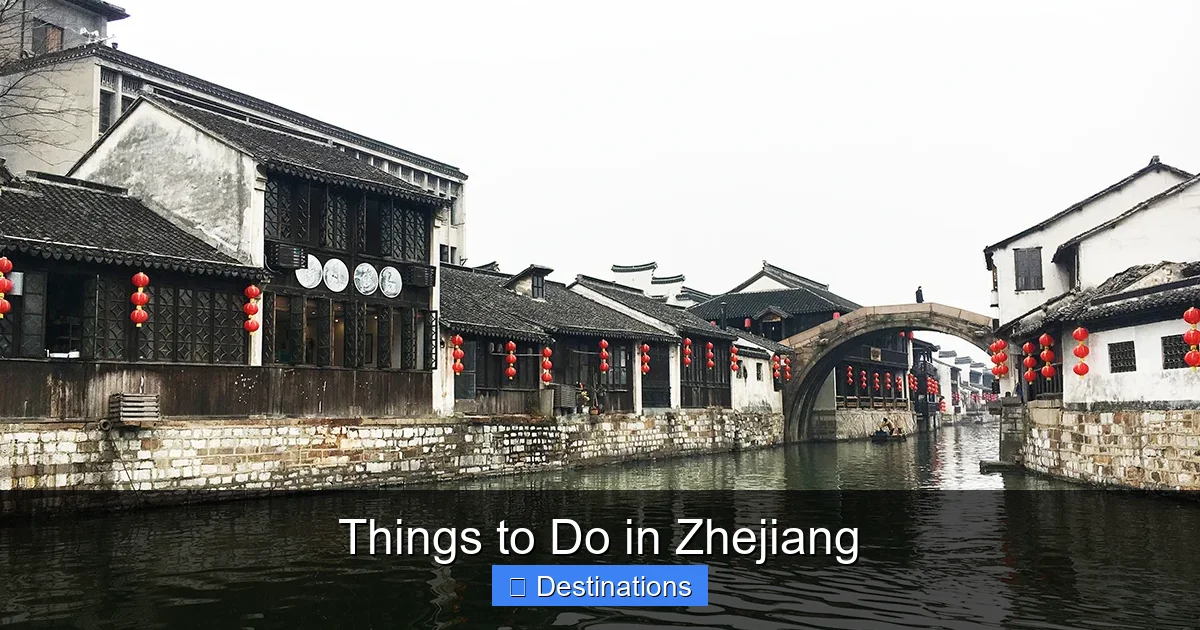
Zhejiang is famous for its water towns—picturesque villages built along canals with stone bridges, old homes, and slow-paced life. Two of the best are Wuzhen and Xitang.
Wuzhen: A Living Museum
Wuzhen is one of China’s most well-preserved water towns. Walk across ancient bridges, visit traditional workshops, and catch a shadow puppet show. At night, the town glows with lanterns, creating a fairy-tale atmosphere.
Best Stay Deals Available
Compare prices across top booking platforms and find the best deal for your stay.
Check Available RoomsVisual guide about Things to Do in Zhejiang
Image source: asiaculturaltravel.co.uk
Xitang: Quiet and Authentic
Less touristy than Wuzhen, Xitang offers a more relaxed vibe. Stroll under covered walkways, explore narrow alleys, and enjoy local snacks like rice wine and sticky rice cakes. It’s perfect for a half-day trip from Hangzhou or Shanghai.
3. Seek Peace on Mount Putuo
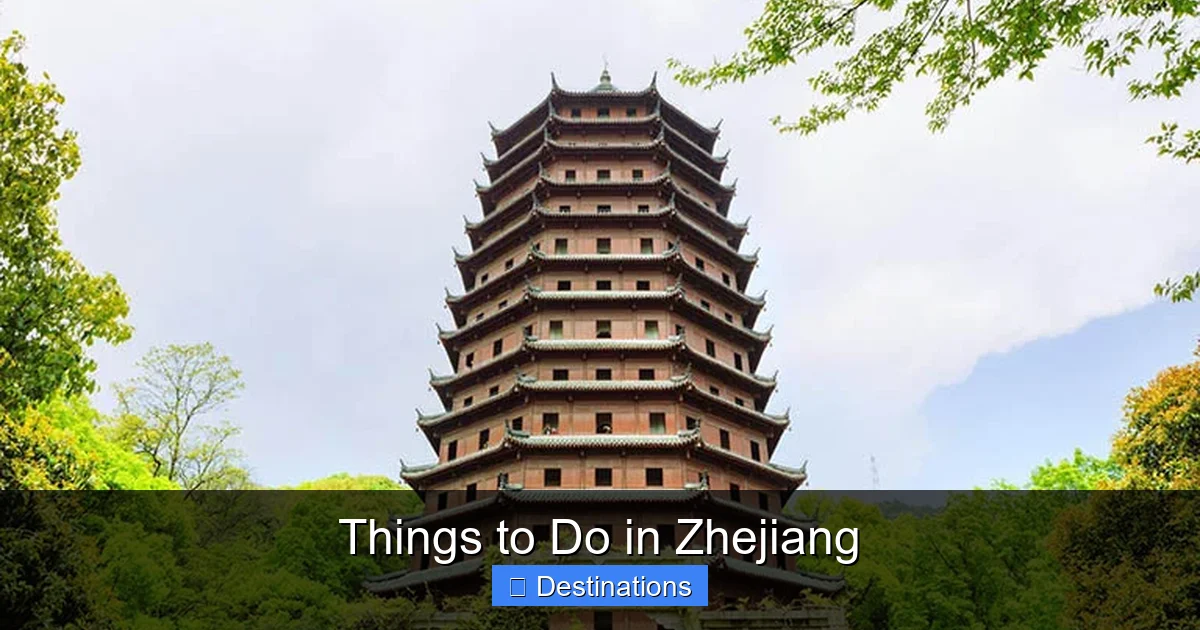
Mount Putuo is one of China’s Four Sacred Buddhist Mountains. Located on an island in the East China Sea, it’s a place of pilgrimage, natural beauty, and spiritual calm.
Temples and Trails
Visit Puji Temple, the largest on the island, and climb to the top of Foding Mountain for stunning ocean views. The sound of waves and chanting monks creates a deeply peaceful atmosphere.
Visual guide about Things to Do in Zhejiang
Image source: chinadiscovery.com
How to Get There
Take a ferry from Shenjiamen or Ningbo. The journey itself is part of the experience, with sea breezes and distant island views. Wear comfortable shoes—there’s a lot of walking involved.
4. Sip Tea in Longjing Village
Longjing (Dragon Well) tea is one of China’s most prized green teas, and the plantations near Hangzhou are a must-visit for tea lovers.
Tea Picking and Tasting
Visit in spring to see tea pickers at work and join a picking session yourself. Many farms offer tastings and tours, where you can learn about the tea-making process and enjoy a fresh cup surrounded by rolling hills.
Visual guide about Things to Do in Zhejiang
Image source: youimg1.tripcdn.com
Best Farms to Visit
Hupao and Meijiawu are popular villages with scenic tea fields. Try a tea-infused meal at a local restaurant—dishes like tea-smoked duck and tea noodles are delicious and unique.
5. Discover Ningbo’s Coastal Charm
Ningbo is a historic port city with a mix of old and new. It’s less crowded than Hangzhou but full of character and flavor.
Historical Sites
Explore Tianyi Pavilion, China’s oldest private library, and walk along the Old Bund, a riverside area with colonial-era buildings and cafes. The Ningbo Museum showcases the city’s maritime history.
Fresh Seafood
Don’t leave without trying local seafood—grilled fish, crab, and clams are staples. Visit a night market for a true taste of Ningbo’s food scene.
6. Escape to Moganshan’s Bamboo Forests
Moganshan is a cool mountain retreat in summer, known for its dense bamboo groves, fresh air, and quiet trails.
Hiking and Relaxation
Walk the Jianling Ridge trail for sweeping views, or simply relax in a mountain villa with a book and a cup of tea. The area is also popular for yoga retreats and wellness stays.
Getting There
It’s about a 2-hour drive from Hangzhou or Shanghai. Many guesthouses offer shuttle services, making it easy to visit for a weekend getaway.
Zhejiang offers a perfect blend of nature, culture, and calm. Whether you’re sipping tea on a hillside, wandering through a lantern-lit water town, or meditating by the sea, the province invites you to slow down and savor the moment. It’s a destination that stays with you long after you leave.
Frequently Asked Questions
Is Zhejiang safe for tourists?
Yes, Zhejiang is very safe for travelers. Cities like Hangzhou and Ningbo are well-developed and welcoming to visitors.
Do I need to speak Chinese to get around?
While English is limited in rural areas, major tourist spots have signs in English and staff who can assist. A translation app helps.
Can I visit Zhejiang on a budget?
Absolutely. Many attractions are low-cost or free, and local food is affordable. Public transport is also inexpensive.
Are there family-friendly activities in Zhejiang?
Yes. Kids enjoy boat rides on West Lake, exploring water towns, and hiking in Moganshan. Many sites are stroller-friendly.
What’s the best way to get from Shanghai to Zhejiang?
Take a high-speed train to Hangzhou (about 1 hour) or a bus to Wuzhen (around 2 hours).
Is photography allowed at temples and villages?
Photography is usually allowed outdoors, but be respectful inside temples. Always ask before photographing people.