
Yokohama is Japan’s second-largest city and a vibrant blend of modern energy and rich history. Whether you’re strolling along the waterfront, exploring museums, or savoring international cuisine, there are countless things to do in Yokohama Japan that cater to every traveler.
Key Takeaways
- Understanding things to do in yokohama japan: Provides essential knowledge
Quick Answers to Common Questions
Is Yokohama easy to reach from Tokyo?
Yes! Yokohama is just a 30-minute train ride from central Tokyo on the JR Tokaido Line or the Keihin-Tohoku Line. It’s one of the most accessible day trips from the capital.
Check the latest prices and available rooms before they sell out.
What’s the best time to visit Yokohama?
Spring (March to May) and autumn (September to November) are ideal, with mild weather and beautiful scenery. Cherry blossoms in spring and fall foliage in autumn are major highlights.
Is Yokohama family-friendly?
Absolutely. Attractions like the Cup Noodles Museum, Sankeien Garden, and bay cruises are great for kids. Many areas are stroller-friendly and offer interactive experiences.
Can I see Mount Fuji from Yokohama?
Yes, on clear days you can see Mount Fuji from the Landmark Tower observation deck and certain spots along the bay. Winter offers the clearest views.
Do I need to speak Japanese to get around?
Not necessarily. Major attractions, train stations, and signs often have English translations. Many locals in tourist areas speak basic English, especially in Chinatown and Minato Mirai.
📑 Table of Contents
- Welcome to Yokohama: Japan’s Port City with Global Flair
- Stroll Through Minato Mirai 21: The Heart of Modern Yokohama
- Immerse Yourself in Yokohama Chinatown
- Get Creative at the Cup Noodles Museum
- Find Peace at Sankeien Garden
- Take a Scenic Bay Cruise
- Shop and Stroll on Motomachi Shopping Street
- Final Thoughts: Why Yokohama Deserves a Spot on Your Itinerary
Welcome to Yokohama: Japan’s Port City with Global Flair
Just a quick 30-minute train ride from Tokyo, Yokohama offers a refreshing escape from the capital’s hustle while still feeling deeply connected to Japanese culture. As Japan’s second-largest city, Yokohama blends tradition with innovation, making it one of the most exciting destinations in the country. Whether you’re a first-time visitor or a seasoned traveler, the variety of things to do in Yokohama Japan ensures there’s always something new to discover.
From its historic role as Japan’s first open port to foreign trade in the 19th century, Yokohama has long been a gateway between East and West. Today, that legacy lives on in its diverse neighborhoods, international cuisine, and cosmopolitan vibe. You’ll find everything from serene temples and lush gardens to high-tech museums and bustling shopping districts—all within easy reach.
Stroll Through Minato Mirai 21: The Heart of Modern Yokohama
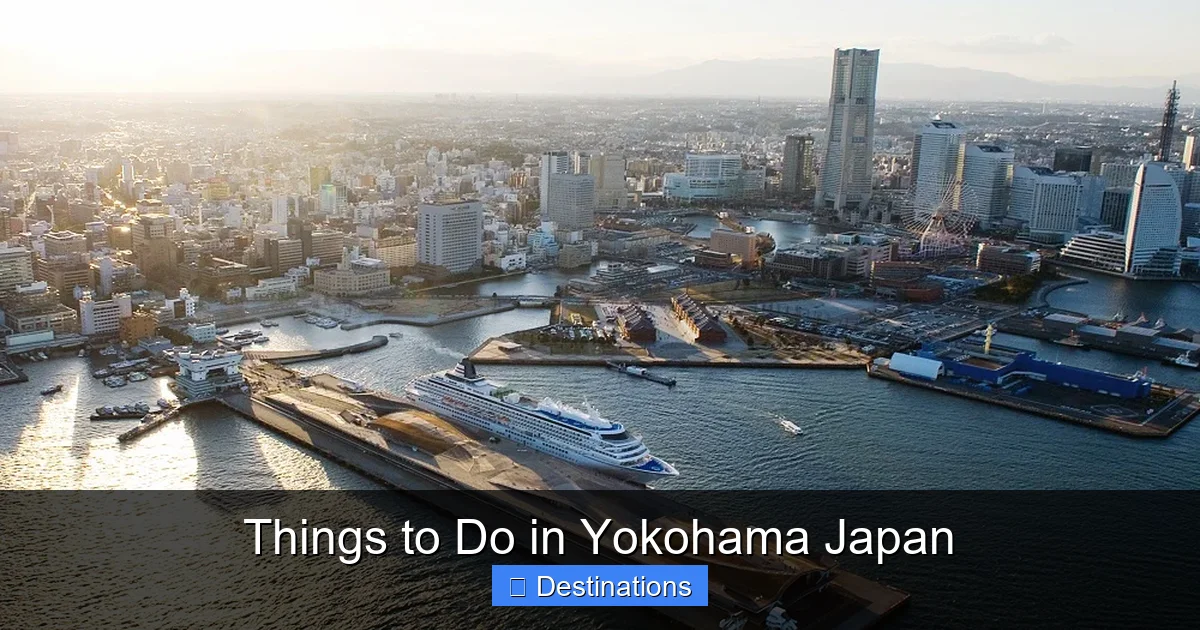
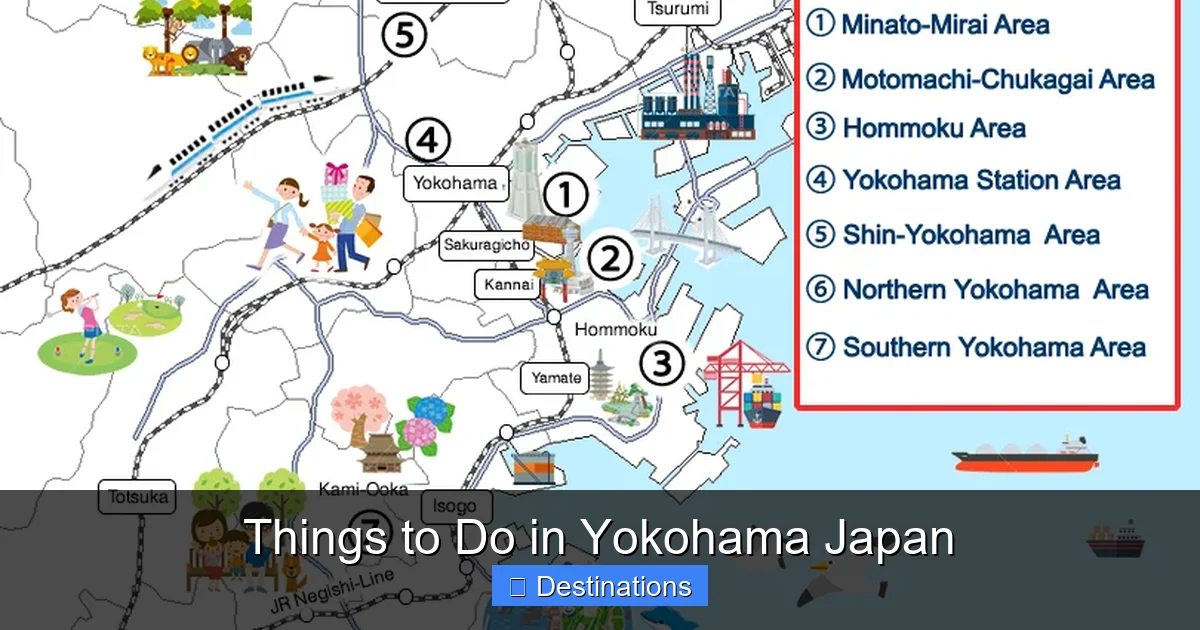
Minato Mirai 21, often called “MM21,” is the city’s futuristic downtown area and a must-visit for anyone exploring Yokohama. This waterfront district is anchored by the 296-meter Landmark Tower, once the tallest building in Japan. Head to the observation deck on the 69th floor for panoramic views of the city, Tokyo Bay, and even Mount Fuji on clear days.
Find the Best Accommodation Deals
Compare prices from multiple booking platforms and find the best option for your stay.
Compare Hotel PricesShop, Dine, and Be Amazed
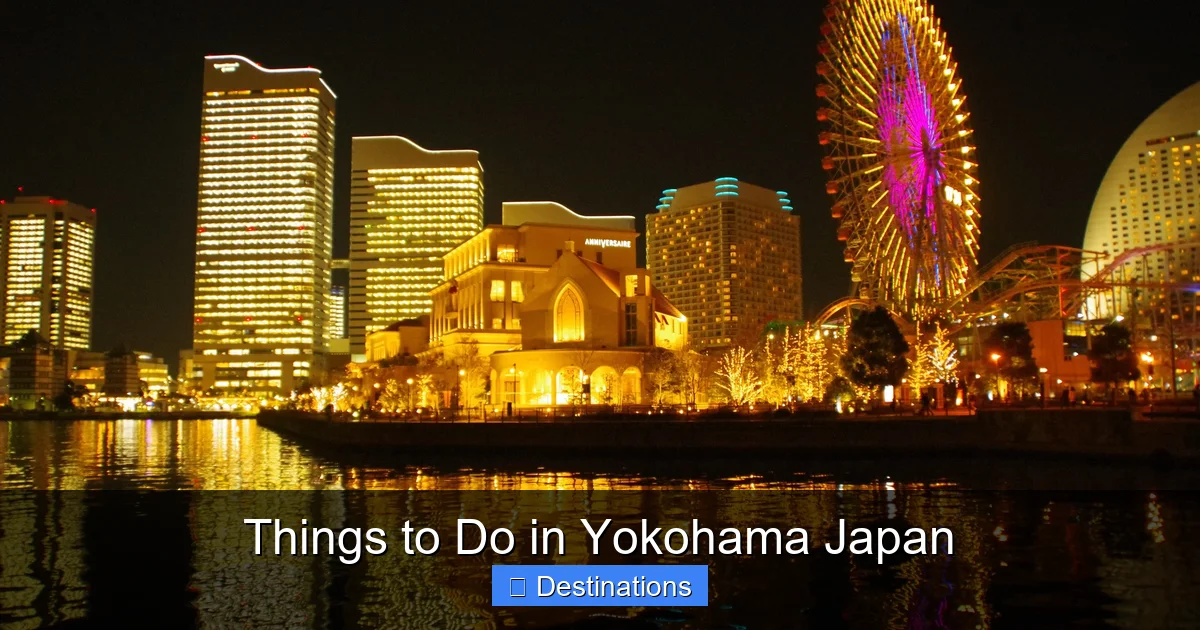
Beyond the tower, Minato Mirai is packed with attractions. Shop at Queen’s Square Yokohama or World Porters, two large malls with everything from fashion to local snacks. Don’t miss the Cosmo Clock 21 Ferris wheel, which lights up beautifully at night and offers a bird’s-eye view of the bay.
Find the Best Accommodation Deals
Compare prices from multiple booking platforms and discover the best stay options available.
⭐ Trusted by thousands of travelers
💰 Budget to luxury options available
Visual guide about Things to Do in Yokohama Japan
Image source: yokohamajapan.com
Relax by the Water
After shopping, unwind at Yamashita Park, a lush green space right on the waterfront. It’s perfect for a picnic, a leisurely walk, or simply watching cruise ships glide in and out of port. The park also features a monument commemorating the opening of Japan to the world—a nod to Yokohama’s historic role.
Best Stay Deals Available
Compare prices across top booking platforms and find the best deal for your stay.
Check Available RoomsImmerse Yourself in Yokohama Chinatown
No trip to Yokohama is complete without a visit to its famous Chinatown. With over 250 restaurants and shops, it’s one of the largest and most vibrant Chinatowns in the world. The area comes alive with red lanterns, lion dances, and the aroma of dumplings and roast duck wafting through the air.
Eat Your Way Through the Streets
Food lovers will be in heaven here. Try authentic dim sum at Kozan or sample handmade noodles at Kiyoken. Don’t leave without grabbing a steamed pork bun or a sweet egg tart from one of the many street vendors.
Visual guide about Things to Do in Yokohama Japan
Image source: twomonkeystravelgroup.com
Experience Culture and Festivals
Chinatown is also home to several temples, including the ornate Kanteibyo Temple. During Chinese New Year and the Autumn Festival, the streets explode with parades, music, and fireworks—making it an especially exciting time to visit.
Get Creative at the Cup Noodles Museum
A fun and quirky stop for families and foodies, the Cup Noodles Museum is where instant noodles were born. Created by Momofuku Ando, the inventor of ramen, this interactive museum celebrates innovation and creativity.
Make Your Own Cup Noodles
The highlight is the “My CUPNOODLES Factory,” where visitors can design their own cup, choose flavors, and pack their creation to take home. It’s a hands-on experience that’s both educational and entertaining.
Visual guide about Things to Do in Yokohama Japan
Image source: yokohamajapan.com
Learn About Food Innovation
The museum also features exhibits on global food challenges and the history of instant noodles. Kids will love the noodle-making workshops, while adults can appreciate the clever engineering behind this everyday staple.
Find Peace at Sankeien Garden
For a slower pace, escape to Sankeien Garden, a 175-acre traditional Japanese garden tucked away in the northern part of the city. Created by silk merchant Tomitaro Hara in the early 20th century, the garden features historic buildings relocated from across Japan, including tea houses and temples.
Seasonal Beauty All Year Round
Visit in spring for cherry blossoms, summer for lush greenery, autumn for fiery maples, or winter for serene snow-covered landscapes. The garden’s central pond, spanned by wooden bridges, reflects the changing seasons beautifully.
Tea and Tranquility
Stop by the on-site tea house for a bowl of matcha and a sweet wagashi (traditional confection). It’s the perfect way to slow down and soak in the peaceful atmosphere.
Take a Scenic Bay Cruise
See Yokohama from a new angle with a short cruise on Tokyo Bay. Ferries depart regularly from Yamashita Pier and offer 30- to 60-minute rides with stunning views of the city skyline, the Bay Bridge, and passing ships.
Sunset and Night Views
The best time to go is during sunset or after dark, when the city lights reflect off the water. Some cruises even include dinner or drinks, making it a romantic option for couples.
Connect to Other Destinations
You can also take a ferry to Odaiba in Tokyo or use the bay cruise as a scenic way to reach nearby attractions. It’s a relaxing alternative to trains and offers great photo opportunities.
Shop and Stroll on Motomachi Shopping Street
For a taste of old-world charm, head to Motomachi Shopping Street. This pedestrian-friendly lane has been a shopping destination since the late 1800s and retains its European-inspired architecture and relaxed vibe.
Boutiques and Cafes
Browse independent boutiques, vintage shops, and international brands. Stop for coffee at a sidewalk café or try a croissant at one of the French-inspired bakeries.
Nearby Attractions
Motomachi is close to the Yokohama Foreign General Cemetery and the historic Bluff district, where foreign traders once lived. It’s a great area for a leisurely afternoon walk.
Final Thoughts: Why Yokohama Deserves a Spot on Your Itinerary
Yokohama may be just a short trip from Tokyo, but it offers a unique experience all its own. With its mix of history, culture, food, and modern attractions, it’s easy to spend a full day—or even a weekend—exploring everything this dynamic city has to offer. Whether you’re traveling solo, with family, or as a couple, the variety of things to do in Yokohama Japan ensures a memorable visit. So next time you’re in the Tokyo area, hop on the train and discover why Yokohama is more than just a port city—it’s a destination in its own right.
Frequently Asked Questions
What are the top free things to do in Yokohama?
Yamashita Park, Sankeien Garden (free outer area), and walking through Chinatown are all free and highly enjoyable. You can also stroll along the waterfront and explore Motomachi without spending a yen.
How many days should I spend in Yokohama?
Most visitors spend one full day exploring the main attractions. If you want to relax and explore at a slower pace, two days allow for a deeper experience, including nearby spots like Kamakura.
Is Yokohama safe for tourists?
Yes, Yokohama is very safe. It has low crime rates and is well-patrolled, especially in tourist areas like Minato Mirai and Chinatown. Standard travel precautions apply, but it’s generally worry-free.
What’s the best way to get around Yokohama?
The city has an excellent public transport system, including trains, subways, and buses. A day pass for the Yokohama Municipal Subway is cost-effective for tourists. Walking is also easy in compact areas like Chinatown and Minato Mirai.
Are there English-speaking guides or tours available?
Yes, many attractions offer audio guides in English, and guided tours—both walking and bus-based—are available through local tour operators. Some even focus on food, history, or photography.
Can I use credit cards in Yokohama?
Major stores, restaurants, and hotels accept credit cards, but smaller shops and street vendors may only take cash. It’s wise to carry some yen, especially in Chinatown and local markets.