
Xinjiang is a vast and diverse region in northwest China, offering a mix of natural wonders, rich cultural heritage, and thrilling adventures. Whether you’re exploring ancient Silk Road towns, hiking through alpine meadows, or tasting authentic Uyghur cuisine, there’s something unforgettable waiting around every corner.
Xinjiang, China’s largest and most culturally diverse region, is a land of dramatic contrasts. From endless deserts and snow-capped mountains to bustling bazaars and ancient ruins, this far-western province offers an adventure unlike any other. Often overlooked by mainstream tourism, Xinjiang rewards curious travelers with raw natural beauty and a rich tapestry of ethnic traditions—especially those of the Uyghur people.
Check the latest prices and available rooms before they sell out.
Located along the historic Silk Road, Xinjiang has long been a crossroads of cultures, religions, and trade. Today, it remains a place where East meets West in the most unexpected ways. Whether you’re a nature lover, history buff, or foodie, there are countless things to do in Xinjiang China that will leave you in awe. Let’s dive into the top experiences that make this region truly unforgettable.
Key Takeaways
- Explore the Flaming Mountains: These striking red sandstone hills inspired the classic Chinese novel “Journey to the West” and are a must-see near Turpan.
- Visit Heavenly Lake (Tianchi): A crystal-clear alpine lake surrounded by snow-capped peaks, perfect for hiking, boating, and photography.
- Wander through Kashgar’s Sunday Bazaar: One of the largest open-air markets in the world, offering spices, crafts, livestock, and local delicacies.
- Discover Turpan’s Ancient Ruins: Home to the Bezeklik Thousand Buddha Caves and the ancient city of Jiaohe, showcasing Silk Road history.
- Experience Uyghur Culture: Enjoy traditional music, dance, and cuisine in local villages and cities like Hotan and Urumqi.
- Drive the Karakoram Highway: One of the world’s highest paved roads, connecting China to Pakistan with jaw-dropping mountain scenery.
- Camp in the Taklamakan Desert: The world’s second-largest shifting sand desert offers surreal dunes and stargazing opportunities.
Quick Answers to Common Questions
What is the best time to visit Xinjiang?
The ideal time is from May to October, when the weather is mild and most attractions are accessible. Summer brings festivals and lush oases, while autumn offers clear skies and golden landscapes.
Is Xinjiang safe for tourists?
Yes, Xinjiang is generally safe for travelers. Major tourist areas like Urumqi, Kashgar, and Turpan are well-patrolled and welcoming to visitors. Always follow local guidelines and stay informed about regional updates.
Do I need a visa to visit Xinjiang?
If you’re a foreign traveler, you’ll need a valid Chinese visa. Xinjiang does not require a separate permit for most tourists, but some remote areas may have access restrictions—check in advance.
What should I eat in Xinjiang?
Try laghman (hand-pulled noodles), polo (pilaf), samsa (meat pastries), and naan bread. Don’t miss the fresh fruits, especially grapes, melons, and pomegranates.
Can I travel independently in Xinjiang?
Yes, but having a guide can enhance your experience, especially in remote areas. Public transport connects major cities, but hiring a driver is recommended for desert and mountain trips.
📑 Table of Contents
Marvel at the Flaming Mountains and Turpan Depression
Just outside the city of Turpan lies one of Xinjiang’s most iconic landscapes: the Flaming Mountains. These rust-colored ridges stretch for over 100 kilometers and can reach temperatures above 80°C (176°F) in summer—earning them their fiery name. Made famous by the Chinese epic “Journey to the West,” the mountains are not only visually stunning but also steeped in legend.
Find the Best Accommodation Deals
Compare prices from multiple booking platforms and find the best option for your stay.
Compare Hotel PricesExplore the Grape Valley
Right beneath the Flaming Mountains lies the lush Grape Valley, an oasis known for its sweet, sun-dried grapes. Visit in August during the Grape Festival to sample fresh fruit, watch traditional dancing, and sip local wine. The contrast between the scorching desert and this green paradise is simply magical.
Tour Ancient Turpan Sites
Turpan is home to some of the best-preserved Silk Road ruins in China. Don’t miss the Jiaohe Ruins, an ancient city carved into a giant river island, or the Bezeklik Thousand Buddha Caves, which once housed exquisite Buddhist murals. These sites offer a fascinating glimpse into Xinjiang’s spiritual and commercial past.
Find the Best Accommodation Deals
Compare prices from multiple booking platforms and discover the best stay options available.
⭐ Trusted by thousands of travelers
💰 Budget to luxury options available
Relax by Heavenly Lake (Tianchi)
Nestled in the Tianshan Mountains about 110 kilometers from Urumqi, Heavenly Lake is a glacial gem surrounded by pine forests and towering peaks. The lake’s deep blue waters reflect the snow-capped Bogda Peak, creating a scene straight out of a postcard.
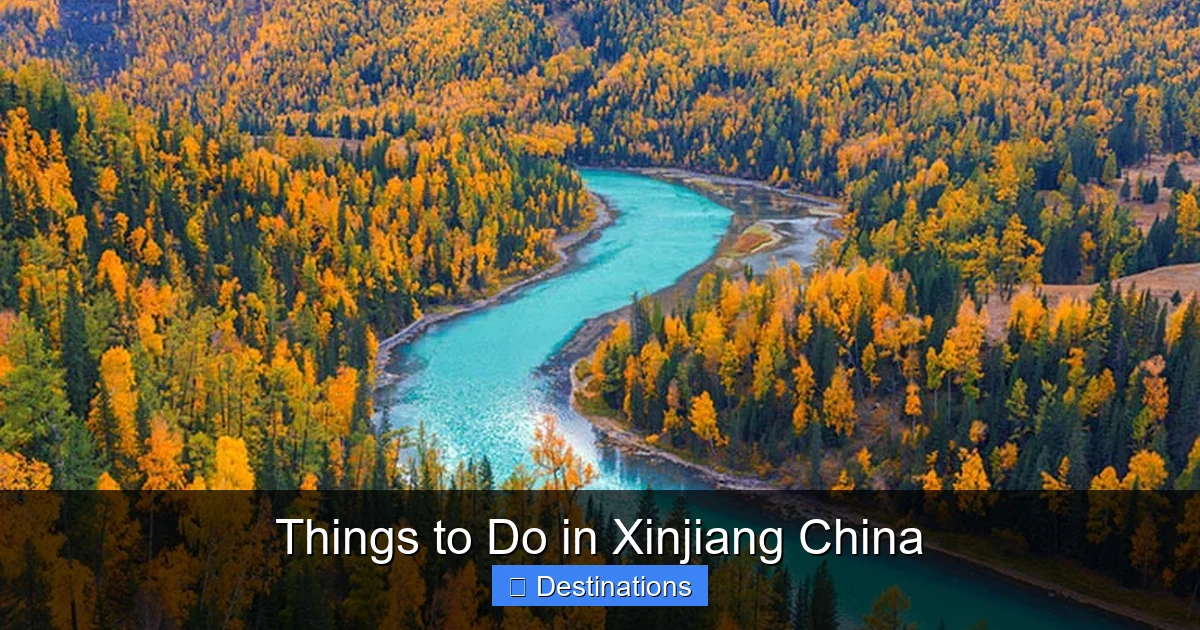
Visual guide about Things to Do in Xinjiang China
Best Stay Deals Available
Compare prices across top booking platforms and find the best deal for your stay.
Check Available RoomsImage source: chinadiscovery.com
Hike or Take a Boat Ride
Visitors can hike along scenic trails that wind through alpine meadows and offer panoramic views. For a more relaxed experience, rent a boat and glide across the calm surface. In winter, the area transforms into a snowy wonderland perfect for photography and quiet reflection.
Experience the Vibrancy of Kashgar
Kashgar, one of the oldest cities on the Silk Road, pulses with energy and tradition. Its most famous attraction is the Sunday Bazaar, where thousands of vendors gather to sell everything from spices and carpets to livestock and handmade knives.

Visual guide about Things to Do in Xinjiang China
Image source: chinadiscovery.com
Shop at the Grand Bazaar
Arrive early to witness the market come alive. Haggle for saffron, dried apricots, and ornate jewelry while soaking in the lively atmosphere. Don’t leave without trying laghman (hand-pulled noodles) from a street vendor—it’s a local favorite.
Visit the Id Kah Mosque
As one of the largest mosques in China, the Id Kah Mosque is a spiritual and architectural landmark. While non-Muslims can’t enter during prayers, the courtyard and surrounding area offer a peaceful glimpse into daily religious life.
Drive the Legendary Karakoram Highway
Known as the “Eighth Wonder of the World,” the Karakoram Highway connects China to Pakistan through some of the most rugged and beautiful terrain on Earth. The route passes through the Karakoram Range, home to K2—the second-highest mountain in the world.

Visual guide about Things to Do in Xinjiang China
Image source: travelchinaguide.com
Stop at Karakul Lake
Halfway along the journey lies Karakul Lake, a high-altitude lake surrounded by dramatic peaks. Stay in a traditional yurt, enjoy fresh trout, and gaze at the stars in one of the clearest skies on the planet.
Camp in the Taklamakan Desert
The Taklamakan Desert is a vast sea of sand dunes that covers much of southern Xinjiang. While extreme, it’s also incredibly beautiful—especially at sunrise and sunset when the light paints the dunes in gold and orange.
Join a Desert Safari
Many tour operators offer overnight camping trips with camel rides, sandboarding, and traditional music under the stars. It’s a once-in-a-lifetime way to experience the silence and scale of the desert.
Xinjiang is more than just a destination—it’s a journey through time, culture, and nature. Whether you’re tracing the steps of ancient traders or marveling at untouched landscapes, the things to do in Xinjiang China promise memories that last a lifetime. Just remember to check travel advisories and respect local customs to ensure a safe and enriching trip.
Frequently Asked Questions
What makes Xinjiang unique compared to other Chinese destinations?
Xinjiang stands out for its diverse ethnic cultures, dramatic landscapes, and deep historical roots along the Silk Road. Unlike eastern China, it offers a blend of Central Asian influences and untouched natural beauty.
Are there family-friendly activities in Xinjiang?
Absolutely! Families can enjoy boat rides on Heavenly Lake, camel treks in the desert, and exploring ancient ruins. Many sites are stroller-friendly, and kids love the vibrant markets and local sweets.
How many days do I need to explore Xinjiang?
A minimum of 7–10 days is recommended to see the highlights. This allows time for Urumqi, Turpan, Kashgar, and a desert or mountain excursion without feeling rushed.
What should I pack for a trip to Xinjiang?
Bring layers, as temperatures vary greatly between day and night. Include sun protection, comfortable hiking shoes, a reusable water bottle, and modest clothing for visiting religious sites.
Is English widely spoken in Xinjiang?
English is limited, especially outside major hotels and tourist spots. Learning a few basic Mandarin or Uyghur phrases, or using a translation app, can be very helpful.
Can I see the Northern Lights in Xinjiang?
While rare, auroras have been spotted in northern Xinjiang during periods of high solar activity. For the best chance, visit in winter and head to remote, dark-sky areas like Altay.