
Xinjiang is a vast and diverse region in northwest China, offering breathtaking landscapes, rich cultural heritage, and unforgettable adventures. From turquoise lakes and desert dunes to historic cities and lively markets, there’s something for every traveler.
If you’re looking for a destination that blends natural beauty, ancient history, and vibrant culture, Xinjiang should be at the top of your list. This remote region in northwest China is one of the country’s most fascinating and diverse areas. Spanning over 1.6 million square kilometers, Xinjiang is home to deserts, mountains, lakes, and grasslands—all within one incredible landscape.
Check the latest prices and available rooms before they sell out.
Often referred to as the crossroads of civilizations, Xinjiang was a key stop on the ancient Silk Road. Today, travelers can walk in the footsteps of traders and explorers while discovering bustling markets, centuries-old mosques, and breathtaking scenery. Whether you’re an adventurer, history buff, or food lover, there are countless things to do in Xinjiang that will leave you amazed.
Key Takeaways
- Explore the Silk Road cities: Visit Kashgar and Turpan to experience ancient trade routes, historic ruins, and traditional Uyghur culture.
- Marvel at natural wonders: Don’t miss Kanas Lake, Tianchi Lake, and the Flaming Mountains for jaw-dropping scenery.
- Hike through stunning valleys: The Ili Valley and Sayram Lake offer lush meadows, snow-capped peaks, and peaceful trails.
- Experience local culture: Wander through vibrant bazaars, try authentic Uyghur cuisine, and enjoy traditional music and dance.
- Adventure in the deserts: Ride camels in the Taklamakan Desert or explore the shifting dunes of the Gurbantünggüt Desert.
- Travel responsibly: Respect local customs, dress modestly, and stay informed about travel regulations in the region.
Quick Answers to Common Questions
What is the best time to visit Xinjiang?
The best time to visit Xinjiang is from May to October, when the weather is pleasant and most attractions are accessible.
Is Xinjiang safe for tourists?
Yes, Xinjiang is generally safe for tourists. However, it’s important to stay informed about local regulations and travel advisories.
Do I need a visa to visit Xinjiang?
If you’re a foreign traveler, you’ll need a valid Chinese visa. Some areas may require additional permits.
What should I pack for a trip to Xinjiang?
Pack layers, sunscreen, a hat, comfortable walking shoes, and modest clothing suitable for cultural sites.
Can I travel independently in Xinjiang?
Yes, independent travel is possible, but guided tours can enhance your experience, especially in remote areas.
📑 Table of Contents
Discover the Historic Cities of the Silk Road
Xinjiang’s cities are living museums of Silk Road history. Two stand out as must-visit destinations for anyone interested in culture and heritage.
Find the Best Accommodation Deals
Compare prices from multiple booking platforms and find the best option for your stay.
Compare Hotel PricesKashgar: The Last Stop Before the Mountains
Kashgar is one of the oldest continuously inhabited cities in the world and a true cultural gem. Every Sunday, the famous Kashgar Sunday Market comes alive with locals trading livestock, spices, and handmade goods. It’s one of the largest open-air markets in Central Asia and a fantastic way to experience daily life in Xinjiang.
Don’t miss the Id Kah Mosque, the largest mosque in China, or the nearby Old City, with its winding alleys and traditional mud-brick homes. For a deeper dive into regional history, visit the Kashgar Museum, which showcases artifacts from the Silk Road era.
Find the Best Accommodation Deals
Compare prices from multiple booking platforms and discover the best stay options available.
⭐ Trusted by thousands of travelers
💰 Budget to luxury options available
Turpan: Oasis in the Desert
Located in the Turpan Depression—the lowest point in China—Turpan is an oasis city surrounded by desert. It’s famous for its grape vineyards, ancient ruins, and underground irrigation systems called karez.
Visit the Jiaohe Ruins, an ancient city built on a cliff and once a major stop on the Silk Road. Nearby, the Flaming Mountains—made famous by the Chinese novel Journey to the West—offer dramatic red sandstone cliffs and hiking opportunities.
Experience Breathtaking Natural Landscapes
Xinjiang’s natural beauty is nothing short of spectacular. From alpine lakes to vast deserts, the region offers some of China’s most stunning scenery.
Best Stay Deals Available
Compare prices across top booking platforms and find the best deal for your stay.
Check Available Rooms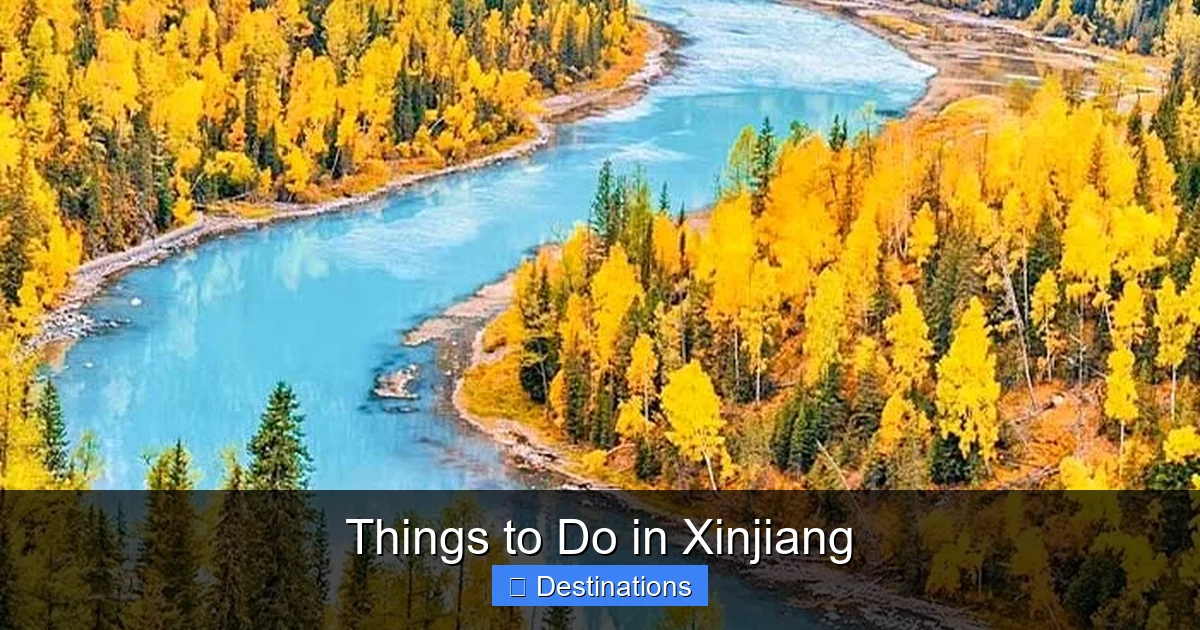
Visual guide about Things to Do in Xinjiang
Image source: asiaodysseytravel.com
Kanas Lake: A Hidden Alpine Gem
Nestled in the Altai Mountains near the border with Mongolia, Kanas Lake is a pristine glacial lake surrounded by dense forests and snow-capped peaks. The water shifts color with the seasons, from deep blue to emerald green.
Hiking trails around the lake offer incredible views, and you might spot rare wildlife like the Siberian roe deer. For a peaceful experience, stay overnight in a local Tuvan village and enjoy traditional yurts and homemade dairy products.
Tianchi Lake: The Heavenly Lake
Located about 110 kilometers from Urumqi, Tianchi Lake sits at an altitude of over 1,900 meters in the Tian Shan mountains. The crystal-clear lake reflects the surrounding peaks, creating a postcard-perfect scene.
Take a boat ride across the lake or hike the trails for panoramic views. In winter, the area transforms into a snowy wonderland ideal for skiing and snowboarding.
Explore Lush Valleys and Peaceful Lakes
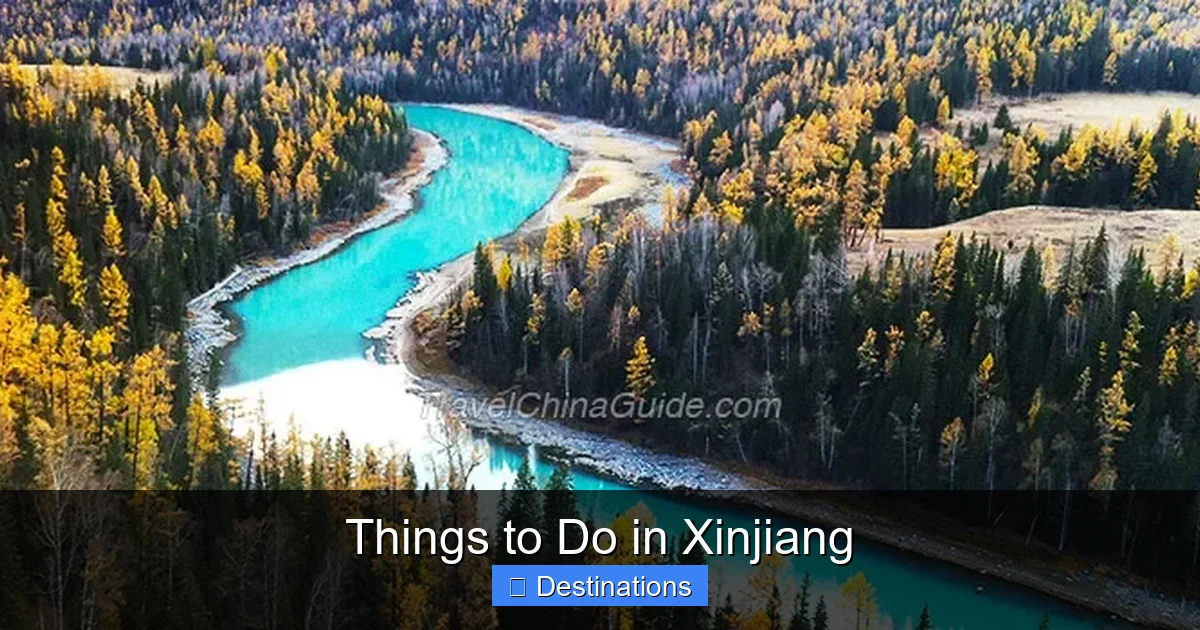
Not all of Xinjiang is desert. The Ili Valley, in the far west, is known as the “Jiangnan of the Frontier” for its fertile land and mild climate.
Visual guide about Things to Do in Xinjiang
Image source: travelchinaguide.com
Ili Valley and Sayram Lake
The Ili Valley is a paradise of rolling grasslands, wildflowers, and fruit orchards. It’s home to ethnic Kazakh and Kyrgyz communities who live in traditional yurts and practice horseback herding.
Nearby, Sayram Lake is a serene alpine lake surrounded by mountains and meadows. It’s a perfect spot for camping, horseback riding, or simply relaxing in nature. The lake is especially beautiful in summer when the water is calm and the skies are clear.
Adventure in the Deserts
For thrill-seekers, Xinjiang’s deserts offer unique adventures. The Taklamakan Desert, one of the world’s largest shifting sand deserts, is both beautiful and challenging.
Visual guide about Things to Do in Xinjiang
Image source: windowseat.ph
Join a guided camel trek across the dunes or take a 4×4 safari to explore remote areas. The desert’s silence and vastness create a surreal experience unlike anywhere else.
Closer to Urumqi, the Gurbantünggüt Desert offers sandboarding, dune bashing, and overnight camping under the stars. It’s a great option for those short on time but still want a desert adventure.
Immerse Yourself in Local Culture and Cuisine
Xinjiang’s culture is a vibrant mix of Uyghur, Kazakh, Han, and other ethnic groups. One of the best ways to experience it is through food and festivals.
Try Authentic Uyghur Dishes
Don’t leave without trying polo (pilaf), lagman (hand-pulled noodles), and samsa (meat-filled pastries). Street food markets in Urumqi and Kashgar are perfect for sampling local flavors.
For a sweet treat, try naan bread fresh from a tandoor oven or dried fruits like apricots and raisins, which Xinjiang is famous for.
Visit a Traditional Bazaar
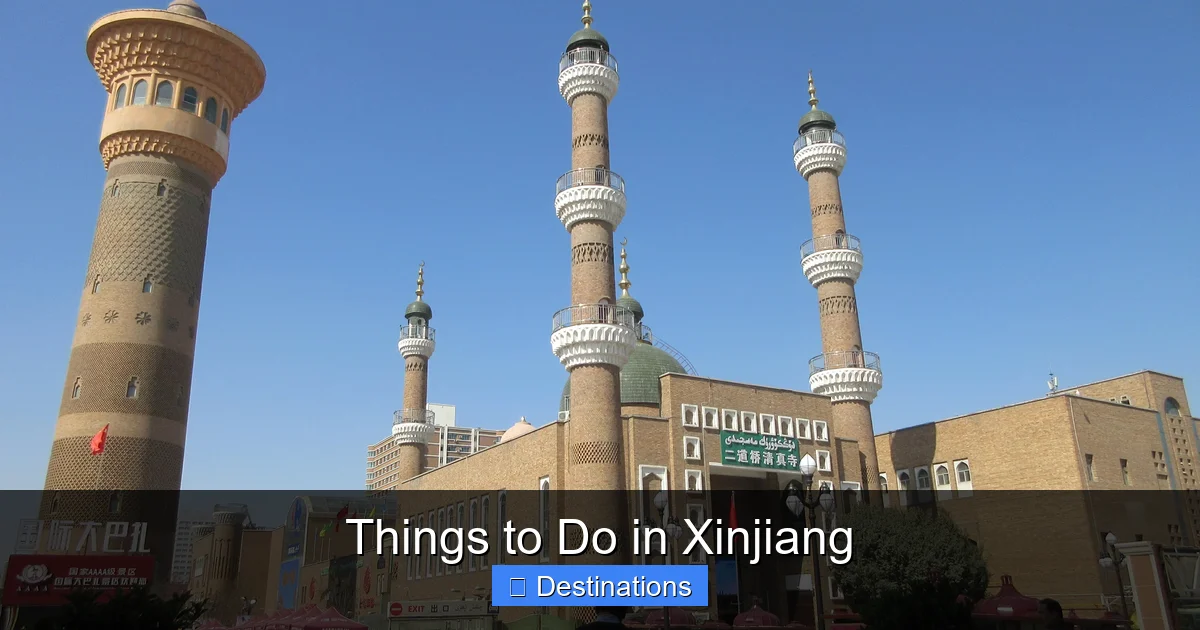
Bazaars are the heart of Xinjiang’s social life. The Erdaoqiao Bazaar in Urumqi is one of the largest in the region, selling everything from spices and carpets to musical instruments and jewelry.
Engage with locals, learn a few phrases in Uyghur, and enjoy the lively atmosphere. Many bazaars also host cultural performances, so keep an eye out for traditional music and dance.
Travel Tips for Visiting Xinjiang
Xinjiang is a unique destination that requires some planning. Make sure to check travel advisories and obtain necessary permits, especially if visiting border areas.
Dress modestly, especially in rural areas, and be respectful of local customs and religious practices. Learning a few basic phrases in Uyghur or Mandarin can go a long way in building connections with locals.
Finally, consider visiting in late spring or early autumn when the weather is mild and the landscapes are at their most beautiful.
Frequently Asked Questions
What are the top things to do in Xinjiang?
The top things to do in Xinjiang include visiting Kashgar’s Sunday Market, exploring the ruins of Jiaohe, hiking around Kanas Lake, and experiencing the culture of the Ili Valley.
How many days do I need to explore Xinjiang?
A minimum of 7–10 days is recommended to see the highlights, but two weeks or more allows for a more relaxed and in-depth experience.
What is Xinjiang famous for?
Xinjiang is famous for its Silk Road history, diverse ethnic cultures, stunning natural landscapes, and delicious cuisine.
Can I visit Xinjiang with kids?
Yes, many attractions like lakes, valleys, and cultural sites are family-friendly, though desert treks may be more suitable for older children.
What languages are spoken in Xinjiang?
Uyghur and Mandarin are the most common languages. English is not widely spoken, so learning basic phrases helps.
Are there direct flights to Xinjiang?
Yes, Urumqi Diwopu International Airport receives direct flights from major Chinese cities and some international destinations.