
Ulaanbaatar, Mongolia’s bustling capital, blends ancient traditions with modern energy. Explore Buddhist monasteries, Soviet monuments, lively markets, and cultural museums—all set against a dramatic mountain backdrop. Whether you’re into history, food, or outdoor adventures, this city offers unique experiences for every traveler.
If you’re planning a trip to Mongolia, chances are your journey will begin in its lively capital—Ulaanbaatar. Nestled in a valley surrounded by four sacred mountains, this city is a fascinating mix of old and new. On one street, you might see monks in maroon robes walking past Soviet-era apartment blocks; on another, trendy coffee shops buzz next to open-air meat markets. Despite its reputation for harsh winters and rapid urbanization, Ulaanbaatar is full of surprises for curious travelers.
Check the latest prices and available rooms before they sell out.
What makes Ulaanbaatar special isn’t just its dramatic setting or its role as the gateway to Mongolia’s vast steppes—it’s the warmth of its people and the depth of its culture. Whether you’re here for a few days or using it as a base for exploring the countryside, there’s no shortage of things to do in Ulaanbaatar that will leave you inspired and energized.
Key Takeaways
- Visit Gandan Monastery: One of Mongolia’s most important Buddhist centers, offering daily prayers and serene architecture.
- Explore the National Museum of Mongolia: Learn about Mongolia’s rich history, from Genghis Khan to the communist era.
- Shop at Naran Tuul Market: Known as the “Black Market,” it’s perfect for souvenirs, cashmere, and local goods.
- Hike or relax at Bogd Khan Palace Museum: A former summer residence with beautiful gardens and royal artifacts.
- Experience local cuisine: Try traditional dishes like buuz (steamed dumplings) and khuushuur (fried meat pastries).
- Take a day trip to Terelj National Park: Just 70 km away, it offers stunning landscapes, horseback riding, and nomadic culture.
- Enjoy the nightlife: Ulaanbaatar has a growing scene of bars, live music venues, and cozy cafes.
Quick Answers to Common Questions
What is the best time to visit Ulaanbaatar?
The best time is from June to August, when the weather is mild and festivals like Naadam take place. Winter visits are possible but extremely cold.
Is Ulaanbaatar safe for tourists?
Yes, Ulaanbaatar is generally safe. Like any city, be cautious in crowded areas and avoid walking alone late at night.
Can I use credit cards in Ulaanbaatar?
Major hotels and restaurants accept cards, but cash (Mongolian tugrik) is preferred in markets and smaller shops.
How do I get around the city?
Taxis, buses, and ride-hailing apps like UBCab are available. Walking is easy in the city center.
Do I need a visa to visit Mongolia?
Many nationalities can enter visa-free for short stays. Check with your embassy before traveling.
📑 Table of Contents
Discover Spiritual Heritage at Gandan Monastery
Gandan Monastery is the heart of Tibetan Buddhism in Mongolia and one of the few religious sites that survived the communist purges of the 1930s. Rebuilt in the 1990s, it remains an active place of worship and a peaceful retreat from the city’s noise.
Find the Best Accommodation Deals
Compare prices from multiple booking platforms and find the best option for your stay.
Compare Hotel PricesWhat to Expect
The main temple, Migjid Janraisig, houses a towering 26-meter-tall gilded statue of Avalokiteshvara, the bodhisattva of compassion. Daily prayer sessions (usually around 9–10 AM) are open to visitors, and the chanting creates a deeply moving atmosphere. Don’t miss the smaller temples and the peaceful courtyard where monks study and meditate.
Visitor Tips
Dress modestly and remove your shoes before entering certain areas. Photography is allowed in outdoor spaces but may be restricted inside temples—always ask respectfully. Arrive early to avoid crowds and witness the monks in their morning rituals.
Find the Best Accommodation Deals
Compare prices from multiple booking platforms and discover the best stay options available.
⭐ Trusted by thousands of travelers
💰 Budget to luxury options available
Learn Mongolia’s Story at the National Museum
Visual guide about Things to Do in Ulaanbaatar
Image source: j9x8v9h6.rocketcdn.me
Best Stay Deals Available
Compare prices across top booking platforms and find the best deal for your stay.
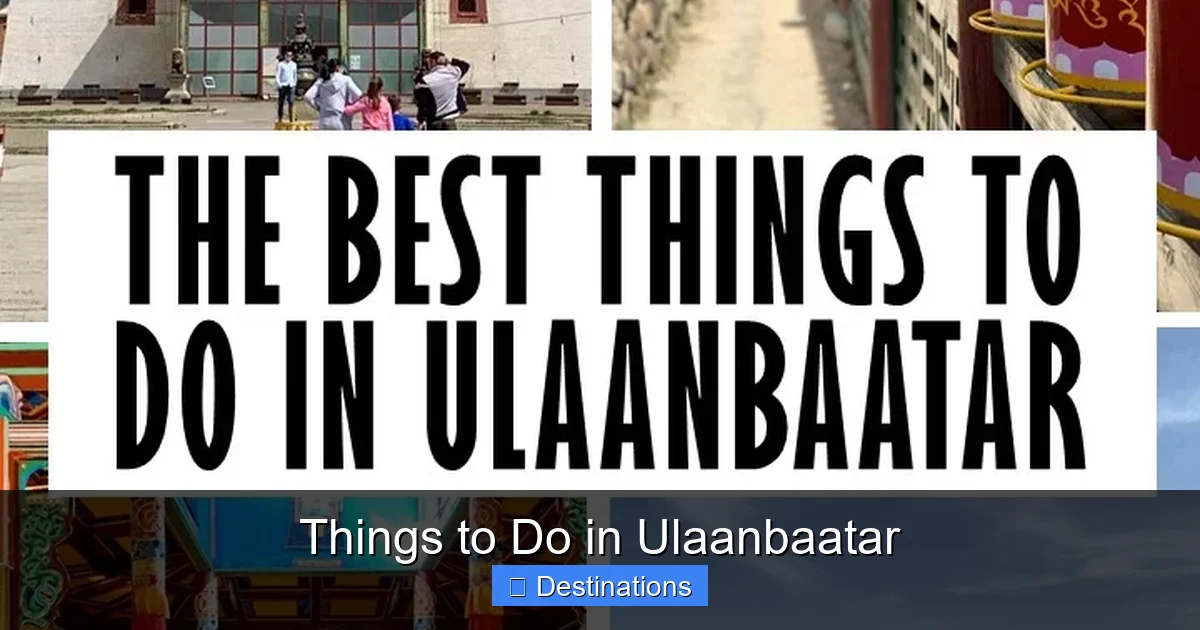
Check Available RoomsFor anyone interested in history, the National Museum of Mongolia is a must-visit. It offers a comprehensive look at the country’s past, from prehistoric times through the rise of the Mongol Empire to the modern era.
Highlights
The museum features exhibits on Genghis Khan, traditional nomadic life, and Mongolia’s struggle for independence. You’ll see ancient artifacts, traditional clothing, musical instruments, and even a recreated yurt. The section on the communist period is especially eye-opening, detailing life under Soviet influence.
Plan Your Visit
Allow at least two hours to explore. Audio guides are available, and the museum is centrally located near Sukhbaatar Square. Combine your visit with a stroll around the square, home to the iconic statue of Genghis Khan on horseback.
Shop ‘Til You Drop at Naran Tuul Market
Visual guide about Things to Do in Ulaanbaatar
Image source: clairesfootsteps.com
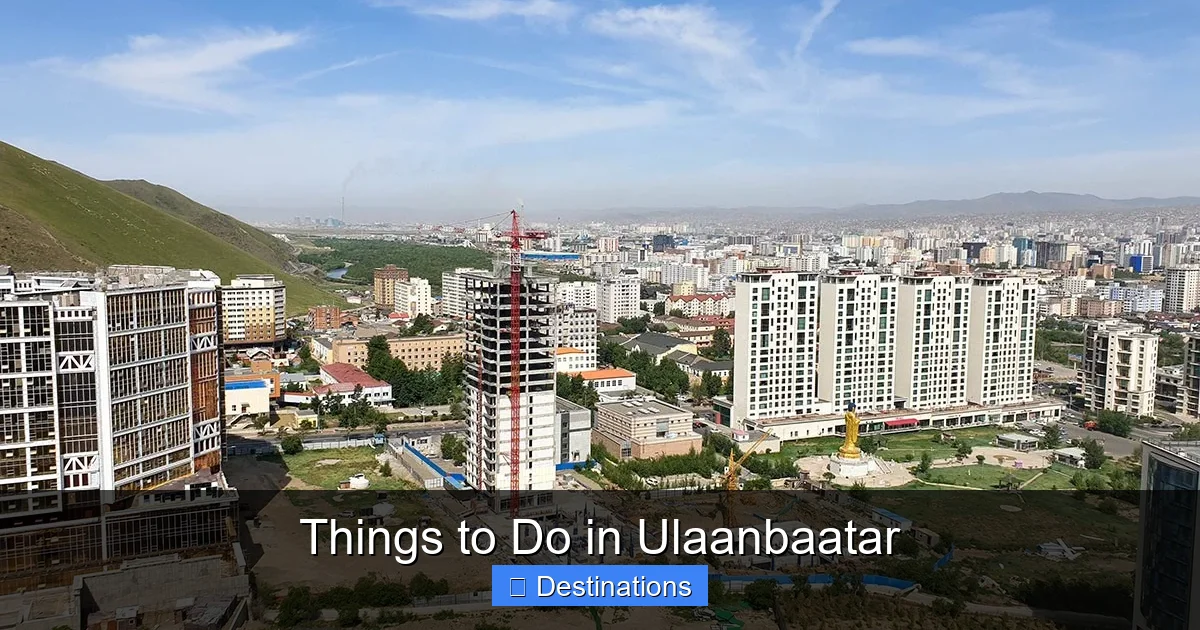
Known locally as the “Black Market,” Naran Tuul is Ulaanbaatar’s largest open-air bazaar. It’s chaotic, colorful, and utterly authentic—a true local experience.
What to Buy
You’ll find everything from second-hand clothing and electronics to handmade crafts, spices, and high-quality cashmere. Bargaining is expected, so don’t hesitate to negotiate. For travelers, it’s a great spot to pick up souvenirs like traditional deel (Mongolian robes), felt hats, or horse-head fiddle instruments.
Safety and Etiquette
Keep your belongings secure—pickpocketing can happen in crowded areas. Go with a local guide if it’s your first time, or visit during daylight hours. Try not to take photos of people without permission, especially elders or vendors.
Relax at Bogd Khan Palace Museum
Visual guide about Things to Do in Ulaanbaatar
Image source: clairesfootsteps.com
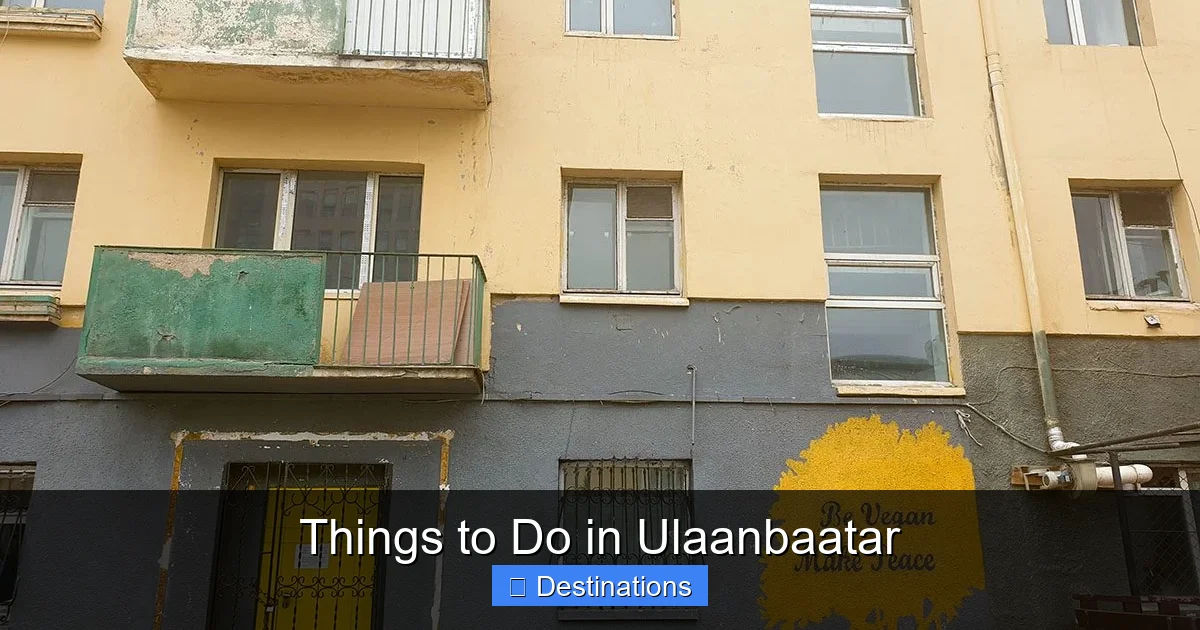
Once the summer residence of Mongolia’s last king, the Bogd Khan Palace is now a museum set within lush gardens. It’s a peaceful escape and a window into royal life in the early 20th century.
Inside the Palace
The complex includes several buildings filled with royal artifacts, religious items, and gifts from foreign dignitaries. One highlight is the collection of exotic animals hunted by the Bogd Khan, including a preserved snow leopard. The gardens are perfect for a quiet walk, especially in spring when flowers bloom.
Nearby Attractions
Combine your visit with a stop at the Winter Palace of the Bogd Khan, located nearby. It’s smaller but equally fascinating, with more personal items from the king’s private life.
Taste Authentic Mongolian Cuisine
Food in Ulaanbaatar is hearty, meat-based, and deeply satisfying. While international restaurants are on the rise, don’t miss the chance to try traditional dishes.
Must-Try Dishes
Start with buuz—steamed dumplings filled with minced mutton or beef. Khuushuur are fried meat pastries, perfect for on-the-go eating. For a unique experience, try boodog, a whole goat cooked with hot stones inside its skin—best enjoyed in winter.
Where to Eat
For a local vibe, visit stalls near the Central Post Office or the State Department Store. For a more comfortable setting, try restaurants like Modern Nomad or Hazara, which offer elevated takes on Mongolian and Central Asian cuisine.
Take a Day Trip to Terelj National Park
Just a short drive from Ulaanbaatar, Terelj National Park offers a stunning contrast to the urban environment. With rolling hills, granite rock formations, and pine forests, it’s ideal for hiking, horseback riding, or simply soaking in nature.
Activities
Visit the iconic Turtle Rock, explore the Aryabal Meditation Temple, or stay overnight in a traditional ger (yurt). Many tour operators offer half-day or full-day trips, often including lunch and cultural performances.
Travel Tips
Even in summer, temperatures can drop at night—pack layers. If you’re driving, note that roads can be rough. Booking a guided tour is often the easiest and most rewarding option.
Enjoy Ulaanbaatar’s Nightlife and Cafes
Don’t let the city’s quiet reputation fool you—Ulaanbaatar has a growing nightlife scene. From craft beer bars to live music venues, there’s something for every mood.
Top Spots
Check out The Hive for craft cocktails, or UB Jazz Club for live performances. For a cozy vibe, visit one of the many cafes in the city center, like Luna Blanca or The Coffee Tree, where you can sip Mongolian milk tea and people-watch.
Evening Strolls
Take a walk along Peace Avenue in the evening when the streets come alive with food vendors, street performers, and families out for a night under the stars.
Whether you’re drawn to history, nature, or culture, the things to do in Ulaanbaatar offer a rich and memorable experience. It’s a city that rewards curiosity and welcomes visitors with open arms.
Frequently Asked Questions
What are the top free things to do in Ulaanbaatar?
Visit Sukhbaatar Square, explore the State Department Store’s observation deck, or walk through the National Garden Park. These spots offer great views and cultural insights without a cost.
Is Ulaanbaatar family-friendly?
Yes, many attractions like the Natural History Museum and Children’s Park are great for kids. Day trips to Terelj are also fun for families.
What should I wear when visiting a monastery?
Dress modestly—cover shoulders and knees. Avoid loud colors or revealing clothing. Women may be asked to wear a skirt or wrap provided at the entrance.
Can I see the Northern Lights in Ulaanbaatar?
It’s rare due to light pollution, but in winter, with clear skies and solar activity, you might catch them on the city’s outskirts.
Are there English-speaking guides available?
Yes, many tour companies and museums offer English-speaking guides. Booking in advance is recommended, especially during peak season.
What’s the local currency, and can I exchange money easily?
The Mongolian tugrik (MNT) is the local currency. Exchange at banks or authorized booths. ATMs are widely available in the city center.