
Discover Mississauga’s rich past with these 10 amazing historic sites. From charming heritage homes to significant industrial landmarks, explore the stories that shaped this vibrant city. Plan your journey through time and uncover hidden gems with this comprehensive guide.
Mississauga, a city known for its modern landscape, also holds a deep and fascinating history. Exploring its historic sites offers a unique perspective on the region’s development and cultural evolution. These locations are not just buildings; they are storytellers, whispering tales of past lives and pivotal moments.
Check the latest prices and available rooms before they sell out.
Understanding Mississauga’s heritage enriches any visit, connecting you to the foundations of this bustling urban center. You’ll find a blend of architectural styles and historical narratives that reflect its journey from rural beginnings to a dynamic multicultural hub. It’s an opportunity to step back in time and appreciate the layers of history beneath the surface.
Let’s explore everything you need to know before your trip to uncover these amazing discoveries.
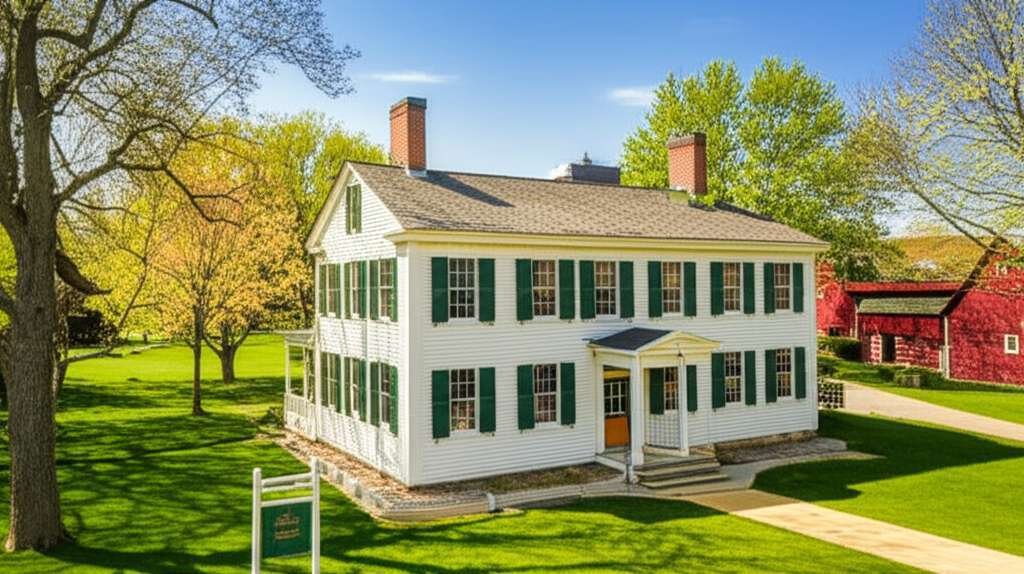
Why Visit Mississauga’s Historic Sites?
Mississauga’s historic sites offer a compelling glimpse into Canada’s past. They showcase the architectural styles, societal changes, and economic drivers that have shaped the region over centuries. Visiting these places provides educational and cultural experiences that are both engaging and memorable.
These sites often feature well-preserved buildings and artifacts, allowing visitors to connect with history in a tangible way. They serve as important reminders of the people and events that have contributed to Mississauga’s identity. It’s a chance to learn and appreciate the journey of this significant Canadian city.
Top 10 Historic Sites in Mississauga
Mississauga boasts a variety of historical locations, each with its own unique charm and significance. From grand estates to humble farmhouses, these sites offer diverse insights into the area’s past. Planning your itinerary around these destinations will provide a well-rounded historical tour.
Here are ten must-visit historic sites that showcase the breadth of Mississauga’s heritage:
Find the Best Accommodation Deals
Compare prices from multiple booking platforms and find the best option for your stay.
Compare Hotel Prices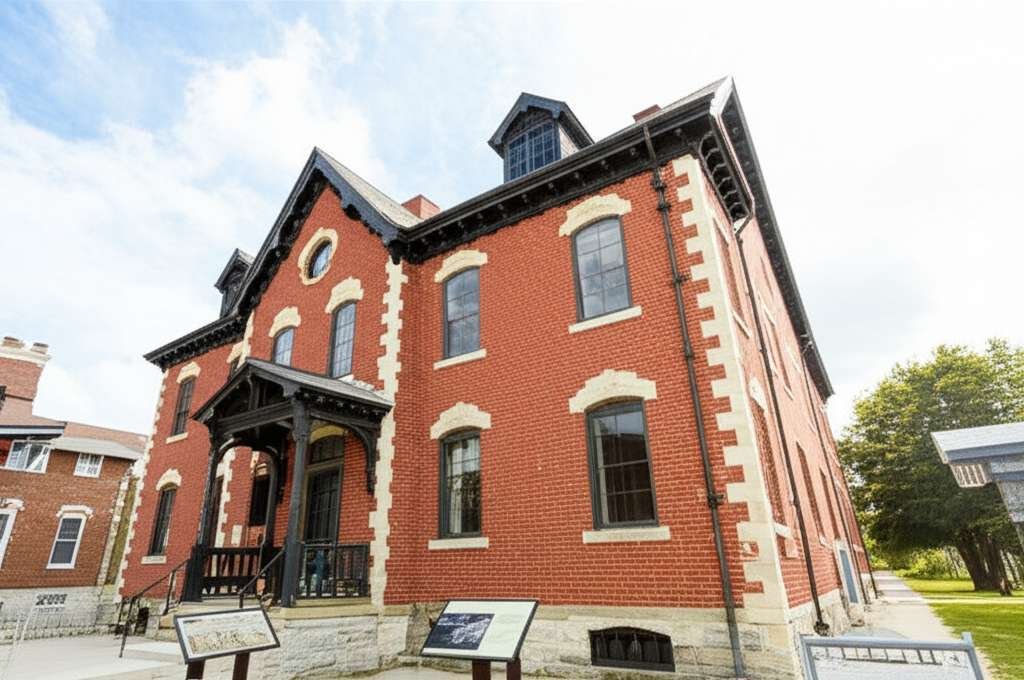
1. The Old Credit Valley Railway Station (Square One GO Station Area)
This historic railway station, though no longer standing in its original form, is a crucial piece of Mississauga’s transportation history. It was part of the Credit Valley Railway, which played a vital role in connecting communities and facilitating trade in the late 19th century. Its existence marked a significant step in the region’s industrial and economic growth.
Find the Best Accommodation Deals
Compare prices from multiple booking platforms and discover the best stay options available.
⭐ Trusted by thousands of travelers
💰 Budget to luxury options available
The station was a hub for passengers and freight, linking Mississauga to wider networks. While the physical structure may have changed or been redeveloped, its historical importance remains. It represents an era when railways were the lifeblood of developing towns and cities.
2. Benares Historic House
Benares Historic House is a beautifully preserved 19th-century farmhouse that offers a window into the lives of early settlers. Originally built in 1857, it showcases the architectural style and domestic life of a prosperous farming family. The house and its surrounding grounds provide an immersive historical experience.
Visitors can explore the meticulously maintained rooms, which are furnished with period pieces. Guided tours often reveal stories about the families who lived here and the agricultural practices of the time. It’s a remarkable example of Victorian-era country living.
Best Stay Deals Available
Compare prices across top booking platforms and find the best deal for your stay.
Check Available Rooms
3. The Bradley Museum
The Bradley Museum is situated on the grounds of a former farm and is a key heritage site in Mississauga. The museum complex includes the original 19th-century farmhouse, offering insights into rural life in the Credit Valley. It actively preserves and interprets the history of the area through exhibits and programs.
This site provides a tangible connection to Mississauga’s agricultural past. It helps visitors understand the challenges and triumphs of those who settled and cultivated the land. The museum also hosts community events, making history accessible and engaging for all ages.
4. The Old Chinguacousy Jail and Courthouse
A visit to the Old Chinguacousy Jail and Courthouse offers a look into the region’s early judicial and administrative history. This stone structure, dating back to the 1860s, served as the center of justice for the community. Its imposing architecture reflects the seriousness of its function.
Exploring this site provides a unique perspective on law enforcement and governance in the 19th century. You can imagine the trials and proceedings that took place within its walls. It’s a stark reminder of how justice systems have evolved over time.
5. Streetsville Glen Rose Quarry Site
This site holds significant geological and industrial historical importance. The Glen Rose Quarry was a key source of limestone in the early 20th century, contributing to the construction of many local buildings. It represents the industrial backbone of Mississauga’s past.
The quarry’s legacy is visible in the landscape and in the structures it helped build. It highlights the natural resources that fueled the region’s growth. Understanding its history reveals the hard work and ingenuity involved in developing the city.
6. Erindale Village and the Historic Streetsville Area
Erindale, now part of Mississauga, was once a significant village in its own right, with a rich history centered around the Credit River. Its development was closely tied to milling and trade. The historic core of Streetsville, a neighboring former village, also preserves much of its 19th-century charm.
Walking through these areas, you can see heritage buildings that once housed shops, homes, and community centers. The riverfront played a crucial role in its early economy. These districts offer a delightful experience of stepping back into a more quaint era.
7. The Credit Valley Stone House Trail
While not a single site, the Credit Valley Stone House Trail connects several historic stone farmhouses built by early settlers. These structures are testaments to the craftsmanship and resilience of the people who farmed this land. Each house tells a story of pioneering life.
Following this trail allows you to appreciate the architectural heritage and the enduring legacy of the agricultural communities. The stone construction often indicates a degree of prosperity and permanence. It’s an excellent way to explore the rural roots of Mississauga.
8. The Old School House at the Mississauga Heritage Centre
The Mississauga Heritage Centre houses a preserved 19th-century schoolhouse, offering a direct look at early education. This one-room school provided fundamental learning for children in the developing community. It’s a nostalgic glimpse into the past educational systems.
Visiting the schoolhouse allows you to imagine the classroom environment of a bygone era. It highlights the importance placed on education even in early settlements. This site is a poignant reminder of how much has changed in educational practices.
9. The Levi Harrison House
The Levi Harrison House is another example of a well-preserved 19th-century home that illustrates the domestic life of affluent families. It showcases architectural details and interior design from the period. Such houses are vital for understanding the social fabric of early Mississauga.
This historic residence provides context on the lifestyle and aspirations of its inhabitants. It’s a valuable resource for architectural historians and anyone interested in social history. The house stands as a monument to the area’s past prosperity.
10. The Meadowvale Cemetery
While a cemetery might seem an unusual historic site, Meadowvale Cemetery is one of the oldest in Mississauga, dating back to the 1840s. It serves as a historical archive, with gravestones marking the resting places of many of the region’s founding families and notable figures.
The inscriptions on the headstones offer insights into the lives, deaths, and family structures of early residents. It’s a place for quiet reflection and a unique way to connect with the individuals who shaped the community. The oldest sections are particularly rich in historical context.
Planning Your Historical Exploration
To make the most of your journey through Mississauga’s historic sites, careful planning is essential. Consider the best times to visit, transportation options, and how to make your trip both enjoyable and educational. Many of these sites offer unique experiences that vary with the seasons.
Here’s a breakdown of what to consider for a smooth and enriching visit.
When Is the Best Time to Visit?
The ideal time to visit Mississauga’s historic sites often depends on your preferences for weather and crowd levels. Spring and fall generally offer the most pleasant temperatures for exploring outdoors and touring heritage homes. Summer can be warm but is also a peak tourist season.
Winter offers a quieter experience, with fewer crowds, but some outdoor sites might have limited accessibility. Check the operating hours for specific sites, as they can vary seasonally.
Here’s a general overview of seasonal considerations:
| Season | Pros | Cons |
| :—— | :—————————————————————————————————- | :———————————————————————————————– |
| Spring | Mild weather, blooming nature, fewer crowds than summer. | Unpredictable rain, some outdoor sites may still be opening for the season. |
| Summer | Long daylight hours, all sites are typically open, vibrant atmosphere. | Hotter temperatures, larger crowds, higher accommodation prices. |
| Fall | Comfortable temperatures, beautiful autumn foliage, fewer crowds after Labour Day. | Shorter daylight hours, some outdoor activities may be limited as weather cools. |
| Winter | Very few crowds, potentially lower accommodation prices, festive holiday atmosphere in some areas. | Cold weather, limited outdoor activities, shorter operating hours for many attractions. |
As you can see, spring and fall provide a great balance of good weather and manageable crowds for exploring historic sites.
Getting Around Mississauga
Mississauga is a large, spread-out city, so having a transportation plan is key. While public transit is available, visiting multiple historic sites might be more efficient with a car. Many sites have parking available, but it’s always good to confirm beforehand.
Consider using a combination of methods:
Personal Vehicle: Offers the most flexibility to visit dispersed locations.
Public Transit (MiWay): Mississauga’s public transit system can connect you to some areas, but routes may require transfers and longer travel times between sites.
Ride-Sharing Services: Convenient for point-to-point travel, especially if you don’t have a car.
Cycling: For sites that are closer together, cycling can be a pleasant way to explore, weather permitting.
Many of the historic homes and museums are located in distinct neighborhoods, making them clusterable for easier visits.
What to Pack for Your Trip
Packing smart ensures comfort and preparedness during your historical explorations. Comfortable walking shoes are essential, as you’ll likely be doing a lot of walking, especially around heritage homes and grounds. Layers of clothing are recommended to adapt to changing temperatures throughout the day.
Here are some essential items to consider:
Comfortable walking shoes
Layers of clothing (t-shirts, sweaters, light jacket)
Water bottle to stay hydrated
Sunscreen and hat for sunny days
Camera to capture memories
Small backpack for essentials
A light umbrella or rain jacket, especially in spring and fall
Snacks for in-between meals
This list will help you stay comfortable while you delve into the past.
Budgeting for Your Visit
The cost of visiting Mississauga’s historic sites can vary. Some sites may have admission fees, while others are free to explore their grounds. It’s wise to research the specific entry costs for each location you plan to visit.
Here are some tips for managing your budget:
Check for Combo Tickets: Some heritage organizations offer combined admission for multiple properties.
Look for Free Days: Occasionally, museums and historic sites offer free admission days or special events.
Pack Your Own Lunch: Eating at restaurants near attractions can add up. Packing a picnic lunch can save money, especially for sites with pleasant grounds.
Prioritize: Decide which sites are most important to you and allocate your budget accordingly.
Consider an Annual Pass: If you plan to visit multiple sites managed by the same organization, an annual pass might be cost-effective.
Remember to factor in transportation and food costs when planning your overall budget.
Experiencing History: Tips for Visitors
To truly appreciate Mississauga’s historic sites, engage with the experience actively. Don’t just look; try to imagine the lives and events connected to each location. Many sites offer guided tours, which are invaluable for gaining deeper insights.
Here are some ways to enhance your visit:
Take Guided Tours: Docents and guides often share fascinating stories and details not available in brochures.
Read Interpretive Signs: These signs provide context and historical information about specific features.
Imagine the Past: Try to picture the people who lived and worked there, the daily routines, and the historical context.
Respect the Sites: Remember that these are historic structures. Follow rules regarding touching artifacts or going into restricted areas.
Engage with Staff: Museum staff and volunteers are usually knowledgeable and happy to answer questions.
Frequently Asked Questions
What are the operating hours for most historic sites in Mississauga?
Operating hours vary by season and by individual site. Most historic homes and museums are typically open from late spring to early fall, often Wednesday through Sunday, with limited hours. It is highly recommended to check the official website of each specific site for the most current hours of operation before your visit.
Are there any free historic sites to visit in Mississauga?
While many historic homes and museums have admission fees, exploring the grounds or heritage districts like Streetsville can be free. Some public parks may also contain historical markers or remnants of past structures. Always check individual site details for admission policies.
Can I take photos at the historic sites?
Photography policies differ. Personal photography for non-commercial use is often permitted inside historic homes, but flash photography may be prohibited to protect artifacts. Some sites may restrict photography in certain areas. It’s best to confirm the photography policy upon arrival or by checking the site’s website.
Are historic sites in Mississauga accessible for people with mobility issues?
Accessibility can be a challenge at some older heritage properties due to their original construction. Many sites are working to improve accessibility, offering ramps, accessible washrooms, or virtual tours. It is advisable to contact each historic site directly to inquire about their specific accessibility features before planning your visit.
What kind of events are held at Mississauga’s historic sites?
Historic sites often host a variety of events, including historical reenactments, workshops, seasonal festivals, educational programs for children and adults, and special exhibits. These events provide unique opportunities to experience history in an engaging way. Check the event calendars of your chosen sites online.
How can I learn more about the history of a specific site before visiting?
Most historic sites have websites that provide detailed information about their history, the people associated with them, and their architectural significance. Local library archives and the City of Mississauga’s heritage resources are also excellent places to research further.
Is it recommended to visit these sites with children?
Yes, many historic sites offer engaging experiences for children. Some sites have specific family-friendly programs or exhibits designed to make history fun and accessible for younger visitors. Hands-on activities and interactive elements can make the visit educational and enjoyable for the whole family.
Conclusion
Mississauga’s historic sites offer a rich tapestry of stories, from the lives of early settlers and industrialists to the evolution of community and governance. Exploring these ten locations provides a deep dive into the city’s heritage, showcasing its journey through time. Each site presents a unique opportunity to learn, connect, and appreciate the foundations upon which modern Mississauga was built.
By planning your visit with considerations for the best time to go, transportation, and packing essentials, you can ensure a rewarding and educational experience. These historical gems are waiting to be discovered, offering insights that go far beyond the contemporary cityscape. Every great trip starts with a little smart planning — now you’re ready to explore!