
Pop up tents are easy-to-set-up shelters that make outdoor adventures stress-free. Whether you’re heading to a music festival or a backyard BBQ, these tents save time and effort without sacrificing style or protection. With features like UV resistance, waterproof fabrics, and compact designs, pop up tents are a must-have travel gadget for any outdoor enthusiast.
Key Takeaways
- What Are Pop Up Tents: These are lightweight, collapsible tents that can be set up in seconds using a built-in frame mechanism—no poles or tools required.
- Ideal For: Camping, tailgating, beach outings, festivals, and emergency shelter.
- Key Features: Waterproof materials, UV protection, ventilation, and compact storage bags.
- Setup Time: Most models deploy in under 60 seconds, making them perfect for spontaneous outdoor plans.
- Portability: Weighing as little as 3–5 lbs, they fit easily into backpacks or car trunks.
- Durability Matters: Choose models with reinforced frames and high-denier fabric for long-term use.
- Safety First: Always check wind ratings and secure tents properly in stormy conditions.
📑 Table of Contents
- Introduction: Why Pop Up Tents Are Changing the Game
- What Exactly Is a Pop Up Tent?
- How Do Pop Up Tents Work?
- Types of Pop Up Tents for Every Adventure
- Benefits of Choosing a Pop Up Tent
- Tips for Buying and Using Your First Pop Up Tent
- Common Misconceptions About Pop Up Tents
- Conclusion: Your Go-To Outdoor Companion
Introduction: Why Pop Up Tents Are Changing the Game
Imagine arriving at a campsite after a long drive, only to spend 20 minutes wrestling with tent poles and struggling to get the fabric taut. Frustrating, right? Enter the pop up tent—a revolutionary design that turns setup from a chore into a breeze. Unlike traditional tents requiring multiple steps and tools, pop up tents feature an internal bungee cord or spring-loaded frame that springs open the moment you lift the center pole. In under 30 seconds, your shelter is ready.
Check the latest prices and available rooms before they sell out.
These aren’t just convenience gadgets—they’re game-changers for outdoor lovers. Whether you’re packing light for a weekend hike, setting up shade at a beach day, or creating a cozy space at a music festival, pop up tents deliver speed, portability, and reliability. And with advancements in materials and design, today’s models are more durable and weather-resistant than ever before.
What Exactly Is a Pop Up Tent?
A pop up tent is a type of portable shelter designed with a collapsible frame that automatically expands when lifted. The magic lies in its integrated frame system—usually made of lightweight aluminum or fiberglass—that unfolds outward as you pull the center rod. This eliminates the need for threading poles through sleeves, which is where most people get stuck with regular tents.
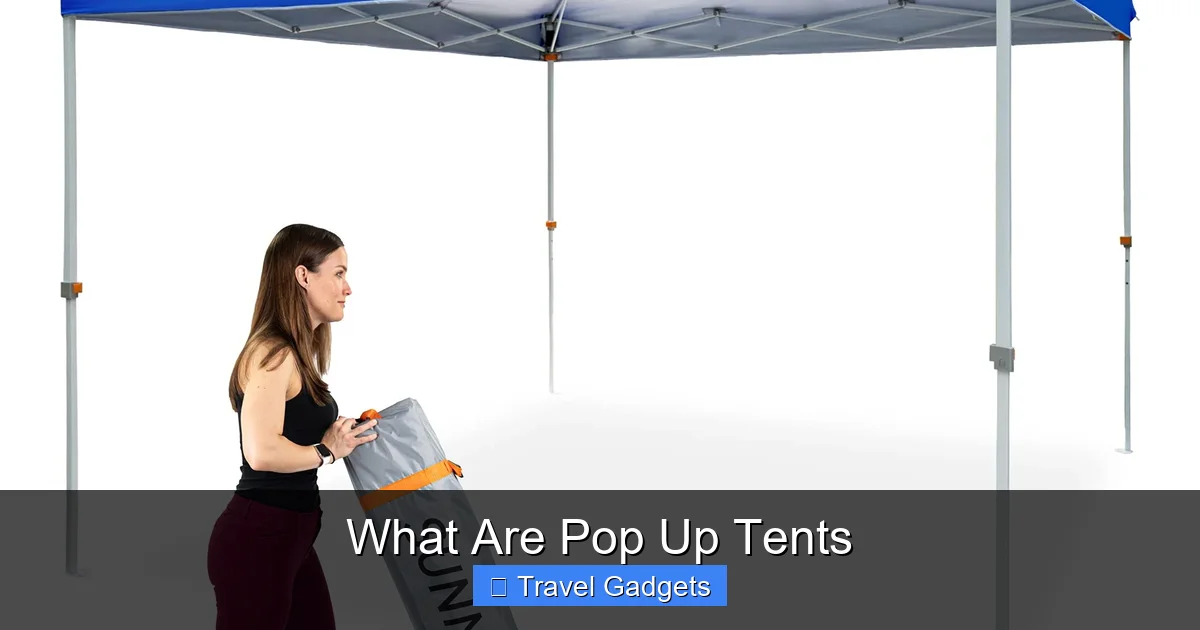
The Anatomy of a Pop Up Tent
Understanding the parts helps you choose wisely:
- Frame: Typically spring-loaded or bungee-corded, allowing instant deployment.
- Fabric Shell: Made from polyester or nylon with coatings for water resistance and UV protection.
- Doors & Vents: Mesh panels for airflow and insect protection; some include zippered closures.
- Floor: Many come with built-in floors to keep dirt and moisture out.
- Storage Bag: Compression straps help shrink the tent into a compact size—often smaller than a water bottle.
Most modern pop up tents also include features like sandbag pockets, guy lines, and reflective strips for added safety and stability.
Find the Best Accommodation Deals
Compare prices from multiple booking platforms and find the best option for your stay.
Compare Hotel PricesHow Do Pop Up Tents Work?
The setup process is refreshingly simple. Start by laying the tent flat on its side, usually with the door facing away from the wind. Grab the center pole and pull upward. As you lift, the frame springs open, locking into place. Some models require a gentle shake or tug to fully expand all sides. Once upright, you may need to secure guy lines (if included) and adjust tension for stability.
Take down is equally fast. Squeeze the sides together and fold inward until the frame collapses. Then tuck everything back into the carry bag. No disassembly needed—just fold, pack, and go!
Find the Best Accommodation Deals
Compare prices from multiple booking platforms and discover the best stay options available.
⭐ Trusted by thousands of travelers
💰 Budget to luxury options available
This user-friendly design makes pop up tents ideal for travelers, families, and anyone who values efficiency without compromising comfort.
Types of Pop Up Tents for Every Adventure
Not all pop up tents are created equal. Different styles suit different activities and environments. Here’s a breakdown:
1. Instant Canopy Tents
Perfect for picnics, markets, and tailgates, these wide-top shelters offer generous shade but minimal privacy. They often lack enclosed walls and are anchored to the ground with stakes or weights.
Best Stay Deals Available
Compare prices across top booking platforms and find the best deal for your stay.
Check Available Rooms2. Dome-Style Pop Up Tents
These resemble classic camping tents but with faster setup. They’re great for backpackers and campers who want shelter without the hassle. Brands like Coleman and REI offer reliable dome models with room for two people.
3. Beach Pop Up Tents
Designed specifically for sand and sun, these feature mesh sides for breeze flow, UPF 50+ fabric, and sand anchors. Some even float in shallow water! Great for parents with kids needing quick shade.
4. Festival & Event Tents
Larger versions used at music festivals or outdoor weddings often include sidewalls, branding space, and sturdy frames to withstand crowd pressure.
5. Emergency Shelters
Inflatable or rapid-deployment models serve as temporary housing during disasters. Lightweight and easy to store, they’re recommended by FEMA and Red Cross for preparedness kits.
Benefits of Choosing a Pop Up Tent
Why do millions swear by pop up tents? Let’s break down the perks:
Speed and Convenience
Set up in under a minute? Yes, please! This saves time and energy—especially useful when kids are running around or you’ve got limited daylight at a campsite.
Compact Storage
When folded, many pop up tents fit in a backpack or glove compartment. No bulky stuff to drag around.
Weather Protection
High-quality models resist rain, wind, and harmful UV rays. Look for sealed seams, waterproof ratings (like 1500mm), and reinforced corners.
Kid-Friendly Design
Children love helping “pop” the tent open. It builds confidence and makes outdoor play more engaging.
Cost-Effective
Compared to full-featured camping gear, pop up tents offer excellent value. You don’t need a $500 expedition tent just for weekend trips.
Versatility
Use it at home, on vacation, at work (for lunch breaks), or during emergencies. One tent, endless uses.
Tips for Buying and Using Your First Pop Up Tent
Ready to buy? Follow these smart tips:
Check Weight and Size
If you’re hiking, aim for under 5 lbs. For family trips, prioritize square footage over weight.
Look for Sturdy Materials
Aluminum frames last longer than plastic. Polyester with PU coating offers better water resistance than standard nylon.
Verify Wind Resistance
Read reviews about performance in strong gusts. Tents rated for 20+ mph winds handle coastal areas and mountain breezes well.
Practice Setup
Before your trip, practice folding and unfolding at home. Muscle memory saves stress on the road.
Always Secure Properly
Use stakes, sandbags, or heavy rocks to anchor corners. Never rely solely on the bungee system in high winds.
Caring for Your Tent
After each use, wipe down fabric, let it dry completely, and store in a cool, dry place. Avoid leaving it wet—mold thrives in damp environments.
Common Misconceptions About Pop Up Tents
Let’s clear up some myths:
- Myth: They’re flimsy and won’t last.
Fact: Many premium models rival traditional tents in durability. Just read the specs! - Myth: Only for beginners.
Fact: Experienced campers love them for their speed and portability. - Myth: Can’t be used in bad weather.
Fact: With proper anchoring and waterproofing, they perform well in moderate rain and wind.
Remember: cheap models cut corners. Investing in a mid-range pop up tent pays off in longevity and performance.
Conclusion: Your Go-To Outdoor Companion
So, what are pop up tents, really? More than just quick shelters—they’re smart solutions for modern adventurers. From eliminating setup frustration to offering reliable protection in diverse conditions, these tents embody convenience without compromise.
Whether you’re escaping city life for a forest retreat, soaking up summer at the lake, or prepping for unexpected storms, a quality pop up tent fits seamlessly into your lifestyle. Pair it with a sleeping pad, cooler, and a good playlist, and you’ve got the ultimate mobile basecamp.
Next time you plan an outdoor outing, skip the complicated gear checklist. Grab your pop up tent—because sometimes, the fastest way to enjoy nature is the simplest.
Frequently Asked Questions
Are pop up tents waterproof?
Many are, especially those with polyurethane (PU) coatings and sealed seams. Look for a waterproof rating like 1500mm or higher. Always check manufacturer details, as budget models may leak in heavy rain.
How long do pop up tents last?
With proper care, a decent pop up tent can last 3–7 years. Exposure to moisture, UV rays, and rough handling shortens lifespan. Store it dry and avoid dragging it on pavement.
Can you sleep inside a pop up tent?
Yes, especially dome-style models designed for camping. Ensure it’s large enough for your gear and has adequate ventilation to prevent condensation buildup overnight.
Are pop up tents wind resistant?
They handle light to moderate winds if properly staked and secured. Avoid using them in gale-force conditions or open fields without windbreaks. Check local forecasts before setup.
Do I need a ground tarp with my pop up tent?
While not always required, a tarp adds extra protection against moisture and abrasion. It’s a cheap insurance policy for your tent floor and worth the small investment.
Where can I buy a reliable pop up tent?
Reputable brands like Coleman, Ozark Trail, Eureka!, and Kelty sell quality models online and in sporting goods stores. Read recent reviews and compare warranties before purchasing.