
Family camping trips should be fun, not stressful—especially when you’ve got the right shelter. Choosing the best tents for family camping means prioritizing space, weather resistance, and quick setup. With so many models on the market, it’s easy to feel overwhelmed. This guide breaks down the top picks so your next adventure stays comfortable and hassle-free.
There’s something magical about watching the sunrise through a tent fly, hearing birds chirp just outside your door, and sharing stories by the campfire. But let’s be real—those moments are way more enjoyable when your shelter isn’t collapsing in the wind or leaking during a light drizzle. When you’re packing up the kids, pets, and all the snacks, the last thing you want is a complicated tent that takes an hour to set up. That’s why finding the best tents for family camping isn’t just about square footage—it’s about comfort, reliability, and peace of mind.
Check the latest prices and available rooms before they sell out.
Whether you’re heading to a national park for a weekend getaway or setting up camp at a summer music festival, your family deserves a shelter that keeps everyone dry, cool, and cozy. In this article, we’ll walk you through what makes a tent truly family-friendly, highlight some of the top-rated models, and share practical tips to help you choose the perfect one. From freestanding designs with roomy interiors to tents built for heavy storms, we’ve got you covered.
Key Takeaways
- Size matters: Look for tents with at least 6–8 sleeping positions and extra room for gear or a small living area.
- Weather protection is key: Choose models with strong frames, waterproof fabrics, and full-coverage rainflies.
- Easy setup saves time: Freestanding designs with color-coded poles make pitching a breeze, even with kids around.
- Ventilation prevents condensation: Mesh walls and multiple windows help airflow and keep things dry inside.
- Durability ensures longevity: Aluminum poles and ripstop fabric stand up to wind, rain, and repeated use.
- Storage solutions add convenience: Interior pockets, gear lofts, and vestibules help keep clutter under control.
- Weight vs. portability: Most family tents balance size with moderate weight—avoid ultra-light models if you’ll be hauling them far.
📑 Table of Contents
What Makes a Tent Ideal for Family Camping?
Not all tents are created equal—especially when you’re talking about keeping your whole crew happy. The best tents for family camping do more than just keep rain out; they enhance the overall experience. Let’s break down the must-have features.
Spacious Interiors and Smart Layouts
When you’re camping with kids, space isn’t just nice—it’s essential. You need room not only for sleeping bags but also for stashing backpacks, boots, and maybe even a portable cooler. Look for tents labeled as “family” or “group” models, typically rated for 4 to 10 people. But don’t rely solely on the number—some brands inflate their capacity claims.
Instead, check the floor dimensions. A 10-person tent might have two separate rooms, each measuring 9×7 feet, which gives you breathing room. Bonus points if there’s a central divider or privacy wall. Some models even include a “living area” section where you can cook, play games, or relax during bad weather.
Weather Resistance and Durability
Mother Nature doesn’t care how many stuffed animals you brought along. If your tent can’t handle wind, rain, or snow, it’s not doing its job. The best tents for family camping come with:
– Waterproof ratings (≥1500mm): This measures how well the fabric repels water. Anything below that starts to feel like camping in a tarp.
– Strong pole systems: Aluminum poles are lighter than steel but still sturdy enough to withstand gusts.
– Full-coverage rainfly: It should cover both doors and windows completely to prevent leaks during sudden showers.
Also, look for sealed seams and taped reinforcements. These tiny details make a big difference when storms roll in unexpectedly.
Ease of Setup and Portability
Let’s face it: nobody enjoys wrestling with tangled tent poles after a long day of hiking. The best tents for family camping prioritize user-friendly design. Features like:
– Color-coded poles: Each pole matches its corresponding sleeve, making assembly intuitive.
– Freestanding structure: These can be moved without stakes, which is great if you want to rearrange your campsite.
– Lightweight yet compact: Even though they’re large, most quality family tents weigh between 15–25 pounds per person—manageable for most adults to carry.
Find the Best Accommodation Deals
Compare prices from multiple booking platforms and find the best option for your stay.
Compare Hotel PricesSome models even come with built-in footprints or carry bags with shoulder straps for easier transport.
Ventilation and Condensation Control
Camping in warm climates? Condensation buildup inside your tent can turn a cozy night into a damp nightmare. Good airflow is non-negotiable. Top-tier family tents include:
– Mesh panels on doors and windows: They allow cross-ventilation while keeping bugs out.
– Multiple roof vents: Hot air rises, so having exhaust vents at the top helps circulate fresh air downward.
– Adjustable window flaps: You can open them wide for breezes or zip them shut for privacy.
Find the Best Accommodation Deals
Compare prices from multiple booking platforms and discover the best stay options available.
⭐ Trusted by thousands of travelers
💰 Budget to luxury options available
Remember: even in winter, proper airflow prevents moisture from settling on your sleeping bags.
Additional Storage and Convenience Features
Kids bring toys, parents bring books, and everyone brings snacks. Without storage, chaos follows. The best tents for family camping offer:
– Interior pockets: Perfect for holding phones, flashlights, or small essentials within reach.
– Gear lofts: Hang your lantern or stash lightweight items overhead.
– Vestibules: These enclosed entryways provide extra space for muddy boots or wet jackets without tracking dirt into the main cabin.
Some models even feature removable dividers, allowing you to customize room layouts based on your group size.
Best Stay Deals Available
Compare prices across top booking platforms and find the best deal for your stay.
Check Available RoomsTop-Rated Family Tents to Consider
Now that we’ve covered the essentials, let’s spotlight some standout options. These models consistently earn high marks from campers and outdoor experts alike.
The North Face Tadpole Pro 3
If you’re serious about comfort and performance, this tent delivers. Built for alpine conditions, it uses a unique dome-and-tunnel hybrid design that resists wind better than traditional pole setups. Its double-wall construction includes a full-coverage rainfly and taped seams, ensuring dryness even in heavy downpours. The interior boasts generous headroom (up to 6’2″), making tall adults feel at ease. Plus, the included gear loft and multiple pockets keep clutter at bay. At 11 lbs, it’s slightly heavier than average, but worth it for serious adventurers.
Coleman Sundome 6-Person Tent
For budget-conscious families who still want reliability, Coleman’s Sundome series is hard to beat. The 6-person model offers 28 square feet of floor space and stands up well in moderate weather. It’s freestanding, easy to pitch in under 10 minutes, and comes with a durable polyester fly. While it lacks some premium features like mesh roofs or vestibules, it’s dependable, affordable, and backed by Coleman’s trusted reputation. Ideal for beginners or casual campers.
REI Co-op Kingdom 6
This tent strikes a sweet spot between luxury and practicality. Spacious enough for six adults with room for gear, it features a room divider, dual doors, and excellent ventilation. The DAC Featherlite NSL poles are renowned for strength and lightness, and the bathtub-style floor prevents water from seeping in. REI’s commitment to sustainability shines through in its recycled materials. Weighing in at 15 lbs, it’s manageable for backpacking trips too—perfect if you split time between car camping and hikes.
Eureka! Copper Canyon LX 6
Known for its “carport-style” awning-like vestibule, this tent offers massive sheltered space—ideal for cooking or storing equipment. The Copper Canyon LX 6 has 100 square feet of floor area, towering 78-inch peaks, and a robust aluminum frame. It’s designed for year-round use, withstanding winds up to 40 mph. The only downside? It’s bulky and heavy (over 30 lbs), so it’s best suited for vehicle-based camping where portability isn’t a concern.
NEMO Disco 6P
For tech-savvy families who value innovation, NEMO’s Disco 6P is a game-changer. It includes integrated lighting, USB charging ports, and a smart storage system with clip-in organizers. The “Sleep System” option adds insulated pads and blankets for cold-weather comfort. The tent itself is highly ventilated, with panoramic windows and a spacious interior. Though pricier than competitors, the added conveniences make it a favorite among modern campers.
Choosing Based on Your Camping Style
Your ideal tent depends largely on how you camp. Are you planning weekend trips to established campgrounds, or venturing off-grid into remote wilderness?
Car Camping vs. Backpacking
Most family tents are optimized for car camping, where size and weight aren’t limiting factors. You can pack everything you need, including generators or electric coolers. In contrast, backpacking demands ultralight designs, often with fewer amenities. If you mix both styles, consider a mid-weight option like the REI Kingdom 6, which handles short treks without sacrificing comfort.
Seasonality Matters
Three-season tents (spring, summer, fall) focus on breathability and rain protection. Four-season models, like the Marmot Limelight 6P, include reinforced frames, snow-load capacity, and tighter sealing against cold drafts. Only choose a four-season tent if you’re camping in mountainous regions or high elevations where temperatures drop drastically at night.
Group Dynamics
Camping solo with your partner? A smaller 2–4 person tent may suffice. But if you’ve got toddlers, grandparents, or frequent guests, opt for larger capacities. Remember: more people mean more movement, noise, and potential for condensation—so prioritize airflow and privacy partitions.
Maintenance Tips for Long-Term Use
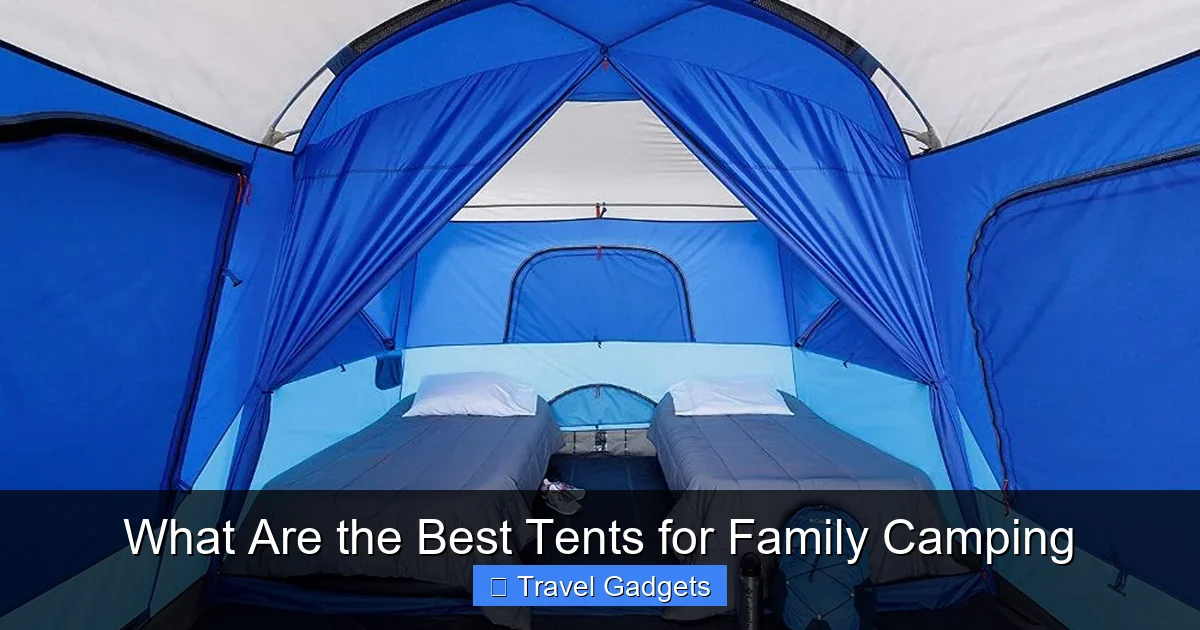
Visual guide about What Are the Best Tents for Family Camping
Image source: campingtentexpert.com
Even the best tents for family camping require care to stay in top shape. Here’s how to extend their lifespan:
– Always dry before storing: Moisture invites mold and mildew. Hang it up or lay it flat in a ventilated area after every trip.
– Clean fabric gently: Use mild soap and water; avoid harsh chemicals that degrade waterproof coatings.
– Inspect regularly: Check for tears, loose zippers, or worn poles before each outing.
– Store properly: Roll (don’t fold!) with the rainfly attached and place in a breathable bag. Avoid plastic bins that trap humidity.
Taking these simple steps ensures your investment lasts for years of memorable adventures.
Frequently Asked Questions
What size tent do I need for a family of five?
For five people, a 6-person tent is usually sufficient, but look for models with at least 85–90 square feet of floor space to accommodate everyone comfortably. Extra room helps with gear storage and reduces crowding.
Are double-wall tents better for families?
Yes, double-wall tents separate the rainfly from the inner tent, improving ventilation and reducing condensation. They’re especially useful in humid or rainy environments common during family vacations.
Can kids sleep in the same tent safely?
Absolutely—many families share a single tent for bonding and safety. Just ensure good airflow, use separate sleeping bags, and teach kids to respect boundaries. Privacy dividers can help younger children feel secure.
How do I prevent condensation in my family tent?
Open windows and vents fully, avoid hanging wet clothes inside, and use reflective ground sheets to reflect body heat away from the floor. Proper airflow is key to minimizing dampness.
Should I buy a tent with a vestibule?
Vestibules add valuable sheltered space for gear and muddy boots. They’re especially helpful with young kids who track in dirt or during unexpected rain showers.
Is it worth spending more on a premium tent?
If you camp frequently or in challenging weather, yes. Premium tents offer better materials, longer warranties, and superior performance. For occasional use, mid-range models like the Coleman Sundome provide solid value.