
Looking for reliable camping tents? This guide explores the most popular brands in the outdoor gear market, helping you choose based on durability, weather resistance, and ease of setup. Whether you’re a weekend camper or a long-distance hiker, these top-rated tents deliver performance and peace of mind on every trail.
Key Takeaways
- Top brands dominate the market: REI Co-op, Coleman, The North Face, MSR, and Big Agnes lead in innovation, quality, and customer satisfaction.
- Material matters: Look for polyester or nylon with waterproof coatings like DWR and seam sealing for reliable protection against rain.
- Weight vs. space: Backpackers favor ultralight designs, while families prioritize interior volume and easy setup features.
- Weather resistance is key: Wind-rated frames, high hydrostatic head ratings, and robust pole systems ensure stability in harsh conditions.
- Ease of setup saves time: Freestanding designs, color-coded poles, and intuitive instructions make pitching faster and less frustrating.
- Warranty and support: Reputable brands offer strong warranties and responsive customer service for added confidence.
- Price reflects quality: Higher-end tents often justify their cost with advanced materials, better ventilation, and longer lifespans.
📑 Table of Contents
Introduction: Finding Your Perfect Shelter
Camping under the stars is one of life’s purest joys—but only if you have a shelter that won’t let you down. Whether you’re setting up camp in a sun-drenched forest or braving windy mountain ridges, choosing the right camping tent can make or break your outdoor experience. With so many options available, it’s easy to feel overwhelmed. That’s why knowing which brands consistently deliver quality, reliability, and innovation is essential.
Check the latest prices and available rooms before they sell out.
In this article, we’ll explore the most popular brands of camping tents, spotlighting what sets them apart. From rugged family tents to ultralight backcountry shelters, these companies have earned their reputations through decades of field testing, customer feedback, and continuous improvement. We’ll cover design innovations, material choices, setup ease, and real-world performance to help you make an informed decision—whether you’re packing for a weekend getaway or a multi-week expedition.
Why Brand Reputation Matters in Tent Selection
Not all tents are created equal. A tent from a well-known brand isn’t automatically perfect, but it usually comes with a track record of reliability, transparent specs, and responsive support. Established brands invest heavily in research and development, often collaborating with professional climbers, military personnel, or outdoor guides to test their products in extreme environments.
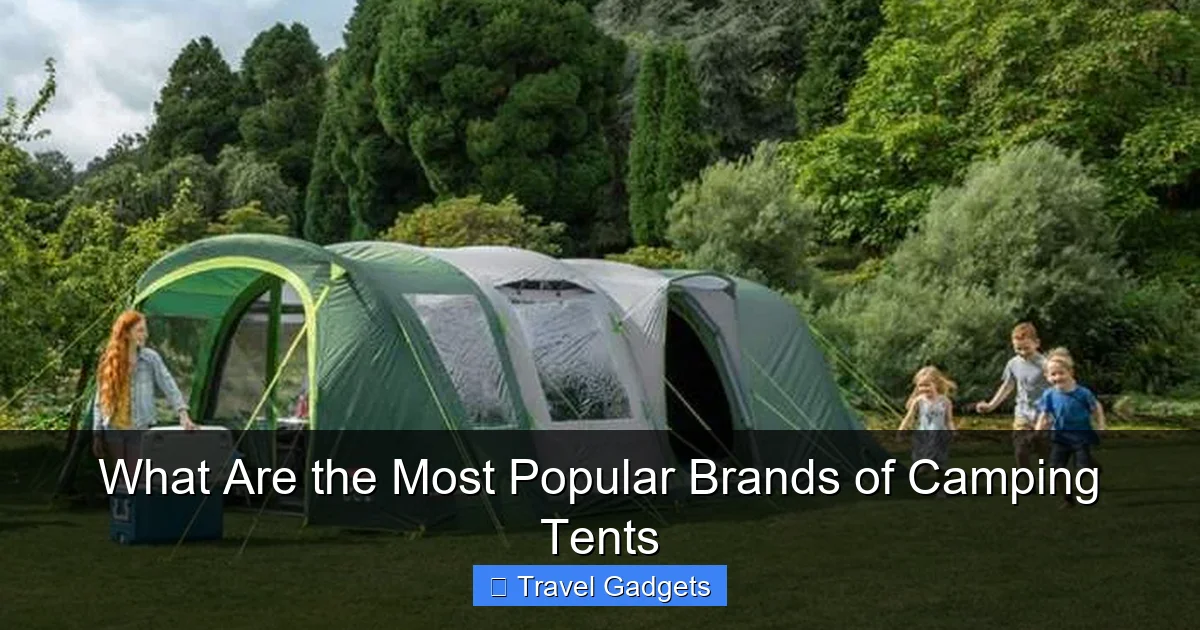
Visual guide about What Are the Most Popular Brands of Camping Tents
Image source: familycamptents.com
For example, brands like The North Face and MSR started as mountaineering specialists, giving them deep expertise in cold-weather performance. Meanwhile, Coleman has been a household name since the 1950s, known for affordable, user-friendly tents ideal for casual campers. Understanding a brand’s heritage helps you align your purchase with your specific needs—whether that’s affordability, portability, or technical excellence.
The Most Popular Brands of Camping Tents
1. REI Co-op
If you value sustainability, quality craftsmanship, and expert advice, REI Co-op stands out as a top choice. REI’s in-house tent line combines thoughtful engineering with eco-conscious materials. Their tents use recycled fabrics and non-toxic treatments, appealing to environmentally aware adventurers.
Find the Best Accommodation Deals
Compare prices from multiple booking platforms and find the best option for your stay.
Compare Hotel Prices
Visual guide about What Are the Most Popular Brands of Camping Tents
Find the Best Accommodation Deals
Compare prices from multiple booking platforms and discover the best stay options available.
⭐ Trusted by thousands of travelers
💰 Budget to luxury options available
Image source: img.baba-blog.com
One standout model is the Co-op 6, a freestanding dome designed for families or small groups. It offers ample space, excellent ventilation, and a waterproof rating of 3000mm—ideal for spring or fall trips. REI also excels in customer service, offering a generous return policy and detailed setup videos on their website. For those who shop at REI, buying a REI tent means supporting a community-driven outdoor retailer committed to conservation and education.
2. Coleman
When it comes to affordable, no-fuss camping gear, Coleman remains unbeaten. Since inventing the first mass-produced tent in 1948, Coleman has built a legacy of reliability and accessibility. Their tents are designed with beginners and casual campers in mind—easy to set up, durable enough for backyard camping, and priced to fit any budget.
Best Stay Deals Available
Compare prices across top booking platforms and find the best deal for your stay.
Check Available RoomsThe Coleman Sundome series is especially popular, featuring WeatherTec™ sealed floors and double-stitched seams for leak resistance. Models like the Sundome 4-person come with a patented insta-clip system that simplifies pole attachment. While not ideal for extreme weather, Coleman tents shine in mild climates and are perfect for car camping or youth group outings. Plus, they’re widely available at big-box retailers, making replacement parts easy to find.
3. The North Face
A pioneer in alpine gear, The North Face brings serious mountaineering expertise to tent design. Their tents are engineered for harsh conditions—lightweight yet incredibly strong, with wind-resistant pole configurations and high-altitude ventilation systems.
The North Face Stormbreak 4 is a favorite among serious campers. It features a freestanding design with a symmetrical dome structure that resists wind shear. The fabric uses a 3000mm waterproof coating and taped seams, while the interior includes a condensation-reducing mesh layer. Though pricier than entry-level models, TNF tents are built to last years of heavy use. If you’re heading into alpine zones or high-wind areas, investing in a TNF tent is worth every penny.
4. MSR (Mountain Safety Research)
MSR is synonymous with backcountry reliability. Founded by climbers and engineers, MSR prioritizes safety, weight savings, and storm performance. Their tents are used by expedition teams and military units worldwide due to their ruggedness and precision engineering.
The MSR Access 2 is a compact, freestanding tent ideal for three-season backpacking. It features a full-coverage fly, bathtub floor, and a large vestibule for gear storage. The pole geometry provides excellent headroom, and the DAC Featherlite™ aluminum poles keep weight low. MSR also offers exceptional customer support and a lifetime warranty on many models. For thru-hikers and alpine travelers, MSR tents are a trusted companion.
5. Big Agnes
If you’re a backpacker seeking comfort without bulk, Big Agnes is a standout brand. Known for ultra-lightweight tents and innovative designs like clip-and-weave pole systems, Big Agnes makes sleeping in the wilderness feel more like home.
The Big Agnes Fly Creek UL 2 weighs just 3 pounds and packs down to a manageable size, thanks to its DAC® adjustable pole system. Despite its light weight, it offers surprising interior space and a large door entrance. The fabric uses a 20D ripstop nylon with a 3000mm waterproof rating. Big Agnes also emphasizes user-friendly features like color-coded corners and simple stake points. Their tents are a favorite among thru-hikers on the Appalachian Trail and Pacific Crest Trail.
6. Kelty
With a history dating back to 1952, Kelty blends classic design with modern functionality. They’re especially known for their double-wall tents, which separate the rainfly from the inner tent to reduce condensation—a game-changer in humid climates.
The Kelty Tru-Zip series uses a unique zipper system that prevents water from seeping in during heavy rain. The Double Hub 2 model offers a spacious interior with vertical walls for added headroom. Kelty tents are often recommended for family camping and basecamps due to their durability and thoughtful details like interior pockets and gear lofts. They’re also backed by a solid warranty and made in the USA, appealing to customers who value local manufacturing.
What Makes a Tent “Popular”?
Popularity isn’t just about sales numbers—it’s about consistent customer satisfaction, industry recognition, and real-world performance. Factors that contribute to a brand’s reputation include:
- Durability: High-quality materials and reinforced stress points extend lifespan.
- Setup Time: Intuitive designs reduce frustration, especially with kids or in low light.
- Weather Resistance: Wind ratings, waterproof coatings, and robust pole systems matter in storms.
- Weight: Ultralight models appeal to backpackers; heavier ones suit car campers.
- Customer Support: Responsive service and easy-to-access replacement parts build loyalty.
Brands that score high across these categories naturally rise to the top. Reviews on sites like REI, Backcountry, and Amazon also play a major role—positive feedback from thousands of users validates a product’s real-world usability.
How to Choose the Right Tent for You
With so many great brands, how do you pick? Start by answering three questions:
- Where will you camp? Forests, mountains, deserts, or lakesides each demand different features.
- Who’s coming with you? A solo hiker needs a single-person tent; a family needs room and easy access.
- What’s your budget? Entry-level tents start around $100; premium models can exceed $700.
For example, if you’re car camping with friends, a Coleman Sundome or REI Co-op 6 offers great value. But if you’re hiking long distances, a Big Agnes or MSR ultralight model will save you miles of extra weight.
Also consider setup complexity. First-time campers might prefer a freestanding, color-coded design, while experienced users may enjoy the challenge of a non-freestanding, minimalist shelter.
Maintenance Tips to Extend Your Tent’s Life
No matter which brand you choose, proper care keeps your tent performing well for years:
- Clean after each trip: Rinse off dirt and debris, then air dry fully before storing.
- Store properly: Never store a wet tent—this causes mold and degrades fabric.
- Repair promptly: Patch small tears with seam sealer or duct tape temporarily.
- Reapply DWR treatment: Most tents lose water repellency over time; spray-on DWR restores it.
Following these steps ensures your investment lasts longer and performs reliably when you need it most.
Conclusion: Your Next Adventure Starts with the Right Tent
Choosing the most popular brands of camping tents doesn’t mean picking the flashiest logo—it means selecting a shelter that matches your lifestyle, terrain, and expectations. Whether you’re drawn to the rugged reliability of MSR, the family-friendly design of REI Co-op, or the ultralight efficiency of Big Agnes, today’s top brands deliver on performance, innovation, and trust.
Remember, the best tent is the one you’ll actually use—and the one that keeps you dry, comfortable, and confident under the stars. So pack smart, set up with care, and get ready to create unforgettable memories in the great outdoors. Your perfect shelter awaits.
Frequently Asked Questions
Which camping tent brand is best for backpacking?
Big Agnes and MSR are top choices for backpacking due to their lightweight construction, durability, and efficient use of space. Models like the Big Agnes Fly Creek UL 2 and MSR Access 2 are specifically designed for long-distance travel, offering a balance of weight savings and weather protection.
Are expensive camping tents worth it?
Yes, especially if you camp frequently or in challenging conditions. Premium tents use stronger materials, better waterproofing, and smarter designs that reduce setup time and increase comfort. While they cost more upfront, their longevity and performance often justify the price over time.
How do I know if a tent is waterproof?
Check the hydrostatic head rating—ideally 2000mm or higher for most camping conditions. Also look for taped seams, a full-coverage rainfly, and a bathtub-style floor. Always test your tent in light rain before relying on it in a storm.
Can I use a tent without a footprint?
It’s possible, but not recommended. A tent footprint protects the tent floor from sharp rocks, moisture, and abrasion. Many brands like REI and Kelty sell custom-fit footprints, which extend the tent’s life and improve insulation.
What’s the difference between a 2-person and 3-person tent?
A 2-person tent is snug, ideal for solo travelers or couples who pack light. A 3-person tent offers more headroom and storage space, making it better for families or those carrying gear. However, larger tents can be harder to set up and carry.
How often should I replace my camping tent?
Most quality tents last 5–10 years with proper care. Replace yours if you notice persistent leaks, torn fabric, broken zippers, or if the poles become loose or brittle. Regular maintenance significantly extends lifespan.