
A 3 season tent is built to handle typical weather from spring through fall—think mild rain, light snow, and moderate winds. It’s lightweight, breathable, and versatile, making it ideal for most campers who don’t need extreme winter protection. Unlike 4 season tents, it won’t survive heavy snowstorms or blizzards, but it offers excellent value for everyday outdoor fun.
Have you ever stood at a tent store aisle, surrounded by colorful canopies labeled “2 season,” “3 season,” and “4 season,” wondering which one actually fits your needs? If you’re new to camping—or even if you’re a seasoned outdoorsperson—you’ve probably asked yourself: *What does a 3 season tent mean, really?*
Check the latest prices and available rooms before they sell out.
Well, you’re in the right place. A 3 season tent isn’t just another piece of outdoor gear; it’s a carefully engineered solution for people who want to enjoy nature safely and comfortably across most of the year. Whether you’re planning a weekend hike, a family cabin getaway, or a solo trek through autumn forests, understanding what makes a 3 season tent tick will help you choose the right shelter—and avoid surprises when Mother Nature shows up unexpectedly.
In this article, we’ll break down everything you need to know about 3 season tents: how they’re built, when they shine, and why they’re often the go-to choice for most campers. So grab your favorite beverage, kick back, and let’s explore the world of three-season shelters together.
Key Takeaways
- Designed for three seasons: Built to perform well in spring, summer, and fall, with limited cold-weather capability.
- Balanced weight and durability: Light enough for backpacking but sturdy enough for car camping.
- Weather resistance: Offers good rain and wind protection but not designed for deep snow or sub-zero temperatures.
- Ventilation focus: Features mesh panels and vents to reduce condensation during warmer months.
- Best for average conditions: Perfect for most hikers, families, and casual campers in temperate climates.
- Not for extreme weather: Avoid using in heavy snowstorms or severe storms without additional shelter.
📑 Table of Contents
- Understanding the “Three Seasons” Label
- Design Features That Define a 3 Season Tent
- When Is a 3 Season Tent Right for You?
- Real-Life Examples: Which Tents Are Considered 3 Season?
- Tips for Getting the Most Out of Your 3 Season Tent
- Common Misconceptions About 3 Season Tents
- The Bottom Line: Why Choose a 3 Season Tent?
Understanding the “Three Seasons” Label
The term “3 season” refers to a tent’s intended use during **spring, summer, and fall**—the three most popular camping seasons in many regions. Unlike 2 season tents (which are open on both ends and used primarily in warm weather) or 4 season tents (built for harsh winter conditions), a 3 season tent strikes a balance between protection and breathability.
These tents are designed to handle **typical seasonal weather patterns**, including light to moderate rain, breezy days, and even occasional sleet or light snow—as long as it’s not extreme. Think of it like wearing a light jacket in autumn: cozy enough for most days, but not built to withstand a blizzard.
Why Not Just One Tent for Everything?
You might wonder: why not just carry one super-tent that works in all conditions? The answer lies in **weight, cost, and functionality**. A single tent that handles blizzards, monsoons, and desert heat would be massive, expensive, and heavy to carry—especially if you’re hiking into remote areas.
By specializing, manufacturers create tents optimized for specific environments. That’s why a 3 season tent is lighter and more affordable than a 4 season model, yet still offers solid protection for most outdoor adventures.
Design Features That Define a 3 Season Tent
Find the Best Accommodation Deals
Compare prices from multiple booking platforms and find the best option for your stay.
Compare Hotel PricesVisual guide about What Does a 3 Season Tent Mean
Image source: rusticaly.com
Find the Best Accommodation Deals
Compare prices from multiple booking platforms and discover the best stay options available.
⭐ Trusted by thousands of travelers
💰 Budget to luxury options available
So, what makes a tent officially qualify as “3 season”? Let’s look at the key design elements that set these shelters apart:
1. Weather Resistance Without Overkill
Most 3 season tents come with **taped seams** and **waterproof fabrics** rated to withstand heavy rain. They’re not as thick as 4 season models, but they’ll keep you dry during downpours common in spring and fall.
For example, brands like REI and Kelty use polyurethane-coated polyester or nylon with ratings around **1500–3000mm hydrostatic head**, meaning they resist water pressure equivalent to moderate rainfall.
Best Stay Deals Available
Compare prices across top booking platforms and find the best deal for your stay.
Check Available Rooms2. Strategic Ventilation Systems
One of the biggest challenges in camping is **condensation buildup**. In warm, humid weather, breath from inside the tent can fog up the walls. To combat this, 3 season tents feature **mesh panels**, **upper vents**, and **adjustable airflow systems**.
This design keeps air moving, reduces moisture inside, and helps regulate temperature—making them ideal for summer camping in forested or mountainous areas where humidity runs high.
3. Lightweight Yet Durable Construction
Since many 3 season tents are used for **backpacking**, they’re made from **lightweight materials** like ripstop nylon. Poles are typically made of **aluminum alloy**, offering strength without adding bulk.
At the same time, they’re reinforced in stress points—like door frames and rainfly attachment zones—to ensure longevity during frequent setups and take-downs.
4. Freestanding Design (Usually)
The vast majority of 3 season tents are **freestanding**, meaning you don’t have to stake them into the ground every time. This makes them easy to move around or reposition if the wind shifts direction.
When Is a 3 Season Tent Right for You?
Visual guide about What Does a 3 Season Tent Mean
Image source: familycamptents.com
Now that you understand the basics, let’s talk about **real-world scenarios** where a 3 season tent excels—and where it might fall short.
Perfect For:
- Backpacking trips in national parks like Yosemite or the Appalachian Trail during summer.
- Family camping at established campgrounds with access to restrooms and fire pits.
- Festival camping at music events like Lollapalooza or Burning Man (though always check local weather forecasts).
- Early spring or late fall excursions when daytime temps are mild but nights can drop near freezing.
- Hiking in alpine zones below tree line—where snow is rare and storms are manageable.
Avoid These Conditions:
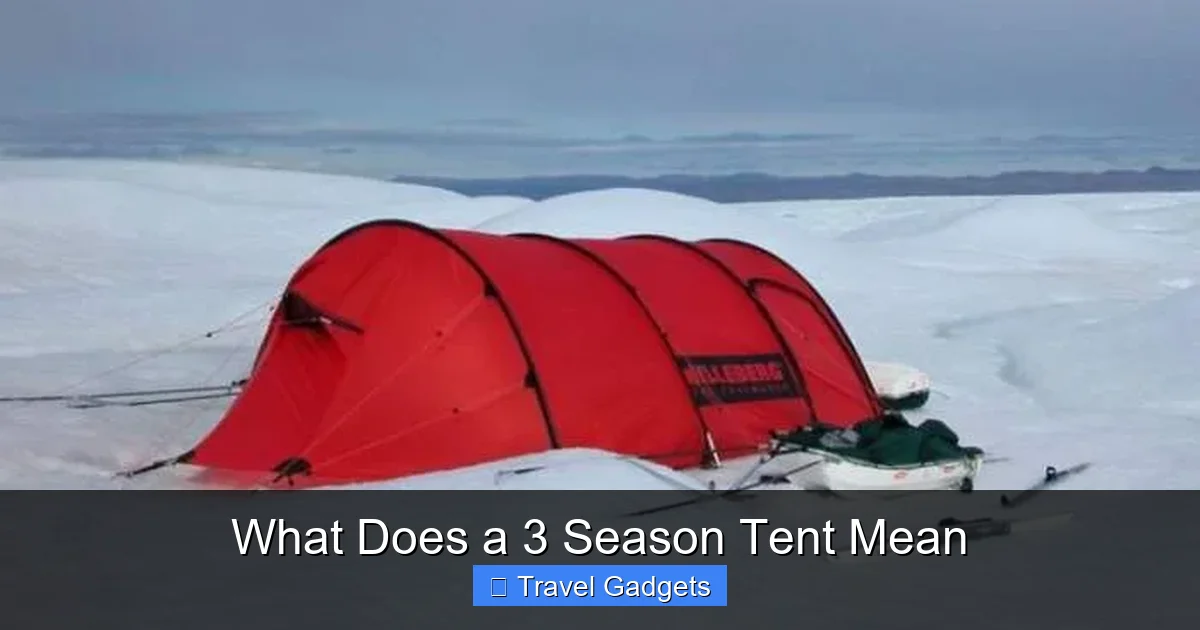
- Heavy snowfall: 3 season tents lack the structural rigidity and low-profile design needed for snow loads.
- Blustery mountain passes: High winds can overwhelm less aerodynamic designs.
- Monsoon seasons: Prolonged exposure to torrential rain may exceed fabric limits.
- Sub-zero temperatures: No insulation means risk of hypothermia if you’re not properly dressed.
Real-Life Examples: Which Tents Are Considered 3 Season?
Visual guide about What Does a 3 Season Tent Mean
Image source: img1.hotstarext.com
Let’s put theory into practice. Here are some popular 3 season tents loved by outdoor enthusiasts:
– Nemo Disco 2: Known for its roomy interior and excellent ventilation—great for hot summer nights.
– REI Co-op Half Dome SL 2+: A budget-friendly option with solid weather protection and easy setup.
– Big Agnes Copper Spur HV UL2: Ultra-lightweight for thru-hikers who need minimal weight but maximum comfort.
– Kelty Lowry 3: Ideal for families wanting extra space and reliable rain coverage.
Each of these models is explicitly marketed as a **3 season tent**, with specs emphasizing weight, ventilation, and moderate weather readiness.
Tips for Getting the Most Out of Your 3 Season Tent
Even the best-designed tent can fail if not used correctly. Here are some pro tips to maximize performance:
Pack the Right Sleeping Gear
While the tent itself isn’t insulated, pairing it with a **good sleeping bag rated for 30°F or lower** ensures warmth during chilly nights. Add a **foam pad** for ground insulation to prevent heat loss.
Use Footprints or Ground Cloths
Protect your tent floor from abrasion and moisture by laying down a **tarp or footprint** underneath. This extends the life of your tent and improves waterproofing.
Mind the Pitch Location
Always pitch your tent on **level ground** away from dead trees (risk of falling branches), fast-moving water, or low spots where rain collects. Use guy lines strategically to stabilize the structure in wind.
Keep It Clean and Dry After Use
After each trip, **dry your tent completely** before storing. Storing damp fabric leads to mold and mildew. Shake out debris and roll it loosely—no tight compression.
Know When to Upgrade
If you frequently camp in snowy terrain or face unpredictable storms, consider investing in a **4 season tent** later. But for 90% of outdoor lovers, a well-chosen 3 season tent delivers everything needed.
Common Misconceptions About 3 Season Tents
Let’s clear up some myths:
– Myth: “A 3 season tent can handle any weather.”
Reality: It’s built for *average* conditions—not extremes.
– Myth: “All 3 season tents weigh the same.”
Reality: Some are ultralight (<3 lbs), others are heavier due to extra features.
- Myth: “You can use it year-round if you add layers.”
Reality: Structural limitations remain—especially in snow.
Understanding these distinctions helps you make smarter gear choices.
The Bottom Line: Why Choose a 3 Season Tent?
At the end of the day, a **3 season tent** is the sweet spot for most campers. It’s versatile, affordable, and engineered for the majority of outdoor experiences. Whether you’re chasing sunsets over lakes or stargazing in the Rockies, this type of shelter gives you reliable protection without unnecessary bulk.
Just remember: no tent is invincible. Respect the environment, check forecasts, and pack accordingly. With the right mindset and gear, your 3 season tent will serve you faithfully through countless adventures.
Frequently Asked Questions
Can I sleep in a 3 season tent when it’s snowing outside?
It’s possible in light snow, as long as accumulation is minimal and temps stay above freezing. However, heavy snow or sustained cold increases risks—especially if the tent lacks structural support for snow loads.
Are 3 season tents safe in thunderstorms?
Yes, provided you follow basic storm safety rules: avoid open fields, keep metal gear away from the tent, and monitor weather alerts. The tent protects against rain but not lightning strikes.
How much weight should a 3 season tent have?
For backpacking, aim for under 6 pounds (for two people). Car campers can tolerate heavier models for added space and durability—up to 10 lbs or more.
Do 3 season tents have room for gear storage?
Many include internal pockets, vestibules, or gear lofts. Check the floor area and vestibule size when comparing models—some offer generous storage for backpacks and cooking kits.
Can I use a 3 season tent in winter if I’m careful?
Technically yes, but it’s not recommended. Winter demands specialized features like snow skirts, robust poles, and low profiles—none standard in 3 season designs.
Are 3 season tents suitable for children?
Absolutely! Look for models with higher ceilings, large doors, and easy setup. Just ensure proper ventilation and supervision during wet or windy conditions.