
Tent camping can be a fun and rewarding experience when you’re properly prepared. Whether you’re heading into the woods for a weekend or embarking on a multi-day adventure, knowing what you need for tent camping makes all the difference. This guide covers everything from a reliable shelter and sleeping bag to cooking gear and emergency supplies, so you can focus on making memories—not stress about missing items.
There’s something magical about stepping away from city lights and waking up to birdsong instead of traffic. Tent camping offers freedom, adventure, and a chance to reconnect with nature—but only if you come prepared. Knowing what you need for tent camping isn’t just about avoiding discomfort; it’s about ensuring safety, comfort, and peace of mind while you’re miles from help.
Check the latest prices and available rooms before they sell out.
Whether you’re a seasoned camper or a first-timer, this guide walks you through every essential piece of gear and mindset shift required for a successful outdoor trip. From choosing the right shelter to packing your food wisely, we’ll break down the must-haves so you can focus on what really matters: soaking in the scenery and creating unforgettable moments under the stars.
Key Takeaways
- Sleep System Matters: A quality tent, sleeping bag, and pad keep you dry and comfortable through the night—don’t skimp on these basics.
- Weatherproof Your Setup: Choose a tent with good rainfly coverage, sealed seams, and sturdy poles to handle wind and unexpected showers.
- Cooking Off the Grid: A portable stove, fuel, and lightweight cookware let you enjoy hot meals without needing electricity or firewood.
- Pack Smart & Light: Use a high-capacity backpack that fits your torso well and includes compartments to organize gear efficiently.
- Safety First: Carry a first-aid kit, headlamp, whistle, and emergency blanket—these small items can prevent big problems.
- Bear in Mind Local Rules: Check regulations for fires, water sources, and campsite reservations before you leave home.
📑 Table of Contents
- The Foundation: Shelter and Sleep Systems
- Staying Comfortable: Clothing and Footwear
- Powering Up: Lighting and Electronics
- Cooking Without Electricity
- Water: Hydration Essentials
- Safety and Emergency Gear
- Backpacking Smarts: Packing and Logistics
- Leave No Trace Principles
- Final Thoughts: Enjoy the Journey
The Foundation: Shelter and Sleep Systems
When planning your next adventure, start with two non-negotiable elements: shelter and rest. After all, you can’t have fun if you’re shivering in a leaky tent or tossing all night on a cold ground.
Choosing the Right Tent
Your tent is your home base. Look for one that balances weight, weather resistance, and space. For beginners, a 2–4 person dome tent with a hydrostatic rating of at least 1,500mm is ideal—it means it can handle heavy rain without leaking.
Consider features like:
– A full-coverage rainfly for added protection
– Sealed seams to keep moisture out
– Multiple vents to reduce condensation
– Easy setup, especially if you’re new to camping
Always test your tent at home before hitting the trail. Pitch it in your backyard or living room (yes, really!) to identify any issues with poles or zippers. Nothing ruins a trip faster than discovering a tear after dark.
Sleeping Bags and Pads
A sleeping bag rated for temperatures slightly below your expected low ensures warmth without overheating. Down bags are ultra-lightweight and compressible but lose insulation when wet—synthetic alternatives work better in damp conditions.
Pair your bag with an insulated sleeping pad. R-value measures thermal resistance; aim for R-3 or higher depending on season. Foam pads are cheap and durable, while inflatable models offer better comfort and packability.
Find the Best Accommodation Deals
Compare prices from multiple booking platforms and find the best option for your stay.
Compare Hotel PricesPro tip: Use a stuff sack to compress your sleeping bag and save space in your pack.
Staying Comfortable: Clothing and Footwear
Find the Best Accommodation Deals
Compare prices from multiple booking platforms and discover the best stay options available.
⭐ Trusted by thousands of travelers
💰 Budget to luxury options available
Visual guide about What I Need for Tent Camping
Image source: explorebees.com
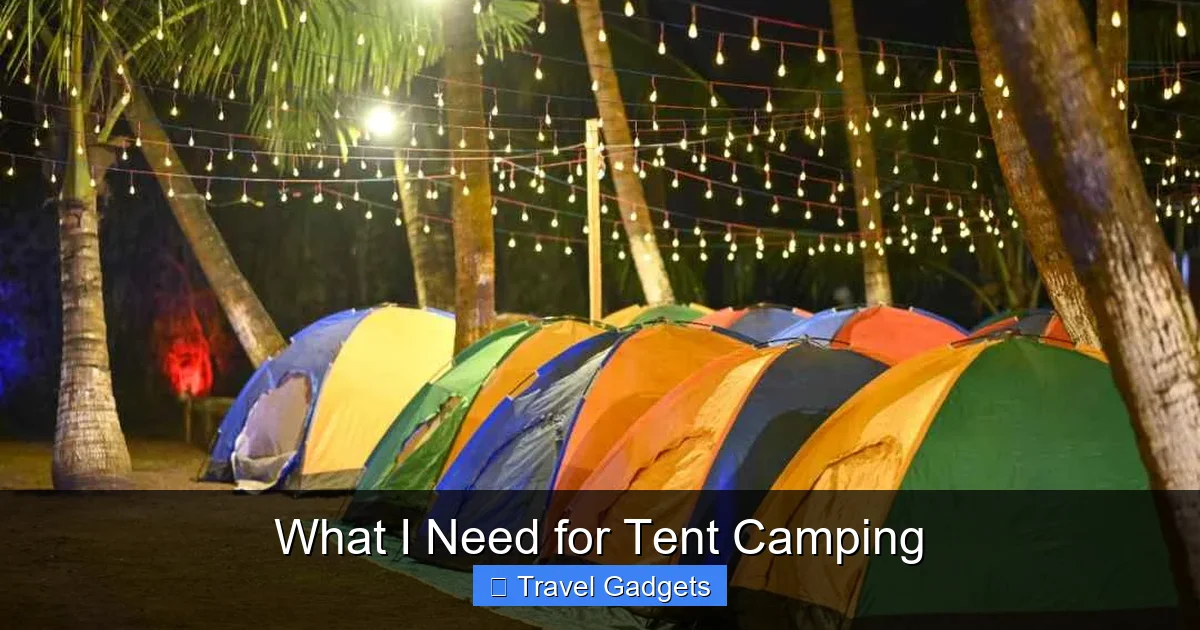
Layering is key. Bring moisture-wicking base layers, insulating mid-layers (like fleece or down), and a waterproof outer shell. Wool socks, hiking boots, and camp shoes (flip-flops or sandals) round out your footwear rotation.
Best Stay Deals Available
Compare prices across top booking platforms and find the best deal for your stay.
Check Available RoomsRemember the “rule of thirds”: pack clothing in quantities that allow you to wash one-third, wear one-third, and bring one-third back home. This minimizes bulk and maximizes versatility.
Powering Up: Lighting and Electronics
Visual guide about What I Need for Tent Camping
Image source: png.pngtree.com
A reliable light source is essential. A headlamp frees up your hands for setting up camp or reading maps. Choose one with adjustable brightness and long battery life—or better yet, one with USB rechargeability.
Don’t forget a backup flashlight and spare batteries. Solar chargers or portable power banks keep phones and GPS devices alive, though avoid draining batteries completely in cold weather.
Cooking Without Electricity
Visual guide about What I Need for Tent Camping
Image source: creativefabrica.com
Most campers rely on portable stoves—canister or liquid fuel models both work well. Canisters are easier to use in cold temps; liquid fuels offer more heat output for winter trips.
Pack lightweight cookware: a pot with lid, utensils, plates, bowls, and a spork. Don’t overlook cleanup! Bring biodegradable soap, a small sponge, and a trowel for digging catholes near water sources.
Store food securely in bear-resistant containers or hang it from a tree if required by local law. Never eat directly from packaging near sleeping areas.
Food Storage Tips
Keep odors contained by using odor-proof bags inside your main food container. Plan simple, nutritious meals—oatmeal for breakfast, foil-wrapped veggies and chicken for dinner. Dehydrated meals are convenient and lightweight too.
Water: Hydration Essentials
Carry enough water for drinking, cooking, and washing—usually 2 liters per person per day minimum. If refilling from streams or lakes, treat water using filters, UV purifiers, or chemical tablets.
Include a collapsible water bottle or hydration bladder that attaches to your pack’s shoulder strap. Always carry a repair patch for leaks—and know how to boil water safely using your camp stove.
Safety and Emergency Gear
Even experienced hikers face unexpected challenges. Be ready with:
– A comprehensive first-aid kit (bandages, antiseptic wipes, pain relievers, tweezers)
– A multi-tool or knife
– A whistle (to signal rescuers)
– An emergency blanket** (reflects body heat)
– A map and compass (GPS doesn’t work everywhere)
Let someone know your itinerary and expected return time. Carry a fully charged cell phone, but don’t depend on it for navigation or emergencies in remote areas.
Fire Safety Basics
If fires are allowed, build them in designated rings using deadfall wood (never cut live trees). Keep water nearby until flames are fully extinguished. Extinguish coals completely before leaving the site.
Backpacking Smarts: Packing and Logistics
Choose a backpack with a capacity of 50–70 liters for weekend trips. Ensure it fits your torso size and distributes weight evenly across your hips—not your shoulders.
Use compression straps to stabilize your load and dry packs to separate wet items (like clothes or dirty dishes). Organize with internal compartments: sleeping bag at the bottom, clothes in the middle, and electronics on top.
Weight Distribution Tips
– Heavier items closer to your back
– Sleeping pad outside if bulky
– Cookset and food within easy reach
– Rain cover stored separately from sleeping bag
Plan your route ahead of time. Download offline maps, check trail conditions, and consider elevation gain. Start early to maximize daylight and avoid afternoon thunderstorms common in mountainous regions.
Leave No Trace Principles
Responsible camping means minimizing your impact. Follow these guidelines:
– Camp at least 200 feet from water sources
– Pack out all trash—including food scraps and toilet paper
– Use established fire rings or go stovetop-only
– Respect wildlife by observing from a distance
– Leave natural objects where you find them
These practices protect ecosystems and ensure future campers can enjoy pristine wilderness too.
Final Thoughts: Enjoy the Journey
Preparing for tent camping doesn’t mean overloading yourself with gear. Focus on reliability, comfort, and safety. Test equipment beforehand, stay flexible with plans, and embrace the unpredictability of nature.
The best camping trips aren’t always the most perfect ones—they’re the ones where you laugh at a flat tire, share stories around a crackling fire, and fall asleep to the sound of crickets. With the right preparation, you’ll be ready for whatever comes your way.
Frequently Asked Questions
What’s the most important thing to bring for tent camping?
The most critical item is a reliable tent with proper rain protection. Without shelter, other gear becomes useless. Pair it with a warm sleeping bag and insulated pad for comfort.
Do I need special clothes for tent camping?
Yes—layered clothing is essential. Bring moisture-wicking base layers, insulating mid-layers, and a waterproof jacket. Wool or synthetic fabrics perform better than cotton in damp conditions.
How much water should I bring?
Plan for at least 2 liters per person daily. Include extra for cooking and cleaning. Always carry a water filter or purification method if refilling from natural sources.
Can I use my smartphone as my only navigation tool?
No. Cell service is unreliable in remote areas. Carry a physical map, compass, and GPS device. Know basic orienteering skills before heading out.
What if I’m camping in bear country?
Store all food, toiletries, and scented items in bear-resistant containers or hang them at least 10 feet off the ground and 4 feet from tree trunks. Never store these items inside your tent.
Is it okay to cook over an open flame?
Only if permitted and done responsibly. Use established fire rings, use only deadfall wood, and fully extinguish coals before leaving. Many parks now require stoves due to fire restrictions.