
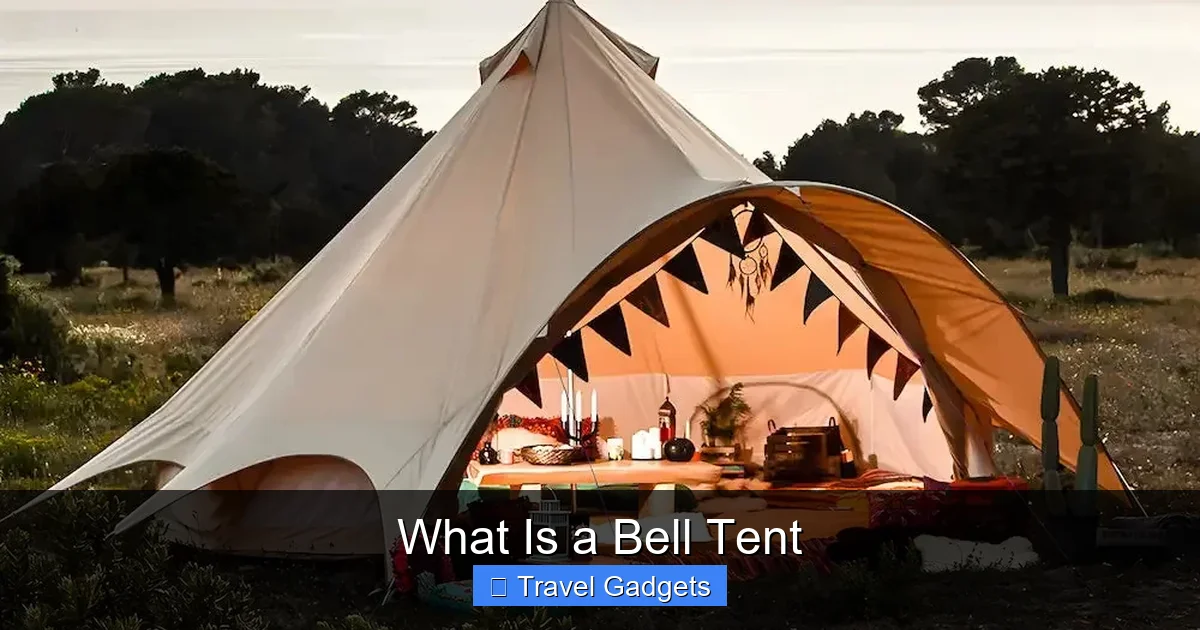
A bell tent is a classic, dome-shaped canvas shelter that’s lightweight, easy to set up, and perfect for outdoor adventures. Originally used by nomadic tribes like the Bedouins, today’s bell tents are stylish, durable, and ideal for camping, festivals, or glamping getaways. Whether you’re a weekend camper or a digital nomad exploring the wild, a bell tent offers comfort, charm, and connection to nature.
Key Takeaways
- What is a bell tent? A bell tent is a round, dome-shaped canvas tent with a central pole and flared walls—originally designed for durability and weather resistance.
- Modern uses: Today, bell tents are popular for camping, glamping, festivals, home offices, and emergency shelters due to their portability and aesthetic appeal.
- Easy setup: Most bell tents come with simple assembly instructions, requiring minimal tools and under 30 minutes to pitch.
- Weather-resistant design: Made from heavy-duty canvas or polyester, bell tents offer excellent ventilation, rain protection, and insulation.
- Versatile applications: Beyond camping, they’re used as backyard guest rooms, yoga studios, pop-up shops, or even tiny homes.
- Eco-friendly option: Bell tents are reusable, recyclable, and made from natural materials, reducing plastic waste compared to disposable shelters.
- Customizable features: Many models include windows, mesh panels, gear lofts, and fire-resistant coatings for added comfort and safety.
📑 Table of Contents
- What Is a Bell Tent? The Ultimate Outdoor Shelter Explained
- The Origins and History of the Bell Tent
- How Does a Bell Tent Work?
- Why Choose a Bell Tent Over Other Tents?
- Top Uses for a Bell Tent in 2024
- Choosing the Right Bell Tent: Tips and Features to Consider
- Care and Maintenance of Your Bell Tent
- The Future of Bell Tents: Innovation Meets Tradition
- Conclusion: Why Every Adventurer Needs a Bell Tent
What Is a Bell Tent? The Ultimate Outdoor Shelter Explained
Imagine stepping into a world where simplicity meets adventure. You’ve just arrived at a secluded campsite nestled in the woods, or perhaps you’re setting up your backyard for a weekend glamping retreat. As you unfold the canvas walls and watch them rise into the sky, you realize this isn’t just any tent—it’s a bell tent. Sleek, sturdy, and timeless, the bell tent has become one of the most beloved travel gadgets for modern explorers who value both function and flair.
Check the latest prices and available rooms before they sell out.
But what exactly is a bell tent? And why has this vintage design remained so popular in an age of high-tech gear and modular shelters? Let’s dive deep into the origins, features, and modern-day uses of the bell tent—a true icon of outdoor living.
The Origins and History of the Bell Tent
A Nomadic Heritage
The bell tent’s roots stretch back over a thousand years, originating with the nomadic people of Central Asia, including the Mongols and Turkic tribes. These early tents were crafted from animal hides or woven fabric, supported by wooden poles, and shaped like a bell to deflect wind and snow. Their wide base and conical top allowed cold air to escape while keeping warmth inside—a clever solution born from harsh climates.
From Desert Nomads to Modern Campers
Over time, the design traveled across continents. European settlers adopted the bell tent for frontier life, and by the 19th century, it became a symbol of rugged independence. Fast forward to today, and the bell tent has shed its purely utilitarian image. Now, it’s embraced by campers, festival-goers, and eco-conscious travelers alike. Thanks to improvements in materials and design, the modern bell tent blends historical charm with contemporary convenience.
How Does a Bell Tent Work?
Structure and Design
A typical bell tent features a central pole that runs from the floor to the apex of the roof, providing structural support. This pole is inserted into a reinforced grommet in the center of the tent floor. From there, canvas walls flare outward and connect to the ground via guy lines and tent pegs. The result? A dome-shaped shelter that’s stable in windy conditions and surprisingly roomy inside.
Find the Best Accommodation Deals
Compare prices from multiple booking platforms and find the best option for your stay.
Compare Hotel Prices
Visual guide about What Is a Bell Tent
Find the Best Accommodation Deals
Compare prices from multiple booking platforms and discover the best stay options available.
⭐ Trusted by thousands of travelers
💰 Budget to luxury options available
Image source: lucidomes.com.au
Ventilation and Climate Control
One of the standout features of a bell tent is its excellent airflow. Most models have multiple windows and a top vent that allows hot air to escape while letting cool breezes flow through. Mesh panels can be added for insect protection without sacrificing breathability. This makes bell tents comfortable year-round, whether you’re in summer heat or autumn chill.
Why Choose a Bell Tent Over Other Tents?
Spacious Interior Without Bulk
Unlike traditional dome tents that prioritize weight savings over space, bell tents maximize interior volume. The flared walls give you plenty of headroom and standing space—some models even allow you to stand upright near the center. Yet, they remain relatively compact when packed, making them ideal for backpackers who want comfort without the bulk.
Best Stay Deals Available
Compare prices across top booking platforms and find the best deal for your stay.
Check Available Rooms
Visual guide about What Is a Bell Tent
Image source: irongatescenery.co.uk
Wind and Weather Resistance
The low-profile, aerodynamic shape of a bell tent reduces wind resistance. Combined with heavy-duty canvas or ripstop nylon, this design helps it withstand gusts better than taller, boxier tents. Rainwater rolls off the sloped roof easily, and many models feature taped seams and waterproof coatings to keep you dry during downpours.
Safety and Fire Resistance
Many modern bell tents are treated with flame retardants and meet international fire safety standards. This makes them suitable not only for recreational use but also for events, festivals, and even temporary housing. Always check certifications like ISO or UL ratings if safety is a priority.
Top Uses for a Bell Tent in 2024
Backyard Glamping
Transform your backyard into a luxury retreat with a bell tent. Add fairy lights, a rug, a bed, and a mini fridge—suddenly, you’ve got a cozy escape without leaving home. It’s perfect for hosting sleepovers, romantic getaways, or just enjoying a quiet evening under the stars.
Camping Adventures
Whether you’re hiking to a remote alpine lake or pitching up at a national park, a bell tent is your reliable companion. Its easy setup means less time fumbling with poles and more time soaking in nature. Plus, the canvas material feels more “authentic” than synthetic tents, connecting you deeper to the outdoors.
Festivals and Events
From music festivals to weddings, bell tents serve as stylish shelters. Their rustic-chic look pairs beautifully with boho decor, and their portability makes them easy to transport and reassemble. Some event planners even use them as VIP lounges or photo booth backdrops.
Off-Grid Living and Tiny Homes
For those embracing minimalist or sustainable lifestyles, a bell tent can be the foundation of a tiny home. Paired with solar panels, composting toilets, and rainwater collection systems, it becomes a fully functional off-grid dwelling. Companies like Bell Tents USA now offer customizable models with built-in lofts and insulation for year-round living.
Emergency and Disaster Relief
In crisis situations, quick deployment and durability matter. Bell tents are lightweight enough to be airlifted and strong enough to protect against storms. Humanitarian organizations often use them as temporary shelters after natural disasters due to their reliability and ease of use.
Choosing the Right Bell Tent: Tips and Features to Consider
Size Matters
Bell tents come in sizes ranging from 6 feet to 20+ feet in diameter. A 9-foot tent comfortably fits two people with gear; a 12-foot version can house a family or add a small table and chairs. For solo adventurers, a 6–7 foot model is sufficient and packs smaller.
Material Quality
Look for tents made from 100% cotton canvas or polyester canvas. Cotton breathes well and ages beautifully but may require occasional re-treatment with waterproofing spray. Polyester resists mold and mildew but doesn’t feel as natural. Avoid thin vinyl or flimsy nylon unless you need ultra-lightweight options.
Setup Time
Most quality bell tents can be set up in under 30 minutes with two people. Look for models with color-coded poles, pre-attached guy lines, and clear instruction manuals. Some brands even offer video tutorials for beginners.
Add-Ons and Customization
Enhance your tent with accessories like:
- Floor liners (to protect canvas and improve insulation)
- Mesh window inserts (for bug-free nights)
- Gear lofts (to store sleeping bags and clothes overhead)
- Fire pit kits (with spark guards and ash trays)
These upgrades make your bell tent more functional and comfortable without changing its core structure.
Care and Maintenance of Your Bell Tent
Cleaning and Storage
After each trip, let your tent air dry completely before folding. Brush off dirt with a soft broom or cloth. Never machine wash canvas—spot clean stains with mild soap and water. Store in a cool, dry place away from direct sunlight to prevent fading and brittleness.
Waterproofing
Canvas loses its water resistance over time. Reapply a breathable waterproofing treatment every 1–2 years, especially if you notice increased dampness during rain. Use sprays like Tentree or Nikwax TX.Direct for best results.
Repairs
Darn small tears with canvas patches. For larger damage, contact the manufacturer—many offer repair kits or warranty services. Avoid duct tape; it degrades canvas fibers over time.
The Future of Bell Tents: Innovation Meets Tradition
As outdoor recreation grows, so does demand for smarter, greener gear. Innovations like solar-integrated roofs, smart vents that open automatically, and modular designs allow bell tents to evolve without losing their soul. Meanwhile, sustainable practices—using organic cotton, recycled fabrics, and non-toxic dyes—are becoming standard among ethical brands.
Even tech-savvy adventurers are finding new uses: some are turning bell tents into mobile offices with Wi-Fi extenders and battery banks. Others use them as meditation pods or art studios. The beauty of the bell tent? It adapts. Like a chameleon, it fits any environment, purpose, and lifestyle.
Conclusion: Why Every Adventurer Needs a Bell Tent
In a world of disposable gear and fleeting trends, the bell tent stands out as a timeless travel gadget—durable, versatile, and deeply connected to the spirit of exploration. Whether you’re seeking solitude in the wilderness, hosting friends in your backyard, or building a sustainable off-grid cabin, the bell tent delivers on all fronts.
It’s more than just shelter. It’s a statement. A nod to simplicity, craftsmanship, and the joy of being present in nature. So next time you pack your backpack or roll out your sleeping bag, consider bringing along a bell tent. You might just discover that the best adventures begin beneath a canvas sky.
Frequently Asked Questions
What is the difference between a bell tent and a regular tent?
A bell tent is distinguished by its round, dome-like shape with a central pole and flared walls, offering more interior space and better wind resistance than most rectangular or dome tents. Unlike ultralight backpacking tents, bell tents prioritize comfort and capacity over weight savings, making them ideal for family camping or glamping.
Can a bell tent be used year-round?
Yes, many bell tents are designed for year-round use. With proper insulation, a floor liner, and ventilation control, they can stay warm in winter and cool in summer. Look for models with double-layer walls or thermal lining for extreme climates.
Are bell tents safe to use around campfires?
Most modern bell tents are fire-resistant and can be safely used near controlled campfires with proper precautions. Use a fire pit kit with a spark guard and never place flames directly on the canvas. Always follow local fire regulations and manufacturer guidelines.
How do I choose the right size bell tent?
Consider how many people will sleep inside plus extra space for gear. A 9-foot tent fits 2–3 people, while a 12-foot version accommodates 4–5. Add 2–3 feet of diameter if you want room for furniture or standing space.
Do I need special tools to set up a bell tent?
Nope! Most bell tents require only a mallet or rubber hammer to secure tent pegs and guy lines. No complex poles or connectors—just follow the step-by-step guide included with your tent.
Can I live in a bell tent full-time?
Absolutely. Many people build tiny homes using bell tents as the main structure. With electricity, plumbing, insulation, and climate control, they become cozy, eco-friendly dwellings. Popular in rural areas, off-grid communities, and sustainable living projects.