
Finding the right base weight is essential for comfortable and efficient backpacking. It’s not about carrying less—it’s about carrying what you truly need. A good base weight helps you move faster, reduce fatigue, and enjoy the trail more.
Key Takeaways
- Base weight definition: The total weight of all your gear excluding food, fuel, and water—this is the number you aim to minimize.
- Ideal range: For most backpackers, a good base weight falls between 10–15 pounds (4.5–6.8 kg), but experts often target under 12 lbs.
- Weight vs. comfort trade-off: Pushing lower weights means choosing lightweight gear, which can sacrifice durability or features.
- Porter vs. self-porter: If you plan to hire a porter or use resupply points, you can afford slightly heavier base weights.
- Experience matters: Beginners may start higher (15–20 lbs) and gradually reduce as they learn what works best.
- Terrain and duration: Longer trips or technical terrain demand more gear, potentially increasing base weight.
- Gear selection is key: Multi-use items, ultralight tents, and compact cookware help keep weight down.
📑 Table of Contents
- What Is a Good Base Weight for Backpacking?
- Understanding Base Weight
- Factors That Influence Your Ideal Base Weight
- What Is Considered a “Good” Base Weight?
- How to Reduce Your Base Weight Effectively
- When Higher Base Weight Might Be Okay
- Common Mistakes When Trying to Go Light
- Conclusion: Finding Your Personal Sweet Spot
What Is a Good Base Weight for Backpacking?
Backpacking is more than just walking through nature—it’s about balancing freedom, function, and comfort on the trail. One of the most talked-about topics among hikers is base weight: the amount of gear you carry without food, fuel, or water. Whether you’re planning a weekend escape or a month-long thru-hike, knowing what constitutes a good base weight can make or break your trip.
Check the latest prices and available rooms before they sell out.
Many new backpackers assume lighter is always better. And while reducing weight sounds appealing, it’s not just about shaving off pounds. It’s about smart choices. Every piece of gear should earn its place in your pack. This article will walk you through what base weight really means, why it matters, and how to find the sweet spot that keeps you moving efficiently—without overloading your shoulders.
Understanding Base Weight
Visual guide about What Is a Good Base Weight for Backpacking
Image source: faroutguides.com
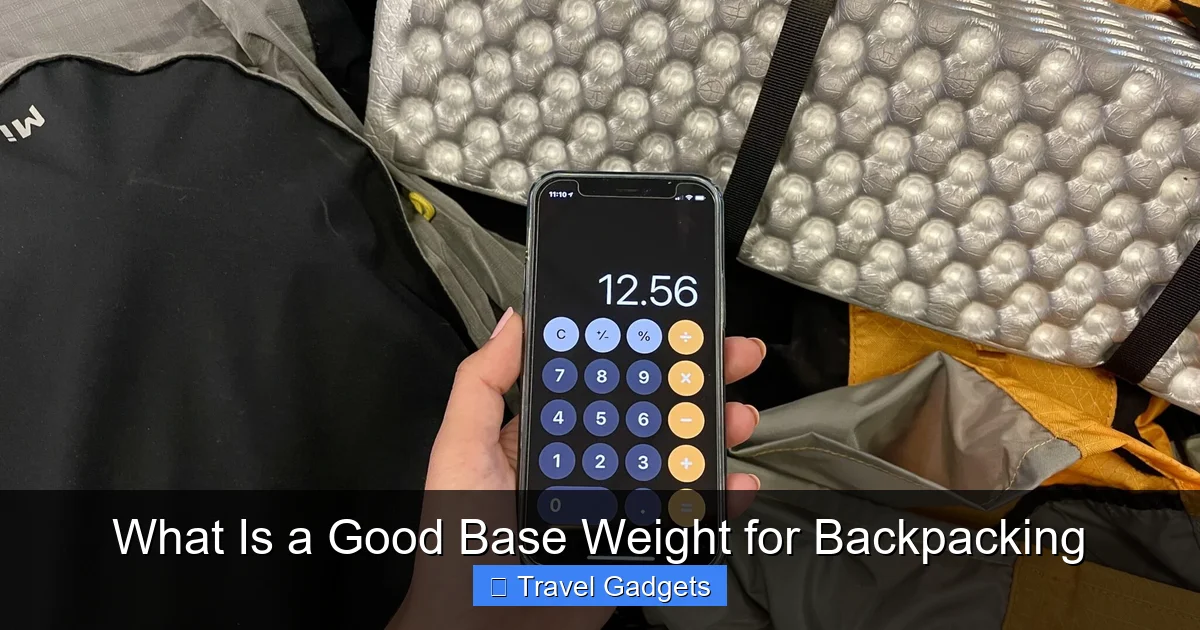
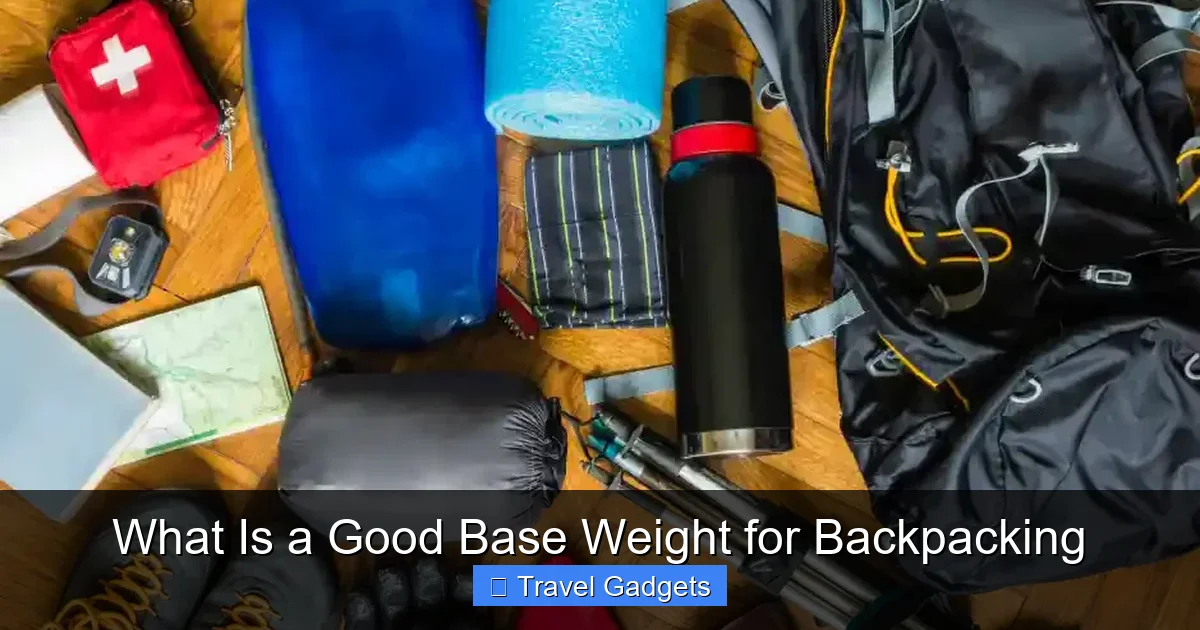
Before we dive into numbers, let’s clarify what base weight actually is. Base weight includes everything in your pack except consumables like food, fuel, and water. That means your tent, sleeping bag, sleeping pad, stove, backpack, clothing, toiletries, electronics, and any other non-edible items all count.
For example, if your total pack weighs 35 pounds and you estimate 10 pounds of food and water, your base weight is 25 pounds. Now, that might seem high—but if you’re just starting out, it could be normal. The goal isn’t necessarily to go as light as possible, but to carry only what you truly need.
The Importance of Minimizing Base Weight
Reducing your base weight has real benefits beyond just feeling lighter. Lighter loads mean:
– Less strain on joints and muscles, especially during long days on uneven terrain.
– Improved endurance, allowing you to hike longer without fatigue.
– Better mobility, making scrambling, climbing, or navigating tight trails easier.
– Lower risk of injury, particularly in remote areas where medical help is far away.
Find the Best Accommodation Deals
Compare prices from multiple booking platforms and find the best option for your stay.
Compare Hotel PricesUltralight backpackers often boast base weights under 10 pounds, but that level of minimalism requires experience and careful gear selection. For most people, especially beginners, aiming for 12–15 pounds is a realistic and sustainable goal.
Factors That Influence Your Ideal Base Weight
Find the Best Accommodation Deals
Compare prices from multiple booking platforms and discover the best stay options available.
⭐ Trusted by thousands of travelers
💰 Budget to luxury options available
Visual guide about What Is a Good Base Weight for Backpacking
Image source: i0.wp.com
There’s no one-size-fits-all answer when it comes to base weight. Your personal needs, trip length, environment, and experience level all play a role. Let’s break down the key factors:
Best Stay Deals Available
Compare prices across top booking platforms and find the best deal for your stay.
Check Available RoomsTrip Duration
Shorter trips (1–3 days) allow for more flexibility. You might bring extra clothes or a bulkier first aid kit because you know you’ll be back by the end of the weekend. But longer expeditions—like multi-week treks—require every ounce to be justified. You can’t resupply daily, so efficiency becomes critical.
Weather and Terrain
If you’re hiking in rain-soaked forests or snowy mountains, you’ll need a waterproof tent, insulated sleeping bag rated for cold temps, and possibly a four-season shelter. These add weight but are non-negotiable for safety. Similarly, rocky or steep trails may require trekking poles or a sturdier pack frame.
Personal Comfort Preferences
Some people prefer a warm sleeping bag even if it’s heavier. Others love extra layers for versatility. Don’t feel pressured to match someone else’s base weight just because they’re an “ultralight pro.” If you feel cozy and confident, that’s what matters most.
Pack Fit and Load Distribution
A well-fitted backpack with balanced weight distribution can make a heavy load feel light. Conversely, a poorly fitted pack or unevenly distributed gear will cause soreness quickly—even at moderate weights. Invest in a pack that fits your torso and hip structure.
What Is Considered a “Good” Base Weight?
So, what’s the magic number? Experts generally agree that a base weight between 10 and 15 pounds is solid for most backpackers. However, many experienced hikers strive for under 12 pounds, especially on long-distance trails.
Here’s a rough breakdown:
– Beginner-friendly: 15–20 lbs
Great for first trips; includes backup gear and comfort items.
– Intermediate target: 12–15 lbs
Balances weight and functionality for regular backpackers.
– Ultralight goal: Under 12 lbs
Requires knowledge, skill, and carefully curated gear.
Remember, these are guidelines—not rules. A 17-pound base weight might be perfect for a family camping trip, while a 9-pound setup could leave you shivering at night if your sleeping bag isn’t warm enough.
Examples of Common Gear and Their Weights
To help visualize, here’s a quick look at typical items and their average weights:
| Category | Example Item | Approx. Weight |
|——–|—————|—————-|
| Shelter | Ultralight Tent | 2.5 lbs |
| Sleeping System | Down Sleeping Bag + Pad | 3.0 lbs |
| Cookset | Lightweight Stove + Pot | 1.0 lb |
| Backpack | Frameless Pack (30L) | 2.0 lbs |
| Clothing | Base Layer + Rain Jacket | 2.5 lbs |
| Electronics | Phone + Power Bank | 1.0 lb |
Total: ~12 lbs
This is a simplified example, but it shows how strategic choices add up.
How to Reduce Your Base Weight Effectively
Cutting weight doesn’t mean sacrificing safety or comfort. Here’s how to do it smartly:
Audit Your Gear
Start by going through every item in your pack. Ask yourself: *Do I really need this?* Replace single-use items with multi-purpose ones. For instance, a bandana can serve as a towel, headscarf, or pot holder.
Choose Lightweight Alternatives
Look for gear made from advanced materials like Dyneema or silnylon. These fabrics are strong yet incredibly light. Consider down insulation (lighter than synthetic) if you’re in dry climates. Also, opt for collapsible or nested cookware to save space and weight.
Ditch the Extras
Do you really need three pairs of socks? Or a separate camp chair? Most people can live with two good pairs and sit on their sleeping pad instead. Unnecessary luxury items pile on the pounds.
Rethink Your Food Strategy
While food isn’t part of base weight, how you prepare meals affects your overall load. Use dehydrated meals—they’re lighter than canned food and cook faster. Measure portions carefully to avoid overpacking.
Use Resupply Points Wisely
On long hikes, you can plan to restock supplies along the way. This lets you bring only what you need for each segment, reducing initial base weight significantly.
When Higher Base Weight Might Be Okay
Don’t feel guilty if your base weight is above 15 pounds. There are valid reasons to carry more:
– You’re traveling with kids or pets.
– You’re doing a supported hike with a porter or shuttle service.
– You’re exploring extreme environments (deserts, glaciers, high-altitude zones).
– You value comfort and redundancy over minimalism.
The key is awareness. If you know why you’re carrying something, it’s easier to justify its presence.
Real-World Scenarios
Imagine a couple doing a 5-day coastal hike in mild weather. They bring a two-person tent (3.5 lbs), warm sleeping bags (2.5 lbs), a small stove, and plenty of snacks. Their base weight hits 14 lbs—perfectly reasonable. Now compare that to a solo thru-hiker in the Rockies who carries a bear canister, avalanche gear, and a four-season tent. Their base weight might be 18 lbs, but it’s necessary for safety.
Common Mistakes When Trying to Go Light
Trying to mimic ultralight pros can backfire. Watch out for these pitfalls:
– Buying expensive gear without testing: A $500 tent might be too fragile or complicated for your skill level.
– Sacrificing warmth for weight: Going ultralight with a thin sleeping bag in cold weather is dangerous.
– Ignoring pack fit: A lightweight pack that doesn’t fit won’t distribute weight properly.
– Underestimating maintenance needs: Ultralight gear often needs more care and attention.
Start small. Gradually reduce weight as you gain confidence and experience.
Conclusion: Finding Your Personal Sweet Spot
A good base weight isn’t a fixed number—it’s whatever allows you to hike comfortably, safely, and joyfully. Whether you’re aiming for 10 pounds or 16, the focus should be on purposeful packing. Every ounce should serve a real need.
Remember, the best base weight is the one that lets you enjoy the journey—not just reach the destination. As you gain experience, you’ll develop your own standards. Until then, listen to your body, respect the terrain, and don’t rush the process.
With thoughtful gear choices and honest self-assessment, you’ll find your ideal balance. And that’s what makes backpacking so rewarding.
Frequently Asked Questions
What is considered an ultralight base weight for backpacking?
Most experts define ultralight base weight as anything under 10 pounds (4.5 kg). Achieving this requires careful gear selection, experience, and often compromises in comfort or durability.
Can I backpack comfortably with a base weight over 20 pounds?
Yes, especially if you’re a beginner or traveling with others. Many successful backpackers carry 18–20 pounds on short trips. The key is proper pack fit and load distribution, not just weight alone.
Does base weight include my backpack?
Yes, base weight includes your backpack itself. Only food, water, and fuel are excluded from the calculation.
How do I calculate my base weight?
Weigh your entire loaded pack using a bathroom scale or luggage scale. Then subtract the estimated weight of your food, water, and fuel. The remainder is your base weight.
Should I prioritize weight over cost when buying gear?
Not necessarily. While lightweight gear is often pricier, value matters more. Choose durable, reliable items that fit your needs rather than chasing the lightest option available.
Is it safe to go below 10 pounds base weight?
It can be safe if you have experience, choose appropriate gear, and understand your limits. However, going too light increases risk—especially in unpredictable weather or remote areas where help is far away.