
Choosing a good tent for camping means balancing size, weather protection, and ease of setup. Whether you’re backpacking or car camping, the right tent keeps you dry, comfortable, and ready for anything nature throws at you. With so many options available, knowing what to look for can make all the difference between a great trip and a frustrating one.
Key Takeaways
- Weather Resistance: A good camping tent must handle wind, rain, and snow. Look for strong poles, waterproof fabric, and sealed seams.
- Size and Space: Choose a tent that fits your group comfortably—don’t forget room for gear. Consider floor space, headroom, and vestibules.
- Weight and Portability: For backpackers, lightweight and compact tents are essential. Car campers can prioritize more features over weight.
- Easy Setup: No one wants to spend an hour fumbling with poles. Look for color-coded clips, freestanding designs, and simple pole systems.
- Ventilation: Proper airflow prevents condensation and keeps the interior fresh. Mesh panels and adjustable vents are key.
- Durability: Invest in high-quality materials like ripstop nylon and aluminum frames for long-term use.
- Brand Reputation: Trusted brands like REI, MSR, and The North Face offer reliable products with solid warranties and customer support.
📑 Table of Contents
- What Is a Good Tent for Camping?
- Types of Tents: Which One Is Right for You?
- Key Features Every Good Camping Tent Should Have
- How to Choose the Right Size Tent
- Best Tents for Different Camping Styles
- Top Brands Known for Quality Camping Tents
- Tips for Maintaining Your Tent
- Conclusion: Your Perfect Tent Awaits
What Is a Good Tent for Camping?
Camping is more than just sleeping under the stars—it’s about creating a safe, comfortable basecamp where you can relax, recharge, and enjoy the great outdoors. And at the heart of every successful camping trip? A good tent. But what exactly makes a tent *good*?
Check the latest prices and available rooms before they sell out.
It’s not just about how pretty it looks in the store. A quality camping tent does more than just keep the rain out—it should be easy to set up, breathable enough to avoid condensation, durable enough to last seasons, and spacious enough to actually sleep in comfortably. Whether you’re planning a weekend glamping getaway or a rugged backcountry trek, choosing the right tent can mean the difference between a restful night and a chilly, soggy morning.
In this guide, we’ll walk you through everything you need to know about selecting a good tent for camping. From understanding different tent types to evaluating critical features like waterproofing and ventilation, we’ll help you make an informed decision. So grab your coffee, pull up a chair, and let’s dive into the world of camping shelters.
Types of Tents: Which One Is Right for You?
Visual guide about What Is a Good Tent for Camping
Image source: m.media-amazon.com
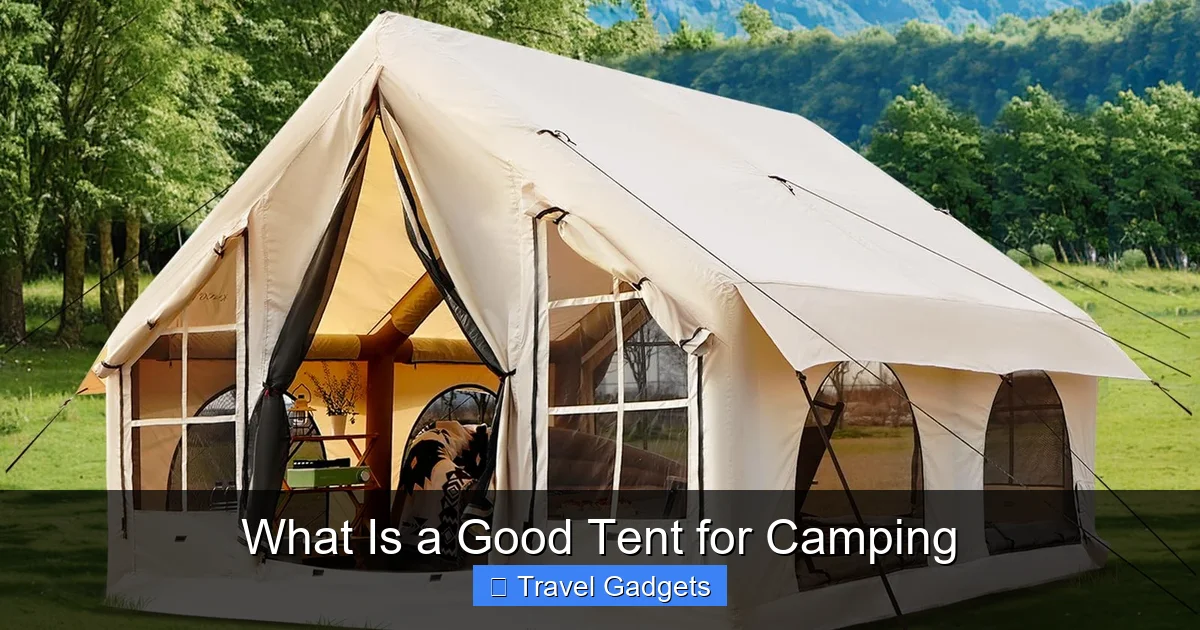
Not all tents are created equal—and the best one for you depends entirely on how and where you plan to camp.
Dome Tents
The dome tent is the most popular style for good reason: it’s stable, affordable, and easy to pitch. Its curved shape helps resist wind better than rectangular models. Great for families and casual campers, dome tents come in various sizes—from solo setups to ones large enough for four people. Brands like Coleman and REI offer reliable dome tents that strike a balance between performance and price.
Find the Best Accommodation Deals
Compare prices from multiple booking platforms and find the best option for your stay.
Compare Hotel PricesGeodesic Tents
For serious adventurers, geodesic tents offer superior wind resistance. These feature intersecting roof poles that form a web-like structure, making them ideal for exposed mountain or alpine environments. Think of them as the race cars of tents—built tough, but usually heavier and more expensive. MSR and Big Agnes are leaders in this category.
Tunnel Tents
Popular in Europe and among backpackers, tunnel tents have a cylindrical shape with flexible fiberglass or composite poles. They’re spacious inside, easy to pack, and great for cold-weather camping due to their enclosed design. However, they can be harder to set up than domes and may require more practice.
Find the Best Accommodation Deals
Compare prices from multiple booking platforms and discover the best stay options available.
⭐ Trusted by thousands of travelers
💰 Budget to luxury options available
Pop-Up and Instant Tents
If convenience is your top priority, pop-up tents are a game-changer. These use pre-attached poles that snap into place when you unroll the tent—no struggling with clips or poles. Perfect for car campers or festivals, they’re not ideal for backpacking due to bulk and weight, but they make setup a breeze.
Solo and Ultralight Tents
For solo hikers or minimalist campers, ultralight tents save precious ounces. Made from advanced materials like Dyneema or silnylon, these tents weigh under two pounds. They sacrifice some durability and space, but if you’re backpacking light, they’re worth considering. Look at brands like Zpacks or Tarptent for top-tier options.
Key Features Every Good Camping Tent Should Have
Best Stay Deals Available
Compare prices across top booking platforms and find the best deal for your stay.
Check Available RoomsVisual guide about What Is a Good Tent for Camping
Image source: camping.onetigris.com
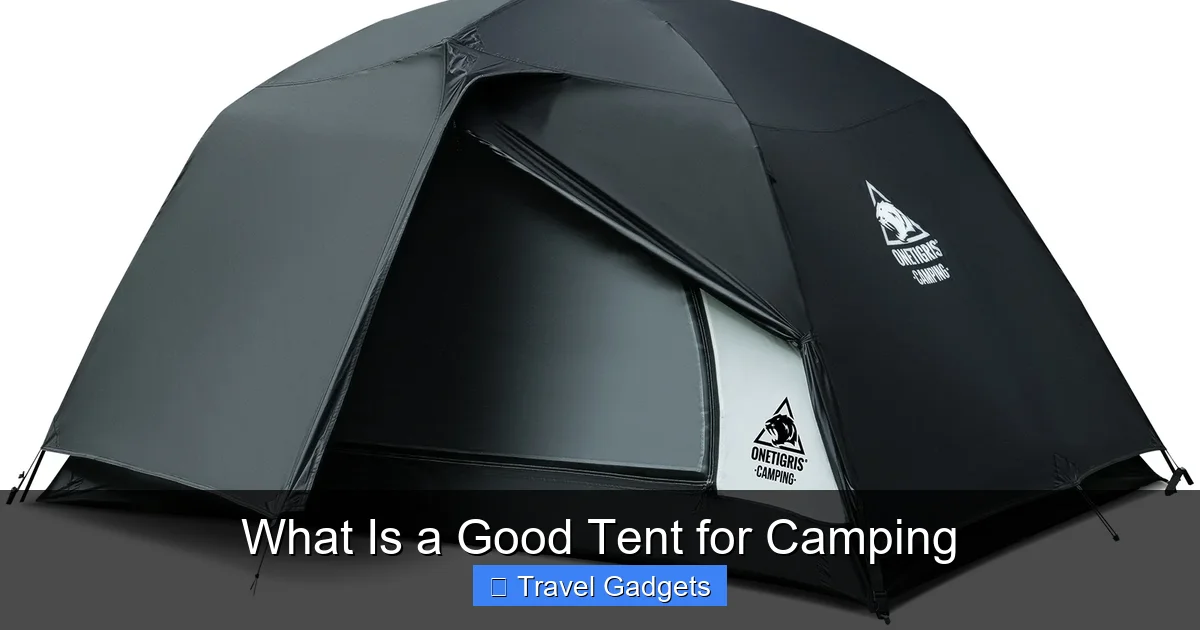
So you’ve picked a style—now let’s talk specs. Here are the must-have features that separate a decent tent from a truly good one.
Waterproofing and Seams
Nobody wants to wake up in a puddle because their tent leaked. A good tent should have a waterproof rating of at least 1500mm hydrostatic head (higher is better). Look for fully taped seams, a rainfly, and a bathtub-style floor that prevents water from seeping in from below. Brands like Marmot and Kelty use advanced seam sealing techniques to keep you dry.
Ventilation System
Condensation is the enemy of comfort. Poor airflow traps moisture, turning your cozy shelter into a swampy sauna. A well-designed tent includes mesh panels, adjustable vents, and strategic roof cutouts to promote cross-ventilation. Some tents even have double-layer doors—mesh for bugs, solid for weather protection.
Stakes and Pole Strength
Strong poles and durable stakes are non-negotiable. Aluminum poles are lighter and stronger than traditional steel ones. Look for color-coded pole sleeves or clip-in systems for faster assembly. Stakes should be made of hardened steel with sharp points or V-shaped designs for better grip in rocky or sandy terrain.
Interior Layout and Storage
A good tent isn’t just about sleeping—it’s about living. Side tables, gear lofts, and built-in pockets help keep your space organized. Vestibules (the covered area outside the door) provide extra storage for boots, backpacks, and cooking gear without cluttering the main living space.
Headroom and Door Configuration
You don’t want to duck every time you stand up. Aim for at least 6 feet of headroom at the center. Tents with multiple doors (like two-side entry) improve airflow and make it easier to move in and out, especially in cold weather when you don’t want to let heat escape.
How to Choose the Right Size Tent
Visual guide about What Is a Good Tent for Camping
Image source: thetentadvisor.com
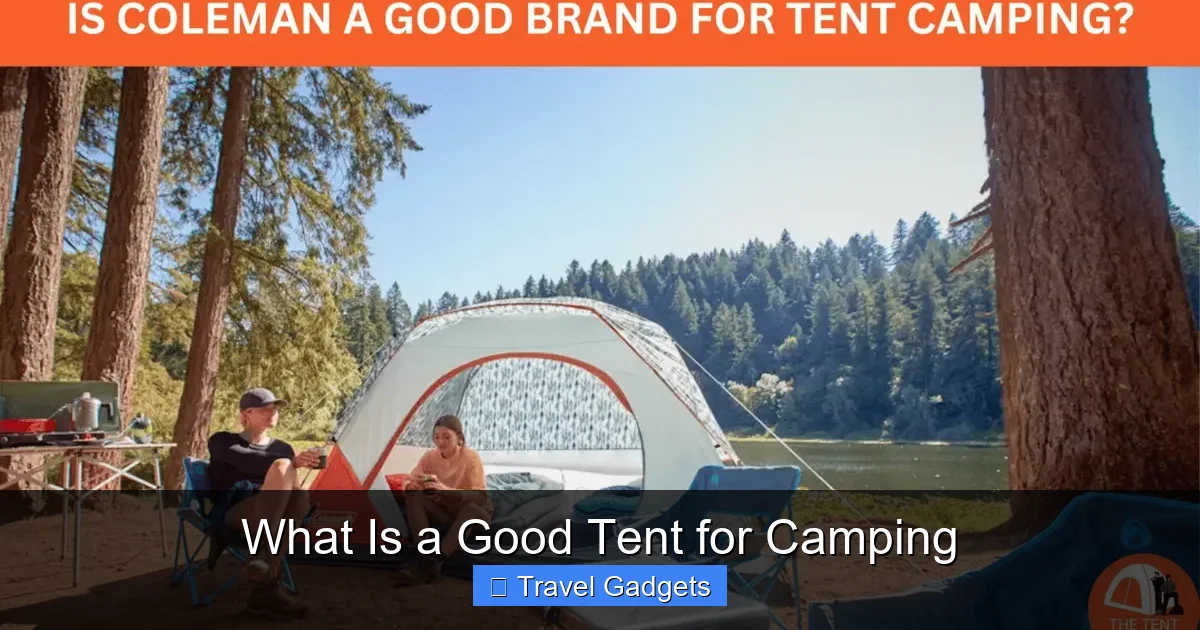
This might seem obvious, but many people underestimate how much space they really need—or overestimate how much room a tent label promises.
Understand Tent Ratings
Tent sizes are labeled by the number of people they accommodate. A “2-person” tent is meant for two people, but it’s tight for two adults with gear. Most experts recommend a tent with at least 30–40% more floor space than you think you’ll need. That means a 2-person tent should ideally have 35–40 square feet of floor area, plus vestibule space.
Consider Gear Storage
If you’re bringing a dog, extra clothes, or a cooler, you’ll want more room. Look for tents with large vestibules or side pockets. Some models even include gear lofts or compression sacks for storing items off the ground.
Headroom Matters Too
Low ceilings make it hard to sit up or store bags vertically. If tall people are in your group, check the peak height. A tent with a sloped roof often offers more standing room than a flat-topped model.
Try Before You Buy
When possible, set up your chosen tent at home or in the store. Does it feel cramped? Are the poles awkward to connect? Can you easily access both doors? Real-world testing saves headaches later.
Best Tents for Different Camping Styles
Your ideal tent changes depending on whether you’re car camping, backpacking, or doing winter mountaineering.
Car Camping
You have room to breathe—literally and figuratively. Look for large, roomy tents with amenities like electrical outlets, LED lighting, and even air mattresses. The Coleman Sundome and REI Co-op Half Dome Plus are fan favorites here. Bonus points if it has a screened porch!
Backpacking
Lightweight, compact, and fast-pitching. A good backpacking tent should weigh under 4 pounds for two people. Consider double-wall designs (rainfly + inner) for added warmth and condensation control. The MSR Hubba Hubba NX and Zpacks Duplex are excellent choices.
Winter Camping
Cold, snowy conditions demand a sturdy, enclosed design. Tunnel tents or geodesic styles work best. Look for full-coverage rainflaps, snow skirts, and robust frames that won’t bend in high winds. The Hilleberg Nallo 2 GT is a premium option trusted by mountaineers.
Family Camping
Space and safety are priorities. Choose a tent with multiple rooms (some even have dividers), large doors, and kid-friendly features like built-in lantern hooks and easy-to-clean floors. The Core 900 XL Tent offers ample space and affordability.
Top Brands Known for Quality Camping Tents
While you can find great tents everywhere, certain brands consistently deliver reliability, innovation, and customer support.
REI Co-op
Known for value-driven gear, REI offers durable tents like the Half Dome Plus series. Their customer service and 1-year return policy make them a favorite among beginners and seasoned campers alike.
The North Face
A name synonymous with outdoor excellence, TNF makes rugged, weather-tested tents. The Base Camp 4 is a classic for family trips—spacious, storm-ready, and built to last.
Marmot
Marmot combines technical innovation with user-friendly design. Their Picket Line and Longitude series offer excellent ventilation, waterproofing, and interior layout.
Big Agnes
Specializing in ultralight backpacking tents, Big Agnes uses smart designs like pole sleeves and clip attachments. The Copper Spur HV UL is a top pick for thru-hikers.
Coleman
Coleman dominates the budget-friendly market without sacrificing core functionality. From pop-up tents to heavy-duty expedition models, they’re a go-to for casual campers.
Tips for Maintaining Your Tent
A good tent lasts longer—and performs better—when you care for it properly.
Clean After Each Use
Rinse off dirt and debris after each trip. Mild soap and water are fine, but avoid harsh detergents that strip waterproof coatings. Let it air-dry completely before packing.
Avoid Packing While Wet
Never roll up a wet tent—it leads to mold and mildew. Pat it down with a towel first, then hang it in a ventilated area.
Store in a Dry Place
Keep your tent in a breathable bag, not a plastic one. Avoid direct sunlight and damp basements.
Reapply DWR Treatment
Over time, the Durable Water Repellent coating wears off. Reapply it every 6–12 months using sprays like Nikwax or Sea to Summit.
Check Poles and Stakes Regularly
Inspect for cracks, bends, or wear. Replace damaged parts promptly—they’re cheaper than replacing the whole tent.
Conclusion: Your Perfect Tent Awaits
So, what is a good tent for camping? It’s the one that matches your needs, stands up to the elements, feels comfortable, and lets you focus on enjoying nature—not fixing gear. Whether you choose a lightweight solo shelter or a spacious family dome, prioritize quality, ease of use, and durability.
Take time to research, read reviews, and—if possible—test your top choices. Remember, the best tent isn’t always the fanciest or cheapest—it’s the one that gets you out there and keeps you protected when the weather turns.
With the right knowledge and a little preparation, you’ll be ready to pitch your tent, stargaze through the night, and wake up refreshed. Happy camping!
Frequently Asked Questions
What makes a tent waterproof?
A good camping tent has a waterproof fabric coating (usually measured in mm hydrostatic head), fully taped seams, and a rainfly. The bathtub-style floor also prevents water from pooling underneath.
Can I use a regular tent for backpacking?
Most standard tents aren’t ideal for backpacking due to weight and bulk. Look for ultralight models made of silnylon or Dyneema that weigh under 4 pounds for two people.
How do I prevent condensation in my tent?
Proper ventilation is key. Use mesh panels, open vents, and avoid hanging wet clothes inside. Never close all vents—airflow reduces moisture buildup.
Are double-wall tents worth it?
Yes. Double-wall tents have an inner mesh layer and outer rainfly, offering better condensation control, temperature regulation, and bug protection compared to single-wall designs.
How long do good camping tents last?
With proper care, a quality tent can last 5–10 years or more. Store it dry, avoid packing while wet, and reapply DWR treatment as needed to maintain performance.
Should I buy a 3-season or 4-season tent?
3-season tents are lighter and better for spring, summer, and fall. 4-season tents are sturdier, have snow-load capacity, and full-coverage doors—ideal for winter mountaineering.