
A hot tent is a specialized camping shelter designed to retain heat using an internal wood stove or portable heater. Unlike traditional tents, hot tents are built with heat-resistant materials and feature vents to control airflow, making them perfect for cold-season camping in snowy or sub-zero environments. Whether you’re backpacking through the Rockies or exploring the backcountry in winter, a hot tent can be your safest, most comfortable option when temperatures drop.
Key Takeaways
- What Is a Hot Tent? A hot tent is a heated camping shelter that uses a small wood stove or propane heater to trap warmth inside, ideal for sub-zero temperatures.
- Key Features: Made from flame-resistant fabric, includes a stove jack, ventilation flaps, and often a waterproof outer layer for all-weather protection.
- Best For: Winter camping, snowshoeing, ice fishing, and remote backcountry trips where ambient warmth is unavailable.
- Portability Matters: Most hot tents are lightweight and compact, designed for backpacking or car-camping setups.
- Safety First: Proper ventilation and carbon monoxide monitoring are essential—never sleep in a hot tent without adequate air exchange.
- Cost vs. Comfort: While more expensive than regular tents, hot tents offer unmatched comfort and safety in extreme cold.
- Maintenance Tips: Regularly clean the stove, check fabric integrity, and store properly to extend lifespan.
📑 Table of Contents
Introduction: Staying Warm When It’s Freezing Outside
Camping in winter used to mean huddling under layers of blankets inside a standard tent while shivering under a sleeping bag. But thanks to innovative designs and smart engineering, modern campers now have a better option: the hot tent. This isn’t just a tent—it’s a mobile cabin on a nylon frame. With a small wood-burning stove at its center, it traps heat efficiently and keeps campers cozy even when the outside temperature drops to -20°F (-29°C).
Check the latest prices and available rooms before they sell out.
Whether you’re planning a solo winter trek in the Canadian Rockies or a family trip to a snow-covered lake, understanding what a hot tent is—and how it works—can make all the difference between a miserable night and a restful one. In this article, we’ll break down everything you need to know about hot tents: their features, benefits, safety considerations, and how to choose the right one for your adventure.
What Exactly Is a Hot Tent?
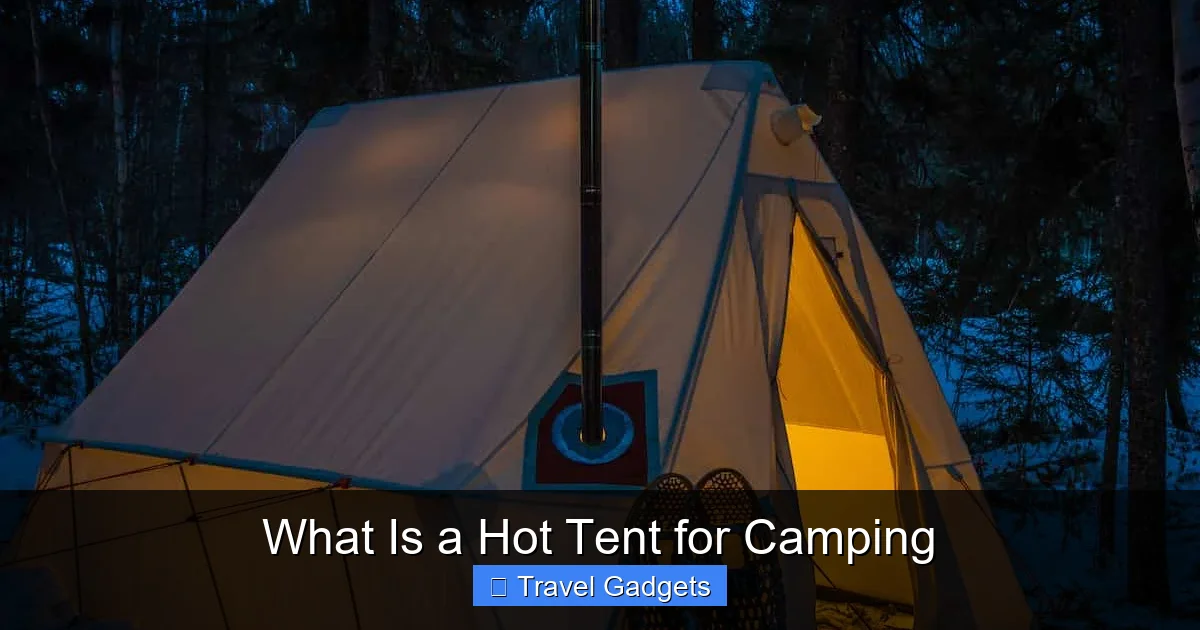
Visual guide about What Is a Hot Tent for Camping
Image source: beyondthetent.com
A hot tent is a type of camping tent specifically engineered to retain heat. Unlike conventional tents that rely solely on insulation and body heat, hot tents incorporate a built-in stove system. These tents typically feature a central stove jack—a reinforced opening in the roof—where a small wood stove or portable heater is placed. The heat radiates outward, warming the entire interior space.
Hot tents are usually made from durable, flame-resistant materials like ripstop nylon or polyester with a silicone coating. They often include multiple doors (front and side) and several adjustable ventilation points to regulate airflow and prevent condensation. Some models also have a waterproof outer shell to protect against wind and snow.
The beauty of a hot tent lies in its efficiency. Instead of relying on your body heat to stay warm, you generate warmth from within. This makes them ideal for extended stays in freezing conditions, especially when you’re not carrying enough fuel or food to justify setting up a larger shelter.
Find the Best Accommodation Deals
Compare prices from multiple booking platforms and find the best option for your stay.
Compare Hotel PricesThe Evolution of Winter Camping Shelters
Before hot tents became popular, winter campers relied on four-season tents with thick walls and high ceilings. While these worked, they were heavy, bulky, and still didn’t provide consistent heat. Enter the hot tent—a game-changer inspired by Scandinavian and Nordic traditions of building insulated shelters over snow.
Today’s hot tents blend tradition with technology. Many use lightweight aluminum frames instead of rigid poles, making them easy to carry. Others include reflective insulation liners or double-wall construction to boost thermal efficiency. Some even come with integrated gear storage pockets and LED lighting systems powered by USB ports connected to external batteries.
Find the Best Accommodation Deals
Compare prices from multiple booking platforms and discover the best stay options available.
⭐ Trusted by thousands of travelers
💰 Budget to luxury options available
How Does a Hot Tent Stay Warm?
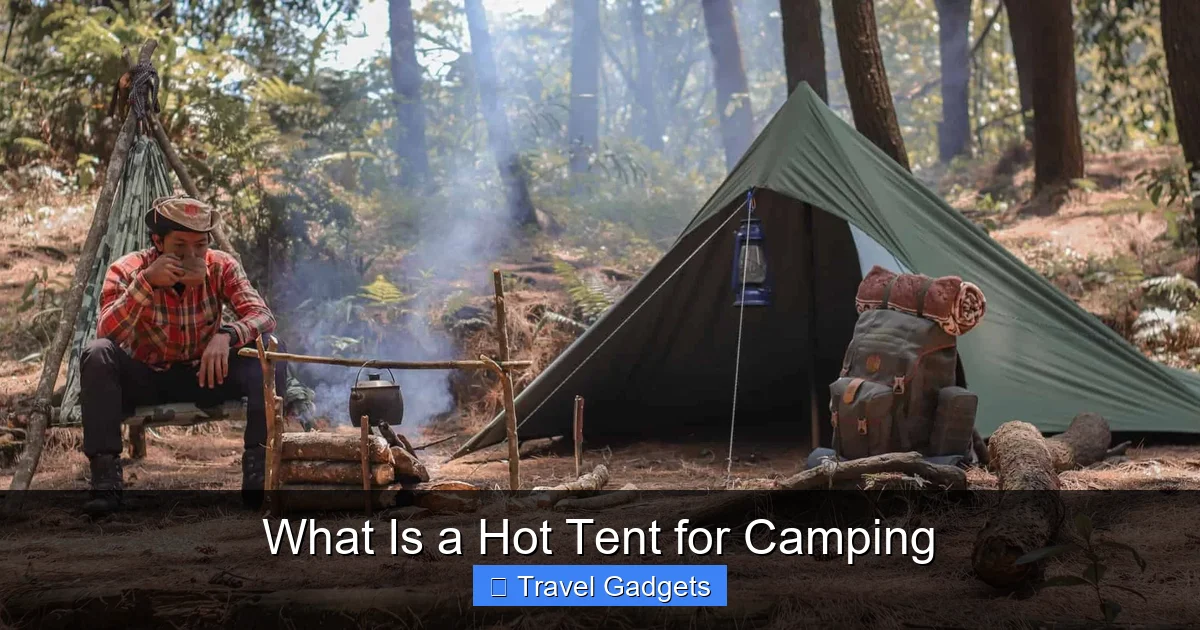
Visual guide about What Is a Hot Tent for Camping
Image source: wildernessredefined.com
Best Stay Deals Available
Compare prices across top booking platforms and find the best deal for your stay.
Check Available RoomsThe core principle behind a hot tent is heat retention through controlled airflow. Here’s how it works:
When you light a small wood stove inside the tent, the flames produce radiant heat that warms the air near the floor and the surrounding walls. Because the fabric is tightly sealed around the stove jack and doors, very little heat escapes. At the same time, cool outside air enters through lower vents, circulates around the body, and exits through upper vents—creating a natural convection cycle.
This airflow system is crucial. Without proper venting, moisture from breath and cooking builds up, leading to dampness and mold. But with balanced intake and exhaust, the tent stays dry, warm, and breathable.
Most hot tents are designed for wood-burning stoves, but some models support propane heaters or even battery-powered ceramic heaters. Wood stoves are preferred by purists because they’re renewable, quiet, and don’t require gas canisters. However, propane units are lighter and faster to ignite—perfect if you’re short on time or dealing with strong winds.
Choosing Between Wood, Propane, or Electric Heaters
Each heating method has pros and cons:
Wood Stove: Eco-friendly, low cost per burn, long burn times, but requires gathering kindling and managing smoke. Ideal for remote areas without resupply options.
Propane Heater: Instant ignition, consistent heat output, lightweight, but relies on fuel canisters (which add weight and cost). Best for car camping or basecamps.
Battery-Powered Heater: Quiet, smokeless, safe indoors, but limited runtime and needs charging. Great as a backup or supplemental heat source.
For backpackers, a wood-burning hot tent is often the best choice—especially if you’re hiking into wilderness areas where wood is abundant. For weekend warriors driving to a frozen lake, a propane model might be more convenient.
Key Features to Look For in a Hot Tent
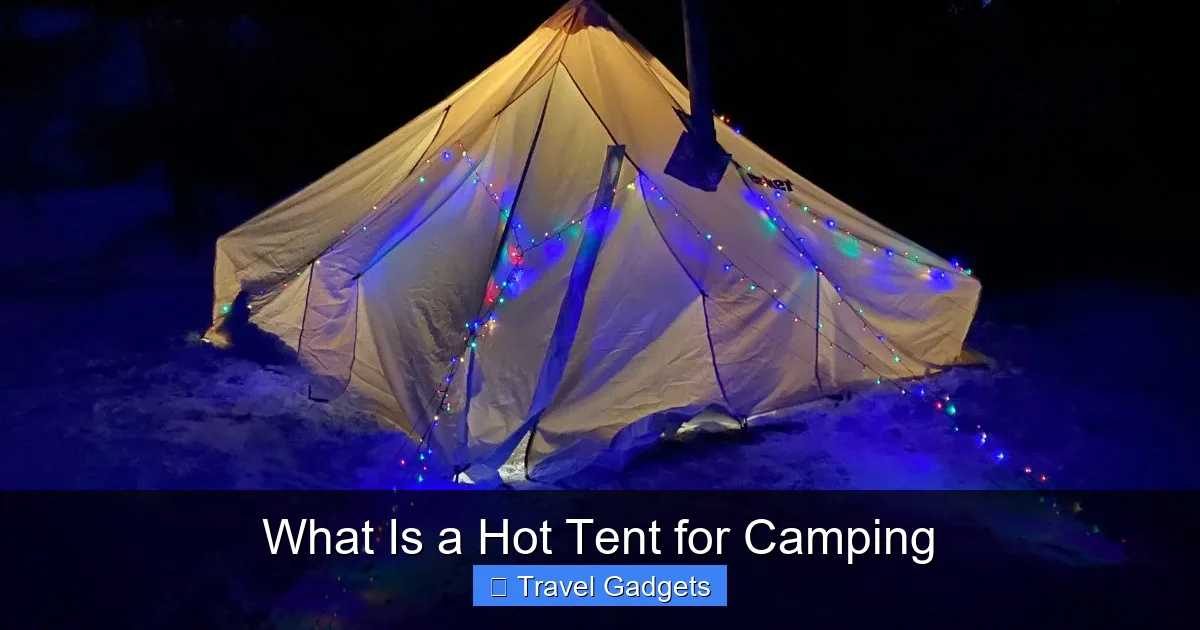
Visual guide about What Is a Hot Tent for Camping
Image source: gonecampingagain.com
Not all hot tents are created equal. When shopping, keep these features in mind:
Stove Jack Design
Look for a reinforced stove jack that’s securely sewn and flame-retardant. It should fit snugly around your stove pipe to prevent drafts. Some tents allow you to remove the inner liner when not using the stove, extending its lifespan.
Ventilation System
Multiple vents—both top and bottom—are essential. Adjustable zippers or mesh panels let you fine-tune airflow based on weather conditions. Too much venting wastes heat; too little risks carbon monoxide buildup.
Frame Material
Most hot tents use lightweight aluminum or fiberglass rods. Avoid metal poles near the stove—they can warp or melt. Flexible frames are easier to assemble and transport.
Door Configuration
Dual doors (front and side) reduce wind exposure and allow cross-ventilation. Some tents have zippered mesh windows for bug protection during shoulder seasons.
Waterproofing & Durability
Even though you’re inside, rain, snow, or sleet can still get in. Choose a tent with a fully taped seam jacket and a high hydrostatic rating (at least 1,500mm). UV-resistant coatings help prevent fabric degradation over time.
Size & Weight
Hot tents range from solo models (good for one person with gear) to multi-person versions (great for couples or small groups). Weight varies widely—some ultralight models tip the scales at just 8 pounds, while others exceed 20 lbs due to extra insulation.
Is a Hot Tent Right for You?
Dual doors (front and side) reduce wind exposure and allow cross-ventilation. Some tents have zippered mesh windows for bug protection during shoulder seasons.
Waterproofing & Durability
Even though you’re inside, rain, snow, or sleet can still get in. Choose a tent with a fully taped seam jacket and a high hydrostatic rating (at least 1,500mm). UV-resistant coatings help prevent fabric degradation over time.
Size & Weight
Hot tents range from solo models (good for one person with gear) to multi-person versions (great for couples or small groups). Weight varies widely—some ultralight models tip the scales at just 8 pounds, while others exceed 20 lbs due to extra insulation.
Is a Hot Tent Right for You?
Hot tents range from solo models (good for one person with gear) to multi-person versions (great for couples or small groups). Weight varies widely—some ultralight models tip the scales at just 8 pounds, while others exceed 20 lbs due to extra insulation.
Is a Hot Tent Right for You?
Hot tents aren’t for everyone—but they’re perfect for specific types of adventurers:
Winter Backpackers
If you’re hiking into snowy terrain for days at a time, a hot tent offers unmatched warmth without sacrificing pack weight. Just remember to bring extra firewood or fuel.
Ice Fishermen
Set up a hot tent over your hole, plug in a small stove, and enjoy hot coffee while waiting for a bite. No more frostbitten fingers!
Family Campers
Planning a winter cabin getaway? A larger hot tent can serve as a cozy basecamp where kids play games, parents cook meals, and everyone stays dry and warm.
Photographers & Journalists
Documenting polar expeditions or mountain rescues? A hot tent provides a reliable, weatherproof workspace for editing photos or writing reports in extreme cold.
That said, hot tents require preparation. You’ll need to practice building a stove setup, monitor air quality, and pack carefully. They’re also more expensive than regular tents—expect to pay $300–$700 depending on size and features.
Safety Tips for Using a Hot Tent
While hot tents are safe when used correctly, improper use can lead to serious hazards:
Never Sleep Alone Without Ventilation
Carbon monoxide is odorless and deadly. Always ensure at least one vent remains open while sleeping. Consider bringing a CO detector.
Avoid Flammable Materials Near the Stove
Keep sleeping bags, clothes, and gear away from direct heat sources. Use a heat shield or reflective blanket if needed.
Supervise Children and Pets
Small children or curious pets shouldn’t be left unattended near an active stove.
Check Local Regulations
Some national parks restrict open fires or require permits for stove use. Always check before heading out.
Store Fuel Safely
Keep propane canisters upright and away from sleeping areas. Never refuel inside the tent.
By following these guidelines, you’ll enjoy safe, comfortable nights under the stars—even when Mother Nature throws her worst at you.
Top Brands and Models to Consider
Several reputable brands specialize in hot tents, each offering unique strengths:
Outdoor Research Helium Tarp: Lightweight, freestanding, and compatible with wood stoves. Great for minimalist winter travelers.
Black Diamond Alpine LT: Compact, durable, and includes a removable stove liner. Fits one to two people comfortably.
REI Co-op Cozy Tent: Affordable option with dual doors, good ventilation, and solid build quality. Ideal for beginners.
MSR WhisperLite: Not a tent itself, but a popular stove system that pairs well with most hot tent models.
Snow Peak Trestles: Japanese-made with premium materials, excellent craftsmanship, and a classic design loved by purists.
Compare prices, read user reviews, and test setups if possible. Renting a hot tent before buying can help you decide which style suits your needs.
Final Thoughts: Is a Hot Tent Worth It?
In short—yes, absolutely. If you camp in cold climates regularly, a hot tent transforms your experience. You’ll sleep warmer, cook easier, and wake up refreshed instead of stiff and sore. Yes, they cost more upfront, and yes, they require extra planning. But when you’re facing blizzards or sub-zero nights, that investment pays off in comfort and peace of mind.
Think of a hot tent not as a luxury, but as essential gear—like a first-aid kit or headlamp. It’s not something you take out every weekend, but when the temperature plummets, you’ll be glad you had it.
So whether you’re chasing aurora borealis in Iceland, hiking the Alps in January, or simply escaping to a snowy cabin, consider adding a hot tent to your outdoor toolkit. Your future self (and your warm toes) will thank you.
Frequently Asked Questions
Can I use any stove in a hot tent?
No, only stoves designed for indoor or enclosed use—such as wood stoves or certified propane heaters—should be used in hot tents. Never use lanterns, kerosene heaters, or unvented candles, as they pose fire and carbon monoxide risks.
Do hot tents work in rainy conditions?
Yes, most hot tents are fully waterproof with taped seams and durable fabrics. However, avoid pitching them in standing water or strong winds, as these can compromise structural integrity. Always use a footprint or tarp underneath for added protection.
How much does a hot tent cost?
Prices typically range from $250 to over $600, depending on size, material quality, and features. Budget options are available, but investing in a reputable brand ensures safety and longevity.
Are hot tents heavy to carry?
Many modern hot tents are surprisingly lightweight—under 15 pounds—thanks to aluminum frames and thin, strong fabrics. Some ultralight models weigh as little as 8 pounds, making them viable for backpacking.
Can I set up a hot tent without a stove?
Technically yes, but it defeats the purpose. Without heat, a hot tent behaves like any other tent and won’t retain warmth. If you’re not using the stove, consider removing the inner liner to reduce weight and bulk.
How do I prevent condensation in a hot tent?
Proper ventilation is key. Keep lower and upper vents partially open to allow moist air to escape. Avoid hanging wet clothing inside, and consider using silica gel packs or a dehumidifier bag for extra moisture control.