
A tent footprint is a durable ground cloth placed beneath your tent to protect the floor from abrasion, moisture, and wear. It’s one of the most underrated yet essential pieces of camping gear—especially for backpackers and frequent campers.
While many tent owners overlook this simple accessory, using a footprint can dramatically extend your tent’s lifespan, improve insulation, and keep your shelter cleaner. Whether you’re pitching in rocky terrain or damp grass, a footprint adds a crucial layer of protection between your tent and the ground.
Check the latest prices and available rooms before they sell out.
Have you ever unpacked your tent only to realize it doesn’t include a ground sheet? Or maybe you’ve set up camp on a patch of thorns or sharp gravel and noticed tiny tears forming in your tent floor? If so, you’ve likely encountered the importance (or lack thereof) of a tent footprint. While it might seem like a small detail, this unassuming piece of gear plays a surprisingly big role in your camping experience.
A tent footprint is essentially a protective liner placed directly beneath your tent’s floor. Think of it as a shield—one that safeguards your tent from the harsh realities of the outdoors. Whether you’re backpacking through dense forests or car camping at a national park, the ground beneath your shelter is rarely as gentle as it looks. Rocks, roots, wet leaves, and even animal burrows can all pose threats to your tent’s integrity. That’s where the footprint steps in.
But a footprint does more than just prevent punctures. It also enhances comfort, simplifies maintenance, and can even extend the life of your tent. In this guide, we’ll explore everything you need to know about tent footprints—what they are, why they matter, how to choose the right one, and even how to make your own. By the end, you’ll understand why every serious camper should consider investing in one.
Key Takeaways
- What it is: A tent footprint is a thin, durable sheet made of materials like polyester, nylon, or rubber that fits under your tent’s base.
- Primary purpose: It protects your tent’s floor from sharp objects, moisture, and UV damage while improving overall durability.
- Enhanced comfort: Footprints add insulation and cushioning, making your sleep surface more comfortable and warmer.
- Easy cleanup: Removing dirt and debris is much simpler when you can clean just the footprint instead of the entire tent floor.
- Safety boost: On uneven or rocky ground, a footprint prevents punctures and reduces strain on your tent poles and seams.
- Not always included: Many budget tents don’t come with a footprint, so you may need to purchase one separately.
- DIY option: You can make your own footprint using heavy-duty plastic sheeting if you’re on a tight budget.
📑 Table of Contents
What Exactly Is a Tent Footprint?
At its core, a tent footprint is a lightweight, durable sheet designed to fit precisely under your tent. It’s usually made from tough synthetic materials like polyester, nylon, or coated fabrics such as polyurethane (PU) or polyethylene. These materials resist tearing, water absorption, and UV degradation—all critical factors when exposed to outdoor elements.
Unlike a tarp or emergency blanket, a footprint isn’t meant to be seen or used as extra shelter. Its job is purely functional: protect the tent floor. Most footprints are slightly smaller than the tent itself, allowing them to hang over the edges without getting caught in wind or snagging on tent stakes. This design ensures the footprint stays in place while leaving room for proper tent setup.
Some premium tents come with integrated footprints sewn into the floor, but many—especially budget or ultralight models—don’t include one. That’s why outdoor enthusiasts often buy separate footprints. They’re typically sold by the same brands that manufacture tents and are tailored to specific models, ensuring a perfect fit.
How Does a Tent Footprint Differ From a Ground Cloth?
You might hear people use “ground cloth” and “footprint” interchangeably, but there’s a subtle difference. A ground cloth is any flat, durable material laid on the ground beneath a tent—think heavy-duty tarps or old sleeping pads. A footprint, however, is specifically engineered for this purpose and usually matches the exact dimensions of your tent.
Find the Best Accommodation Deals
Compare prices from multiple booking platforms and find the best option for your stay.
Compare Hotel PricesManufacturer-made footprints are precision-cut and often feature reinforced corners, grommets for stake attachment, or even waterproof coatings. They’re optimized for performance, weight, and ease of use. DIY ground cloths, while cost-effective, may not offer the same level of protection or fit as well.
Why Use a Tent Footprint? The Benefits Explained

Find the Best Accommodation Deals
Compare prices from multiple booking platforms and discover the best stay options available.
⭐ Trusted by thousands of travelers
💰 Budget to luxury options available
Visual guide about What Is a Tent Footprint
Image source: flycamper.com
If you’re still wondering whether a footprint is worth the investment, let’s break down the key advantages.
Best Stay Deals Available
Compare prices across top booking platforms and find the best deal for your stay.
Check Available RoomsProtects Your Tent Floor
The single biggest reason to use a footprint is protection. Tent floors are made of thin, flexible materials like ripstop nylon or polyester, which can tear easily when exposed to sharp rocks, roots, or abrasive surfaces. Over time, repeated exposure to these hazards leads to holes and weak spots. A footprint acts as a sacrificial layer—meaning you replace the cheap footprint instead of repairing or replacing the expensive tent floor.
For example, imagine setting up camp near a riverbank covered in jagged stones. Without a footprint, those rocks could slice through your tent floor within a few nights. With one, your tent remains intact while the footprint takes the damage.
Improves Insulation and Comfort
Did you know that cold ground can steal body heat faster than you think? Sleeping directly on damp earth or hard soil makes you feel chilly, even if the air temperature is mild. A footprint adds a barrier that reduces heat loss and provides a slightly cushioned surface.
Many modern footprints are insulated or made from reflective materials, further boosting thermal efficiency. This is especially valuable during early spring or late fall trips when ground temperatures drop significantly.
Simplifies Cleaning and Maintenance
After a muddy hike or a rainy night, cleaning your tent floor can be a hassle. Dirt, sap, and moisture get embedded in the fabric, requiring careful scrubbing or airing out. But with a footprint, you simply wipe it down or shake off debris before storing your tent. No more worrying about stains or odors lingering inside your shelter.
This also means you can store your tent with the footprint still attached—no need to remove it every time. Just roll them both together for compact, organized packing.
Prevents Moisture Damage
Moisture is the enemy of tent longevity. Constant contact with wet grass, dew, or snow can degrade tent fabric and cause mold or mildew. A waterproof footprint keeps your tent dry by creating a secondary barrier against ground moisture.
Even if your tent has a waterproof floor, it’s not 100% impervious. Tiny pinholes or worn areas can allow water seepage. A footprint fills that gap, giving you peace of mind during unexpected showers.
Reduces Weight and Bulk When Backpacking
For backpackers, every ounce counts. High-quality footprints are incredibly lightweight—often under 6 ounces—and pack down to the size of a deck of cards. They’re far lighter than carrying a spare tent or relying on a bulky tarp.
Pairing a footprint with your tent means you’re not sacrificing durability for portability. It’s a smart compromise that pays off on multi-day treks.
How to Choose the Right Tent Footprint
Visual guide about What Is a Tent Footprint
Image source: cdn11.bigcommerce.com
Not all footprints are created equal. Here’s what to look for when shopping:
Material Matters
Most footprints are made from:
– Polyester: Durable and resistant to abrasion, but less flexible.
– Nylon: Lightweight and strong, ideal for backpackers.
– Rubber-coated fabrics: Excellent waterproofing, often used in extreme conditions.
– Recycled materials: Eco-conscious options gaining popularity.
Choose based on your climate, terrain, and personal preferences. For example, a rubber-coated footprint works best in wet environments, while a lightweight nylon model suits dry, rocky trails.
Fit Is Everything
An ill-fitting footprint defeats its purpose. Measure your tent floor carefully—length, width, and shape—and compare it to the footprint’s specs. Some brands offer universal sizes, but custom-fit options provide the best protection.
Pro tip: If your footprint hangs too far beyond the tent edges, it can flap in the wind and catch on tent lines. Too small, and it won’t cover vulnerable areas.
Waterproof vs. Water-Resistant
All good footprints offer some level of water resistance, but true waterproofing (rated to withstand full immersion) is rare outside of industrial-grade products. Most outdoor-grade footprints are water-resistant, meaning they repel light rain and moisture but may fail under prolonged soaking.
Check the manufacturer’s rating (e.g., mm of hydrostatic head) if you camp in consistently wet regions.
Stakes and Grommets
High-end footprints include reinforced grommets or loops for securing stakes. This helps anchor the footprint in place, preventing shifting during setup or storms. If your footprint lacks these features, you might need tape or zip ties—but they’re not ideal long-term.
Can You Make Your Own Tent Footprint?
Visual guide about What Is a Tent Footprint
Image source: wildernesstimes.com
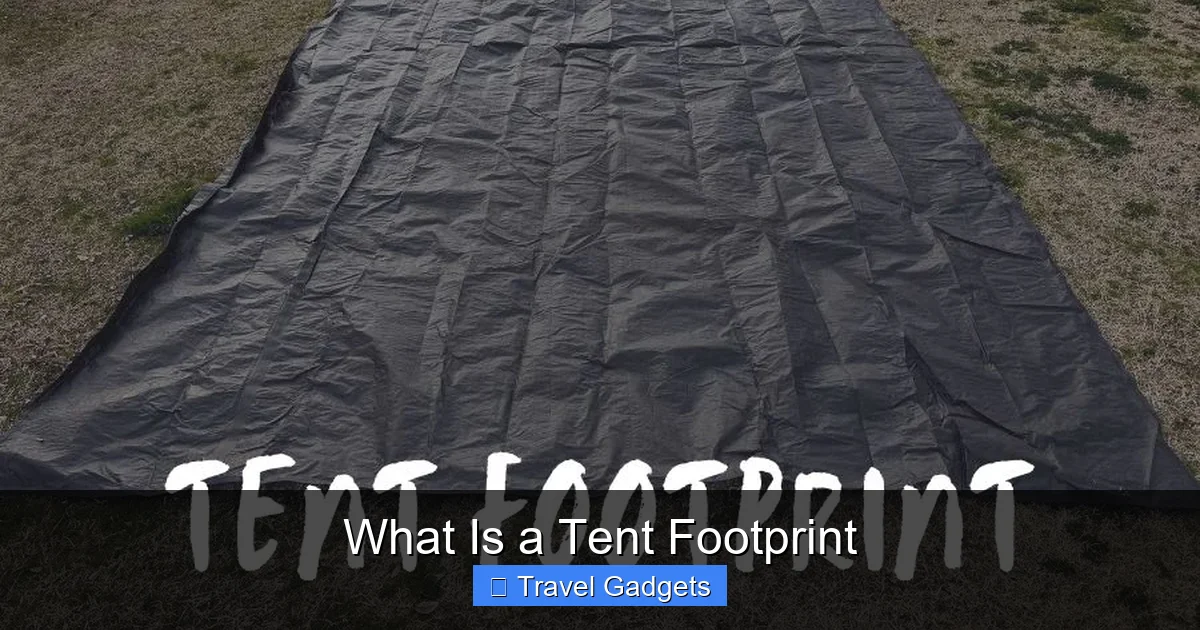
Absolutely! If you’re on a budget or prefer DIY solutions, you can create a basic footprint at home. Heavy-duty plastic sheeting (like roofing tarps or thick garbage bags) works surprisingly well. Cut it to match your tent’s dimensions, then reinforce the corners with duct tape or rope.
However, homemade versions lack the precision, durability, and often the waterproofing of commercial products. They’re best for occasional use or emergencies.
Alternatively, consider purchasing an affordable pre-made footprint—they cost as little as $15–$25 and pay for themselves after just one season of use.
Installation Tips for Maximum Protection
Setting up your tent with a footprint is straightforward, but a few tricks ensure optimal performance:
– Place it first: Lay the footprint on the ground before unfolding your tent. This prevents dirt from getting trapped underneath.
– Align perfectly: Center the footprint so it covers the entire tent floor, including corners and seams.
– Secure the edges: Use stakes or rocks to keep the footprint from shifting when you pitch the tent.
– Store together: Keep the footprint packed with your tent to avoid misplacing it.
Remember: never install your tent directly onto the footprint without checking for debris first. Even a footprint can transfer sharp objects to your tent if something lies beneath it.
Common Misconceptions About Tent Footprints
Let’s clear up a few myths:
– Myth: “My tent floor is already strong enough.”
Reality: Even reinforced floors wear out. A footprint adds an extra layer of defense.
– Myth: “I can just use a tarp instead.”
Reality: Tarps are bulkier, heavier, and rarely fit as precisely as a dedicated footprint.
– Myth: “Footprints are only for winter camping.”
Reality: They help year-round—protecting against moisture, abrasions, and dirt regardless of season.
– Myth: “They’re too expensive.”
Reality: At under $30, they’re a small price for protecting your $200+ investment.
Final Thoughts: Don’t Skip the Footprint
A tent footprint is more than just a piece of plastic or fabric—it’s a smart, cost-effective upgrade to your camping setup. It protects your investment, boosts comfort, and simplifies maintenance. Whether you’re a weekend warrior or a thru-hiker, adding a footprint to your gear checklist is one of the easiest ways to elevate your outdoor experience.
Next time you pack your tent, ask yourself: “Do I have a footprint?” If not, grab one before your next adventure. Your future self will thank you—especially when you pull out a pristine tent floor after a rugged trip.
Frequently Asked Questions
Is a tent footprint necessary?
While not mandatory, a tent footprint greatly extends your tent’s lifespan by protecting the floor from sharp objects and moisture. Most experts recommend using one, especially for frequent campers.
Can I use any plastic sheet as a footprint?
Yes, but only if it’s thick, durable, and cut to fit your tent. However, commercial footprints offer better waterproofing, durability, and precision, making them a smarter long-term choice.
Do all tents come with a footprint?
No. Budget and ultralight tents often exclude footprints to save weight and cost. Always check the product description before buying.
Can I wash my tent footprint?
Yes! Most footprints are machine-washable or easy to wipe down. Clean it regularly to maintain waterproofing and hygiene.
Will a footprint make my tent heavier?
Minimal impact—high-quality footprints weigh just a few ounces. The added protection far outweighs the negligible weight increase.
Can I use a footprint without a tent?
Technically yes, but it serves no practical purpose. Footprints are designed exclusively for use under tents to protect the floor.