
Wondering what makes a tent strong and weatherproof? Most tents are built with high-quality fabrics like polyester or nylon, paired with metal or fiberglass poles, and sealed seams for waterproofing. Understanding the materials helps you choose the best tent for durability, comfort, and safety on your next outdoor trip.
When you step into a tent on a crisp mountain morning or under the stars in a desert camp, you’re stepping into a carefully engineered shelter. But have you ever stopped to wonder: what is a tent actually made of? From the fabric that wraps around you to the poles that hold it all up, every part plays a vital role in keeping you dry, safe, and comfortable. Understanding the materials used in tent construction not only satisfies curiosity—it helps you make smarter choices when buying gear.
Check the latest prices and available rooms before they sell out.
Whether you’re a weekend camper, a thru-hiker, or a family adventurer, knowing what goes into your shelter can mean the difference between a cozy night under the sky and a soggy, sleepless one. In this guide, we’ll break down everything you need to know about tent materials, how they work together, and why some choices matter more than others depending on your needs.
Key Takeaways
- Tent Fabrics: The outer shell is usually made of polyester or nylon, often coated with polyurethane (PU) or silicone for water resistance.
- Poles: Aluminum poles are lightweight and strong; fiberglass is cheaper but heavier and more brittle.
- Waterproofing: Sealed seams and DWR coatings prevent leaks during rain, crucial for long-term use.
- Vents and Mesh: Polyester mesh panels improve airflow and reduce condensation inside the tent.
- Floor Materials: Tarpaulin or ripstop nylon floors protect against moisture and abrasion from rough terrain.
- Accessories Matter: Guy lines, stakes, and rainflies enhance stability and weather protection.
- Material Trade-offs: Heavier materials offer durability; lighter ones save weight for backpackers.
📑 Table of Contents
- The Outer Shell: The First Line of Defense
- Tent Poles: Strength Meets Weight
- Seams and Waterproofing: Stopping Leaks Before They Start
- Mesh Panels: Ventilation Without Compromise
- The Floor: Protecting Your Bottom
- Additional Components: Stakes, Ropes, and Rainflies
- Choosing the Right Materials for Your Needs
- Conclusion: Build Smart, Stay Dry
The Outer Shell: The First Line of Defense
The outer tent fabric is your first and most important barrier against wind, rain, and sun. Most modern tents use either polyester or nylon, each with distinct advantages.
Polyester is known for its strength and resistance to UV rays, making it ideal for long-term outdoor use. It doesn’t stretch much, which means it stays taut and maintains shape over time. Many budget and mid-range tents use polyester because it’s affordable and durable. However, it’s not as breathable as nylon and tends to retain heat more.
Nylon, on the other hand, is lighter and more flexible. It’s often used in ultralight backpacking tents where every ounce counts. Nylon also dries faster than polyester after getting wet. The downside? It degrades faster in prolonged sunlight and can stretch slightly, which may affect long-term shape retention.
To make these fabrics waterproof, manufacturers apply coatings. The two main types are:
– Polyurethane (PU) coating: Cheaper and more common in entry-level tents. PU is effective but can degrade faster in cold temperatures and may require re-treatment over time.
– Silicone coating: More expensive but highly durable. It’s more resistant to temperature changes and lasts longer without losing effectiveness.
Waterproof Ratings Explained
Don’t be fooled by marketing terms like “waterproof” or “all-weather.” A better way to judge a tent’s rain resistance is through its hydrostatic head rating. This measures how much pressure water can apply before it starts to leak through the fabric. For example:
Find the Best Accommodation Deals
Compare prices from multiple booking platforms and find the best option for your stay.
Compare Hotel Prices- A 1,500mm rating means the fabric resists water under 1,500 millimeters of pressure—good for light rain.
- A 3,000mm or higher rating offers excellent protection during heavy downpours.
Always check the hydrostatic head number when comparing tents. A high rating doesn’t mean the tent won’t leak—it just means the fabric is less likely to do so.
Tent Poles: Strength Meets Weight

Find the Best Accommodation Deals
Compare prices from multiple booking platforms and discover the best stay options available.
⭐ Trusted by thousands of travelers
💰 Budget to luxury options available
Visual guide about What Is a Tent Made Of
Image source: i.pinimg.com
Tent poles provide the structural framework that holds the tent upright. They come in two main types: aluminum and fiberglass.
Best Stay Deals Available
Compare prices across top booking platforms and find the best deal for your stay.
Check Available RoomsAluminum poles are the gold standard for most outdoor gear. They’re lightweight, strong, and flexible enough to withstand wind without breaking. You’ll find them in nearly all quality tents, especially those designed for backpacking or harsh conditions. The only downside? They can be more expensive.
Fiberglass poles are cheaper and offer decent flexibility, but they’re heavier and more brittle. In strong winds or sudden impacts, fiberglass poles are more prone to snapping. That’s why many budget tents use them—but if you plan to camp in exposed areas, aluminum is worth the extra cost.
Some high-end tents now use carbon fiber poles, which are even lighter than aluminum and stronger per ounce. These are popular among ultralight hikers who want maximum strength with minimal weight.
Pole Configuration Matters
Tents are classified by their pole setup:
- Dome tents use multiple curved poles that intersect, creating a stable structure.
- Geodesic tents have intersecting poles at angles, offering superior wind resistance—ideal for mountaineering.
- Pole-less tents rely on tension cords and lack traditional poles, making them ultra-lightweight but harder to set up.
Choose your pole system based on your environment. Dome tents are great for general camping, while geodesic designs shine in windy, alpine settings.
Seams and Waterproofing: Stopping Leaks Before They Start
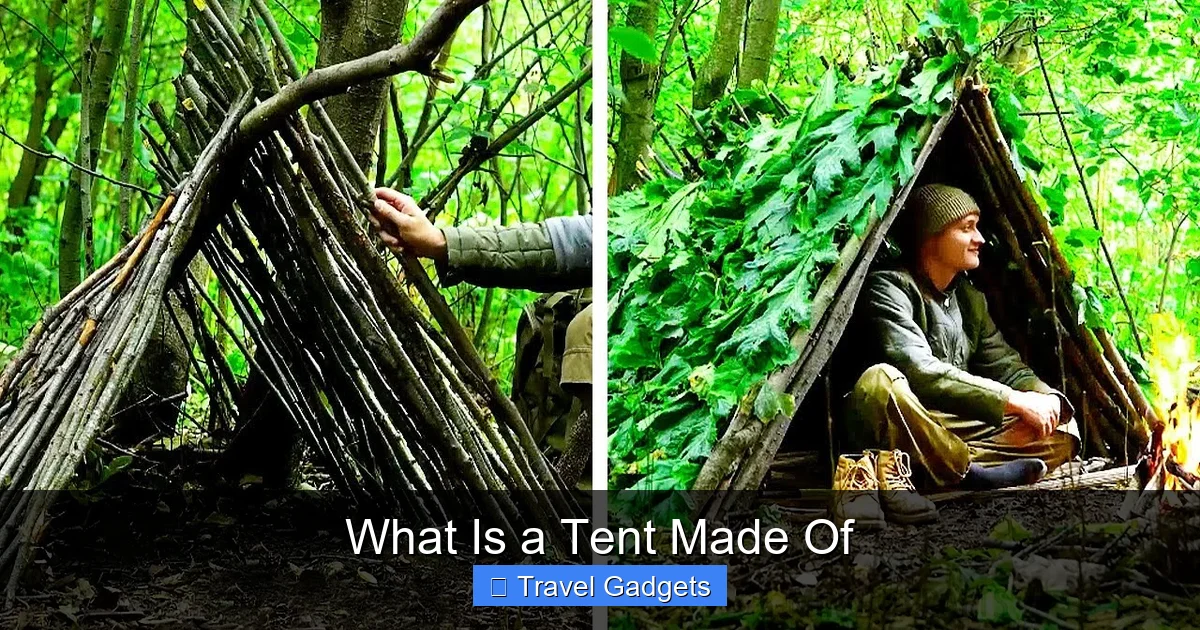
Visual guide about What Is a Tent Made Of
Image source: i.ytimg.com
Even the best fabric can fail if the seams aren’t sealed. Tent seams are where two pieces of fabric overlap, and they’re often the weakest point when it comes to water intrusion.
There are two main ways to seal seams:
– Taped seams: Manufacturers apply waterproof tape over the interior and sometimes exterior seams. High-quality tents use double-taped or fully taped seams, meaning both sides are covered.
– Heat-sealed seams: Some premium tents fuse fabric edges using heat, eliminating gaps entirely. These are rare and typically found in high-end models.
In addition to seam treatment, many tents feature a Durable Water Repellent (DWR) finish on the outer fabric. DWR causes water to bead up and roll off instead of soaking in. Over time, DWR wears off and needs reapplication.
Pro tip: After buying a new tent, consider applying a seam sealer and DWR treatment—especially if you plan to use it frequently in rainy conditions.
Mesh Panels: Ventilation Without Compromise
Visual guide about What Is a Tent Made Of
Image source: img.freepik.com
Most tents include mesh panels near the top or sides to improve airflow and reduce condensation. These are typically made of polyester mesh, which is breathable and allows moisture to escape.
Mesh keeps the inside cooler in summer and helps prevent fogging from body heat and breath. However, it also lets in bugs and wind. That’s why many tents have:
- Partial mesh walls: Lower sections are solid fabric, upper sections are mesh.
- Full-coverage rainflies: Removable covers that block wind and rain while preserving ventilation when removed.
Look for tents with adjustable venting or dual-zip openings. These let you control airflow based on weather and temperature.
Condensation Control Tips
Even with great mesh, condensation can build up inside your tent. Here’s how to minimize it:
- Use a groundsheet or footprint to keep moisture from rising into the tent floor.
- Leave doors and vents open slightly at night, even in cool weather.
- Hang a small towel or absorbent cloth inside to soak up excess moisture.
The Floor: Protecting Your Bottom
The tent floor takes the brunt of dirt, rocks, and ground moisture. Most are made from:
- Ripstop nylon: Strong, tear-resistant, and lightweight—common in backpacking tents.
- Tarpaulin (PVC-coated polyester): Thick, durable, and highly waterproof—used in family cabins and expedition tents.
The floor should extend beyond the outer fabric to create a waterproof skirt that deflects rain from splashing underneath. Always use a tent footprint (a separate ground cloth) to further protect the floor and extend its life.
Why Footprints Matter
A footprint is a simple, inexpensive piece of fabric that goes under your tent. It prevents abrasions from sharp objects and reduces wear on the tent floor. Many manufacturers sell official footprints, but you can improvise with a sturdy tarp or even a thick sleeping pad.
Additional Components: Stakes, Ropes, and Rainflies
No tent is complete without accessories that stabilize and protect it.
– Guy lines and stakes: These secure the tent to the ground, especially in wind. Look for reflective guy lines and corrosion-resistant aluminum or steel stakes.
– Rainfly: A secondary cover that protects the main fabric from rain and UV damage. Quality rainflies often have adjustable vents and storm flaps.
– Stakes and anchors: Some tents include snow anchors or sandbags for use in extreme conditions.
These components may seem minor, but in bad weather, they make all the difference between a secure shelter and a collapsing one.
Choosing the Right Materials for Your Needs
Not all tents are created equal, and material choices reflect their intended use.
– Backpacking tents: Prioritize weight and packability. Expect nylon fabric, aluminum poles, and minimal features.
– Family camping tents: Focus on space, durability, and ease of setup. Polyester fabric and thicker poles are common.
– Expedition or four-season tents: Built to survive snow, ice, and high winds. Use reinforced fabric, geodesic poles, and heavy-duty hardware.
Budget tents might cut corners on materials—like using fiberglass poles or uncoated fabric—which can lead to premature failure. Investing in quality materials pays off in reliability.
Maintenance Tips to Extend Lifespan
– Store your tent clean and dry to prevent mold and mildew.
– Avoid folding it tightly after dampness—let it air out first.
– Reapply DWR or seam sealer as needed.
– Inspect poles and stakes regularly for cracks or bends.
With proper care, a well-made tent can last 10 years or more.
Conclusion: Build Smart, Stay Dry
Understanding what a tent is made of empowers you to make informed decisions. Whether you’re choosing a lightweight shelter for a multi-day hike or a spacious cabin for family trips, the materials determine how well your tent performs in real-world conditions.
From waterproofed polyester to resilient aluminum poles, every component works together to create a safe, dry haven outdoors. By paying attention to fabric type, pole material, seam treatment, and ventilation, you’ll find a tent that matches your adventure style—and stands up to whatever nature throws your way.
Next time you pack up your gear, take a moment to appreciate the science behind your shelter. Because when the rain starts falling and the wind picks up, you’ll be glad you chose wisely.
Frequently Asked Questions
What material is a typical tent made of?
Most tents are made from polyester or nylon fabric, with aluminum or fiberglass poles. The outer shell is usually coated with polyurethane or silicone for waterproofing, and seams are taped or sealed to prevent leaks.
Are tents really waterproof?
Most tents are water-resistant but not fully waterproof. They have hydrostatic head ratings that measure how well they repel water. Higher ratings (3,000mm+) offer better protection in heavy rain, but no tent is completely leak-proof.
Can I repair a torn tent?
Yes, small tears can be patched with waterproof tape or sealant. Larger damage may require professional repair kits or replacement of fabric panels, depending on severity.
How do I keep condensation out of my tent?
Use a footprint, keep vents open, and avoid hanging wet clothes inside. Mesh panels help, but airflow control and absorbent materials inside can reduce moisture buildup.
Is nylon or polyester better for tents?
Nylon is lighter and dries faster but degrades in sunlight. Polyester is stronger and more UV-resistant, making it better for long-term use. Choose based on your priorities: weight vs. durability.
Should I buy a tent with a full-mesh design?
Full-mesh tents are great for hot weather and bug protection but offer little privacy or weather resistance. Consider a partial mesh or hybrid model for year-round versatility.