
A vestibule on a tent is a covered porch-like extension at the entrance that adds valuable space, keeps gear dry, and protects against wind and rain. Whether you’re backpacking or car camping, understanding your tent’s vestibule can make all the difference in comfort and convenience. Think of it as a mini-living room outside your shelter.
Have you ever set up your tent only to realize you forgot your water filter, or worse—your boots are soaking wet from a morning dew? Or maybe you’ve stood shivering in the rain trying to unzip your tent door because your backpack was blocking the path? If any of these sound familiar, you’re not alone. Many campers underestimate the power of a simple feature found on most modern tents: the vestibule.
Check the latest prices and available rooms before they sell out.
So, what exactly is a vestibule on a tent? In short, it’s an optional, sheltered area that extends from the main entrance of your shelter. Think of it like a porch—only smaller, portable, and built right into your tent. While it might seem like just a minor detail, the vestibule plays a huge role in enhancing your overall camping experience. It gives you extra room to move around, keeps your stuff dry, and even helps prevent condensation buildup inside your sleeping bag.
Whether you’re a weekend warrior or a thru-hiker, understanding how your tent’s vestibule works—and how to use it effectively—can turn a cramped, inconvenient campsite into a comfortable retreat. Let’s dive deeper into everything you need to know about this essential piece of camping gear.
Key Takeaways
- Vestibules are external enclosures: They extend from the main door of a tent, creating an outdoor living area without entering the sleeping space.
- They protect against the elements: Vestibules shield you from rain, snow, and wind while still allowing airflow.
- Extra storage space: You can store boots, backpacks, and cooking gear here—keeping your interior clean and organized.
- Easy access to gear: No more digging through packed bags inside; everything you need is just outside the door.
- Can reduce condensation: By keeping wet items outside, vestibules help maintain a drier sleeping environment.
- Not all tents have them: Some ultralight models skip the vestibule for weight savings, so check your specs before buying.
- Setup varies by design: Pole-supported, freestanding, or no-pole vestibules each have their own pros and cons.
📑 Table of Contents
What Exactly Is a Tent Vestibule?
At its core, a tent vestibule is an external enclosure attached to the front (or sometimes side) of your tent’s main door. It’s typically made from the same waterproof fabric as the rest of the tent and is supported either by tent poles, integrated clips, or a combination of both. Unlike a full-fledged awning or pop-up canopy, a vestibule stays tethered to your tent and becomes part of your shelter system once deployed.
Most tents with vestibules feature a single-door layout where the vestibule wraps around one side of the entrance. High-end models may offer dual vestibules on opposite sides, giving you even more space. The size of the vestibule usually matches the width of the tent door—wide enough to step through comfortably but compact enough to save on weight and bulk.
One thing to note: not every tent has a vestibule. Ultralight backpacking tents often omit this feature to shave off grams. But if you’re car camping, family outings, or simply value convenience, a vestibule-equipped shelter is worth considering.
How Does a Vestibule Improve Your Camping Experience?
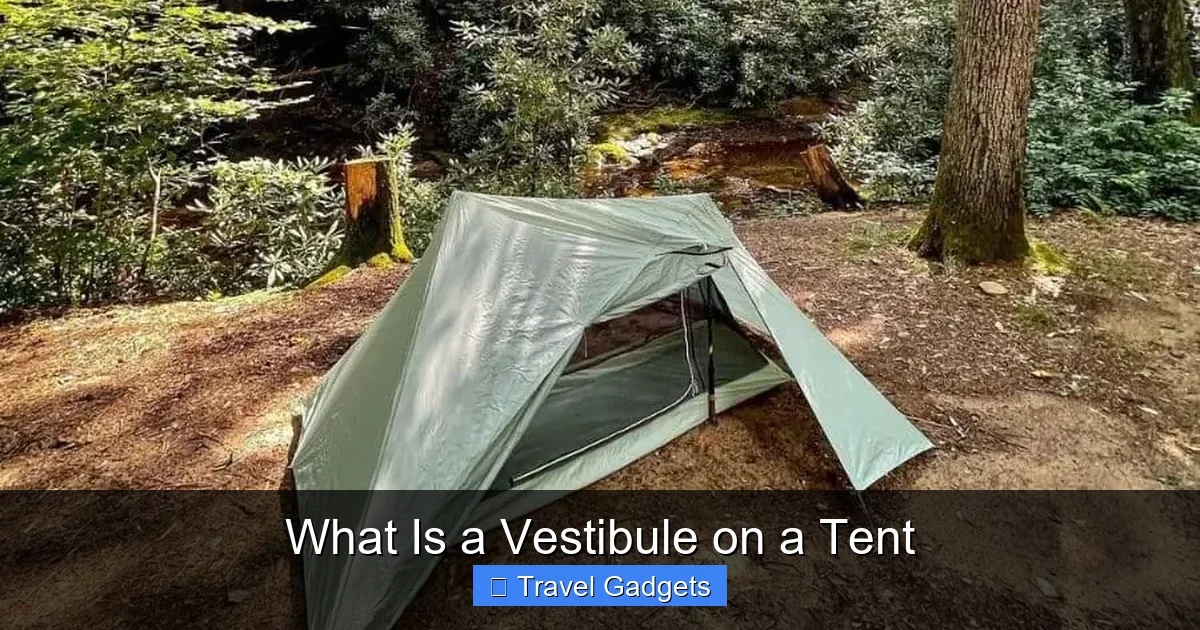
Visual guide about What Is a Vestibule on a Tent
Find the Best Accommodation Deals
Compare prices from multiple booking platforms and find the best option for your stay.
Compare Hotel PricesImage source: wildernesstimes.com
You might be wondering: “Why go through the trouble of setting up another part of my tent?” The answer lies in practicality. A well-designed vestibule transforms your campsite into a functional outdoor kitchen, storage nook, or even a cozy spot to enjoy a morning coffee.
Find the Best Accommodation Deals
Compare prices from multiple booking platforms and discover the best stay options available.
⭐ Trusted by thousands of travelers
💰 Budget to luxury options available
First and foremost, it keeps your gear dry. Have you ever tried to put on socks after hiking through muddy trails only to find your pack soaked from rain? With a vestibule, you can leave your wet boots, jackets, and packs outside the main tent area—right under cover—without worrying about them leaking inside. This simple act alone can prevent damp sleeping bags and mildewy clothes.
Second, it reduces clutter inside your tent. Instead of tossing your dirty dishes, shoes, or cooking utensils onto the floor, you can stash them in the vestibule. That means more floor space for sleeping, lounging, or playing cards—not to mention a cleaner, less chaotic interior.
Third, the vestibule acts as a buffer zone between the wild outdoors and your personal sanctuary. When you open your tent door, you don’t immediately plunge into wind or cold—you step into a transitional space that shields you from the elements. This makes getting in and out of your tent much easier, especially during sudden downpours.
Best Stay Deals Available
Compare prices across top booking platforms and find the best deal for your stay.
Check Available RoomsFinally, many people use their vestibule as a mini-cooking station. With a small table or camp stool, you can prep meals, brew coffee, or enjoy snacks without tracking dirt or grease into your sleeping quarters. It’s essentially a private patio attached to your home away from home.
Types of Tent Vestibules: Which One Should You Choose?
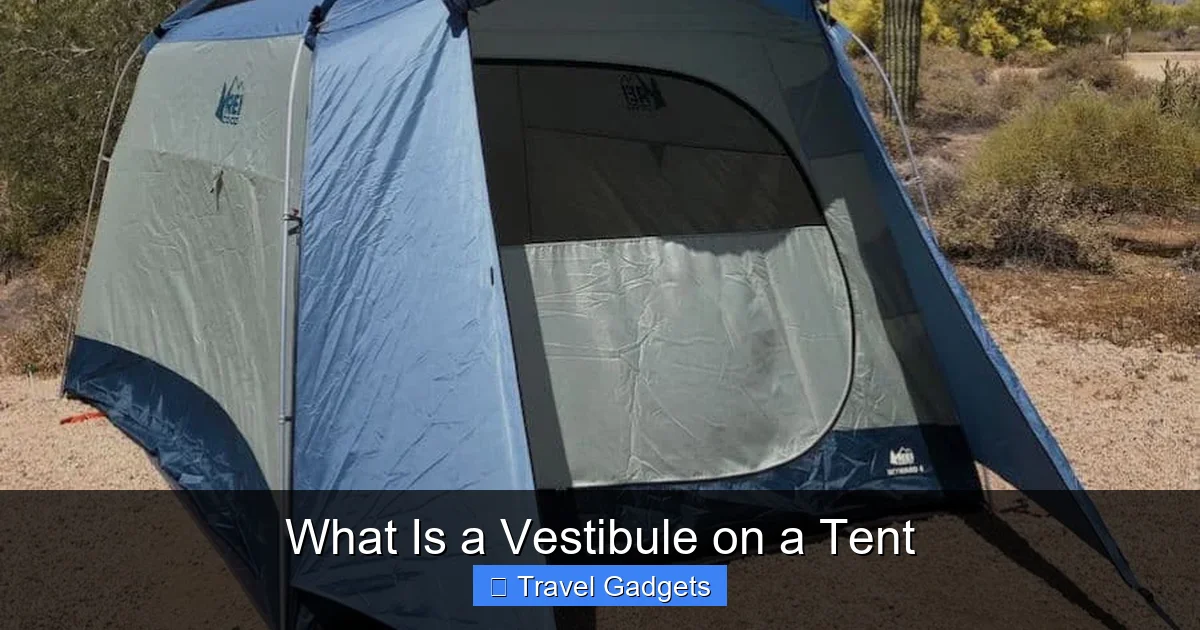
Visual guide about What Is a Vestibule on a Tent
Image source: wildernesstimes.com
Just like tents themselves, vestibules come in different styles depending on the manufacturer and intended use. Understanding these variations will help you pick the right setup for your needs.
Pole-Supported Vestibules
The most common type, pole-supported vestibules rely on lightweight aluminum or fiberglass rods that snap into brackets along the edge of the tent’s rainfly or body. These are sturdy, easy to deploy, and work well in most terrains. Brands like REI Co-op, The North Face, and MSR dominate this category. However, they do add a bit of complexity during setup—especially if you’re pitching your tent solo.
Freestanding Vestibules
Some high-end tents feature detachable, freestanding vestibules that can be moved around or used independently. These are great for car campers who want flexibility—they might place the vestibule on one side today and the other tomorrow. They also make cleanup easier since you can remove them entirely when not needed.
No-Pole (Clip-On) Vestibules
Ultralight tents often use clip-on vestibules that attach directly to loops or grommets on the tent body and rainfly. While lighter and faster to set up, they offer less structural support and may flap in strong winds. Ideal for fair-weather backpackers, but risky in exposed locations.
Integrated vs. Optional
Another consideration is whether the vestibule is built-in or sold separately. Entry-level tents usually include a basic vestibule as standard. Premium models might offer modular options—so you can upgrade later if desired. Always check the product description before purchasing.
Practical Tips for Using Your Tent Vestibule
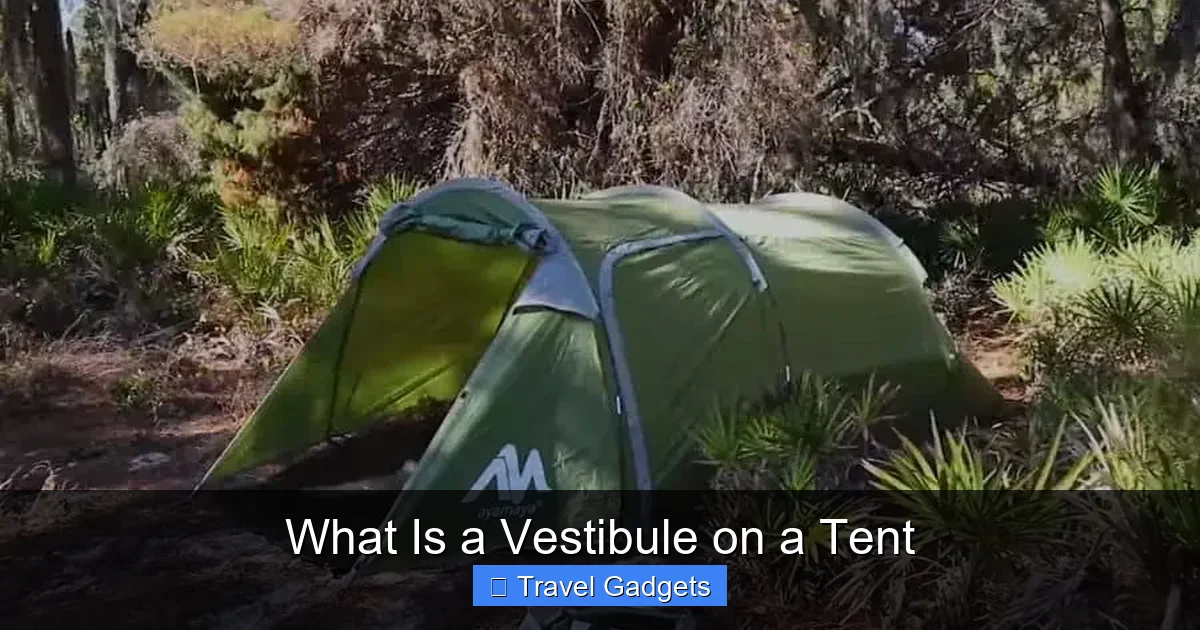
Visual guide about What Is a Vestibule on a Tent
Image source: wildernesstimes.com
Now that you know what a vestibule is and how it works, let’s talk about making the most of it.
Start by planning your layout before unpacking. Lay out your tent, then position the vestibule so it faces away from prevailing winds. If you’re near trees or rocks, angle it to block drafts.
Next, designate specific zones within the vestibule. Keep footwear and wet clothing on one side, dry gear on the other, and reserve the center for sitting or cooking. Use small bins or mesh pockets to organize items—this prevents things from blowing away or getting buried under mud.
If you’re car camping, consider bringing a folding chair or camp table to elevate your vestibule into a proper outdoor lounge. Even a simple tarp laid over two chairs can create a shaded dining area.
During storms, close the vestibule flaps completely to keep rain out. Most designs feature zippers or buckles that seal tightly when closed. Just remember to leave a slight gap for ventilation—otherwise, moisture from breath and cooking can condense on the inner walls.
For backpackers, practice deploying your vestibule in your backyard before hitting the trail. It only takes a few minutes, but rushing at high altitude or late at night can lead to frustration.
Common Mistakes People Make With Vestibules
Even experienced campers sometimes misuse their vestibule—often because they don’t realize its full potential.
One mistake is ignoring it altogether. “I’ll just step over the threshold,” some say—but that defeats the purpose. Leaving the vestibule collapsed wastes space and leaves your entrance exposed.
Another error is overcrowding. Piling too much gear inside the vestibule makes it hard to enter the tent and creates tripping hazards. Stick to essentials: boots, a pack, maybe a small cooler or first-aid kit.
Some campers also forget to secure the vestibule properly. Wind can rip loose fabric or collapse unsupported sections. Always double-check pole connections and zipper pulls before heading to bed.
Lastly, neglecting maintenance leads to tears and leaks. Inspect the vestibule regularly for frayed edges, broken zippers, or worn seams. A quick patch job now saves you from waking up in a puddle later.
The Bottom Line: Is a Vestibule Worth It?
After spending countless nights under the stars, I can confidently say that a good vestibule changes everything. It’s not just about added square footage—it’s about control. Control over where your gear goes, how you cook, and how you handle bad weather.
For casual campers, the benefits are clear: more space, less mess, better comfort. For serious adventurers, it’s about efficiency and preparedness. Every minute saved searching for a dry pair of socks or every ounce of warmth preserved in a drier sleeping bag adds up over time.
Of course, if you’re ultralight-focused or camping in ideal conditions, you might skip the vestibule. But for the average outdoor enthusiast, it’s a feature that delivers real value. So next time you’re browsing tents, ask yourself: *Would I rather have a little extra space outside… or keep tripping over muddy boots inside?*
Investing in a tent with a functional vestibule isn’t just smart—it’s downright liberating. You’ll wonder how you ever camped without one.
Frequently Asked Questions
Do all tents have a vestibule?
No, not all tents include a vestibule. Many ultralight backpacking tents omit this feature to reduce weight and complexity. However, most mid-weight and family-sized tents come equipped with one as standard.
Can I add a vestibule to my existing tent?
In some cases, yes—certain manufacturers sell aftermarket vestibule kits compatible with popular tent models. Check your tent’s manual or contact the brand to see if an upgrade is possible.
How much space does a vestibule add?
A typical vestibule adds about 10–15 square feet of usable area, roughly equivalent to a small outdoor mat or folding stool. Larger models may provide closer to 20+ square feet.
Are vestibules waterproof?
Yes, most vestibules are made from the same waterproof material as the rest of the tent and are designed to shed rain. However, prolonged exposure to heavy downpours may eventually seep through weak seams—hence the importance of seam sealing.
Do vestibules help with ventilation?
Indirectly, yes. By keeping wet gear outside, they reduce internal humidity. Plus, many designs allow you to zip the vestibule partially open to improve airflow while maintaining shelter.
Can I use my vestibule in snowy conditions?
Absolutely. A vestibule acts as a windbreak and snow barrier, protecting your entrance from blowing drifts. Just ensure it’s securely anchored and free of excess snow buildup to avoid collapse.