
What Is a Wall Tent? A wall tent is a classic camping shelter with a high-walled design that offers more interior space and better wind resistance than traditional dome tents. Perfect for families or group trips, wall tents provide ample room to stand up, store gear, and stay comfortable in various weather conditions. Whether you’re planning a weekend getaway or a backcountry adventure, understanding wall tents helps you choose the right setup for safety and comfort.
Key Takeaways
- Wall tents are large, vertical-sided tents: Unlike low-profile tents, they have tall walls that let campers stand inside and move around freely.
- They offer superior space and organization: With more headroom and floor area, wall tents make it easier to store gear, cook, and relax.
- Built for durability and weather resistance: Many wall tents feature heavy-duty materials and designs that handle strong winds and rain.
- Popular among campers and outdoor enthusiasts: Ideal for car camping, festivals, and basecamping due to their stability and comfort.
- Easy to set up with proper poles and stakes: Most models use traditional pole systems and require a few key steps to pitch securely.
- Not ideal for backpacking: Their size and weight make them less suitable for hiking or minimalist travel.
- Great for family trips and extended stays: The extra space supports longer camping experiences with kids or friends.
📑 Table of Contents
What Is a Wall Tent?
Picture yourself deep in the woods, standing tall under the open sky—no hunching over, no bumping your head on fabric above. That’s the magic of a wall tent. Unlike compact dome tents designed for backpackers, a wall tent is a spacious, vertical-sided shelter built for comfort and durability. Think of it as the SUV of camping shelters: roomy, stable, and ready for adventure.
Check the latest prices and available rooms before they sell out.
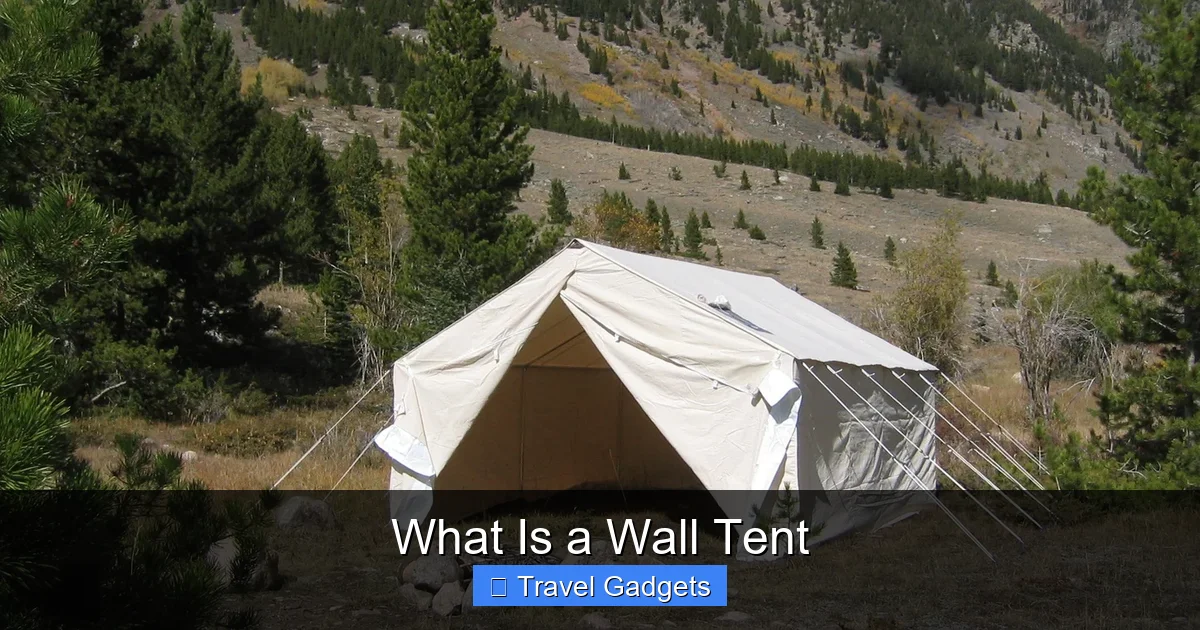
So, what exactly is a wall tent? At its core, a wall tent is a freestanding or semi-freestanding canvas-style shelter with tall, vertical walls that rise from the ground. This design gives it significantly more interior space than most other tents. You can walk inside without crouching, hang lanterns from the ceiling, or even set up a small table. Wall tents are especially popular among campers who want to enjoy nature without sacrificing comfort.
How Does a Wall Tent Work?
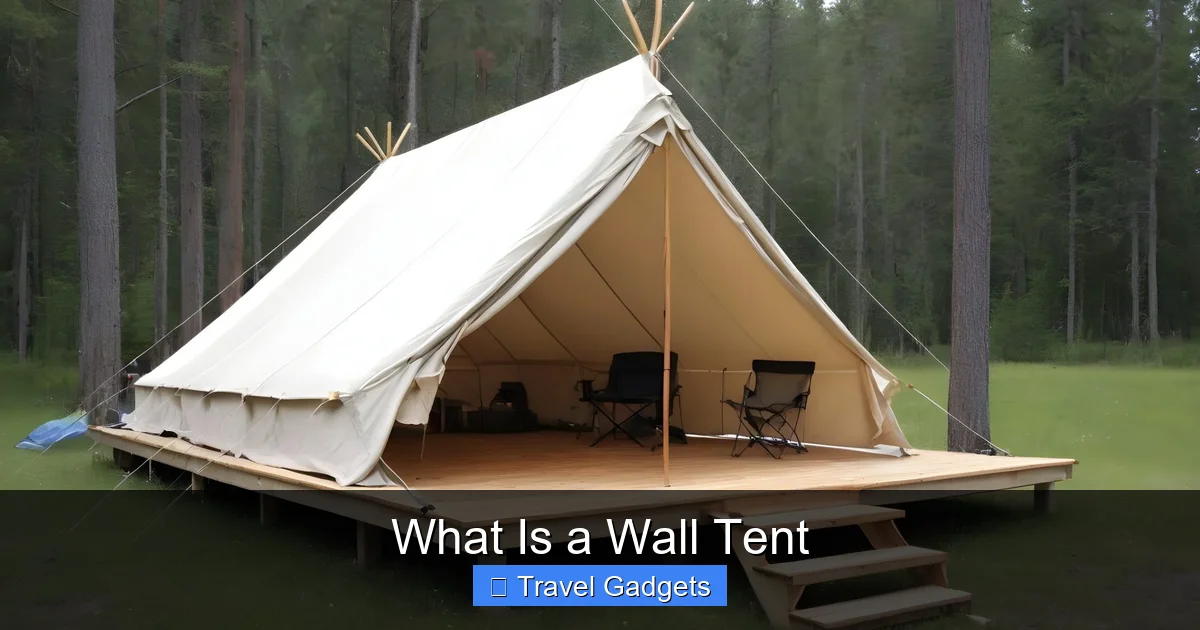
The mechanics of a wall tent are both simple and effective. Most models rely on a central pole system—either a single center pole (common in traditional designs) or multiple side poles—that supports the roof and creates the tall walls. These poles connect at the peak and extend down the sides, forming a rigid frame that resists wind and snow loads.
Inside, the tent usually features a floor made of waterproof material like coated polyester or canvas. The walls are often double-layered: an outer layer protects against rain and wind, while an inner mesh layer allows airflow and keeps bugs out. Some modern versions include a full inner tent (a separate liner) that can be zipped in for added insulation or privacy.
Setting up a wall tent takes a bit more time than pitching a pop-up, but the payoff is worth it. You’ll need a flat campsite, a tarp or groundsheet, and plenty of time to secure the fly, stake down corners, and raise the poles. Once assembled, you’ll feel like you’ve brought your living room outdoors.
Find the Best Accommodation Deals
Compare prices from multiple booking platforms and find the best option for your stay.
Compare Hotel PricesHistory and Origins of the Wall Tent
Visual guide about What Is a Wall Tent
Find the Best Accommodation Deals
Compare prices from multiple booking platforms and discover the best stay options available.
⭐ Trusted by thousands of travelers
💰 Budget to luxury options available
Image source: i.pinimg.com
Before smartphones and GPS, early explorers, trappers, and settlers relied on durable shelters to survive harsh wilderness conditions. The wall tent traces its roots back to 19th-century North America, where pioneers used canvas tents to protect themselves from cold, rain, and wildlife.
Originally made from waxed cotton or oil-treated canvas, these tents were heavy but incredibly weather-resistant. They featured high walls to prevent wind from blowing snow into the tent and wide eaves to shed rain effectively. Over time, manufacturers refined the design, introducing aluminum poles, improved fabrics, and better ventilation.
Best Stay Deals Available
Compare prices across top booking platforms and find the best deal for your stay.
Check Available RoomsToday’s wall tents still honor that rugged legacy. While materials have evolved, the fundamental purpose remains the same: create a safe, dry, and spacious home away from home. From national parks to music festivals, the wall tent endures as a symbol of outdoor resilience.
Benefits of Choosing a Wall Tent
Visual guide about What Is a Wall Tent
Image source: images.squarespace-cdn.com
Why do so many campers swear by wall tents? Let’s break down the advantages:
Spacious Interior and Headroom
One of the biggest perks is the generous space. With walls that climb several feet, you can stand upright and move around comfortably. This is a game-changer if you’re camping with kids, pets, or a large group. No more ducking under poles or tripping over gear—just open floor space for lounging, cooking, or sleeping.
Superior Weather Protection
Thanks to their tall profiles and robust construction, wall tents handle wind, snow, and rain much better than smaller tents. The high walls block gusts, while steeply pitched roofs shed snow quickly. Many models also come with storm flaps and reinforced corners to keep everything secure in bad weather.
Better Ventilation and Airflow
Modern wall tents are designed with airflow in mind. Mesh panels near the top allow warm air to escape, reducing condensation. Zippered vents and adjustable flaps let you control temperature and humidity inside. This means fewer fogged windows and a drier interior—even on humid nights.
Ample Storage Options
Many wall tents include built-in gear lofts, pockets, and side tables. These help keep your belongings organized and off the floor. You can store flashlights, books, snacks, or even a first-aid kit within easy reach. Some models even have external gear vestibules—extra covered spaces outside the main door for wet clothes or muddy boots.
Versatile Use Cases
Wall tents aren’t just for traditional campsites. They’re great for:
- Family camping trips
- Basecamping during hiking adventures
- Music festivals and outdoor events
- Emergency shelter or disaster relief
- Photography and wildlife observation
Their size makes them ideal for long-term stays, where comfort and functionality matter most.
Types and Sizes of Wall Tents
Wall tents come in various shapes, sizes, and configurations. Understanding your options helps you pick the right one for your needs.
Traditional Center Pole vs. Side Pole Designs
The two main styles are center pole and side pole tents. Center pole models use a single vertical rod running through the middle of the tent, which is simple and reliable. Side pole tents use multiple poles along the edges, offering more symmetrical support and sometimes easier setup. Both work well—it’s mostly a matter of preference.
Sizing for Groups and Gear
Wall tents range from 4-person models to massive 10+ person shelters. When choosing, consider how many people will sleep inside versus how much gear you carry. A 6-person wall tent might only fit three adults comfortably with all their equipment. Look for floor areas of at least 50–70 square feet for group comfort.
Seasonal Models and Special Features
Some wall tents are labeled “four-season” because they can withstand winter conditions. These include reinforced floors, snow skirts, and thicker fabric. Others are lighter and more breathable, suited for summer use. Additional features might include:
- Removable inner liners
- Gear vestibules
- Rain gutters on the fly
- Reflective guy lines
Always check the manufacturer’s specs for weight, pack size, and weather ratings before buying.
How to Set Up and Maintain a Wall Tent
Setting up a wall tent isn’t rocket science—but it does require attention to detail. Here’s a quick guide:
Step-by-Step Setup Tips
- Choose the Right Spot: Find level ground, away from dead trees or low-hanging branches. Clear rocks, sticks, and debris.
- Unpack and Lay Out: Unroll the fly, floor, and poles. Arrange everything in order—poles, stakes, guylines.
- Pitch the Fly First: Stake down the corners and attach guylines. Then insert poles and raise the structure.
- Add the Inner Tent (if included): Zip it in after the frame is up to save time.
- Secure Everything: Stake all lines and adjust tension so the tent feels taut.
Pro tip: Practice at home before your trip. Nothing kills excitement faster than fumbling with poles in the dark.
Maintenance and Care
To keep your wall tent in top shape:
- Dry it thoroughly after each use—moisture breeds mold.
- Store it loosely rolled, not compressed, to preserve fabric integrity.
- Inspect seams and zippers regularly; repair any damage promptly.
- Avoid dragging the tent over rough terrain—canvas can tear easily.
With proper care, a quality wall tent can last decades, passing down through generations of campers.
Wall Tents vs. Other Types of Tents
You might wonder: why choose a wall tent over a dome tent, cabin tent, or pop-up? Let’s compare:
Wall Tent vs. Dome Tent
Dome tents are lightweight and easy to set up—great for backpackers. But they sacrifice space and stability. A wall tent offers far more headroom and resists wind better, though it’s heavier and slower to pitch.
Wall Tent vs. Cabin Tent
Cabin tents mimic house rooms with sloped ceilings and large doors. They’re excellent for families but often lack the rugged weatherproofing of a wall tent. Wall tents win in durability and classic charm.
Wall Tent vs. Pop-Up Tent
Pop-ups are instant shelters—perfect for quick trips. However, they rarely match the size or longevity of a wall tent. If you value comfort and reliability over speed, go wall.
Ultimately, the best choice depends on your trip style. Backpackers? Skip the wall. Car campers? Embrace it.
Tips for Camping with a Wall Tent
Ready to try a wall tent? Here are some pro tips to make your experience smooth:
Bring Extra Guy Lines and Stakes
Wind and rain can loosen your setup. Pack extra stakes and reflective lines so you can reinforce the tent if needed.
Use a Groundsheet or Tarp
Never pitch directly on bare ground. A tarp underneath protects the tent floor and adds insulation.
Ventilate Early and Often
Open vents before sunrise to prevent condensation buildup. Close them at night if it’s cold outside.
Organize Your Gear Inside
Keep food, toiletries, and electronics in sealed bags. Avoid leaving scented items inside—they attract wildlife.
Respect Wildlife and Leave No Trace
Store trash properly and pack out everything you bring in. Wall tents should enhance, not harm, the environment.
With these practices, your wall tent becomes a cozy, responsible home base for unforgettable adventures.
Conclusion: Why the Wall Tent Endures
So, what is a wall tent, really? It’s more than just a shelter—it’s a tradition, a statement, and a smart investment for serious campers. With room to breathe, strength to weather storms, and charm that connects us to history, wall tents continue to earn their place in every camper’s arsenal.
Whether you’re gathering around a campfire with friends, teaching kids about nature, or simply enjoying the quiet vastness of the wild, a wall tent lets you do it in comfort and style. As outdoor culture evolves, the wall tent remains a timeless favorite—proof that sometimes, the simplest designs are the most enduring.
If you’re looking for a travel gadget that blends function, history, and fun, a wall tent might just be your next essential piece of gear.
Frequently Asked Questions
Can a wall tent fit in a regular-sized car?
Yes, most wall tents can fit in a standard sedan or SUV when packed properly. Look for models with compact carry bags and foldable poles. Some larger ones may require a roof rack or trunk space extension.
Are wall tents waterproof?
High-quality wall tents are treated with water-resistant coatings and feature full-coverage flysheets that shed rain effectively. However, no tent is 100% waterproof—always use a groundsheet and avoid setting up in standing water.
How much does a good wall tent cost?
Prices vary widely. Entry-level wall tents start around $200–$300, while premium models with four-season ratings or custom designs can exceed $800. Investing in a reputable brand ensures durability and performance.
Do I need a separate stove for a wall tent?
It’s recommended to use a portable camping stove outside the tent or in a dedicated vestibule. Never use fuel stoves inside—carbon monoxide buildup is extremely dangerous.
Can kids sleep safely in a wall tent?
Absolutely! Wall tents offer enough space and stability for children to sleep comfortably. Just ensure proper ventilation, keep flammable items away, and supervise younger kids at night.
Are wall tents hard to carry on backpacking trips?
No—wall tents are too heavy and bulky for backpacking. Their design prioritizes space and durability over portability. Stick to ultralight tents if you plan to hike long distances with your shelter.