
A yurt tent is a round, dome-shaped shelter with a collapsible wooden frame and fabric walls, originally used by Mongolian nomads. Today, it’s a popular choice for travelers, campers, and even homeowners seeking sustainable, stylish, and weather-resistant living spaces. Whether you’re glamping in the Rockies or building a backyard retreat, yurts offer comfort without sacrificing connection to nature.
Have you ever dreamed of sleeping under a starry sky but still wanting a bed with a roof, heat, and maybe even Wi-Fi? Enter the yurt tent—a timeless shelter that blends ancient wisdom with modern convenience. More than just a tent, a yurt is a portable, dome-shaped dwelling that has traveled across continents and centuries. Originally crafted by nomadic people in Mongolia and Central Asia, today’s yurts are popping up in national parks, luxury resorts, and even suburban backyards.
Check the latest prices and available rooms before they sell out.
If you’re into outdoor adventures, sustainability, or simply love the idea of a cozy, nature-connected space, understanding what a yurt tent is could change the way you think about shelter—and even your next getaway.
Key Takeaways
- Origin & Design: Yurts originated over 2,000 years ago among Central Asian nomadic tribes and feature a circular design with a collapsible roof (kigil) and wooden lattice walls.
- Portable & Versatile: Unlike traditional tents, yurts can be assembled, disassembled, and moved easily—ideal for camping, festivals, or permanent homes.
- Weather Resistant: With durable canvas or polyester covers, yurts provide excellent insulation against wind, rain, and snow.
- Glamping Appeal: Modern yurts often include electricity, heating, and stylish interiors, blending rustic charm with modern comfort.
- Sustainable Choice: Many yurts are built with eco-friendly materials and energy-efficient designs, reducing environmental impact.
- Customizable Layouts: From sleeping lofts to kitchenettes, yurts can be tailored to fit your lifestyle and space needs.
📑 Table of Contents
What Is a Yurt Tent?
At its core, a yurt tent is a round, tent-like structure with a distinctive circular floor plan and conical roof. The word “yurt” comes from the Mongolian word *“ger”*, meaning home. These portable dwellings were designed to be easy to assemble, disassemble, and transport—perfect for families who needed shelter that could move with them across vast grasslands.
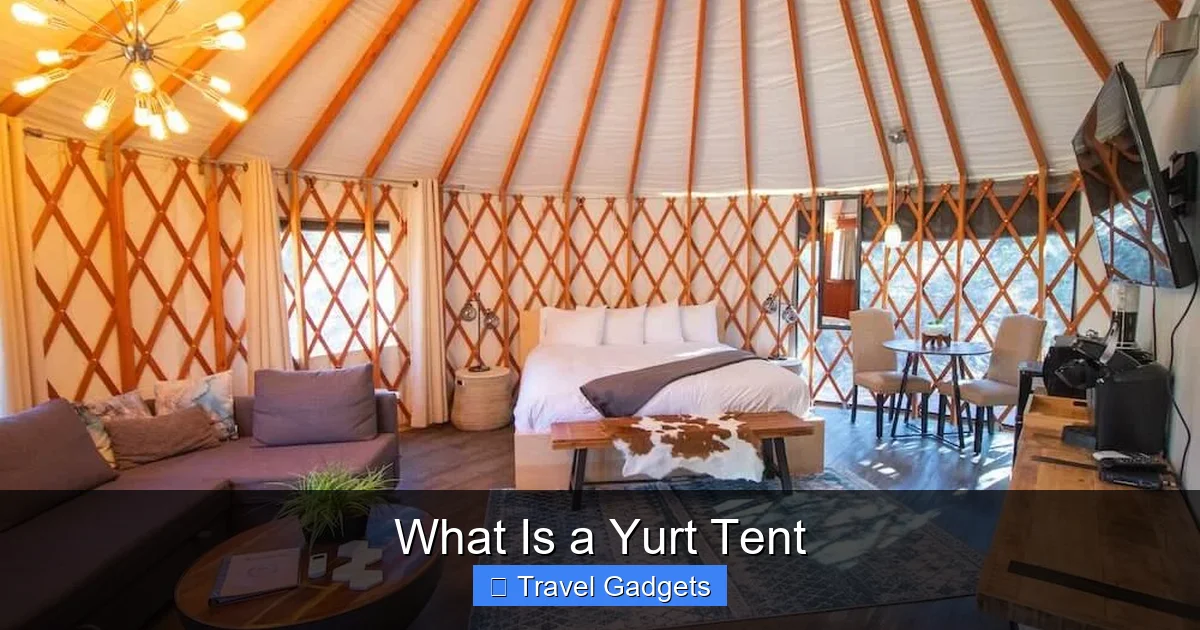
The classic yurt features a central metal or wooden ring (the kigil) at the top of the roof, which supports a lattice wall panel (the khana). Fabric walls made of canvas or synthetic material roll up or down depending on the season, allowing airflow in summer and warmth in winter. A smoke hole at the apex lets out fire or stove smoke while keeping rain out.
Today, yurts come in many forms—from authentic replicas to sleek, modern glamping pods. But they all share one thing: a focus on simplicity, durability, and harmony with nature.
The History Behind the Yurt Tent
Visual guide about What Is a Yurt Tent
Image source: escalanteyurts.com
Find the Best Accommodation Deals
Compare prices from multiple booking platforms and find the best option for your stay.
Compare Hotel PricesLong before Instagram influencers posted photos of “glamping” in designer yurts, nomadic cultures relied on them for survival. For over 2,000 years, Mongolian herders, Turkic tribes, and other steppe dwellers lived in yurts during their seasonal migrations. These weren’t temporary shelters—they were fully functional homes with beds, storage, and even stoves.
The yurt’s design was revolutionary for its time. It required no foundation, could be built in a day, and withstood harsh winds and heavy snow. The collapsible structure meant families could pack up and move with their livestock, maintaining a sustainable lifestyle.
Find the Best Accommodation Deals
Compare prices from multiple booking platforms and discover the best stay options available.
⭐ Trusted by thousands of travelers
💰 Budget to luxury options available
After the fall of the Silk Road and the rise of settled civilizations, yurts faded from mainstream use—until recent decades. In the 1960s and 70s, anthropologists and architects began studying yurts as models for efficient, low-impact housing. By the 2000s, eco-conscious builders and outdoor enthusiasts brought them back to life.
Now, yurts are no longer just for nomads. They’ve become symbols of adventure, sustainability, and off-the-grid living.
From Steppes to Suburbs: How Yurts Spread Around the World
While Mongolia remains the cultural heartland of the yurt, these tents have found homes across the globe. In North America, yurt campsites dot national forests and private resorts. In Europe, they’re common in rural retreats and festival grounds. Even urban planners in cities like Portland and Austin have embraced yurts as tiny home alternatives.
Best Stay Deals Available
Compare prices across top booking platforms and find the best deal for your stay.
Check Available RoomsThis global appeal isn’t just cultural—it’s practical. As climate concerns grow and people seek simpler ways to live, the yurt offers a solution that’s both old and new.
How Does a Yurt Tent Work?
Visual guide about What Is a Yurt Tent
Image source: m.media-amazon.com
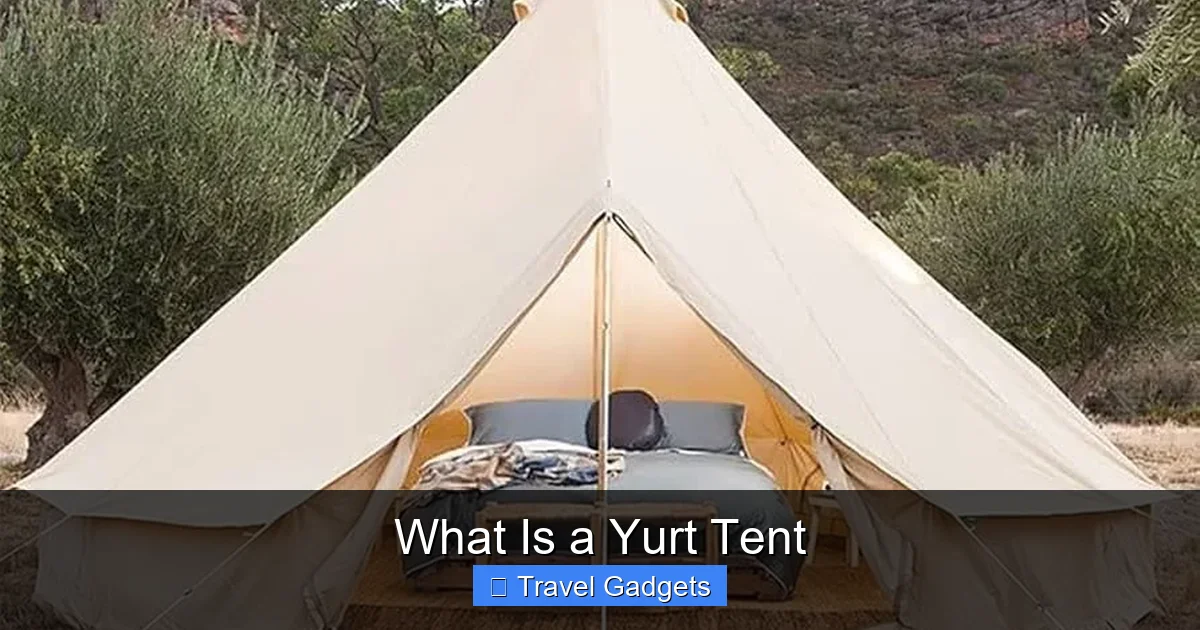
Understanding how a yurt tent functions helps explain why it’s so effective. Unlike rectangular tents that rely on poles and guy lines, a yurt uses a unique tension-based system.
The foundation is typically a circular platform—often made of wood or stone. Over this sits a series of interlocking wooden lattice walls (called the wall panel or khana), which form a cone. At the top, a central ring (the kigil) holds the roof together. Fabric panels are attached to the outside of the walls and can be rolled up for ventilation or closed for privacy and warmth.
Inside, a stove or heater sits in the center, with flues passing through the roof to vent smoke. Benches line the perimeter, often with raised sleeping platforms along the wall—a nod to the original herder lifestyle.
Modern yurts add insulation, windows, and electrical outlets, making them comfortable year-round. Yet, despite upgrades, the basic principles remain unchanged: simplicity, strength, and airflow.
Key Components of a Yurt Tent
- Lattice Wall Panel: Interlocking wooden rings that create the dome shape and support the roof.
- Kigil (Roof Ring): The central ring that holds the roof taut.
- Fabric Siding: Waterproof canvas or polyester panels that cover the walls.
- Floor Mat: Insulated, often wool-filled, to keep cold out and warmth in.
- Stove Flue: A pipe through the roof for safe indoor heating.
- Door: Typically a single flap door that opens outward.
Each part is designed to work together, creating a stable, weatherproof shelter with minimal materials.
Yurt Tents vs. Traditional Tents: What’s the Difference?
Visual guide about What Is a Yurt Tent
Image source: ae01.alicdn.com
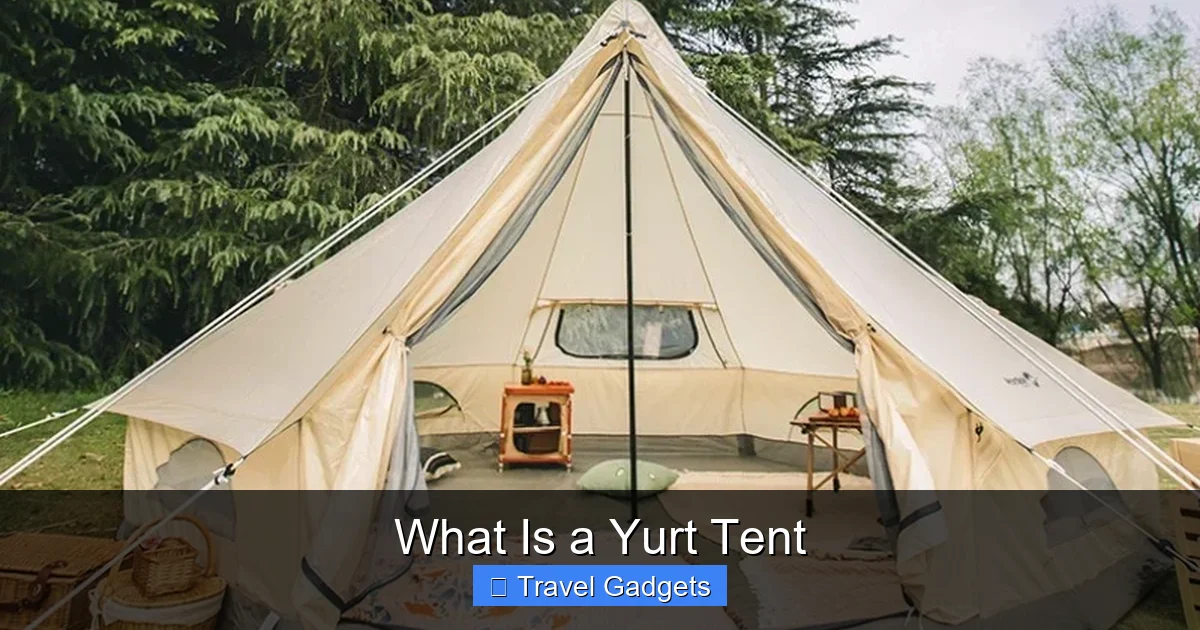
You might be wondering: if I already own a tent, do I need a yurt? While both are shelters, yurts differ significantly in design, function, and experience.
Shape & Stability: Yurts are round and dome-shaped, which distributes wind pressure evenly. This makes them far more stable in high winds than rectangular tents.
Setup Time: A yurt can take hours to set up—but once assembled, it feels permanent. Traditional tents are faster to pitch but may require constant adjustments.
Space & Comfort: Yurts offer more usable space due to their circular layout. You can walk around the entire interior, and there are no dead corners. Most yurts also include furniture, lighting, and heating.
Durability: With proper maintenance, a yurt can last decades. Canvas siding can be repaired, and the wooden frame resists rot and insects.
Portability: Yes, yurts are portable—but not as lightweight as backpacking tents. They’re better suited for car camping, festivals, or semi-permanent setups.
In short, if you want comfort, stability, and a unique experience, a yurt tent is worth considering.
Why Choose a Yurt Tent Today?
Whether you’re planning a weekend escape or rethinking your home setup, yurts offer compelling benefits.
Perfect for Glamping
Glamorous camping—or “glamping”—is all about enjoying the outdoors without sacrificing comfort. Yurts deliver exactly that. Imagine sipping coffee in a heated yurt as deer graze nearby. With electric blankets, LED lights, and even mini-fridges, yurts turn camping into a luxurious retreat.
Many resorts now offer yurt packages with meals, spa access, and guided hikes. It’s camping with five-star service.
A Sustainable Shelter Option
Yurts are eco-friendly for several reasons:
- Minimal Footprint: No concrete or permanent foundation means less land disruption.
- Renewable Materials: Wood frames, wool insulation, and natural canvas are sustainable choices.
- Energy Efficient: The thick walls retain heat, reducing heating needs. Solar panels can power lights and devices.
- Low Waste: Yurts last for generations with simple repairs—no need to replace frequently.
For eco-conscious travelers and homeowners, a yurt is a smart, responsible choice.
Great for Off-Grid Living
More people are exploring off-grid lifestyles—and yurts are ideal for this. With solar power, composting toilets, and rainwater collection systems, a yurt can support self-sufficient living.
Some families build full-time yurts in rural areas, combining homesteading with adventure. Others use them as vacation rentals, generating income while enjoying nature.
Stylish & Customizable
Modern yurts aren’t just functional—they’re beautiful. Interior designers now create yurt interiors with Moroccan rugs, Scandinavian furniture, and ambient lighting. You can choose colors, layouts, and amenities to match your taste.
Want a yurt with a skylight, a hot tub, or a rooftop deck? Many companies offer bespoke options.
Tips for Buying or Renting a Yurt Tent
Ready to jump into yurt life? Here’s how to get started.
Decide Your Purpose
Are you using it for camping, a backyard office, a guest house, or full-time living? Your goal affects size, features, and cost.
Choose the Right Size
Yurts come in diameters from 8 feet (for a chair) to 32 feet (for a family home). A 12-foot yurt fits two people comfortably. A 16-foot version can host a small party or include a loft bed.
Consider Climate
If you live in a cold region, look for insulated floors, double-layer walls, and efficient stoves. In hot climates, prioritize ventilation, mesh panels, and shade.
Check Local Regulations
Zoning laws vary. Some areas allow yurts as accessory dwellings; others restrict them. Always consult your local government before purchasing.
Buy from Reputable Brands
Look for companies with positive reviews, warranties, and customer support. Popular brands include Pacific Yurts, Montana Yurt Company, and Tumbleweed Tiny House.
Think About Accessories
Additions like solar kits, outdoor kitchens, and furniture bundles can enhance your yurt. Plan for flooring, lighting, and insulation early.
Conclusion: Why Yurts Are More Than Just Tents
So, what is a yurt tent, really? It’s more than a shelter—it’s a symbol of adaptability, sustainability, and connection to nature. From the steppes of Mongolia to the forests of Oregon, yurts have proven their worth for thousands of years. And today, they’re more relevant than ever.
Whether you’re drawn to their historical roots, environmental benefits, or cozy glamping vibe, a yurt tent offers a fresh way to live, work, and play. It’s not just about where you sleep—it’s about how you feel when you do.
If you’ve been searching for a way to blend adventure with comfort, reduce your environmental footprint, or simply enjoy a unique space, consider a yurt. It might just be the most meaningful upgrade to your lifestyle yet.
Frequently Asked Questions
Can a yurt tent be used in winter?
Yes, yurts are excellent for winter use. Their thick walls, insulated floors, and stove systems make them warm and cozy. Proper ventilation and a chimney flue prevent moisture buildup.
How long does it take to set up a yurt tent?
With two people, most yurts can be assembled in 2–4 hours. Once built, the structure feels sturdy and permanent, though disassembly is just as quick.
Are yurt tents waterproof?
Yes, high-quality yurts use waterproof canvas or synthetic fabric. The overlapping panels and sealed seams protect against rain and snow.
Can I install electricity in a yurt tent?
Absolutely. Most modern yurts include electrical wiring for lights, fans, and outlets. Solar panels are a popular off-grid option.
How much does a yurt tent cost?
Prices vary widely. A basic 12-foot yurt starts around $5,000, while custom or deluxe models can exceed $30,000. Rental prices range from $100–$300 per night.
Can I live in a yurt tent full-time?
Yes, many people live in yurts year-round. They meet building codes in many areas and offer a sustainable, off-grid lifestyle with proper planning.