
Tent camping is an exciting way to connect with nature, but it requires the right gear and preparation. From a sturdy tent and sleeping bag to cooking supplies and weather protection, having the essentials ensures safety, comfort, and fun. This guide walks you through what’s needed for tent camping so you’re ready for your next outdoor getaway.
Key Takeaways
- A reliable tent: Choose a waterproof, appropriately sized tent with proper ventilation and easy setup to handle weather conditions.
- Sleeping gear: A quality sleeping bag rated for the season and a sleeping pad or air mattress provide insulation and comfort.
- Cooking supplies: A portable stove, fuel, utensils, and lightweight cookware let you prepare meals safely and efficiently.
- Clothing layers: Pack moisture-wicking base layers, insulating mid-layers, and a waterproof outer shell to stay warm and dry.
- Navigation and lighting: A map, compass, headlamp or flashlight, and backup batteries keep you safe and oriented at night.
- First aid and hygiene: Carry a basic first-aid kit, hand sanitizer, biodegradable soap, and a trowel for waste disposal.
- Weather preparedness: Check forecasts, bring rain gear, and know how to set up a tarp or emergency shelter.
📑 Table of Contents
- What Is Needed for Tent Camping: Your Complete Gear Guide
- 1. Choosing the Right Tent
- 2. Sleeping Comfort: Bags, Pads, and Pillows
- 3. Cooking Supplies for Outdoor Meals
- 4. Clothing: Layering for Every Condition
- 5. Lighting and Navigation Tools
- 6. Safety and Emergency Preparedness
- 7. Personal Hygiene and Waste Management
- Conclusion: Be Prepared, Stay Enjoyable
What Is Needed for Tent Camping: Your Complete Gear Guide
There’s something magical about waking up under a canopy of stars, the gentle rustle of leaves in the morning breeze, and the quiet hum of nature all around you. Tent camping offers a chance to disconnect from screens and reconnect with the outdoors—but only if you’re properly prepared. Whether you’re a seasoned camper or a first-time adventurer, knowing what is needed for tent camping makes all the difference between a relaxing retreat and a stressful ordeal.
Check the latest prices and available rooms before they sell out.
From choosing the right tent to packing smart, every detail matters when you’re setting up camp miles from the nearest convenience store. This guide breaks down everything you need to know—so you can focus on enjoying the journey, not worrying about gear. Let’s dive into the essentials that make tent camping safe, comfortable, and unforgettable.
1. Choosing the Right Tent
The tent is the centerpiece of your camping setup. It’s your home away from home, so selecting one that suits your needs is crucial. When deciding what is needed for tent camping, start with the tent itself.
Visual guide about What Is Needed for Tent Camping
Image source: m.media-amazon.com
Size and Capacity
Always check the tent’s stated capacity—usually 1-person, 2-person, or family-sized. A 2-person tent might feel cramped if you pack bulky gear, so consider adding one more person than you plan to sleep in. For example, a 3-person tent gives you room for two people plus a backpack or two.
Weather Resistance
Look for tents with a high hydrostatic head rating (at least 1500mm) to ensure waterproofing. Double-stitched seams and taped seams add extra protection against leaks. Mesh panels help with ventilation while keeping bugs out, which is especially important in humid or bug-prone areas.
Find the Best Accommodation Deals
Compare prices from multiple booking platforms and find the best option for your stay.
Compare Hotel PricesEase of Setup
Pop-up tents or those with color-coded poles make assembly faster and less frustrating. Practice setting yours up at home before your trip—nothing kills enthusiasm like struggling in the dark after a long hike.
Weight and Portability
Backpackers should prioritize lightweight tents under 5 pounds. If you’re driving to your campsite, durability and space matter more than weight.
Find the Best Accommodation Deals
Compare prices from multiple booking platforms and discover the best stay options available.
⭐ Trusted by thousands of travelers
💰 Budget to luxury options available
Pro Tip: Bring a footprint—a protective ground sheet—under your tent to extend its life and improve insulation.
2. Sleeping Comfort: Bags, Pads, and Pillows
After a day of hiking or exploring, nothing beats sinking into a cozy sleeping bag. But comfort doesn’t stop there—your sleep system plays a huge role in how rested you feel the next morning.
Best Stay Deals Available
Compare prices across top booking platforms and find the best deal for your stay.
Check Available RoomsVisual guide about What Is Needed for Tent Camping
Image source: m.media-amazon.com
Sleeping Bag Ratings
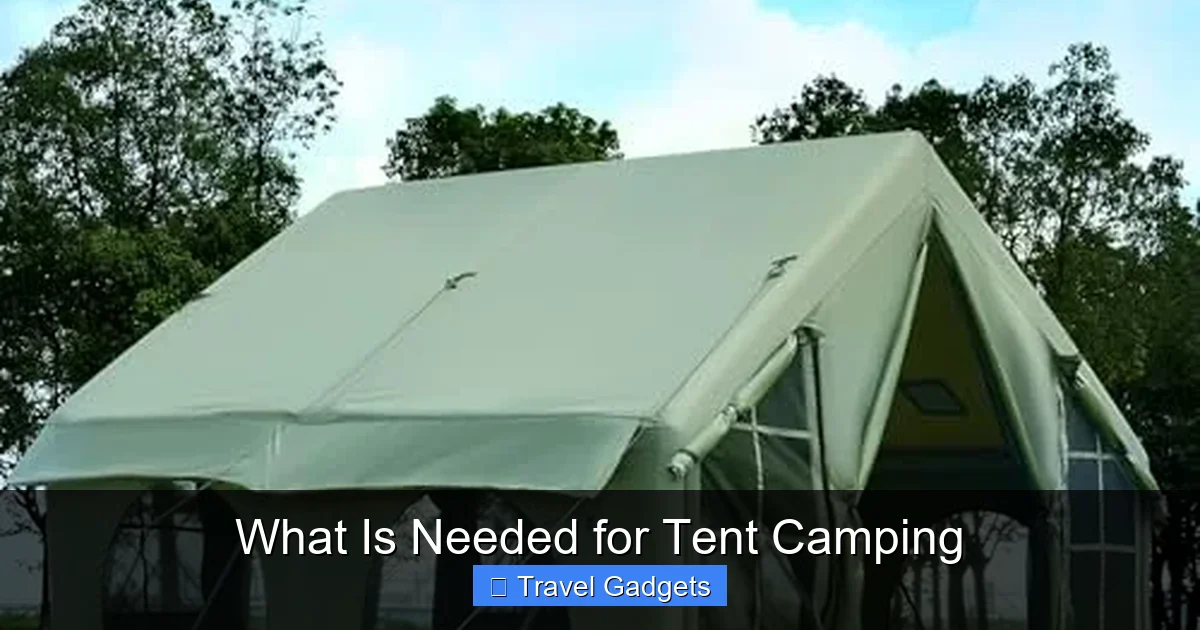
Sleeping bags are rated by temperature limits. A “comfort” rating tells you the lowest temperature you’ll be comfortable in. For spring or fall camping, a 3-season bag rated 20–30°F works well. In warmer climates, choose a summer-rated bag (50°F or higher).
Insulated Sleeping Pad
Your sleeping bag can’t protect you from cold ground. An insulated sleeping pad (R-value 3.0 or higher) adds crucial thermal insulation. Options include foam pads (cheap and durable) or inflatable pads (lighter and more comfortable).
Pillows (Optional but Helpful)
Pack a small inflatable pillow or use a stuff sack filled with clothes. Even a rolled-up fleece blanket can work as a neck support.
3. Cooking Supplies for Outdoor Meals
Food is fuel—and fun! Knowing what is needed for tent camping includes planning how you’ll cook. You don’t need a full kitchen, just the right tools.
Visual guide about What Is Needed for Tent Camping
Image source: i.pinimg.com
Portable Stove
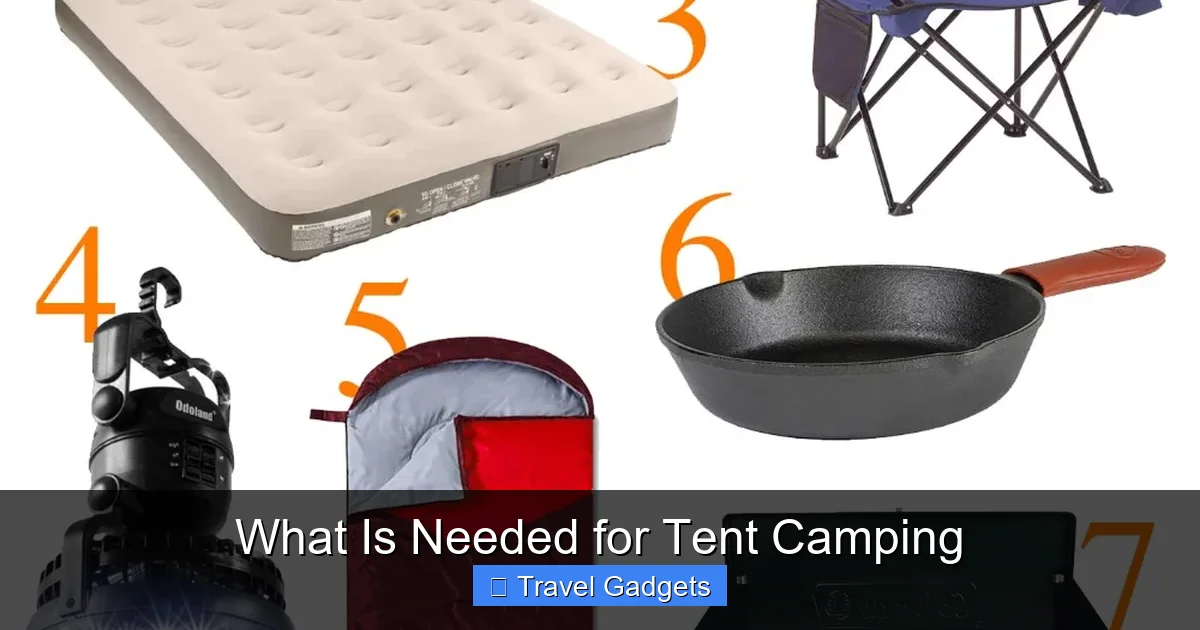
A compact camping stove (like a propane or butane model) is a must. Look for one with adjustable heat control and wind resistance. The MSR PocketRocket is a favorite among hikers for its reliability and tiny size.
Fuel Canisters
Match your stove to the fuel type—most use small propane canisters. Always bring more than you think you’ll need, especially on multi-day trips.
Cookware and Utensils
Pack a lightweight pot with a lid, spatula, spoon, and knife. A nesting set saves space. Don’t forget a spork—it combines fork, spoon, and knife functions.
Clean-Up Kit
Biodegradable soap, a sponge, and a small bucket or ziplock bag help keep things tidy. Dispose of wastewater at least 200 feet from water sources.
4. Clothing: Layering for Every Condition
Weather changes fast in the wild. What seems mild at noon can turn chilly by evening. Dressing in layers keeps you comfortable no matter what.
Base Layers
Moisture-wicking fabrics like merino wool or synthetic blends pull sweat away from your skin. Avoid cotton—it holds moisture and takes forever to dry.
Mid-Layers
Fleece jackets or down vests trap heat. These go over your base layer and under your shell.
Outer Shell
A waterproof and breathable jacket (like Gore-Tex) protects against rain and wind. Pair it with waterproof pants if snow or heavy rain is possible.
Footwear and Accessories
Sturdy, broken-in hiking boots with good ankle support are non-negotiable. Wool socks and gaiters help prevent blisters and keep dirt out. Don’t skimp on a hat and gloves—they lose heat fast.
5. Lighting and Navigation Tools
When the sun goes down, visibility drops quickly. Having reliable light and direction helps prevent accidents and keeps morale high.
Headlamp
A hands-free headlamp is ideal for nighttime tasks like cooking or reading. Choose one with multiple brightness settings and a red mode to preserve night vision.
Flashlight or Lantern
Use these for broader illumination inside the tent or campsite. LED lanterns are bright, energy-efficient, and often USB-rechargeable.
Backup Power
Bring extra batteries or a portable power bank. Solar chargers can recharge devices during the day.
Map and Compass
Even if you have GPS, carry a paper topographic map and a compass. Learn how to read contour lines and use the compass—technology fails.
6. Safety and Emergency Preparedness
Safety isn’t optional. Knowing what is needed for tent camping means being ready for unexpected situations.
First-Aid Kit
Include bandages, antiseptic wipes, blister treatment, pain relievers, tweezers, and any personal medications. A compact first-aid kit fits easily in your pack.
Fire Safety
If allowed, bring a fire starter (matches, lighter, or ferro rod). Never leave a fire unattended. Use established fire rings and fully extinguish flames.
Emergency Shelter
A lightweight emergency bivy or space blanket can save your life in extreme cold. Keep it in an easily accessible spot.
Communication
A whistle, signal mirror, or satellite communicator (like Garmin inReach) can summon help in emergencies. Cell service is rare in remote areas.
7. Personal Hygiene and Waste Management
Staying clean and managing waste responsibly protects both you and the environment.
Biodegradable Soap
Use sparingly for washing dishes and yourself. Always do this at least 200 feet from lakes, rivers, and trails.
Hand Sanitizer and Wet Wipes
Essential for cleaning hands before eating. Choose alcohol-based sanitizers for best effectiveness.
Toilet Paper and Trowel
Pack TP in a plastic bag and bury human waste 6–8 inches deep, 200 feet from water. Leave no trace—take all trash with you.
Trash Bag
Bring a sealable bag for food scraps, packaging, and used toilet paper. Store it securely to avoid attracting animals.
Conclusion: Be Prepared, Stay Enjoyable
So, what is needed for tent camping? It’s more than just a tent and a sleeping bag. It’s a thoughtful collection of gear, clothing, and knowledge designed to keep you safe, warm, and happy in the wilderness. By packing smart, preparing for weather changes, and respecting nature, you set the stage for an incredible outdoor experience.
Start simple if you’re new—focus on the basics like a reliable shelter, warm sleeping gear, and a good stove. As you gain confidence, you’ll expand your kit and try more advanced setups. The key is to plan ahead, test your gear before you go, and always prioritize safety.
Whether you’re pitching a tent in a national park or deep in the backcountry, knowing what is needed for tent camping turns a risky adventure into a rewarding escape. So grab your checklist, pack wisely, and get ready to make memories under the open sky.
Frequently Asked Questions
How many people should I buy a tent for?
Buy a tent one size larger than your group. For example, a 2-person tent can comfortably fit two people plus gear. This gives you breathing room and prevents overcrowding.
Can I camp without a sleeping bag?
Technically yes, but it’s not recommended. Sleeping bags provide insulation and comfort. If you don’t own one, consider renting or buying a budget-friendly option rated for your climate.
Do I need a separate stove for cooking?
Yes. A camping stove allows you to cook meals safely and efficiently. It’s also useful for boiling water and melting snow for drinking.
How do I prevent condensation inside my tent?
Ventilate by opening mesh windows and using a ground tarp. Avoid hanging wet clothes inside. Condensation is normal—just keep airflow moving.
Is it okay to sleep in my car instead of a tent?
Some places allow “couch surfing” or sleeping in vehicles, but always check local regulations. Not all campsites permit this, and it may violate “Leave No Trace” principles.
What’s the most important thing to bring?
Your shelter and sleeping system. Without a dry, warm place to sleep, other gear won’t matter much. Prioritize waterproof tents and insulated sleeping pads.