
Choosing the best camping tent means balancing size, weight, weather protection, and ease of setup. Whether you’re backpacking through mountains or setting up a basecamp in the woods, the right tent can make all the difference. We’ll walk you through what makes a tent truly great and help you find the one that fits your style.
There’s something magical about stepping into the quiet stillness of the wilderness—the crackle of a fire, the hush of dawn breaking over trees, the sound of birds calling in the distance. But even the most peaceful campsite isn’t complete without proper shelter. Your tent isn’t just a place to sleep; it’s your home away from home, protecting you from wind, rain, insects, and the chill of night. That’s why choosing the best camping tent matters more than you might think.
Check the latest prices and available rooms before they sell out.
With so many options on the market—from ultra-lightweight backpacks to spacious family domes—it’s easy to feel overwhelmed. Are you planning weekend car camping? Or are you heading out on a multi-day trek where every ounce counts? The answers shape everything: size, weight, materials, and features. In this guide, we’ll break down exactly what to look for, share real-world examples of top-performing tents, and help you narrow down your choices based on your specific needs. By the end, you’ll know how to pick a tent that keeps you dry, comfortable, and confident—no matter where your adventure takes you.
Key Takeaways
- Size & Capacity: Consider how many people will sleep inside—plus gear. A 2-person tent is fine for two adults, but families need 4+ person models with extra room.
- Weight & Portability: Backpackers prioritize lightweight tents under 5 lbs, while car campers can choose heavier, sturdier options without worrying about pack weight.
- Weather Resistance: Look for high hydrostatic head ratings (3000mm+), sealed seams, and strong poles to handle rain, wind, and snow.
- Ease of Setup: Freestanding designs with color-coded poles simplify pitching. Some tents snap together in under 60 seconds—perfect for quick setups.
- Ventilation & Interior Space: Mesh panels reduce condensation; larger footprints improve comfort and airflow.
- Price vs. Value: Budget tents ($100–$200) work for occasional use, but mid-range tents ($200–$400) offer better materials and durability for frequent campers.
- Brand Reliability: Trusted brands like REI Co-op, Big Agnes, and MSR consistently earn top marks for quality and customer service.
📑 Table of Contents
What Makes a Great Camping Tent?
Before diving into specific models, let’s talk about what truly defines a high-quality tent. It’s not just about looks or brand name—though those can play a role. Instead, focus on performance, durability, and user experience. A great tent should do its job quietly: keeping you safe, dry, and cozy, whether you’re shivering through a cold night or sweating during a summer heatwave.
One of the first things to consider is tent design. Dome-style tents offer excellent stability and wind resistance, making them ideal for exposed areas. Tunnel tents provide more living space and are popular among families or groups who want room to move. Meanwhile, cabin tents mimic the layout of a house, giving you headroom to stand upright—a huge plus if you hate ducking when walking around inside.
Another critical factor is weatherproofing. Even if a tent looks solid, it won’t keep you dry unless it has a reliable rainfly, fully taped seams, and a bathtub-style floor. And don’t forget ventilation! Without proper airflow, condensation builds up inside, turning your cozy shelter into a damp, chilly mess.
Finally, think about setup simplicity. Nothing kills the spirit of camping like struggling with tangled poles and confusing instructions. Modern tents often feature color-coded clips and intuitive frames that go up fast—sometimes in under a minute. For frequent campers, that time saved adds up quickly.
Types of Camping Tents: Which One Fits You?
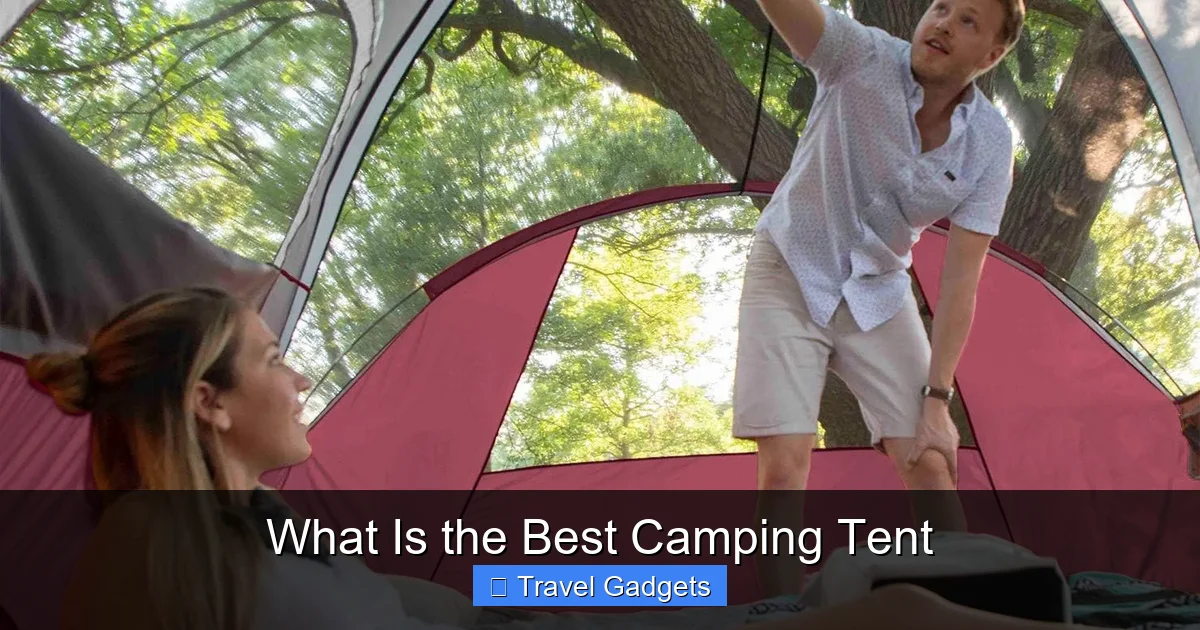
Visual guide about What Is the Best Camping Tent
Find the Best Accommodation Deals
Compare prices from multiple booking platforms and find the best option for your stay.
Compare Hotel PricesImage source: m.media-amazon.com
Not all tents are created equal—and neither are campers. Depending on your trip style, terrain, and group size, different tent types shine brighter than others.
Find the Best Accommodation Deals
Compare prices from multiple booking platforms and discover the best stay options available.
⭐ Trusted by thousands of travelers
💰 Budget to luxury options available
Backpacking Tents
If you’re hiking deep into remote areas, weight is everything. Ultralight backpacking tents typically weigh between 2 to 5 pounds and pack down small enough to fit in a daypack. These models use minimalist designs, single-wall construction (which cuts weight but may trap more condensation), and strong materials like ripstop nylon. Brands like Big Agnes and Zpacks dominate this niche. While they sacrifice some interior space and luxury features, they deliver unmatched portability without compromising on weather resistance.
Car Camping Tents
For those who drive to their destination and stay put, car camping tents prioritize comfort and square footage. These can be massive—some stretch over 100 square feet—with tall ceilings, large windows, and even gear lofts. Think of them as portable cabins. They’re heavier, bulkier, and harder to pitch quickly, but they offer room to spread out, cook indoors, and entertain guests. Families and RV owners often gravitate toward these for weekend getaways.
Four-Season Tents
Winter adventurers need specialized shelters built to withstand heavy snow and biting winds. Four-season tents have steep rooflines to shed snow, reinforced frames, and secure anchoring systems. They’re heavier than summer versions but essential for alpine expeditions. Models from MSR and Hilleberg lead the pack here, though they come at a premium price point.
Best Stay Deals Available
Compare prices across top booking platforms and find the best deal for your stay.
Check Available RoomsPop-Up & Instant Tents
Perfect for beginners or quick weekend trips, pop-up tents snap together almost instantly. No poles, no hassle—just unroll and go. While convenient, they’re generally less durable and offer fewer customization options. Still, brands like Coleman and Ozark Trail make solid entry-level choices under $100.
Top Features to Prioritize When Shopping
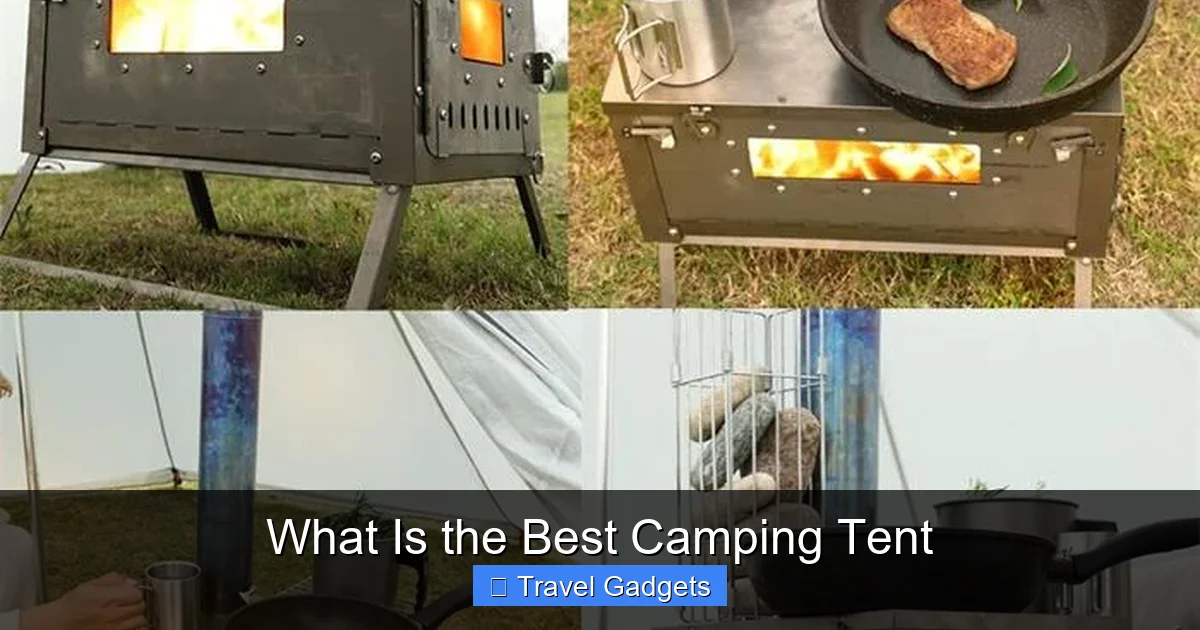
Visual guide about What Is the Best Camping Tent
Image source: hottentstove.com
So how do you translate all this theory into practice? Focus on these five key features when comparing tents.
Weather Protection
Your number one priority should always be staying dry. Look for tents rated for at least 3000mm hydrostatic head—that’s the measure of water resistance. Sealed seams, storm flaps over zippers, and a high-quality rainfly add layers of defense. Also check pole strength: aluminum is lighter and rust-proof; fiberglass is cheaper but heavier and prone to snapping in storms.
Ventilation System
Poor airflow leads to condensation, which ruins sleeping bags and creates a clammy atmosphere. Quality tents include mesh panels near the top and vents at the bottom to promote cross-breeze circulation. Avoid single-wall tents unless you’re experienced—they trap moisture more easily.
Pitch Time & Complexity
Nobody wants to spend 20 minutes wrestling with a tent during a sudden downpour. Choose freestanding models with color-matched poles and clips. Practice pitching at home before your trip so you’re prepared. Most modern designs take under 10 minutes with two people.
Storage & Organization
Pockets, gear loops, and vestibules help keep your space tidy. Vestibules—the covered areas outside the main door—are especially useful for storing boots, backpacks, or cooking gear while keeping critters out. Some tents even include internal mesh pockets for phones, snacks, or maps.
Footprint & Groundsheet
The footprint is the ground cloth that goes beneath your tent. Always use one—it protects the floor from abrasion and extends the tent’s life. Many manufacturers sell matching foot prints separately, but some include them for free. Never skip this step!
Best Camping Tents by Use Case
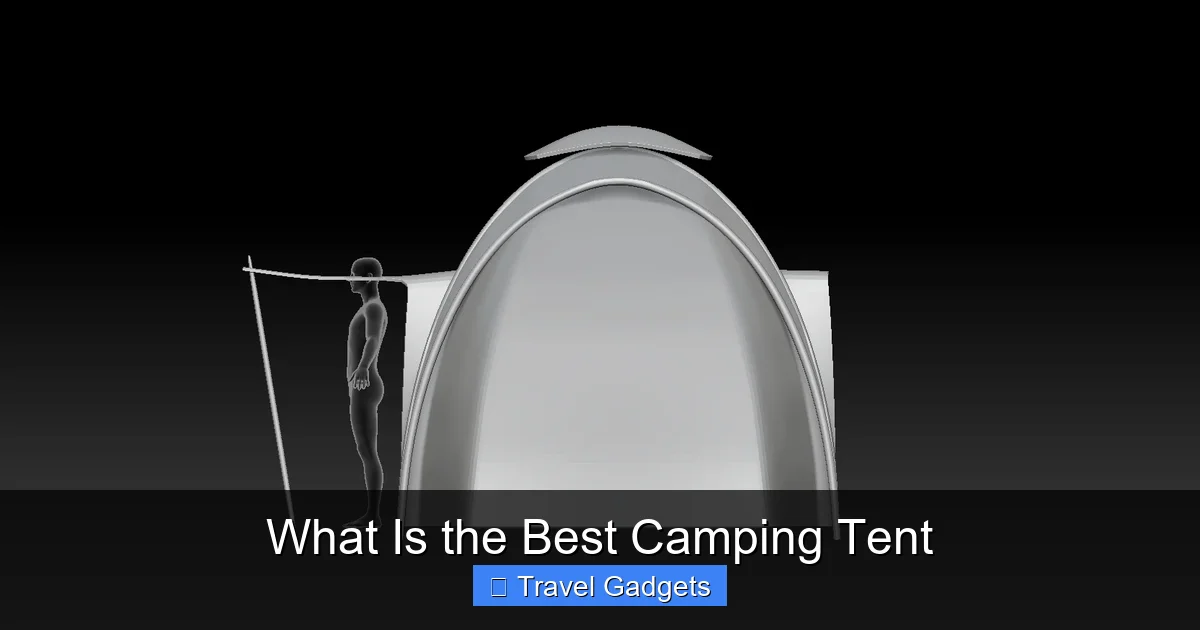
Visual guide about What Is the Best Camping Tent
Image source: fbi.cults3d.com
Now let’s spotlight some standout models across different categories. These aren’t just random picks—they’ve earned praise from outdoor experts and seasoned campers alike.
For Backpackers: Big Agnes Copper Spur HV UL2
Weighing just 2 lbs 12 oz packed, this ultralight gem offers surprising space thanks to its double-wall design and steep walls. It includes dual vestibules (great for food storage), a DAC featherlight frame, and a 3000mm waterproof rating. At around $400, it’s an investment, but worth it for serious thru-hikers.
For Families: REI Co-op Half Dome SL 6
Spacious, affordable, and easy to assemble, this 6-person tent sleeps comfortably with room to spare. Its tunnel design maximizes interior height (up to 78 inches center peak), and the included footprint ensures longevity. Priced around $300, it strikes a rare balance between cost and capability.
For Winter Adventures: MSR Access 2
While not strictly four-season, the MSR Access 2 handles cold temps and light snow well thanks to its robust construction and excellent wind resistance. It packs relatively compactly and sets up quickly, making it a favorite among winter backpackers. Expect to pay close to $500.
For Budget-Conscious Campers: Coleman Sundome 4
Don’t dismiss budget tents entirely! The Coleman Sundome 4 offers solid basic protection for under $100. It’s not ultralight or fancy, but it’s dependable in mild weather and includes a full-coverage rainfly. Just avoid using it in heavy rain or strong winds.
How to Maintain Your Tent So It Lasts Years
Even the best camping tent won’t last forever—but with proper care, it can serve you for a decade or more. Here’s how to keep yours in top shape:
– Always pitch on a clean surface—dirt and debris wear down fabric over time.
– Store it completely dry—never fold a wet tent. Hang it to air-dry after each trip.
– Use a footprint or groundsheet—this prevents tears and prolongs the floor’s life.
– Clean gently with mild soap and water—avoid harsh detergents that strip waterproof coatings.
– Check seams and zippers regularly—repair small rips immediately to prevent bigger damage.
Also, never machine-wash your tent. If it gets really dirty, spot-clean only. And always roll it loosely—tight compression crushes the polyurethane coating inside.
Final Thoughts: Finding Your Perfect Match
At the end of the day, there’s no single “best” tent for everyone—because everyone’s idea of camping differs. A solo hiker needs something light and compact; a family of four needs ample space and multiple doors. But regardless of your situation, investing time upfront to research pays off in comfort, safety, and peace of mind on the trail.
Remember: the best camping tent isn’t necessarily the most expensive or flashiest—it’s the one that matches your lifestyle, handles the conditions you’ll face, and gives you confidence when nature throws challenges your way. Try before you buy if possible, read recent reviews, and don’t rush the decision. After all, your tent is the foundation of every great outdoor story.
Frequently Asked Questions
What size tent should I get for two people?
A 2-person tent is ideal for two adults with minimal gear. However, many experienced campers prefer a 3-person model for extra space and better ventilation. Always account for packing efficiency—stuffing everything inside leaves little room to move.
Are single-wall tents better than double-wall?
Single-wall tents are lighter and simpler, but they trap more condensation. Double-wall tents separate the rainfly from the inner tent, improving airflow and reducing dampness. Unless weight is critical, double-wall designs offer superior comfort.
Can I leave my tent set up year-round?
Most tents aren’t designed for long-term storage outdoors. Prolonged exposure to sun, rain, and temperature swings degrades materials. Store folded tents in a cool, dry place instead.
Do I need a separate footprint?
Yes! Even if your tent comes with one, inspect it before each trip. Footprints protect the floor from abrasion and extend the tent’s lifespan. Replace worn-out ones promptly.
How do I fix a leaking tent seam?
First, confirm the leak isn’t from dirt blocking a zipper or a torn mesh panel. For seam leaks, apply seam sealer (like Gear Aid Seam Grip) after cleaning the area thoroughly. Reapply annually or after heavy use.
Is it safe to sleep directly on the tent floor?
It’s not recommended. Insulation from the ground saps body heat, making you colder at night. Bring a sleeping pad—even a thin foam pad makes a big difference in comfort and warmth.