
Winter camping demands serious gear, especially when it comes to shelter. The best tent for winter camping must offer superior insulation, wind resistance, and reliable weather protection. Whether you’re braving snowy peaks or freezing forests, choosing the right tent can mean the difference between a restful night and a dangerous ordeal.
Key Takeaways
- Durability is key: Look for tents made with ripstop nylon or polyester that resist tearing from wind and ice.
- Weatherproofing matters: A full-coverage rainfly, taped seams, and a high hydrostatic head rating prevent leaks.
- Wind performance: Dome or tunnel designs with multiple poles and guylines outperform traditional A-frames in storms.
- Insulation and ventilation: Double-wall tents reduce condensation while keeping warmth inside.
- Easy setup and packability: Even in winter, you want a tent that’s quick to pitch and compact enough to carry.
- Weight vs. warmth: Balance is essential—don’t sacrifice too much weight for extra features unless necessary.
- Recommended models: Consider brands like MSR, REI Co-op, and Hilleberg for proven winter-ready designs.
📑 Table of Contents
What Is the Best Tent for Winter Camping?
Imagine standing on a frost-covered ridge at dawn, steam rising from your breath as you check your gear. You unroll your tent, secure the guy lines against the biting wind, and crawl inside—only to find it’s warm, dry, and surprisingly quiet. That’s the dream of every winter camper: a shelter that keeps you safe, dry, and comfortable when temperatures plummet and snow starts to fall. But not all tents are built for such conditions. In fact, many are designed for mild spring breezes or summer humidity, not sub-zero winds or heavy snow loads. So, what makes a tent ideal for winter use? And how do you choose the best tent for winter camping without overspending or risking your safety?
Check the latest prices and available rooms before they sell out.
This article cuts through the confusion. We’ll explore the essential features that separate a good tent from a great one in harsh winter environments. From materials and design to weight and ease of use, we’ll walk you through everything you need to know. Whether you’re a seasoned mountaineer or planning your first snowy adventure, this guide will help you make an informed decision. Because when the cold hits hard, your shelter isn’t just a place to sleep—it’s your lifeline.
Why Most Tents Fail in Winter Conditions
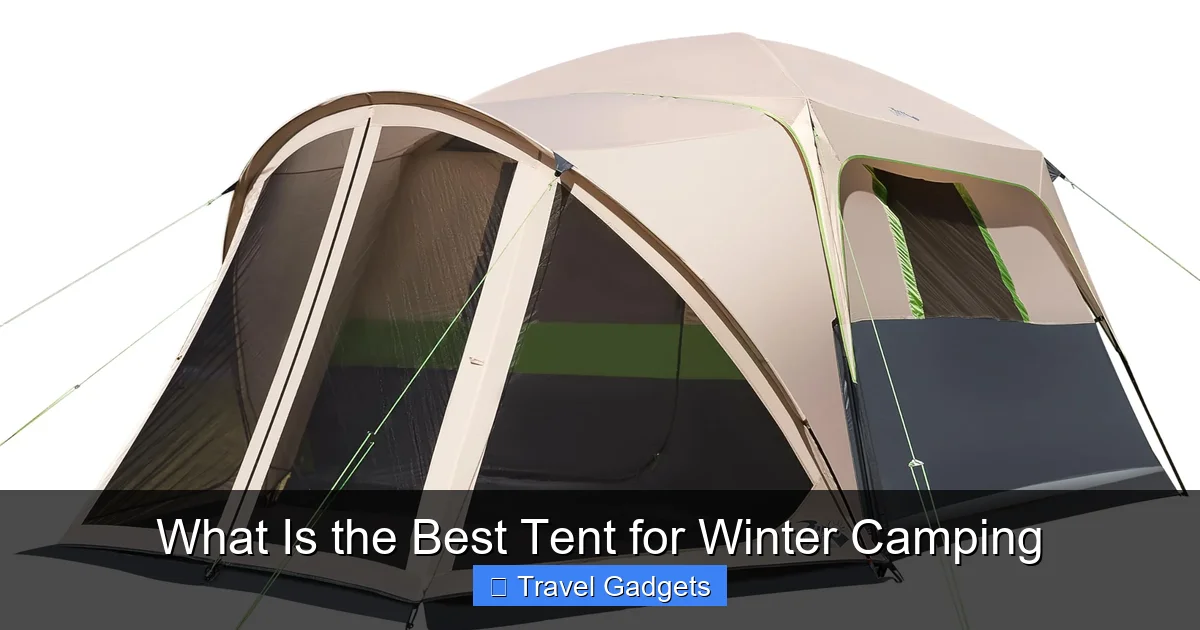
Before diving into the “best” options, let’s talk about why regular tents fall short in winter. First, they often lack the structural integrity to handle strong winds. A standard dome tent might collapse under 40 mph gusts, especially if covered in snow. Second, poor ventilation leads to condensation buildup, turning your sleeping bag into a soggy mess. Third, many tents aren’t waterproof enough—seams can leak, zippers can freeze, and fabric can soak through in a storm.
Visual guide about What Is the Best Tent for Winter Camping
Image source: m.media-amazon.com
Then there’s the issue of insulation. Unlike a house or car, a tent doesn’t have radiant heat or insulation layers. Cold seeps in through the walls, floor, and even the ground beneath you. Without proper design, you’ll wake up shivering. Finally, setup becomes a nightmare when frost covers the poles or snow piles up around the stakes. That’s why winter-specific tents exist—they’re engineered from the ground up for survival in extreme cold.
Top Features of the Best Winter Camping Tents
1. Strong, Lightweight Materials
The foundation of any good winter tent lies in its fabric. Ripstop nylon or polyester is preferred because it resists tears and abrasion—critical when dealing with ice and wind. Look for materials rated 3000mm or higher in hydrostatic head (the measure of water resistance). Brands like Gore-Tex and SympaTex offer premium coatings that keep moisture out while allowing vapor to escape.
Find the Best Accommodation Deals
Compare prices from multiple booking platforms and find the best option for your stay.
Compare Hotel Prices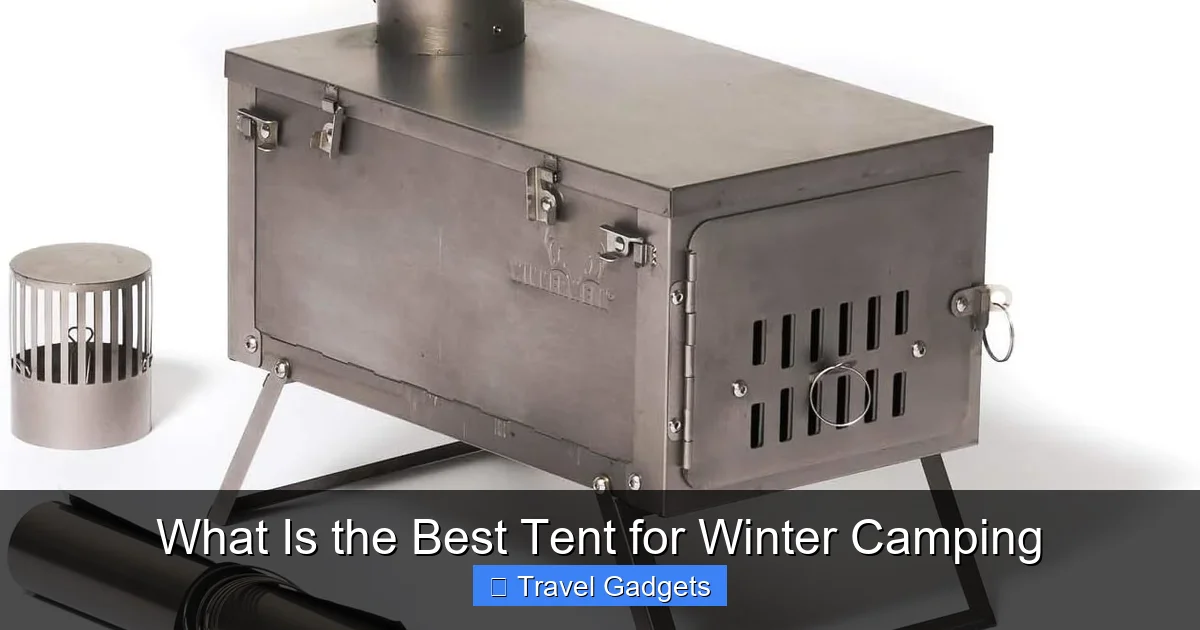
Visual guide about What Is the Best Tent for Winter Camping
Find the Best Accommodation Deals
Compare prices from multiple booking platforms and discover the best stay options available.
⭐ Trusted by thousands of travelers
💰 Budget to luxury options available
Image source: images-na.ssl-images-amazon.com
Poles also matter. Aluminum is lighter than steel but strong enough to withstand bending. Some high-end tents use single-pole tunnel designs for better wind resistance. Avoid fiberglass—it’s brittle in cold and can shatter.
2. Full-Coverage Rainfly & Sealed Seams
A partial rainfly leaves gaps where snow and wind can sneak in. The best winter tents come with full-coverage flys that wrap completely around the body, creating a protective shell. This not only blocks precipitation but also helps trap warmth inside.
Best Stay Deals Available
Compare prices across top booking platforms and find the best deal for your stay.
Check Available RoomsEqually important are taped seams. These prevent water from seeping through stitching holes—a common failure point in cheaper tents. Double-tape or triple-tape construction offers extra security during blizzards.
3. Wind and Snow Load Resistance
Winter tents must handle more than rain—they need to survive snow and ice. Look for models with aerodynamic shapes (like domes or tunnels) that deflect wind rather than catch it. Multiple pole crossings increase rigidity, while strategic guyline attachment points distribute stress evenly.
Some tents include reinforced corners and heavy-duty guylines to anchor down in deep snow or ice. For example, the MSR Access 2 uses a unique pole configuration that reduces flapping in high winds—a game-changer during storms.
4. Effective Ventilation Without Compromising Warmth
This is tricky: too little ventilation causes condensation; too much chills you awake. The solution? Dual-layer systems. A double-wall tent has an outer shell (weatherproof) and an inner tent (breathable mesh). Air flows through the gap between layers, carrying moisture away from your body while retaining heat.
Look for adjustable vents near the top and floor. On cold nights, close them to conserve warmth. On milder days, open them slightly to reduce dampness. Some tents even feature condensation-reducing coatings on the inner fabric.
5. Easy Setup and Low Weight
No one wants to spend 30 minutes trying to pitch a tent while wearing gloves. The best winter tents prioritize simplicity. Color-coded clips, intuitive pole sleeves, and minimal pieces help speed up assembly. Models like the REI Co-op Half Dome SL 2+ use clip-and-carabiner systems that make setup faster than traditional pole-through-sleeve tents.
Weight is another factor. While durability is crucial, carrying a 12-pound tent up a mountain isn’t practical. Aim for a balance: a 7–9 pound tent with robust features is ideal for most winter trips.
Best Tents for Winter Camping (Top Picks)
1. Hilleberg Anjan 2
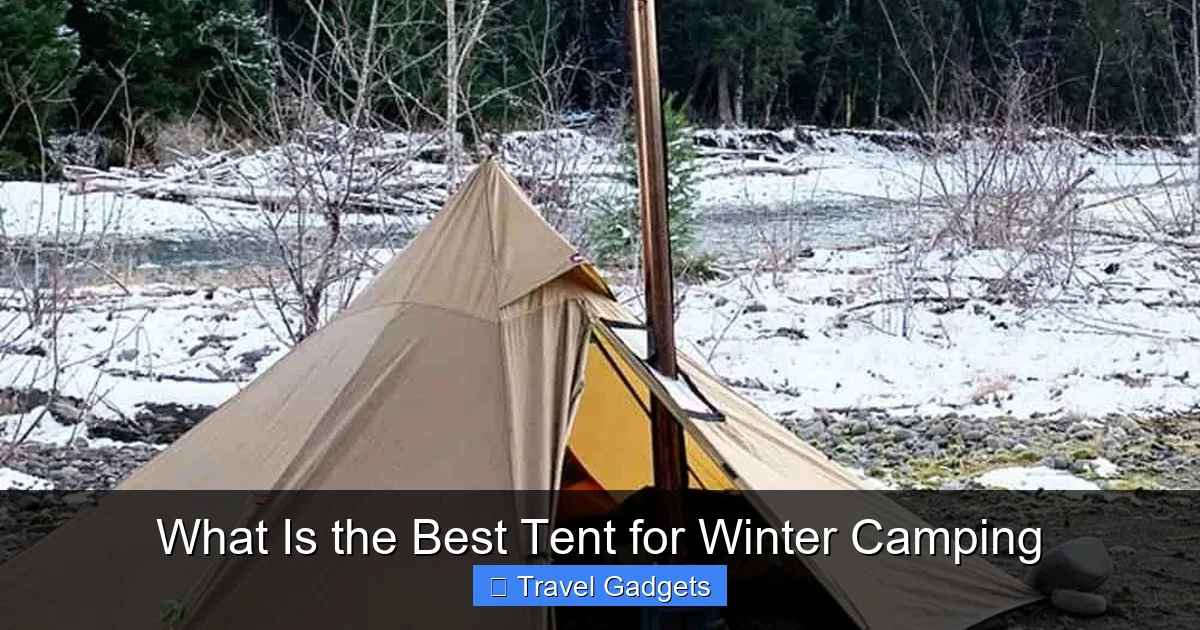
If budget isn’t an issue, the Hilleberg Anjan 2 is arguably the best tent for winter camping. Made in Norway, it’s handcrafted with SympaTex LX-200 fabric—one of the most waterproof and breathable materials available. Its tunnel design resists wind like a champ, and the double-wall system manages condensation beautifully. At 8 lbs, it’s heavier than some, but worth it for serious expeditions.
Visual guide about What Is the Best Tent for Winter Camping
Image source: i.pinimg.com
Pros: Exceptional durability, excellent ventilation, lifetime warranty
Cons: Expensive, bulky for backpacking
2. MSR Access 2
The MSR Access 2 strikes a sweet spot between weight and performance. It weighs just 6 lbs 10 oz and packs small, making it great for alpine climbs. The Freestanding Access Series uses a modified dome shape with dual-pole geometry that deflects wind. The rainfly extends fully over the vestibule, protecting gear from snowmelt.
Tip: Pair it with a footprint for added insulation and durability.
3. REI Co-op Half Dome SL 2+
A solid mid-range option, the Half Dome SL 2+ offers great value. It’s 10% lighter than the original Half Dome thanks to updated materials and construction. The color-coded clips make setup fast, and the double-wall design handles condensation well. While not as rugged as Hilleberg, it’s reliable for weekend winter getaways.
4. Big Agnes Copper Spur HV UL2
For ultralight seekers, the Big Agnes Copper Spur HV UL2 delivers. At 2 lbs 15 oz, it’s one of the lightest two-person winter tents. It uses a hybrid design combining dome and tunnel elements for strength without excess bulk. The DAC Featherlite poles add durability without adding weight.
Note: Not ideal for heavy snow—better for dry, windy conditions.
Tips for Using Your Winter Tent Safely
Pitch on Level Ground
Always choose flat, snow-free spots. Dig out a base if needed, or use a closed-cell foam pad as insulation. Never pitch directly on ice—it conducts heat away from your body.
Use a Footprint or Groundsheet
A footprint protects the tent floor from abrasion and adds insulation. Many manufacturers sell matching ones; others work with generic tarps.
Secure All Guy Lines
In high winds, unsecured lines flap and destabilize the tent. Use extra stakes and adjust tension regularly. Consider using bungee cords to keep lines taut.
Keep Gear Dry Inside
Store wet boots, gloves, and clothing outside. Condensation forms when warm, moist air meets cold surfaces—so minimize moisture inside.
Check Weather Daily
Even if your tent is top-notch, a sudden storm can be deadly. Monitor forecasts and be ready to descend if conditions worsen.
Common Mistakes to Avoid
- Pitching in low areas: Snowmelt collects here, increasing flood risk.
- Skipping the footprint: This exposes the floor to wear and moisture.
- Overlooking zipper quality: Zippers should glide smoothly and resist freezing.
- Ignoring ventilation: Damp sleeping bags lose warmth fast.
- Choosing too small a tent: Extra space improves airflow and comfort.
Conclusion: Choose Wisely, Stay Safe
Finding the best tent for winter camping isn’t about picking the shiniest model or the lightest weight. It’s about matching your gear to your environment, skill level, and trip goals. A $500 Hilleberg may be overkill for a backyard snow camp, while a flimsy pop-up tent could cost you dearly in a real storm.
Focus on proven features: weatherproofing, wind resistance, and smart ventilation. Invest in quality, but don’t break the bank unnecessarily. Remember, your tent is more than shelter—it’s your sanctuary in the wildest months. With the right choice, you’ll sleep soundly under the stars, no matter how cold it gets.
Now go out there—stay warm, stay dry, and enjoy the magic of winter camping.
Frequently Asked Questions
What makes a tent suitable for winter camping?
A winter tent must be highly waterproof, wind-resistant, and well-ventilated. It should use durable materials like ripstop nylon, feature sealed seams, and have a design that sheds snow and deflects gusts. Double-wall construction helps manage condensation while retaining heat.
Can I use a regular tent for winter camping?
Only if it’s specifically rated for winter use. Regular tents often lack sufficient weatherproofing, insulation, and structural strength. They may leak, collapse in wind, or foster dangerous condensation. Always check manufacturer specifications before relying on non-winter gear.
How much does the best winter camping tent cost?
Prices range from $200 for basic double-wall models to over $1,000 for premium expedition tents like the Hilleberg Anjan 2. Mid-range options ($400–$700) often offer the best balance of features, weight, and durability for most campers.
Do I need a two-person tent for winter camping?
Yes, ideally. A two-person tent provides more room for gear, better airflow, and shared body heat. One-person tents can work for short trips, but they restrict movement and increase condensation. Plus, sharing space makes setup easier in cold weather.
Should I buy a freestanding or non-freestanding tent for winter?
Freestanding tents are usually better for winter because they’re easier to set up anywhere, including rocky or uneven terrain. Non-freestanding models require anchoring to fixed objects, which isn’t always possible in snowy landscapes.
Are double-wall tents better than single-wall for winter?
Absolutely. Double-wall tents separate the rainfly and inner tent, creating a breathable air gap that reduces condensation. They also allow better airflow control. Single-wall tents are lighter but trap moisture, making them risky in prolonged cold or damp conditions.