
What makes a tent a 4 season tent? It’s built to withstand heavy snow, high winds, sub-zero temperatures, and icy conditions—unlike summer tents designed for warmth and breathability alone. A true 4 season tent uses reinforced frames, waterproof fabrics, and secure anchoring systems to keep you safe in winter or alpine environments. Whether you’re climbing mountains or braving blizzards, understanding these key differences ensures you choose the right shelter for life-threatening weather.
Key Takeaways
- Sturdy Frame: 4 season tents use rigid poles (aluminum or carbon fiber) to resist wind and snow loads, unlike flexible pole setups in 3 season models.
- Durable Fabric: They feature ripstop nylon or polyester with high denier ratings and sealed seams for maximum water resistance in snow and rain.
- Weatherproof Design: Double walls, full-coverage flysheets, and steep rooflines help shed snow and prevent ice buildup.
- Secure Anchoring: Reinforced guylines and multiple stake points allow for strong setup in high-wind or icy terrain.
- Ventilation Control: Adjustable vents reduce condensation while maintaining airflow in cold, damp conditions.
- Height and Space: Taller interiors accommodate bulky winter gear and allow standing room during storms.
- Certified Standards: Look for brands that test their tents under real winter conditions—not just lab simulations.
📑 Table of Contents
What Makes a Tent a 4 Season Tent?
Imagine this: You’re miles from civilization, perched on a mountain ridge, and a sudden snowstorm rolls in. Your shelter must not only protect you from the elements but also stay upright under 60 mph gusts. That’s where a 4 season tent steps in. Unlike its lighter-weight cousins, a true four-season model is engineered to handle the harshest conditions Mother Nature throws at you—blizzards, sub-freezing temps, heavy snow, and relentless wind. But what exactly sets these tents apart?
Check the latest prices and available rooms before they sell out.
Let’s break down the science, design, and practical features that transform an ordinary tent into a fortress of warmth and safety. If you’ve ever wondered, “What makes a tent a 4 season tent?” this guide will give you the full picture—so you can camp confidently, no matter the forecast.
Why Most Tents Aren’t Built for Winter
Most camping tents are designed with summer in mind. Think warm nights, gentle breezes, and dry trails. These 3 season tents prioritize weight savings, quick setup, and breathable mesh panels—perfect for spring, summer, and early fall. But when winter arrives, those very features become liabilities. Mesh walls trap moisture; single-layer designs leak; and flexible aluminum poles buckle under snow load.
A 4 season tent, by contrast, sacrifices some convenience for survival. It’s heavier, slower to pitch, and more complex to maintain—but in extreme conditions, those trade-offs save lives. The goal isn’t just comfort; it’s structural integrity, thermal efficiency, and resilience against forces that would send a summer tent flying into oblivion.
The Core Features of a True 4 Season Tent
So what separates the tough guys from the weekend warriors? Let’s dive into the five pillars that define a reliable 4 season tent.
1. Rigid, Wind-Resistant Frame
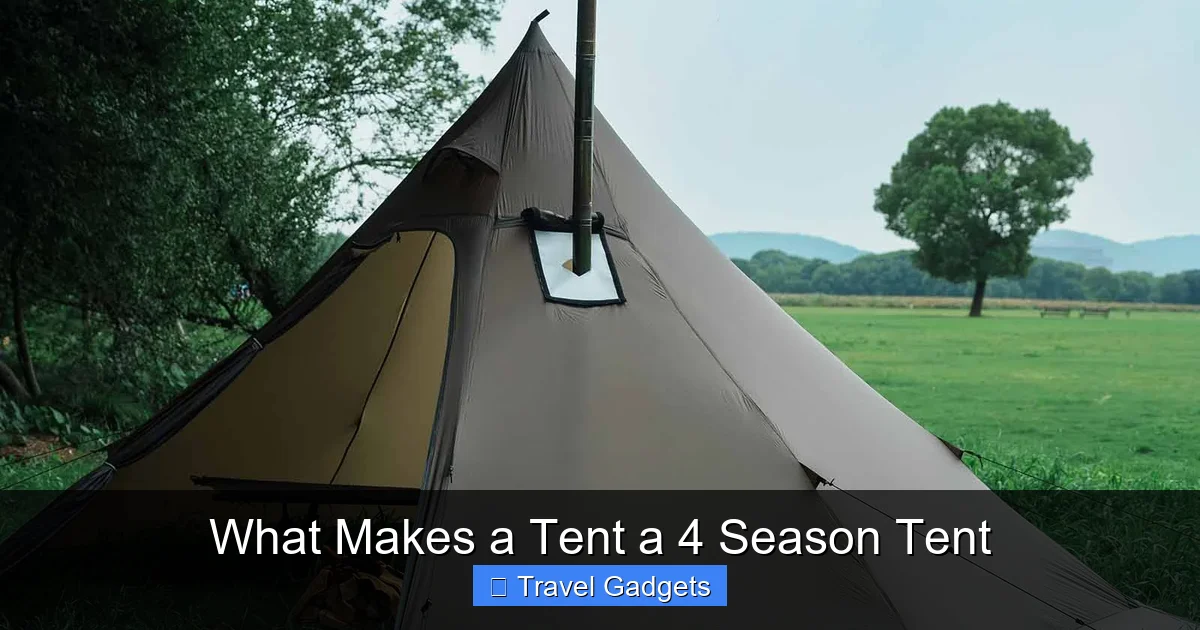
The skeleton of your tent is everything. In a 4 season model, you’ll find aluminum or carbon fiber poles with a rigid, non-collapsible design. These don’t flex like the thin, flexible poles in 3 season tents. Instead, they lock into place, forming a stable arch that resists bending under snow or wind pressure.
Visual guide about What Makes a Tent a 4 Season Tent
Find the Best Accommodation Deals
Compare prices from multiple booking platforms and find the best option for your stay.
Compare Hotel PricesImage source: dandelionshell.com
Find the Best Accommodation Deals
Compare prices from multiple booking platforms and discover the best stay options available.
⭐ Trusted by thousands of travelers
💰 Budget to luxury options available
Visual guide about What Makes a Tent a 4 Season Tent
Image source: expocafeperu.com
For example, the MSR Access or Hilleberg Nallo Gen II use dual-pole systems that create a strong, symmetrical structure. This design evenly distributes stress, making them far less likely to collapse during high winds. Some even feature pre-bent poles that naturally resist snow accumulation—because flat roofs collect snow like a snowplow!
Best Stay Deals Available
Compare prices across top booking platforms and find the best deal for your stay.
Check Available RoomsPro tip: Always check the pole gauge (measured in millimeters). Thicker poles (11–13mm) offer better strength-to-weight ratios than flimsy ones used in budget tents.
2. Heavy-Duty Waterproof Materials
A 4 season tent doesn’t just repel water—it battles it. The outer fabric is typically made from ripstop nylon or polyester with a high denier count (300D or higher). Why? Because lower denier fabrics tear easily when wet or under snow load.
The DWR (durable water repellent) coating is critical. It causes water to bead up and roll off instead of soaking in. But DWR wears off over time—so reapply it after every few trips. Seam sealing is another must: tape or heat-sealed seams prevent leaks where stitching might otherwise fail.
Look for tents rated 5,000mm to 10,000mm hydrostatic head—that’s how many millimeters of water column the fabric can resist before leaking. For comparison, a 3 season tent might only manage 1,500mm.
3. Full-Coverage Flysheet and Double-Wall Design
Double-wall tents have an inner tent (for sleeping) and an outer shell (the fly). In 4 season versions, the fly covers the entire tent, including the floor. This eliminates gaps where snow or wind could sneak in.
This setup also improves insulation. Air trapped between the inner and outer layers acts as a thermal barrier, keeping you warmer without needing extra blankets. Plus, it reduces condensation—a major issue in cold, humid climates where breath and melted snow create moisture inside the tent.
Examples like the The North Face Mountain 25 or REI Co-op Kingdom 4 use this approach effectively, offering both protection and breathability.
4. Steep Roofline and Snow Shedding
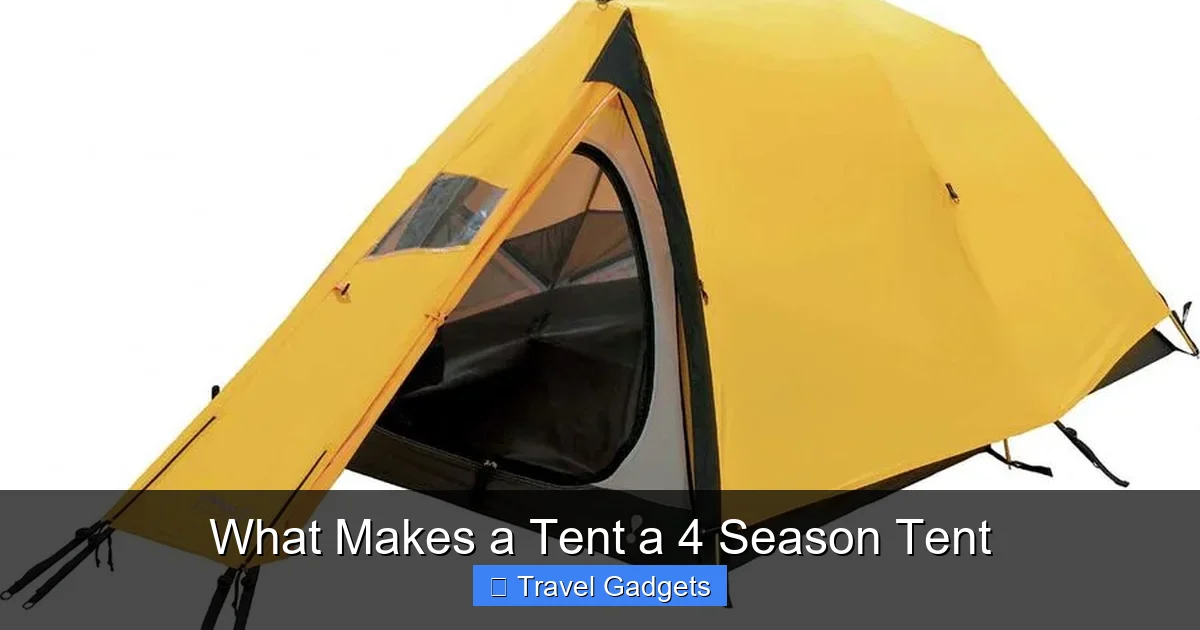
Snow doesn’t stick around on most 4 season tents because of their steeply pitched roofs. Angles between 60° and 90° allow snow to slide off naturally, preventing dangerous accumulations. Flat or low-sloped roofs, common in cheap tents, turn into igloos overnight.
This design also improves internal volume. You’ll notice taller ceilings in models like the Zpacks Pumori or Eureka! Timberline HP, giving you room to move—even in a sleeping bag.
5. Reinforced Anchoring System
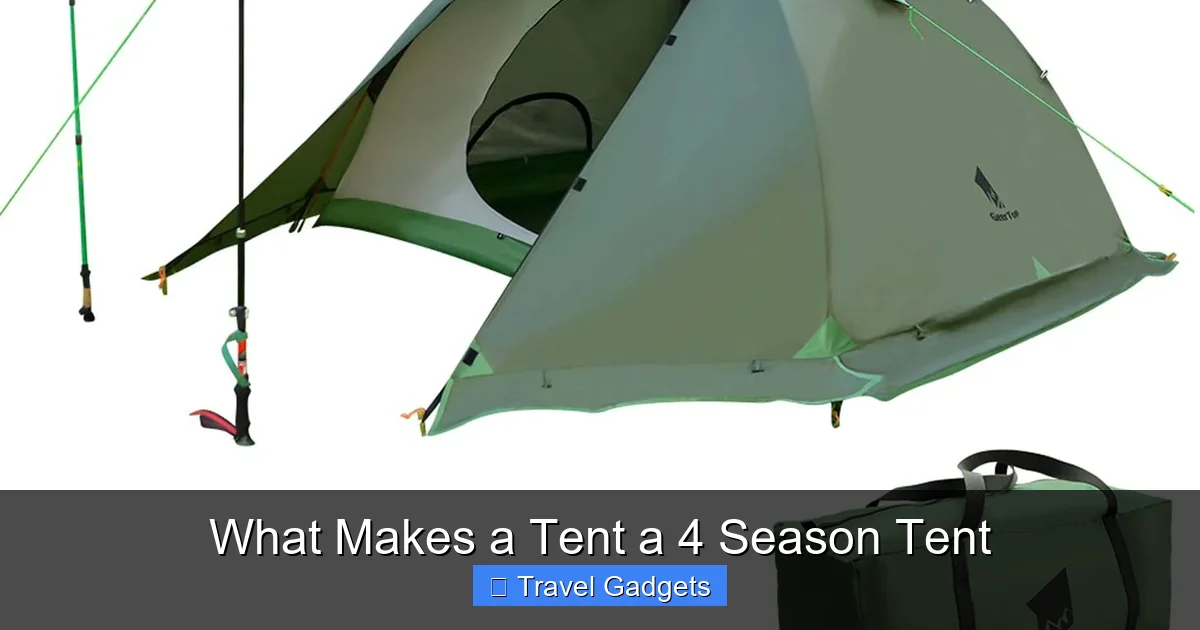
In blizzard conditions, your tent must be nailed to the ground. That means multiple guy points, heavy-duty webbing, and compatibility with ice anchors or skis. Look for tents with grommets spaced every 6–8 inches along the base.
Some premium models include carbon fiber trekking pole-style poles that double as tent poles—ideal for minimalist mountaineers who want one less piece of gear.
Real-World Examples: Which Tents Excel?
Visual guide about What Makes a Tent a 4 Season Tent
Image source: i.pinimg.com
Not all 4 season tents are created equal. Here’s how top performers stack up:
- Hilleberg Nallo Gen II: Known for unmatched durability, this tent uses Kertex fabric—a proprietary waterproof-breathable material tested in Norway’s Arctic Circle.
- MSR Access 2: Offers excellent value with a double-pole design and full-coverage fly. Great for beginners stepping into winter camping.
- Zpacks Pumori: Ultra-lightweight (under 3 lbs!) yet strong enough for alpine climbs. Uses Dyneema Composite Fabric for extreme weather resistance.
- Eureka! Timberline HP: Budget-friendly option with a snow skirt and robust frame. Ideal for family winter trips.
When choosing, consider your environment. Are you camping in sub-zero deserts or icy alpine zones? High humidity changes ventilation needs. Always match the tent to your specific climate.
Common Misconceptions About 4 Season Tents
Many campers assume that any tent labeled “4 season” can handle anything. Not so fast!
- Misconception: All 4 season tents are heavy.
Reality: While they’re generally heavier than 3 season models, innovations like carbon fiber poles and ultralight fabrics (e.g., SilNylon) have drastically reduced weight. The Zpacks Pumori weighs less than many 3 season tents! - Misconception: They’re only for mountaineering.
Reality: You can use them in snowy forests, ski resorts, or winter backpacking. Just ensure proper setup and avoid overcrowding. - Misconception: You need a 4 season tent for every cold trip.
Reality: For occasional chilly nights below freezing, a well-insulated 3 season tent with a sleeping bag rated for -10°F might suffice. Only upgrade to 4 season if you’re facing sustained cold, snow, or high winds.
How to Maintain Your 4 Season Tent
Even the best tents wear out. Proper care extends lifespan and performance:
- Clean after each trip: Rinse off mud, salt, or snow residue to prevent fabric degradation.
- Store dry: Never pack a wet tent. Use breathable storage bags instead of plastic.
- Reapply DWR: Every 2–3 years or after heavy use. Spray-on treatments work best.
- Inspect seams: Check for cracks or peeling tape. Re-seal if needed.
- Practice setup: Pitch it at home before your adventure. Nothing’s worse than fumbling in a storm.
Conclusion: Is a 4 Season Tent Right for You?
So, what makes a tent a 4 season tent? It’s a combination of rugged construction, superior materials, smart design, and proven performance in extreme conditions. From reinforced frames to full-coverage flysheets, every detail is engineered for survival, not just shelter.
If you camp in snowy, windy, or freezing environments—whether it’s backcountry skiing, winter mountaineering, or remote expeditions—a true 4 season tent isn’t optional. It’s essential. Yes, it costs more and weighs more. But when the storm hits, you’ll be glad you invested in a tent built to last.
Remember: Not all tents labeled “4 season” meet the mark. Do your research, read real reviews, and prioritize tested, field-proven designs. And never underestimate the power of proper setup, maintenance, and respect for the weather.
Now go out there—and stay safe, warm, and dry.
Frequently Asked Questions
Can I use a 3 season tent in light snow?
Yes, but only temporarily and with caution. Light snow won’t immediately damage a 3 season tent, but its single-layer design and lack of steep roof can lead to ice buildup and leaks over time. Always monitor conditions and be prepared to retreat.
Do 4 season tents get too hot inside?
They can, especially if poorly ventilated. Cold air is dense and holds less moisture, but your breath and melting snow still create condensation. Use adjustable vents and consider a reflective emergency blanket on the inside to reflect body heat outward.
Are 4 season tents worth the extra cost?
If you regularly camp in harsh winter conditions, absolutely. The added durability, safety, and reliability justify the price. For occasional cold camping, a high-quality 3 season tent may be sufficient.
How do I know if my tent is truly 4 season?
Check for: rigid frame, full-coverage fly, sealed seams, steep roof, multiple guy points, and manufacturer testing in real winter environments. Avoid tents marketed as “winter-ready” without evidence of field testing.
Can I convert my 3 season tent into a 4 season setup?
Not reliably. Adding a heavy-duty tarp or extra insulation helps, but structural weaknesses remain. Upgrading to a purpose-built 4 season tent is safer and more effective.
What’s the difference between a 4 season tent and an expedition tent?
Expedition tents are a subset of 4 season tents, built for extreme cold (below -20°F), high altitudes, and prolonged use. They often feature thicker fabrics, advanced insulation, and specialized anchoring. All expedition tents are 4 season, but not all 4 season tents are expedition-grade.