
What material are camping tents made of? Most tents use nylon or polyester fabrics, with a waterproof coating like polyurethane (PU) or silicone. The choice affects weight, strength, and breathability. Understanding these materials helps you pick the right tent for your trip.
Key Takeaways
- Nylon is lightweight and strong: Ideal for backpacking due to its low weight and high strength-to-weight ratio.
- Polyester resists UV damage: Better long-term durability in sunny climates compared to nylon.
- Waterproof coatings prevent leaks: PU (polyurethane) and silicone are common; silicone offers better breathability.
- Mesh panels improve ventilation: Help reduce condensation inside the tent during humid nights.
- Aluminum poles enhance stability: Lighter than steel but stiffer, offering a good balance of strength and portability.
- Floor fabrics must be durable: Typically made from heavy-duty ripstop nylon or coated polyester to resist abrasion.
- Zippers and hardware matter: Quality zippers and reinforced stitching extend tent life and improve usability.
📑 Table of Contents
- What Material Are Camping Tents Made Of? A Complete Guide for Outdoor Enthusiasts
- The Main Fabrics Used in Camping Tents
- Waterproof Coatings: Keeping You Dry Inside and Out
- Tent Poles: The Skeleton That Holds Everything Up
- Floor and Inner Liners: Protecting Your Home Base
- Zippers, Seams, and Other Hardware Details
- Choosing the Right Tent Material for Your Adventure
- Maintaining Your Tent: Extending Its Life
- Conclusion: Smart Choices for Smarter Camping
What Material Are Camping Tents Made Of? A Complete Guide for Outdoor Enthusiasts
Have you ever wondered what makes your tent stand up against wind, rain, and rough terrain? Whether you’re setting up camp in a mountain meadow or pitching your tent on a forest trail, understanding the materials behind your shelter can make all the difference. From lightweight backpacking tents to sturdy family models, the materials used determine how well your tent performs in real-world conditions.
Check the latest prices and available rooms before they sell out.
In this guide, we’ll break down everything about the materials used in modern camping tents. We’ll talk about fabrics, poles, coatings, and other components that shape your outdoor experience. By the end, you’ll know exactly what to look for when choosing a tent—and why certain materials matter more depending on your adventure style.
The Main Fabrics Used in Camping Tents
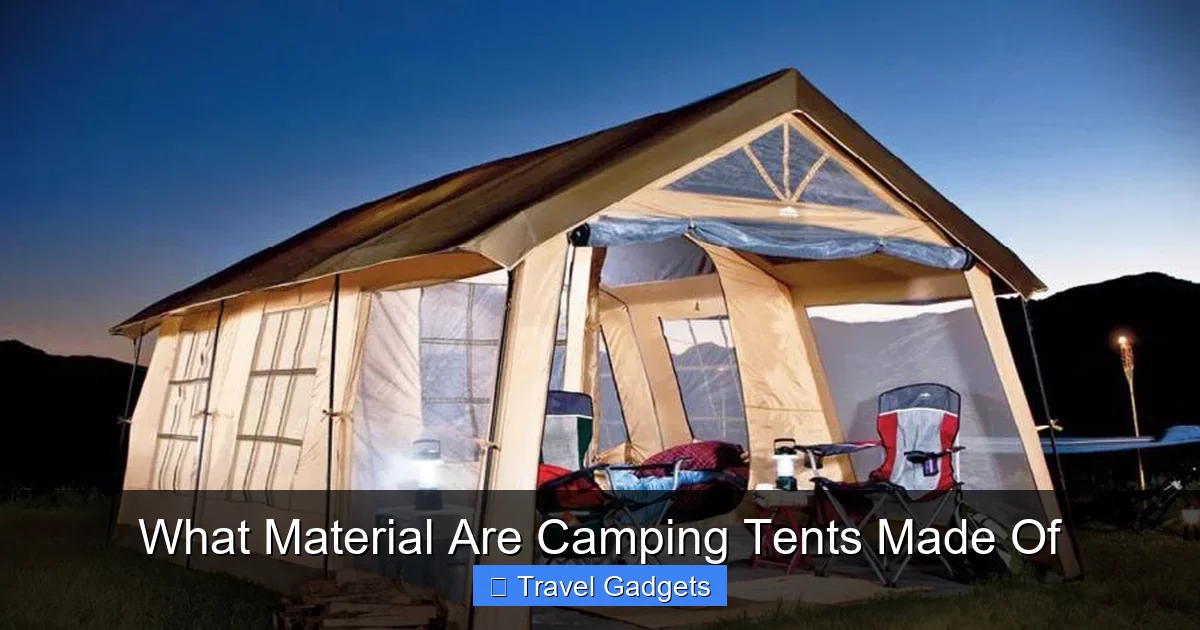
The outer shell of most tents is made from either nylon, polyester, or a blend of both. Each material has strengths and weaknesses that affect performance, weight, and cost. Let’s explore each one in detail.
Visual guide about What Material Are Camping Tents Made Of
Image source: odditymall.com
Nylon: The Go-To for Lightweight Adventures
Nylon is the most popular fabric for camping tents, especially among backpackers and hikers. Why? Because it’s lightweight yet strong. Nylon has a high tensile strength, meaning it resists tearing under tension—perfect for withstanding wind and heavy loads.
Most backpacking tents use ripstop nylon, a special weave that prevents small rips from spreading. This makes the fabric more durable without adding much weight. For example, a 15-denier ripstop nylon might weigh just a few ounces per square meter, ideal for multi-day hikes.
Find the Best Accommodation Deals
Compare prices from multiple booking platforms and find the best option for your stay.
Compare Hotel PricesHowever, nylon isn’t perfect. It absorbs moisture, which can lead to sagging in wet conditions. That’s why many tents have a waterproof coating. Also, over time, nylon loses some strength when exposed to sunlight, so UV protection is important.
Polyester: Durability Meets Weather Resistance
Polyester is gaining popularity as an alternative to nylon. It’s more resistant to UV rays and less likely to absorb water, making it a great choice for sunny, wet climates. Polyester also holds up better over time, maintaining its shape and strength even after repeated use.
Find the Best Accommodation Deals
Compare prices from multiple booking platforms and discover the best stay options available.
⭐ Trusted by thousands of travelers
💰 Budget to luxury options available
Because of its lower stretchiness, polyester doesn’t sag as much when wet—unlike nylon, which can become heavy and floppy in rain. This makes polyester a favorite for car campers and those who don’t want to deal with sagging tent walls.
That said, polyester is generally heavier and less flexible than nylon. This means it may not be the best choice for ultralight backpacking. But for family tents or base camps, the added durability often outweighs the weight penalty.
Nylon vs. Polyester: Which Should You Choose?
If you’re torn between the two, here’s a quick comparison:
Best Stay Deals Available
Compare prices across top booking platforms and find the best deal for your stay.
Check Available Rooms- Backpacking: Choose ripstop nylon for lightness and strength.
- Car camping or glamping: Opt for polyester for long-term durability.
- Sunny destinations: Polyester resists UV better.
- Wet environments: Polyester stays stiffer when damp.
Some high-end tents now use blended fabrics—combining nylon’s flexibility with polyester’s UV resistance—to get the best of both worlds.
Waterproof Coatings: Keeping You Dry Inside and Out
Even if your tent fabric is water-resistant, it won’t keep you dry without a proper coating. That’s where waterproof membranes come in. These invisible layers sit beneath the outer fabric and stop rain from soaking through.

Visual guide about What Material Are Camping Tents Made Of
Image source: camperfaqs.com
Polyurethane (PU) Coating
PU is the oldest and most common waterproofing method. It’s applied as a liquid that dries into a flexible, rubbery film. PU-coated tents are affordable and perform well in moderate rain.
But there’s a downside: PU doesn’t breathe well. This means moisture from your body or condensation can’t escape, leading to damp interiors. Over time, PU also degrades, losing its waterproof properties unless reapplied.
Silicone-Coated Fabric
Silicone is a newer, more advanced option. It provides better waterproofing, breathability, and UV resistance than PU. Silicone-treated fabrics are also more flexible, so they handle wind better.
High-end tents often use silicone-coated nylon or polyester. Brands like Big Agnes and MSR use this tech in their premium models. While silicone adds cost, it pays off in longevity and comfort.
DWR Finish: The Water-Repellent Bonus
Almost every tent fabric gets a Durable Water Repellent (DWR) finish. DWR is a chemical treatment that makes water bead up and roll off the surface instead of soaking in. This reduces the chance of leakage through tiny pores.
Over time, DWR wears off, especially after washing or exposure to dirt. To restore it, you can reapply a DWR spray. Think of it like waxing a bike chain—maintenance keeps things running smoothly.
Tent Poles: The Skeleton That Holds Everything Up
Tent poles are the backbone of your shelter. Without them, the fabric would collapse. Most modern tents use aluminum alloy poles, though steel and carbon fiber are also available.
Visual guide about What Material Are Camping Tents Made Of
Image source: odditymall.com
Aluminum Poles: The Gold Standard
Aluminum is the most common pole material because it’s light, strong, and affordable. It’s lighter than steel but still rigid enough to support large tents. Most backpacking tents use thin-walled aluminum poles that fold or slide together for easy packing.
There are two main types:
- Straight poles: Rigid and simple, often found in dome tents.
- Shaped poles: Curved or arched, used in tunnel or geodesic designs for better wind resistance.
Aluminum poles are durable but can dent if dropped on rocks. That’s why many brands include repair kits with extra pole sections.
Steel Poles: Heavy but Reliable
Steel poles are stronger and cheaper than aluminum, but they’re also much heavier. They’re mostly used in budget tents or large family shelters where weight isn’t a concern.
Carbon Fiber: The Ultralight Elite
Carbon fiber is the lightest and strongest pole material, but it’s also the most expensive. Only premium ultralight tents use carbon fiber, often at the cost of durability. A bent carbon pole is nearly impossible to fix—it usually needs replacing.
Floor and Inner Liners: Protecting Your Home Base
The floor of your tent takes the brunt of abrasion from boots, gear, and ground contact. That’s why it’s made from thick, coated fabrics designed to last.
Durable Floor Materials
Most tent floors use heavy-duty ripstop nylon with a thick polyurethane or silicone coating. Some high-end models use polyester for added UV resistance. The floor is often thicker than the canopy—sometimes 3000mm or more waterproof rating.
A good floor prevents water from seeping up from the ground. It also protects against sharp roots, rocks, and punctures. Always pitch your tent on flat, clean ground and avoid dragging gear across the floor.
Inner Liners: Ventilation and Privacy
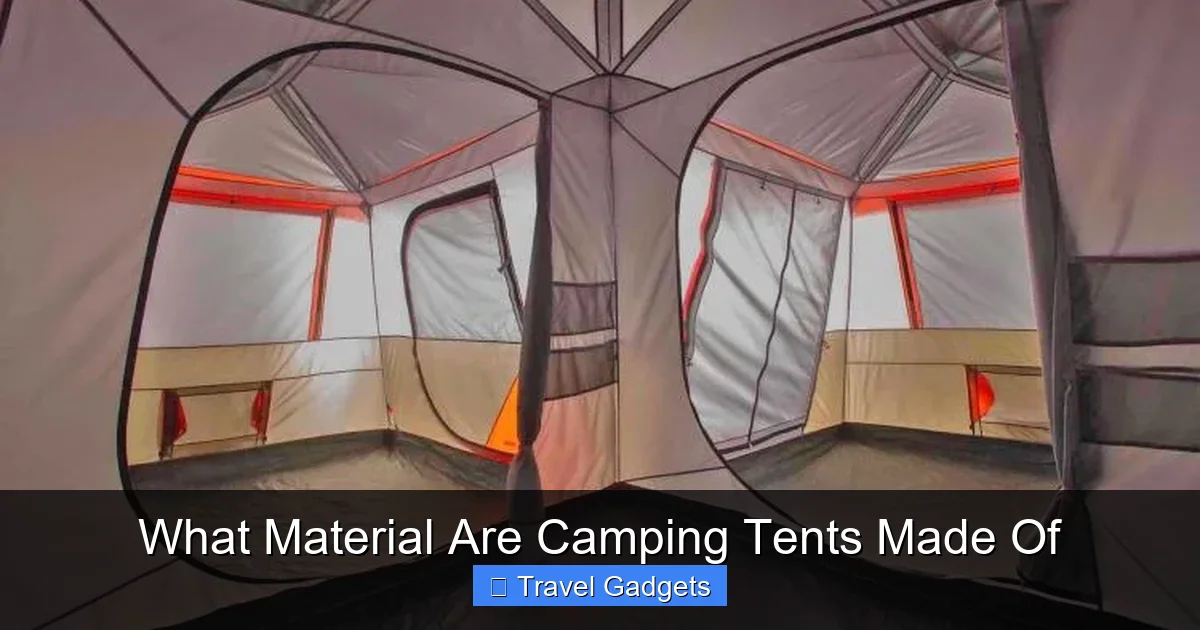
Many tents have an inner liner—a mesh or polyester layer that attaches inside the canopy. This serves two purposes:
- Vents moisture and reduces condensation
- Keeps bugs out while maintaining airflow
Some tents have a single-layer design with no separate inner, relying on fine mesh panels instead. These are lighter but offer less privacy.
Zippers, Seams, and Other Hardware Details
Don’t overlook the small stuff. Zippers, seams, and buckles play a big role in how long your tent lasts and how easy it is to use.
Quality Zippers Matter
Cheap zippers snag, jam, or break easily. Look for double or triple-zip systems on doors and vestibules—they give you options for ventilation and access. Waterproof zippers are also a plus in rainy areas.
Seam Taping
All seams should be taped to prevent leaks. There are two main types:
- Heat-sealed seams: Melted together for maximum waterproofing—common in backpacking tents.
- Taped seams: Fabric tape glued over stitched seams—used in most consumer tents.
Heat-sealed seams are stronger and lighter, but taped seams are easier to repair if damaged.
Stakes and Guy Lines
Tent stakes anchor your shelter to the ground. Aluminum or steel stakes are standard. In soft soil, plastic or Y-shaped stakes work better. Guy lines add stability in windy conditions—always use them if the tent manual recommends them.
Choosing the Right Tent Material for Your Adventure
Now that you know the basics, how do you pick the best tent? It depends on your trip type, climate, and priorities.
- Backpacking: Go for silicone-coated ripstop nylon with aluminum poles. Prioritize weight and packability.
- Family camping: Choose polyester or double-wall tents for durability and comfort. Look for roomy vestibules and easy setup.
- Extreme weather: Pick tents with geodesic shapes, reinforced poles, and full-coverage rainflys.
- Hot climates: Use tents with large mesh panels for airflow and minimal insulation.
- Rainy regions: Ensure your tent has a high hydrostatic head rating (3000mm+) and taped seams.
Remember: no material is perfect for every situation. The key is matching your tent’s features to your environment.
Maintaining Your Tent: Extending Its Life
Great materials mean nothing if you abuse your tent. Proper care keeps it functional and safe.
- Always dry your tent before storing—moisture causes mold and weakens fabric.
- Clean gently with mild soap and water; avoid harsh detergents.
- Store uncompressed in a breathable bag—never in a sealed plastic bag.
- Reapply DWR once a year or when water stops beading.
- Check poles and zippers regularly for wear and tear.
A well-maintained tent can last 10 years or more. Treat it like your home away from home.
Conclusion: Smart Choices for Smarter Camping
So, what material are camping tents made of? Mostly nylon or polyester, supported by aluminum poles, waterproof coatings, and durable floors. Each component plays a vital role in keeping you dry, comfortable, and safe outdoors.
Whether you’re chasing sunrises on a trail or building memories around a campfire, the right tent makes all the difference. Now you know how to read labels, compare materials, and choose wisely. Next time you shop for gear, remember: it’s not just about price—it’s about performance.
Pack smart, stay dry, and enjoy the great outdoors with confidence.
Frequently Asked Questions
Are camping tents made of nylon or polyester?
Most camping tents are made from either nylon or polyester. Nylon is lightweight and strong, ideal for backpacking. Polyester resists UV damage and stays stiffer when wet, making it better for car camping or sunny climates.
What gives a tent its waterproof ability?
A tent’s waterproof ability comes from a combination of fabric choice and coatings. Common waterproofing methods include polyurethane (PU) or silicone coatings, along with a Durable Water Repellent (DWR) finish that causes water to bead and roll off.
Why do some tents use aluminum poles instead of steel?
Aluminum poles are lighter than steel, making them ideal for backpacking. They’re also strong enough to support most tent designs. Steel is heavier but cheaper, so it’s used in budget or stationary tents where weight isn’t a concern.
Can I wash my tent in a washing machine?
It’s not recommended. Machine washing can damage seams, zippers, and coatings. Instead, hand wash your tent with mild soap and air dry. Always check the manufacturer’s care instructions first.
How often should I reapply DWR to my tent?
Reapply DWR once a year or whenever water starts to soak into the fabric instead of beading up. Regular use, dirt, and washing reduce its effectiveness over time.
Are carbon fiber tent poles worth the extra cost?
Carbon fiber poles are extremely light and strong, but they’re also brittle and expensive. They’re best for ultralight backpackers who prioritize weight above all else. For general use, aluminum offers a better balance of cost and durability.