
Choosing the right generator size for tent camping is crucial for comfort without excess bulk or noise. A 500–1,200-watt generator typically powers essentials like lights, phones, and small fans, while larger setups support refrigerators or air conditioners. This guide breaks down everything you need to know—from calculating your total wattage to selecting quiet, portable models that won’t disturb nature or neighbors.
There’s nothing quite like the crackling fire, fresh mountain air, and stars overhead when you’re tent camping. But what happens when you want to plug in your phone, charge your camera, or keep food cold? That’s where a portable generator comes in—but picking the wrong one can turn your peaceful retreat into a noisy, bulky headache. So, what size generator do I need for tent camping?
Check the latest prices and available rooms before they sell out.
The truth is, most tent campers don’t need a massive power plant. In fact, many only need a compact, whisper-quiet inverter generator to handle everyday electronics. The key is matching your generator’s output to your actual energy needs—no more, no less. Let’s walk through how to figure out exactly what size generator suits your adventure style, so you can enjoy modern convenience without sacrificing tranquility.
Key Takeaways
- Start by listing all devices: Make a checklist of every appliance or gadget you plan to use—this includes lights, phone chargers, fans, and cooking tools. Each item has a starting (surge) and running wattage, both of which matter.
- Calculate total wattage needs: Add up the running watts for continuous use, then add the highest surge watt from one device (like a microwave or refrigerator). Never exceed 80% of your generator’s capacity to avoid overheating.
- Choose an inverter generator for quiet camping: Inverter models produce clean, stable power and are quieter than traditional generators—perfect for tent camping where peace matters.
- Consider fuel type and runtime: Gasoline offers affordability but shorter runtimes; propane lasts longer and burns cleaner; dual-fuel gives flexibility. Always check how long your generator can run on a full tank.
- Prioritize portability and noise level: Look for lightweight designs with wheels, handles, and noise ratings under 60 decibels if you’re camping in quiet areas.
- Safety first: Never operate a generator inside your tent or near open windows. Carbon monoxide poisoning is a serious risk—always place it outside at least 20 feet away.
- Budget wisely: Entry-level inverter generators start around $300–$500, while advanced models with extended runtimes or remote starts can cost $1,000+. Balance upfront cost with long-term value.
📑 Table of Contents
Understanding Generator Power Basics
Before diving into sizes, let’s talk about how generators work. Generators convert mechanical energy (usually from gasoline, propane, or diesel) into electrical energy. They’re rated in watts, which tells you how much power they can deliver continuously (running watts) and briefly during startup (surge watts).
Every device you plug in uses a certain amount of power. For example, a standard LED lantern might use just 5–10 watts, while a mini-fridge could need 200+ running watts plus 400+ surge watts when it kicks on. Understanding these numbers helps you avoid underpowered units that stall or overpowered ones that waste fuel and space.
Most importantly, never overload your generator. Running it above 80% capacity causes strain, reduces efficiency, and can damage sensitive electronics like phones or laptops. Think of it like not stuffing a backpack too full—there’s still room for movement, but once it’s packed solid, things get uncomfortable fast.
How Much Power Do You Really Need?
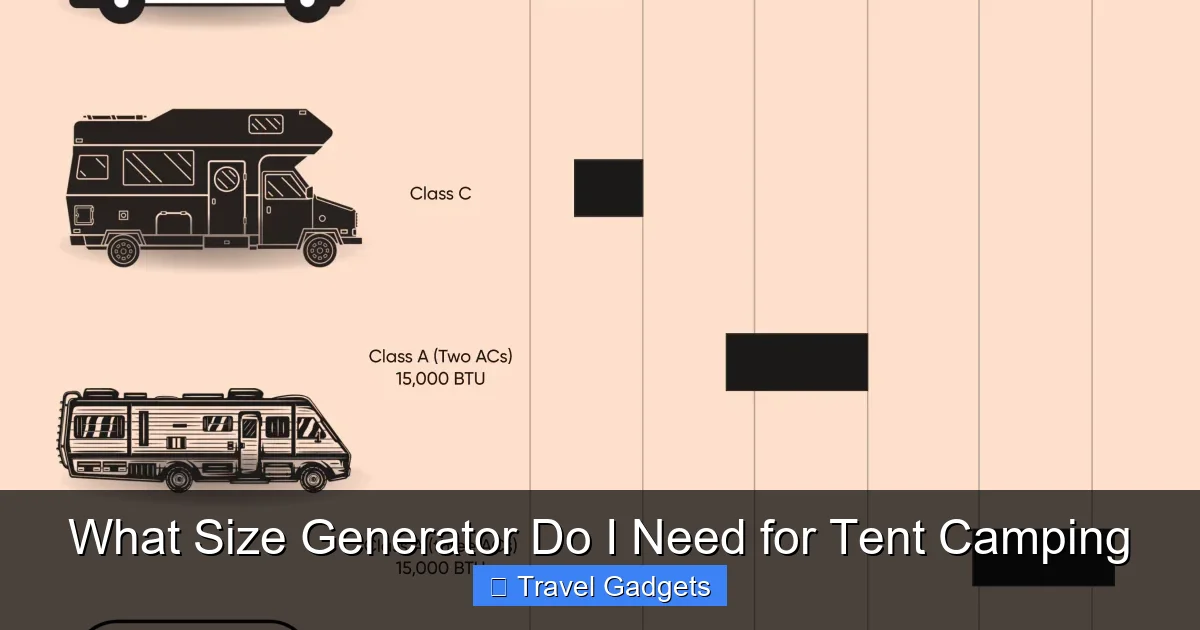
Visual guide about What Size Generator Do I Need for Tent Camping
Image source: cdn.shopify.com
Find the Best Accommodation Deals
Compare prices from multiple booking platforms and find the best option for your stay.
Compare Hotel PricesTo find your ideal generator size, start by making a detailed inventory of what you’ll power. Most tent campers use far fewer items than they think. Here’s a quick rundown of common camping gadgets and their approximate wattages:
- LED Lantern or String Lights: 5–15 watts
- Phone/Tablet Charger: 10–25 watts (most USB adapters draw very little)
- Portable Fan: 20–60 watts
- Camping Stove (electric ignition): 100–200 watts (if it has a built-in igniter)
- Mini Refrigerator: 150–300 running watts + 300–600 surge watts
- Electric Heater: 750–1,500 watts (use sparingly!)
- Laptop: 50–100 watts
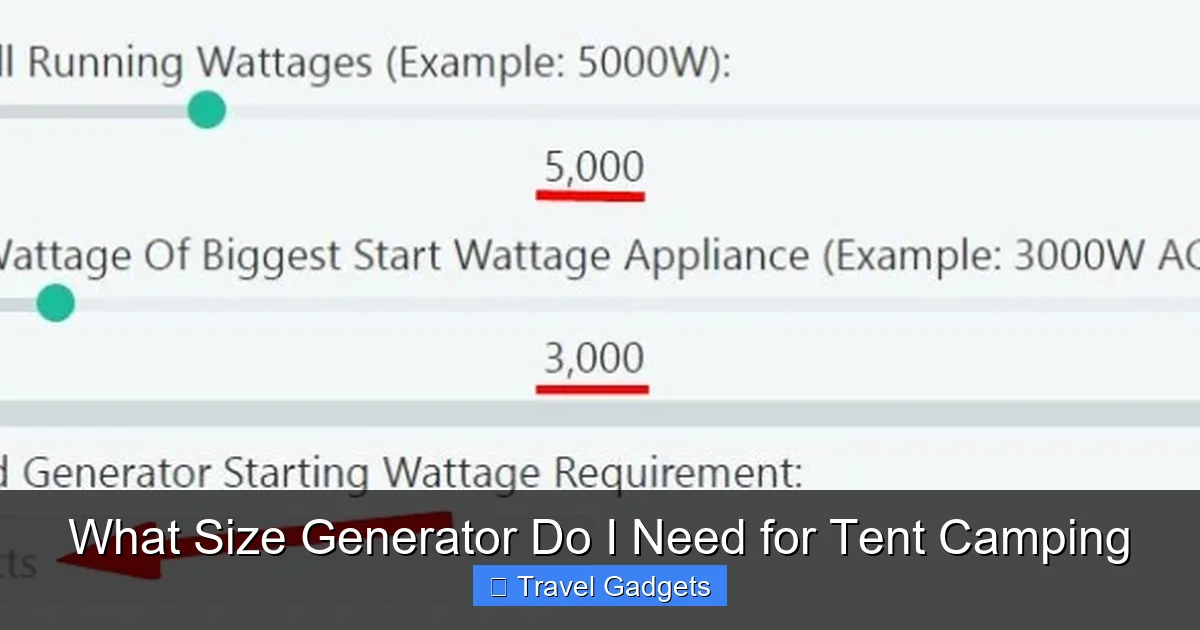
Now, add up the running watts for everything you plan to use simultaneously. Then identify the device with the highest surge wattage—that’s your peak demand moment. For instance, if you’re running a fan (30W), charging two phones (20W total), and using a camping light (10W), your total is 60 running watts. If your mini-fridge isn’t on yet, your max surge might be just 30W.
Find the Best Accommodation Deals
Compare prices from multiple booking platforms and discover the best stay options available.
⭐ Trusted by thousands of travelers
💰 Budget to luxury options available
But if you throw in a small electric kettle (800W surge), suddenly you’re looking at a generator capable of handling at least 900+ watts to avoid tripping.
Practical Example: The Weekend Camper
Meet Sarah, who packs light for a weekend hike. She brings:
– A 10W LED lantern
– Two phone chargers (15W total)
– A 25W USB-powered cooler fan
– A laptop for journaling (60W)
Her total running load: 110 watts. No major surges. A 1,000-watt inverter generator would give her plenty of headroom—she’d only use ~10% of its capacity, leaving room for unexpected additions.
Best Stay Deals Available
Compare prices across top booking platforms and find the best deal for your stay.
Check Available RoomsPractical Example: The Extended Glamping Trip
Tom stays a week and wants to keep snacks cold, charge gear daily, and maybe brew coffee. His list:
– Mini-fridge (250W running / 500W surge)
– Phone/tablet chargers (30W)
– Laptop (60W)
– Coffee maker with auto-brew (1,000W surge)
Total running: 340W. Highest surge: 1,000W. He’d need a generator rated at least 1,350–1,500 watts to safely handle both steady use and startup spikes. An inverter model around 1,500–2,000 watts would serve him well.
Inverter vs. Conventional Generators: Which Is Better for Camping?
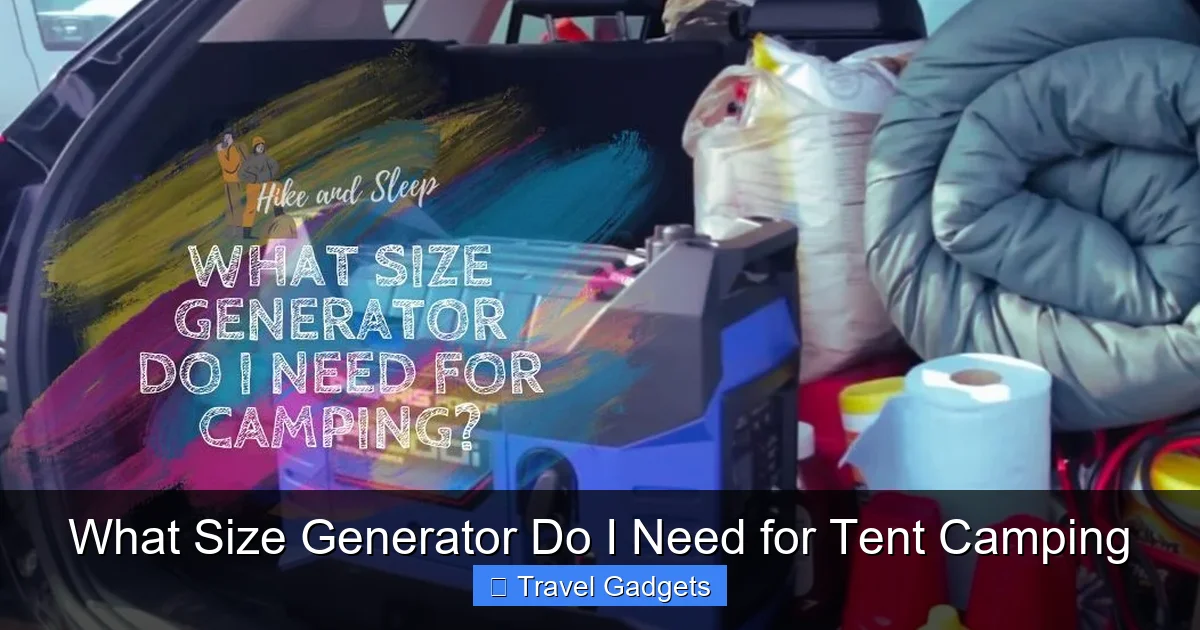
Visual guide about What Size Generator Do I Need for Tent Camping
Image source: hikeandsleep.com
If you’ve shopped for generators lately, you’ve likely seen “inverter” stamped on the box. Here’s why it matters for tent camping:
Conventional generators produce AC power in large, jagged waves—fine for tools or RVs, but risky for sensitive electronics. Inverter generators smooth that power into clean, stable electricity, protecting your devices from voltage spikes. Plus, they’re significantly quieter—often under 50 dB, compared to 70+ dB for traditional types.
For solo hikers or couples seeking serenity, inverter generators are almost always the better choice. They weigh less, run more efficiently, and many include eco-modes that reduce noise and fuel use when full power isn’t needed.
That said, conventional generators offer higher output and lower upfront cost—useful if you’re powering heavy-duty equipment. But for typical tent camping needs, the trade-offs aren’t worth it.
Top Features to Look for in a Camping Generator
When shopping, prioritize these traits:
- Low noise rating (≤58 dB): Essential if you’re in a national park or early-bird camper.
- Lightweight & portable: Under 50 lbs with folding handles or wheels makes transport easy.
- Multiple outlets: At least two AC outlets, plus USB ports for phones/tablets.
- Fuel efficiency: Look for models offering 8+ hours runtime on a single tank.
- Parallel capability: Allows linking two identical generators for double power (great for group trips).
Gas, Propane, or Dual-Fuel? Fuel Choices Explained
Visual guide about What Size Generator Do I Need for Tent Camping
Image source: learnmetrics.com
Your fuel option affects runtime, noise, and environmental impact—all important for responsible camping.
Gasoline is the most common and cheapest fuel. A 2-gallon tank might last 8–12 hours on low load, but gas degrades over time and can gum up carburetors if stored too long. Also, it’s heavier and emits more fumes.
PropaneDual-fuelSafety First: How to Use Your Generator Responsibly
Even the smallest generator poses risks if misused. Here’s how to stay safe:
- Never run it inside your tent, RV, garage, or near open windows. Carbon monoxide (CO) is odorless and deadly. CO detectors are non-negotiable.
- Place the generator on dry ground, at least 20 feet from living spaces. Direct sunlight and rain damage electronics.
- Use grounded extension cords rated for outdoor/generator use. Damaged cords cause fires.
- Turn off the generator before refueling. Hot engines ignite spilled gas.
- Store fuel properly: Keep containers upright and away from heat sources.
Many parks and campgrounds prohibit generators altogether due to noise or emissions. Check regulations beforehand—some even designate “quiet zones” with strict decibel limits.
Budget Tips Without Sacrificing Quality
You don’t need to spend $1,000 to get reliable power. Here’s how to save smartly:
– **Buy used from reputable sellers:** Many campers upgrade yearly; gently used units work great.
– **Look for sales:** Black Friday, Memorial Day, or post-holiday discounts can cut prices by 20–30%.
– **Skip extras you won’t use:** Remote starters and Wi-Fi monitoring add cost but rarely benefit solo campers.
– **Rent instead of buy:** Try before you commit—many outdoor stores rent generators by the day.
Entry-level inverter generators (e.g., Honda EU2200i, Yamaha EF2000iSv2) start around $600–$800 but deliver excellent performance and durability.
Frequently Asked Questions
What’s the smallest generator I can use for tent camping?
A 1,000-watt inverter generator is sufficient for basic needs like lights, phone charging, and small fans. Anything under 800 watts may struggle with surge-heavy devices like mini-fridges or electric stoves.
Can I run a mini-fridge on a small generator?
Yes, but only if the generator meets both the fridge’s running and surge wattage. A mini-fridge needs 150–300 running watts and often 300–600 surge watts—so a 1,500-watt generator is the minimum safe choice.
Are inverter generators worth the extra cost?
Absolutely for camping. They’re quieter, lighter, and produce cleaner power that protects electronics. The higher price pays off in convenience and longevity.
How loud should my camping generator be?
Under 58 decibels (dB) is ideal—about as loud as a normal conversation. Models like the Honda EU2200i run at 48–57 dB depending on load.
Can I connect multiple generators together?
Yes, via “parallel” kits if both models are compatible. This doubles power output, useful for larger setups or group camping, but requires careful wiring and equal load balancing.
Is it legal to use generators in national parks?
It depends. Some parks allow them with permits or in designated areas; others ban them entirely. Always check with park authorities—using one illegally can result in fines.