
Hosting an event for 40 guests? Choosing the right tent size is crucial for comfort and functionality. A 20×40 tent offers enough space for dining, dancing, and mingling—ideal for intimate gatherings or outdoor ceremonies. With proper planning, your space will feel open and inviting, not cramped.
Key Takeaways
- Tent Size Basics: A 20×40 tent provides approximately 800 square feet—enough room for seating, dining, and light activities for 40 people.
- Seating Arrangements: Plan for 15–20 chairs per row in theater-style or 8–10 per table in banquet setups to maximize space.
- Clearance Matters: Allow at least 3–4 feet of walking space between tables and tent walls for easy movement.
- Ceiling Height: Choose tents with high ceilings (at least 10 feet) to accommodate lighting, fans, and hanging decor.
- Weather Considerations: Use sidewalls for wind protection or rain resistance, depending on the season and location.
- Accessories & Layout: Factor in stages, bars, photo booths, or dance floors when mapping out your tent layout.
- Rental vs. Purchase: Renting is cost-effective for one-time events; buying suits frequent use or large-scale hosts.
📑 Table of Contents
- What Size Tent for 40 Guests?
- Understanding Tent Sizes and Guest Capacity
- Planning the Layout for Maximum Comfort
- Considering Ceiling Height and Structural Needs
- Seasonal and Weather Considerations
- Renting vs. Buying: What’s Best for Your Event?
- Practical Tips for Setting Up Your Tent
- Conclusion: Make Every Guest Feel Welcome
What Size Tent for 40 Guests?
Imagine this: You’re hosting a milestone birthday, a wedding reception, or a company picnic for 40 of your closest friends and colleagues. The weather forecast looks perfect, and the excitement is building. But then—you realize you haven’t planned the most important detail: the tent size.
Check the latest prices and available rooms before they sell out.
Choosing the right tent isn’t just about covering heads from the sun or rain. It’s about creating a comfortable, functional space where guests can mingle, dine, and celebrate without feeling cramped or exposed. Too small, and your event feels claustrophobic. Too large, and it loses intimacy—and costs more than necessary. So, what size tent for 40 guests? Let’s break it down step by step.
Understanding Tent Sizes and Guest Capacity
Before diving into specific dimensions, it’s important to understand how tent sizes translate to guest capacity. Tents are typically measured in feet—length by width—and the total area (in square feet) helps determine how many people can comfortably fit inside.
How Many Square Feet Do You Need Per Person?
For most indoor-style events, experts recommend allocating:
- 15–20 square feet per person for seated dinners
- 20–25 square feet per person for standing receptions or cocktail parties
- 10–15 square feet per person for buffet-only or casual gatherings
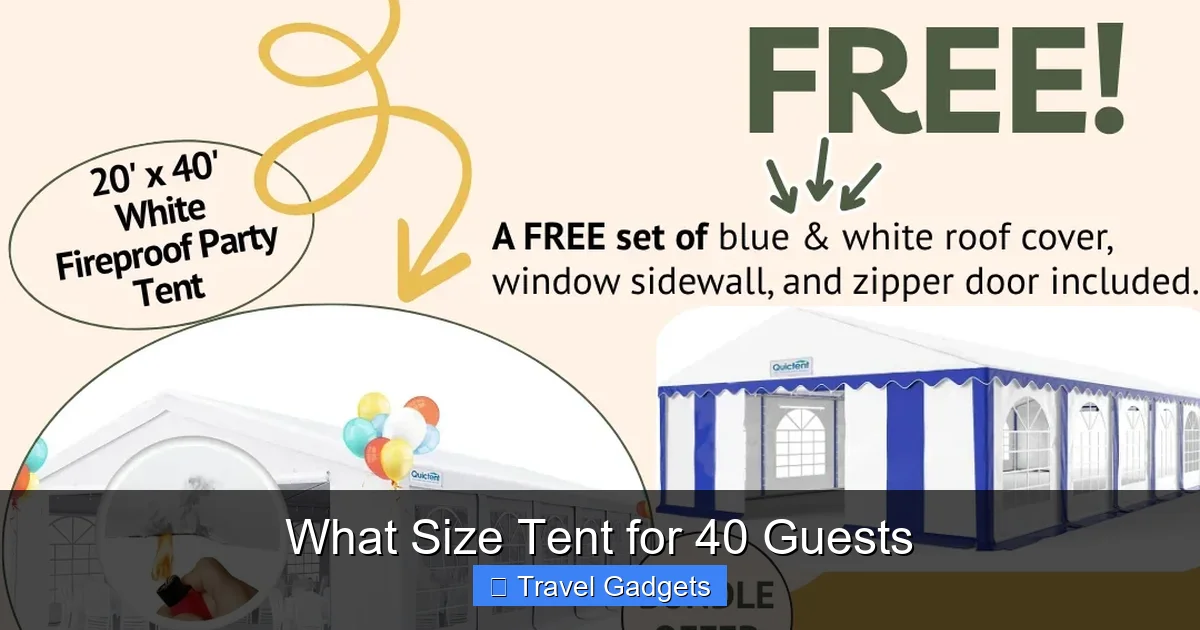
Using these guidelines, a dinner event for 40 guests would require roughly 600–800 square feet. That’s where a standard 20×40 tent comes into play—a common rental size that fits this exact range.
Find the Best Accommodation Deals
Compare prices from multiple booking platforms and find the best option for your stay.
Compare Hotel PricesCommon Tent Sizes and Their Uses
Let’s look at popular tent configurations and how they apply to your 40-guest event:
- 10×20 Tent: 200 sq ft — too small for 40 people, even in a casual setting.
- 15×20 Tent: 300 sq ft — barely enough for 15–20 guests with minimal movement.
- 20×30 Tent: 600 sq ft — suitable only if you’re doing a simple buffet or short gathering.
- 20×40 Tent: 800 sq ft — ideal for 40 guests with tables, chairs, and some activity space.
- 20×50 Tent: 1,000 sq ft — great for larger layouts or future-proofing with extra room.
A 20×40 tent gives you flexibility. You can arrange tables in rows, set up a dance floor, or include a small stage—all while keeping the space feeling open.
Find the Best Accommodation Deals
Compare prices from multiple booking platforms and discover the best stay options available.
⭐ Trusted by thousands of travelers
💰 Budget to luxury options available
Planning the Layout for Maximum Comfort
Once you’ve chosen a tent size, the next step is designing the layout. This ensures your guests move freely, enjoy the food and drinks, and stay engaged throughout the event.
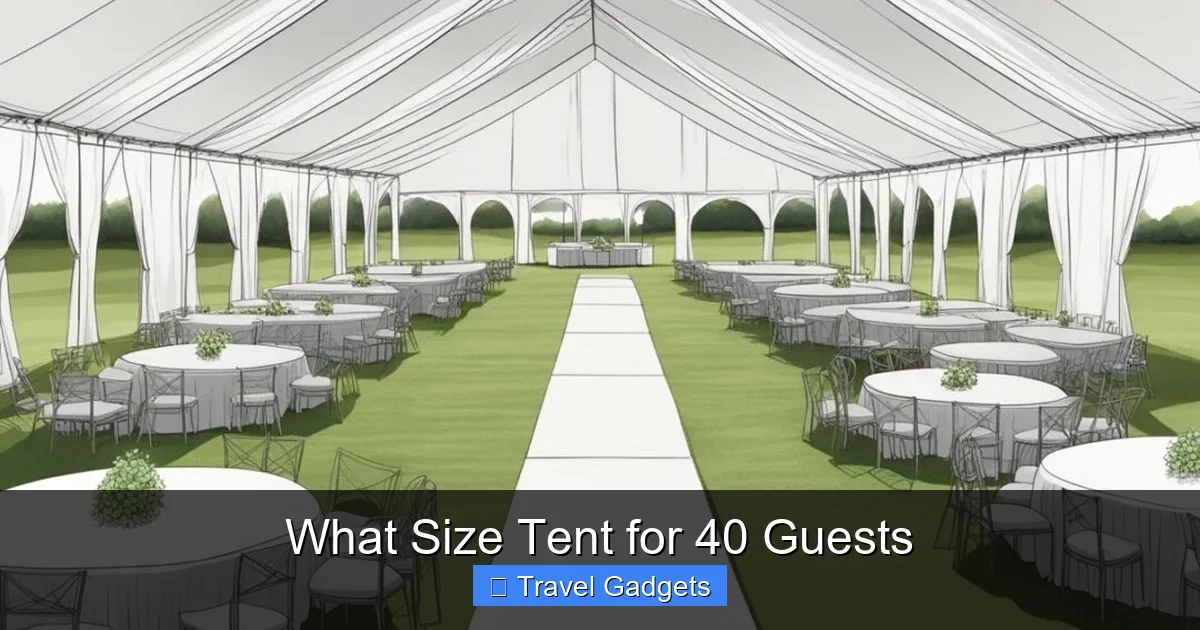
Visual guide about What Size Tent for 40 Guests
Best Stay Deals Available
Compare prices across top booking platforms and find the best deal for your stay.
Check Available RoomsImage source: eventslv.com
Seating Options for 40 Guests
The number of tables and chairs depends on your event style. Here are two popular setups:
Theater-Style Seating:
- Use a single long table or multiple shorter ones arranged in rows.
- Each row accommodates 15–20 chairs.
- This works well for presentations, speeches, or formal dinners.
Banquet-Style Seating:
- Round tables with 8–10 guests each (5 tables total).
- Allows for face-to-face conversation and easier service.
- Requires slightly more space but enhances guest interaction.
Remember: Leave at least 3–4 feet of aisle space between rows or tables. This prevents congestion during entry/exit and makes serving staff navigation easier.
Incorporating Functional Zones
A well-planned tent includes designated areas beyond just seating:
- Dining Area: Where food and drinks are served.
- Dance Floor: Even a 10×10 foot section can keep energy high.
- Photo Booth or Lounge: Adds personality and entertainment value.
- Stage or Speaking Area: Essential for weddings or corporate events.
With a 20×40 tent, you can easily divide the space into 2–3 zones without overcrowding. For example:
- One end for dinner tables
- The center for dancing
- The other end for a bar or dessert station
Considering Ceiling Height and Structural Needs
Not all tents are created equal. When renting or purchasing, pay attention to ceiling height and structural features.
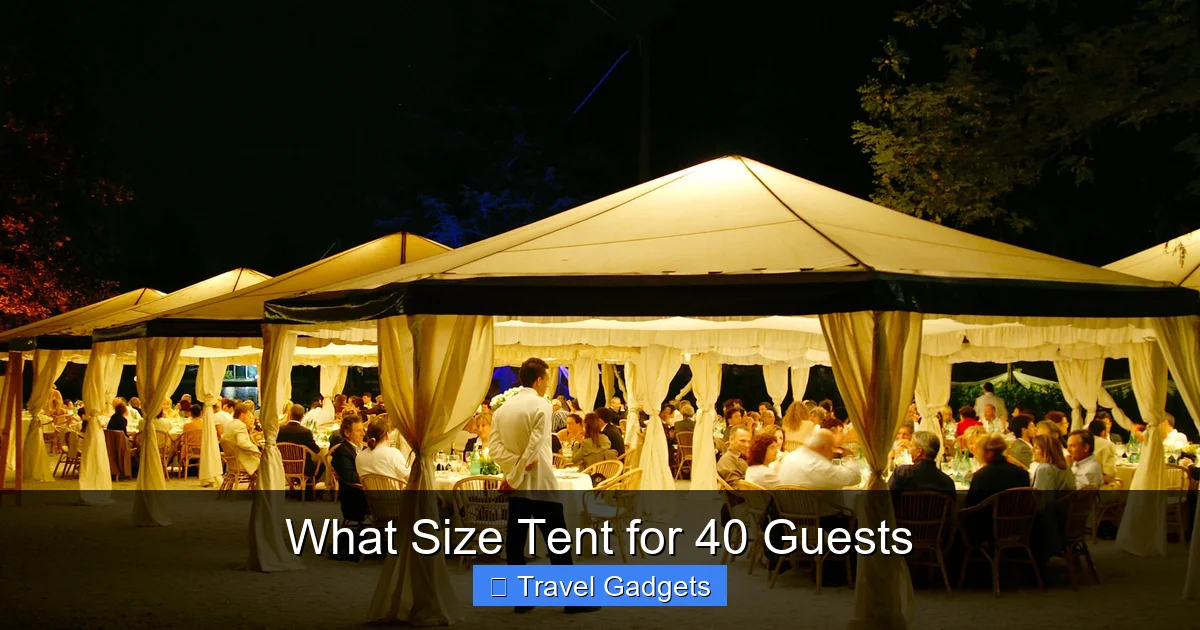
Visual guide about What Size Tent for 40 Guests
Image source: reventals.com
Why Ceiling Height Matters
A tent with a low ceiling (under 8 feet) feels oppressive and limits what you can hang or install. For events with:
- Chandeliers
- Fan installations
- LED lighting systems
- Banners or backdrops
You’ll want a tent with a minimum of 10–12 feet of headroom. This also improves airflow and reduces heat buildup on warm days.
Frame Type and Stability
Tents come with either:
- Freestanding frames (like arches or trusses) — ideal for flat, stable ground
- Ground stakes or sandbags — required for temporary anchoring
If you’re unsure about your terrain (grass, gravel, asphalt), ask your vendor about anchoring options. Loose soil or uneven surfaces may require additional support.
Seasonal and Weather Considerations
Your choice of tent also depends on the time of year and local climate.
Summer Events
Heat and humidity demand ventilation. Look for tents with:
- Mesh sidewalls for airflow
- Canopies or shades on top to block UV rays
- Fans or misters for comfort
A 20×40 tent with partial sidewalls lets hot air escape while still offering shade.
Rainy or Windy Conditions
For fall or spring events, consider:
- Full or partial sidewalls to block wind and light rain
- Waterproof flooring (if not using existing ground)
- Secure anchoring to prevent flapping in strong gusts
Some tents come with clear roofs, which let in natural light without sacrificing rain protection—great for daytime weddings.
Renting vs. Buying: What’s Best for Your Event?
Deciding whether to rent or buy a tent depends on frequency, budget, and storage space.
Renting Pros
- Cost-effective for one-time or occasional use
- No storage hassle—vendors deliver and pick up
- Access to professional-grade equipment
Buying Pros
- Long-term savings if hosting multiple events
- Customizable setups with personal branding
- Immediate availability for last-minute plans
For a 40-guest event, renting a 20×40 tent is usually the smarter choice unless you host outdoor events frequently. Most rental companies offer delivery, setup, and takedown services—saving you time and effort.
Practical Tips for Setting Up Your Tent
Even the best tent can fail if not set up properly. Follow these tips for a smooth experience:
- Book early—popular dates fill fast, especially in spring and summer.
- Measure your space before ordering. Allow extra room around the perimeter for safety and utilities.
- Check local permits—some municipalities require permits for tents over a certain size.
- Plan electrical needs—hire a licensed electrician to run cords safely under the tent.
- Add signage for restrooms, exits, and key areas to help guests navigate.
Pro tip: Lay down garden fabric or plastic sheeting before placing flooring. This protects the ground and prevents debris from getting tracked inside.
Conclusion: Make Every Guest Feel Welcome
So, what size tent for 40 guests? A 20×40 tent strikes the perfect balance between space, comfort, and practicality. With careful planning—considering seating, layout, weather, and accessories—your outdoor event can rival any indoor venue.
Whether it’s a backyard wedding, a corporate gala, or a family reunion, the right tent transforms your vision into reality. It’s not just shelter—it’s the foundation of unforgettable moments.
Start by evaluating your guest list, desired activities, and location. Then choose a tent that grows with your needs. And remember: the best events aren’t always the biggest—they’re the ones where every guest feels seen, heard, and welcomed.
Frequently Asked Questions
What is the ideal tent size for 40 guests?
A 20×40 tent provides 800 square feet, which is sufficient for seating, dining, and light activities for up to 40 guests. This size allows room for tables, chairs, and movement without feeling crowded.
How much space should each guest have in a tent?
Plan for at least 15–20 square feet per person for seated events and 20–25 square feet for standing receptions. This ensures comfort and easy circulation throughout the space.
Can I fit a dance floor in a 20×40 tent for 40 guests?
Yes! A 10×10 foot dance floor takes up just 100 square feet, leaving plenty of room for seating and dining in a 20×40 tent. Just leave enough aisle space for safe movement.
Should I rent or buy a tent for a one-time event?
Renting is usually better for one-time events due to lower upfront costs and no storage needs. Buying is ideal if you host outdoor gatherings regularly and want long-term value.
Do I need special permits for a 20×40 tent?
Permit requirements vary by location, but tents over 120 square feet often need approval. Check with your local fire department or zoning office to avoid fines or setup delays.
What type of flooring should I use under my tent?
Use interlocking foam mats, wood planks, or carpet tiles for comfort and aesthetics. Always lay down a protective barrier like landscaping cloth to shield the ground underneath.