
When tent camping in a thunderstorm, your safety comes first. Seek shelter immediately and avoid high ground or metal objects. Knowing the right steps can mean the difference between a close call and a dangerous situation—especially when you’re relying on gear like waterproof tents and emergency lighting.
Camping under a canopy of stars is one of life’s greatest joys. There’s nothing quite like the crackle of a campfire, the whisper of wind through pine trees, and the quiet hum of nature at night. But sometimes, that peaceful night takes a sudden turn—a dark cloud rolls in, the sky splits with a flash, and suddenly, you’re facing a thunderstorm while tent camping. For many, this is a rare occurrence. But for those who camp frequently—especially in mountainous, forested, or open-field regions—thunderstorms are a real and present danger.
Check the latest prices and available rooms before they sell out.
Lightning doesn’t just strike trees or mountains. It can hit tents, cars, picnic tables, and even people standing in open fields. The good news? Most thunderstorm-related injuries are preventable if you know what to do when tent camping in a thunderstorm. This isn’t about fear—it’s about preparedness. By understanding the risks and having the right mindset (and gear), you can enjoy the outdoors safely, no matter the weather.
In this guide, we’ll walk you through everything you need to know: from recognizing an incoming storm to choosing the safest shelter, using the right travel gadgets, and staying calm when lightning strikes nearby. Whether you’re a weekend warrior or a seasonal camper, these tips will keep you and your group secure. And yes—we’ll talk about the best travel gadgets to help you stay informed and protected.
Key Takeaways
- Get out of your tent quickly: Metal poles conduct electricity, making tents unsafe during lightning storms.
- Avoid open areas and tall objects: Stay away from trees, poles, and water sources—they attract lightning.
- Use a lightning app or weather radar: Real-time alerts help you prepare before conditions worsen.
- Carry emergency gear: A compact storm shelter, insulated sleeping pad, and battery-powered radio are essential.
- Know the 30-30 Rule: If thunder is within 30 seconds of lightning, seek shelter for at least 30 minutes after the last clap.
- Stay low and spread out: If caught outside without cover, crouch low with feet together and minimize contact with the ground.
📑 Table of Contents
Understanding Thunderstorm Risks While Tent Camping
Thunderstorms form when warm, moist air rises rapidly into cooler upper atmosphere, creating unstable conditions. As the storm grows, it develops towering cumulonimbus clouds—the ones that look like anvils. Inside these clouds, ice, hail, and powerful updrafts collide, generating static electricity. Eventually, this builds up until the air can no longer hold the charge, resulting in lightning.
Now, here’s the scary part: lightning can strike up to 10 miles away from the edge of a storm cloud. That means you don’t have to be directly underneath the cloud to be at risk. The sound of thunder tells you how close the lightning is—every five seconds between the flash and the thunder means the strike was about a mile away. At 15 seconds, it’s three-quarters of a mile. And once you hear thunder, it’s time to act.
When tent camping in a thunderstorm, your tent becomes a liability—not a protection. Tents made with aluminum poles are particularly dangerous because they conduct electricity. Even nylon tents can pose a risk if they’re wet or near conductive materials like metal stakes. Water itself is also a conductor, so puddles, streams, and damp ground increase your exposure.
Why Tents Are Not Safe During Lightning
Many campers assume their tent will keep them safe from rain and lightning. But in reality, tents offer almost zero protection against lightning strikes. Here’s why:
– **Metal components** like poles, zippers, and stakes attract lightning.
– **Wet fabric** increases conductivity, especially if the tent has been rained on.
– **Enclosed space** can trap electrical energy, increasing the risk of injury inside.
Find the Best Accommodation Deals
Compare prices from multiple booking platforms and find the best option for your stay.
Compare Hotel PricesEven if you’re not struck directly, a nearby lightning bolt can generate a powerful electromagnetic pulse that may damage electronics or cause physical harm. The National Weather Service advises that no structure—including tents, RVs, or cabins—offers reliable protection during a thunderstorm.
Instead, the safest option is to get to the lowest possible ground away from tall objects. This means leaving your tent behind and seeking natural or man-made shelters.
Find the Best Accommodation Deals
Compare prices from multiple booking platforms and discover the best stay options available.
⭐ Trusted by thousands of travelers
💰 Budget to luxury options available
Recognizing an Incoming Thunderstorm
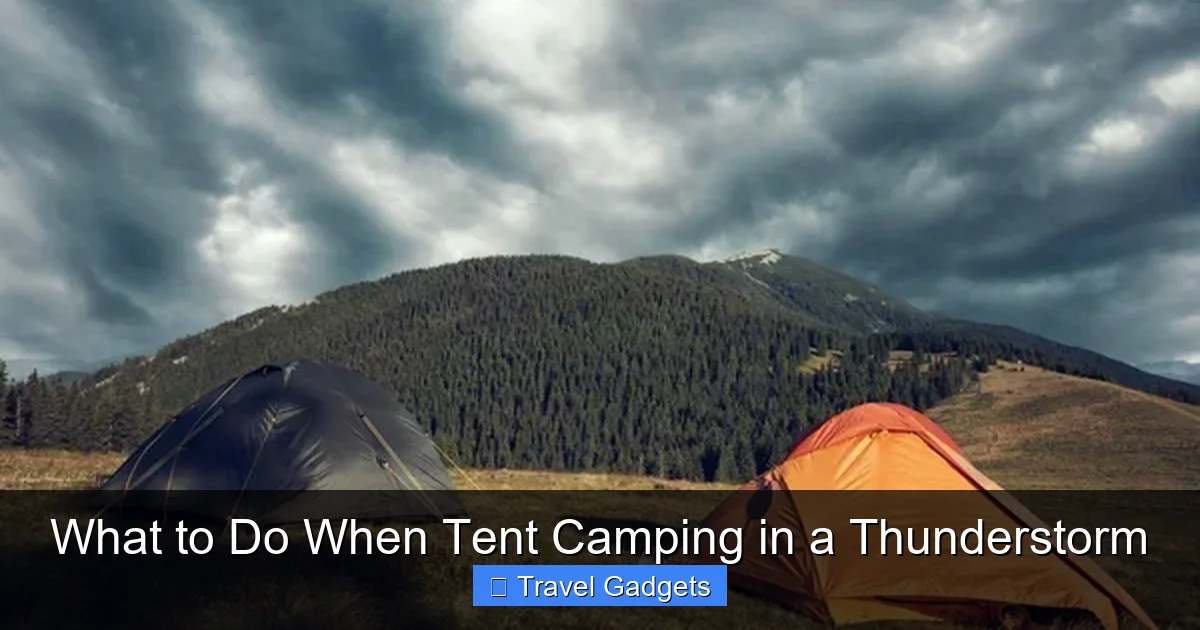
Visual guide about What to Do When Tent Camping in a Thunderstorm
Image source: st2.depositphotos.com
Best Stay Deals Available
Compare prices across top booking platforms and find the best deal for your stay.
Check Available RoomsNot all storms are created equal. Some build slowly, giving you time to pack up and move. Others develop rapidly, catching unprepared campers off guard. Learning to read storm signs can save your life.
First, watch the sky. Dark, towering clouds with greenish hues often signal severe weather. You might also notice birds returning to their nests early, animals becoming restless, or a sudden drop in temperature. These are all indicators that a storm is approaching.
Next, use technology. Download a free weather app like AccuWeather, The Weather Channel, or NOAA Weather Radar. Many smartphones now include built-in lightning detectors—just enable the feature in your settings. These apps can alert you when lightning is within a certain radius.
Finally, listen to local forecasts. Before setting up camp, check the extended forecast for your area. If thunderstorms are predicted, choose a campsite with access to sturdy shelter, like a park shelter, cabin, or vehicle.
What to Do When You Hear Thunder
The moment you hear thunder, it’s time to act—even if the sky looks clear. Remember: lightning can strike far from the rain. Follow these steps:
1. **Stop what you’re doing**—no more hiking, fishing, or cooking.
2. **Leave your tent immediately** if it’s already set up.
3. **Move to lower ground** and away from trees, poles, and bodies of water.
4. **Avoid metal objects**—this includes bikes, tools, and backpacks with metal frames.
5. **Get to a safer shelter**, such as a car, cabin, or dense forest (but never under a single tree).
If you’re in a group, spread out—don’t huddle together. Lightning can jump from person to person. Crouch low on the balls of your feet, with your head down and hands over your ears. Minimize contact with the ground by sitting on a sleeping pad or backpack.
Safety Gear for Thunderstorms While Camping
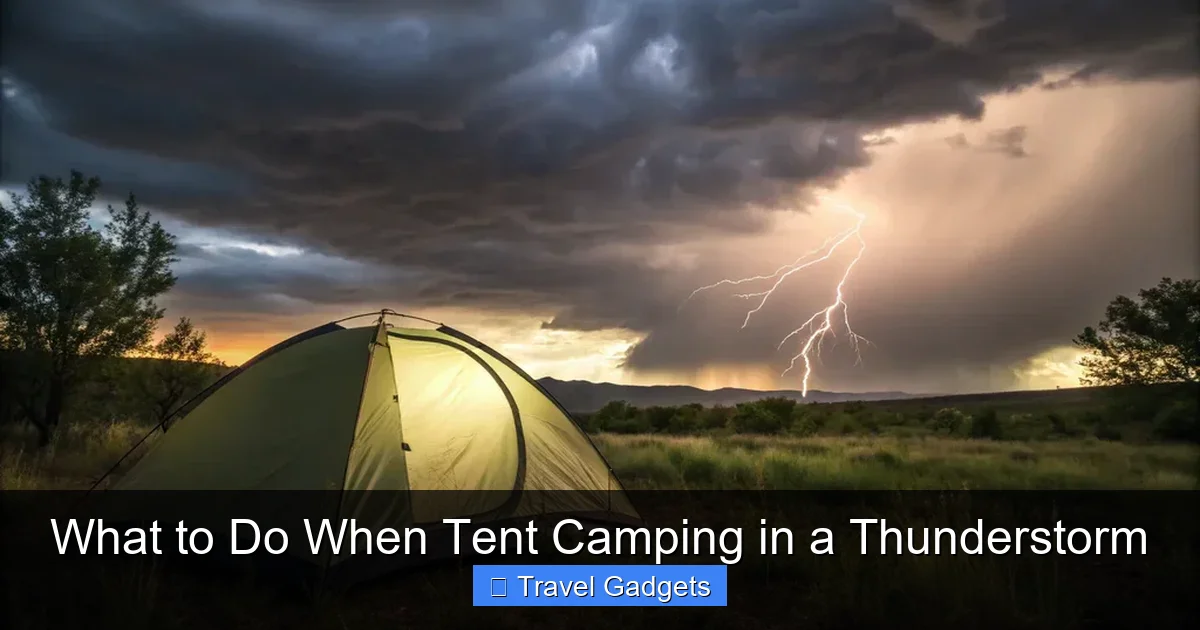
Visual guide about What to Do When Tent Camping in a Thunderstorm
Image source: battlbox.com
Having the right gear can make all the difference when tent camping in a thunderstorm. While no equipment can guarantee absolute safety, smart gadgets and accessories can help you respond faster and stay informed.
Start with a **weather radio**. A hand-crank or battery-powered NOAA radio lets you receive emergency alerts even without cell service. Look for models with dual power sources and AM/FM bands. Some even include USB charging ports for phones.
Next, invest in a **lightning detection app** or wearable device. Devices like the StrikeAlert or apps such as Lightning Maps use GPS and satellite data to track lightning strikes in real time. They can send push notifications when activity is within 20 miles.
For shelter, consider a **pop-up storm tent** or a lightweight emergency shelter. These are compact, waterproof, and designed for quick deployment. Pair it with an **insulated sleeping pad**—not only does it provide comfort, but it also reduces your contact with conductive ground.
Don’t forget **emergency lighting**. LED headlamps with red-light modes preserve night vision and are less likely to attract insects. A portable lantern with multiple brightness settings ensures visibility without wasting battery.
Finally, carry a **first aid kit** and a **whistle**. In case of injury or disorientation, these can help signal for help. Include items like blister treatment, antiseptic wipes, and a space blanket.
Practical Examples of Safe Gear Usage
Imagine you’re camping in a national park with no cell service. Your phone dies, but you’ve packed a NOAA radio. As dark clouds gather, the radio picks up a storm warning. You quickly pack your gear, grab your pop-up shelter, and move to a designated storm area—safe and prepared.
Or, say you’re hiking and hear thunder. You pull out your StrikeAlert device and see lightning flashing 8 miles away. You immediately head downhill, avoiding ridges and tall trees, and reach a cluster of small bushes where you crouch low until the storm passes.
These scenarios show how simple gear choices can turn panic into action.
Safe Shelters and Alternative Accommodations
Visual guide about What to Do When Tent Camping in a Thunderstorm
Image source: rusticaly.com
Your tent may be cozy, but it’s not your safest option during a thunderstorm. So what should you do instead?
The best alternative is a **fully enclosed vehicle**—preferably a metal car or truck. Cars act as Faraday cages, redirecting lightning around the passengers. Just remember to turn off the engine, roll up windows, and avoid touching metal surfaces.
If you’re near a **cabin or lodge**, head inside immediately. These structures are built to withstand weather extremes and are far safer than tents.
Natural shelters like **rock overhangs** or **dense thickets** can also work—but only if they’re low to the ground and surrounded by non-conductive material. Avoid caves, as they can fill with water during heavy rain.
If you’re stuck in an open field with no cover, **crouch low**—never lie flat. Keep your feet together, hands over your ears, and minimize contact with the ground. Wait at least 30 minutes after the last thunderclap before resuming outdoor activities.
Choosing the Right Campsite in Advance
Prevention is better than reaction. When planning your trip, pick a campsite with access to storm-safe options. Look for:
– Designated storm shelters
– Proximity to ranger stations or cabins
– Low-lying areas away from ridges and water sources
Some campgrounds offer **storm-resistant tents** or **emergency kits** at registration. Don’t hesitate to ask staff about local weather patterns and safe zones.
Staying Calm and Making Smart Decisions
Fear is natural when lightning flashes and thunder roars. But panicking can lead to poor decisions—like running toward a tree or ignoring safety rules. Staying calm allows you to think clearly and act quickly.
Take deep breaths. Remind yourself of the safety steps: leave the tent, go low, spread out. Repeat them silently to keep focus.
If you’re with others, assign roles—one person checks the weather, another packs the emergency kit, and someone watches for changing skies. This keeps everyone engaged and reduces anxiety.
Remember: most lightning strikes happen within the first hour of a storm. Once the rain stops and thunder fades, wait at least 30 minutes before resuming normal activities. Better safe than sorry.
What to Do After the Storm Passes
After the storm, assess the situation. Check for damage to your tent, gear, and surroundings. Look for downed trees or debris that could pose future hazards.
Inspect your equipment. Dry out wet gear, clean metal parts, and store everything properly. Replace any damaged items before your next trip.
Finally, debrief with your group. Discuss what worked and what didn’t. Use the experience to improve your safety plan for next time.
Conclusion: Be Prepared, Stay Safe, and Keep Camping
Tent camping in a thunderstorm doesn’t have to be terrifying. With the right knowledge and gear, you can navigate storms with confidence. The key is preparation—knowing how to recognize danger, having safe shelter options, and using travel gadgets to stay informed.
Remember the basics: leave your tent, go low, spread out, and wait it out. Invest in a weather radio, lightning detector, and emergency kit. Choose campsites wisely, and always respect nature’s power.
Outdoor adventures are meant to be enjoyed—not feared. By taking these precautions, you’ll not only stay safe but also gain peace of mind. So pack your tent, grab your gadgets, and head out with confidence. The great outdoors awaits—rain or shine.
Frequently Asked Questions
Is it safe to sleep in a tent during a thunderstorm?
No, tents are not safe during thunderstorms, especially if they have metal poles. Lightning can travel through conductive materials and pose serious risks. Always leave your tent and seek safer shelter immediately when thunder is heard.
How close can lightning strike to me and still be dangerous?
Lightning can be dangerous up to 10 miles away from the storm. The sound of thunder helps you gauge distance—every 5 seconds between lightning and thunder equals about a mile. If you hear thunder, it’s time to take shelter.
Can I use my smartphone during a thunderstorm?
Yes, but avoid using it outdoors during a storm. Phones don’t attract lightning, but being outside with a phone increases exposure. Use a weather app or radio for updates instead of holding your phone aloft.
What should I do if I’m caught outside with no shelter?
Crouch low on the balls of your feet, with your feet together and hands over your ears. Minimize contact with the ground and avoid lying flat. Stay in this position until the storm passes.
Are all tents dangerous during a thunderstorm?
Tents with metal poles are more risky than nylon-only designs. However, no tent offers true lightning protection. Wet fabric and conductive stakes increase danger. Always treat any tent as unsafe during active storms.
How long should I wait after a storm to resume outdoor activities?
Wait at least 30 minutes after the last clap of thunder. Lightning can strike repeatedly in the same storm system, so patience is key. Use the 30-30 rule: if the time between lightning and thunder is ≤30 seconds, wait ≥30 minutes after the last flash.