
Putting the right materials under your camping tent is one of the most important steps in setting up camp. A proper base protects your tent floor, keeps you warm, and prevents moisture buildup. Whether you’re camping in grass, dirt, or rocky terrain, using a tarp, sleeping pad, or ground cloth can make all the difference between a good night’s sleep and a sore morning.
Camping is more than just pitching a tent and hanging a lantern. It’s about creating a sanctuary in nature that’s dry, comfortable, and safe. One of the most overlooked yet crucial steps in camping setup is what you place beneath your tent. The surface directly under your tent can make or break your night—especially if you’re sleeping on hard, wet, or uneven ground. Many campers assume their tent floor is enough protection, but without proper preparation, even the best tents can suffer from punctures, dampness, or discomfort.
Check the latest prices and available rooms before they sell out.
The truth is, what goes under a camping tent plays a major role in preserving your gear and ensuring a restful night. From shielding against moisture to adding insulation, the right foundation transforms your tent into a cozy, weatherproof shelter. In this guide, we’ll walk you through everything you need to know about what to put under a camping tent—so you can focus on enjoying the stars, not worrying about leaks or sore backs.
Key Takeaways
- Tarp or Ground Cloth: Always use a waterproof tarp or ground cloth under your tent to protect the tent floor from sharp objects and moisture.
- Sleeping Pads: Insulated sleeping pads provide cushioning and thermal insulation, reducing heat loss to the cold ground.
- Elevated Sleeping Pad: Use an inflatable or foam pad that fits your tent floor to prevent tears and extend tent life.
- Double-Layer Protection: For added durability, place a tarp under a ground cloth, which goes under your sleeping pad.
- Tent Footprint: If available, use your tent’s manufacturer-provided footprint for perfect fit and maximum protection.
- Ventilation & Drainage: Leave space between the tent floor and ground to allow airflow and prevent water pooling.
- Weight vs. Comfort: Balance portability with comfort—lightweight options like thin foam pads work for short trips, while insulated pads are better for winter camping.
📑 Table of Contents
Why You Should Care About What’s Under Your Tent
Even if you’re a seasoned camper, skipping the prep work under your tent might seem harmless. But think of it this way: your tent floor is the first line of defense against the elements. Without proper support, sharp rocks, roots, or wet soil can quickly damage your tent’s interior. Moisture creeping in from below can ruin sleeping bags, electronics, and even cause mold growth over time. On top of that, sitting directly on cold ground robs your body of warmth and leads to restless nights.
Using the right materials beneath your tent isn’t just about comfort—it’s about protecting your investment. A well-maintained tent lasts longer, resists wear, and performs better in emergencies. Plus, when you elevate yourself off the ground, you reduce exposure to insects, animals, and temperature fluctuations. So yes, taking a few extra minutes to prepare your campsite base is worth every second.
The Foundation Layer: Tarp or Ground Cloth
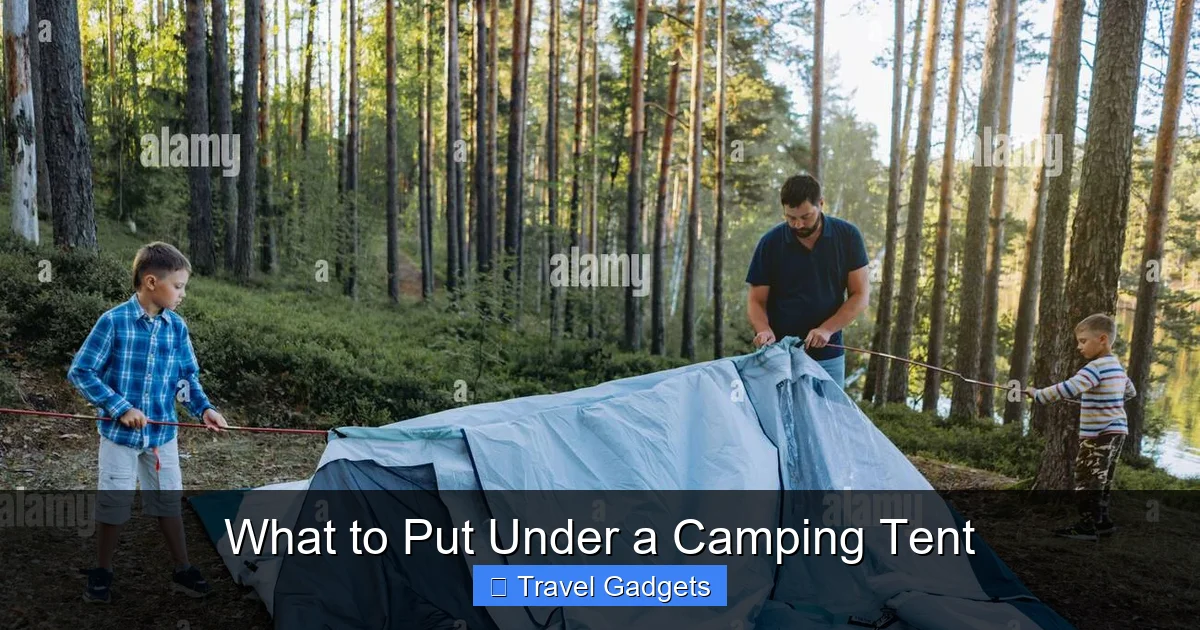
Every expert camper knows that the first thing you should put under a camping tent is a protective barrier. This layer sits directly on the ground and shields the tent floor from abrasion, moisture, and sharp debris. There are two main options here: a heavy-duty tarp or a dedicated ground cloth.
Find the Best Accommodation Deals
Compare prices from multiple booking platforms and find the best option for your stay.
Compare Hotel PricesA **tarp** is typically made of polyethylene or ripstop nylon and is lightweight, waterproof, and affordable. It’s great for rough terrain where roots, stones, or gravel could tear your tent floor. Just make sure it’s large enough to extend beyond the tent’s footprint on all sides—ideally 6–12 inches—to catch rain runoff.
On the other hand, a **ground cloth** is specifically designed for tents. It often features a dimpled surface that allows air to circulate underneath, reducing condensation. Some come with built-in seams to match your tent model perfectly. If your tent didn’t include one, consider buying one separately—it’s a small cost for long-term protection.
Find the Best Accommodation Deals
Compare prices from multiple booking platforms and discover the best stay options available.
⭐ Trusted by thousands of travelers
💰 Budget to luxury options available
Pro tip: Lay the tarp or ground cloth first, then secure its corners with stakes or rocks before placing your tent on top. This ensures it stays flat and doesn’t shift during the night.
When to Use a Tarp vs. a Ground Cloth
– **Use a tarp** on rocky, wooded, or uneven terrain where punctures are likely.
– **Use a ground cloth** on soft surfaces like grass or sand, especially if your tent has a dimpled bottom for ventilation.
– **Avoid fabric tarps** in high winds—they can flap and create noise or snag on branches.
Adding Insulation: Sleeping Pads Are Essential
Best Stay Deals Available
Compare prices across top booking platforms and find the best deal for your stay.
Check Available RoomsVisual guide about What to Put Under a Camping Tent
Image source: beyondthetent.com
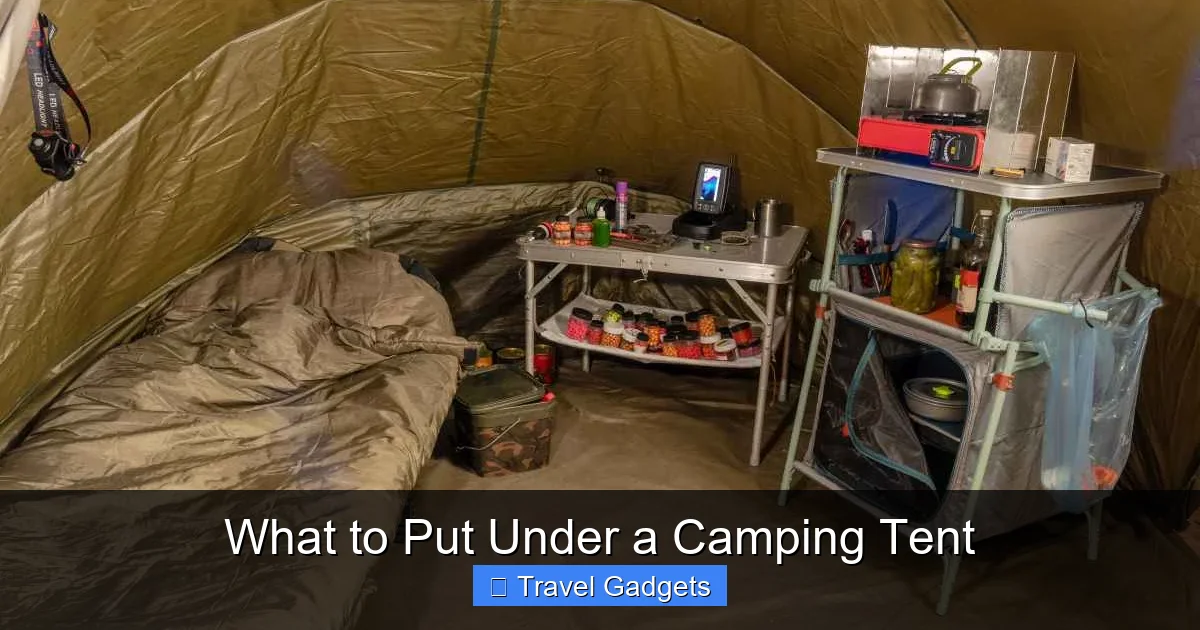
Now that you’ve protected the bottom of your tent, it’s time to think about comfort—and warmth. The earth conducts heat away from your body far faster than air does, so sleeping directly on cold ground can drop your core temperature significantly. That’s why a quality sleeping pad is non-negotiable, especially in cooler climates.
Sleeping pads come in three main types: **foam**, **inflatable**, and **air-core hybrids**. Each has pros and cons depending on your needs.
Foam Sleeping Pads
Foam pads are durable, inexpensive, and don’t require inflation. They’re ideal for backpacking because they’re tough and take up little space in your pack. Closed-cell foam pads (like those made by Therm-a-Rest) are particularly effective at blocking ground chill. However, they’re bulkier than inflatable models and offer less conforming comfort.
Inflatable Sleeping Pads
These are lighter and pack smaller, making them popular among hikers. Look for ones with **R-value ratings**—this measures insulation effectiveness. An R-value of 3+ is suitable for three-season camping, while 5+ is recommended for winter use. Brands like Nemo and REI have excellent self-inflating models that combine foam and air for balanced performance.
Self-Inflating Pads
A hybrid option, these pads have a foam core surrounded by an air chamber. They inflate partially on their own when you open the valve, saving time and effort. They’re heavier than pure inflatable pads but offer better insulation and comfort. Great for car campers who prioritize ease and warmth over minimal weight.
Layering for Maximum Protection and Comfort
Visual guide about What to Put Under a Camping Tent
Image source: c8.alamy.com
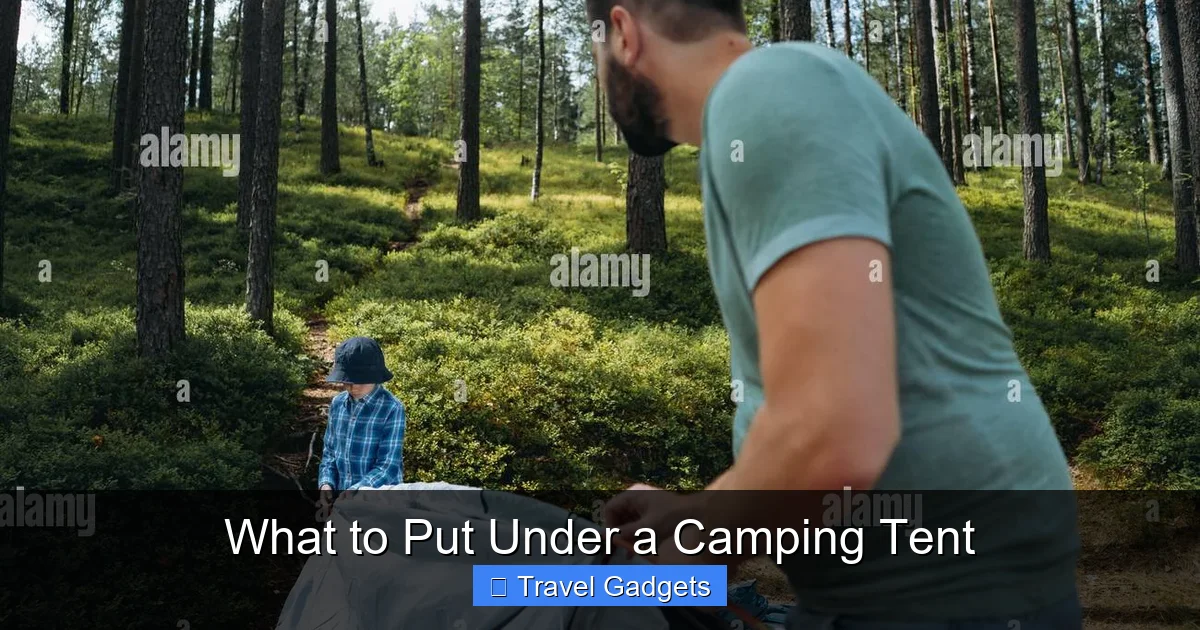
For serious campers, the secret to a perfect night lies in **layering**. Think of it like building a sandwich—each component serves a purpose. Start with the bottom layer (tarp or ground cloth), add your sleeping pad, then your sleeping bag. This multi-layer approach maximizes both protection and insulation.
Here’s how to stack it:
1. **Tarp or Ground Cloth**: Place this directly on the ground.
2. **Sleeping Pad**: Lay it inside your tent, centered on top of the tarp.
3. **Tent Floor**: Finally, place your tent over everything.
Some campers go a step further and use **double-layer protection**: a tarp under a ground cloth under a sleeping pad. This combo is especially useful in muddy or rocky conditions. The tarp catches debris, the ground cloth prevents abrasion between the tarp and pad, and the pad provides comfort.
Tips for Proper Layering
– Ensure the tarp extends beyond the tent edges to prevent rain from seeping in.
– Roll out the sleeping pad fully—no wrinkles mean no pressure points.
– Secure pad corners with bungee cords or tape to stop shifting.
– If using multiple layers, make sure each fits snugly within the tent footprint.
Special Considerations for Different Terrains
Not all camping grounds are created equal. Your choice of base materials should adapt to the environment.
Grassy or Soft Ground
Grass feels nice underfoot and allows drainage, but it can hide thorns, roots, or hidden rocks. A **dimpled ground cloth** works best here because it lets air flow beneath while protecting the tent floor. Avoid laying a solid tarp directly on thick grass—it may trap moisture and promote mildew.
Rocky or Uneven Terrain
This demands a **heavy-duty tarp** or reinforced footprint. Rocks can puncture both tent floors and sleeping pads. Place the tarp first, smooth out any bumps, then lay your tent. You might also bring a **sleeping pad with a thicker profile** or one rated for rough use.
Muddy or Wet Conditions
In wet environments, **elevate everything as much as possible**. Use trekking poles or rocks to raise your tent slightly off the mud. A **large tarp** that covers more than just the footprint helps divert water away. Consider bringing **pack towels** to wipe down wet surfaces before setting up.
Snow and Ice Camping
Winter campers should prioritize **high R-value sleeping pads** and **insulated tarps**. Snow acts as a natural insulator, but melting snow can create ice and puddles. Build your layers carefully: tarp first, then a thick sleeping pad, then your tent. Avoid direct contact between your sleeping bag and the tent floor—use a **liner** or **thermal blanket** if needed.
Bonus Tips for Every Camper
Beyond the basics, a few smart habits will enhance your camping experience:
– **Bring extra duct tape**: For quick repairs on tarps or torn pads.
– **Use a tarp as a sunshade**: Extend it over your tent for afternoon shade.
– **Stake down loose edges**: Prevent wind from lifting your tarp or pad.
– **Pack a small shovel**: Useful for digging footings or clearing debris.
– **Check weather forecasts**: Adjust your setup based on rain, wind, or snow.
Remember, what you put under your camping tent isn’t just about convenience—it’s about respect for nature and responsibility to your gear. By preparing thoughtfully, you honor the outdoors while maximizing comfort and safety.
Conclusion: Small Steps, Big Impact
Setting up camp doesn’t have to be complicated. With the right knowledge and a few simple tools, you can turn any patch of land into a cozy retreat. The key is understanding what to put under a camping tent and doing it right. Whether you choose a tarp, a footprint, or both—paired with a reliable sleeping pad—you’re investing in better nights and longer-lasting equipment.
Next time you head into the wilderness, take a moment to assess your site. Is the ground level? Is there standing water? Are there sharp objects nearby? These questions will guide your decisions. And remember: even experienced campers started with the basics. Mastering this foundational step puts you on the path to becoming a confident, prepared adventurer.
So pack smart, set up efficiently, and enjoy the peace that comes from knowing your shelter is secure and comfy. After all, the best part of camping isn’t just the adventure—it’s the restful sleep under the stars.
Frequently Asked Questions
Can I skip putting anything under my tent?
While you technically can pitch a tent directly on the ground, it’s not recommended. Without protection, your tent floor can tear from rocks or get soaked from damp soil. Using a tarp or ground cloth significantly extends your tent’s lifespan and improves comfort.
Do I need both a tarp and a ground cloth?
Not always. If you have a tent footprint (the included ground cloth), that’s usually sufficient for most terrains. However, on very rocky or abrasive surfaces, adding a tarp underneath provides extra defense against punctures.
How thick should my sleeping pad be?
Thicker isn’t always better. Most sleeping pads range from 1.5 to 4 inches thick. Choose based on your activity: ultralight foam pads for summer backpacking, and thicker, insulated pads for winter or cold-weather camping.
Will a tarp keep my tent completely dry?
A tarp helps, but it won’t eliminate all moisture. Rain can still seep under the tent walls or through seams. To stay dry, ensure the tarp extends beyond the tent edges and use seam-sealing spray on your tent beforehand.
Can I reuse a plastic tarp from home?
Yes, but check for holes or stiff spots first. Old tarps may crack in cold weather or tear easily. If it’s in good condition, cut it to size and weigh it down with rocks or stakes. Just avoid using metal nails—they can puncture the tent floor.
What if my tent doesn’t come with a footprint?
Buy one! Many manufacturers sell compatible footprints separately. Alternatively, repurpose a large piece of waterproof material like a thick tarp or even a yoga mat (though not ideal for long-term use). Just make sure it matches your tent’s dimensions.