
Ready to hit the woods but unsure what to bring inside your tent? Packing for a tent camping trip doesn’t have to be overwhelming. With the right gear, you can stay warm, dry, safe, and comfortable no matter where the trail leads. This guide covers everything from sleeping bags and backpacks to cookware and emergency supplies.
Key Takeaways
- Sleep Comfort Is Key: A quality sleeping bag and insulated pad are non-negotiable for a good night’s rest under the stars.
- Weather Protection Matters: Always pack rain gear, a sturdy tent, and ventilation to stay dry and avoid condensation buildup.
- Cooking On-The-Go: Portable stoves, lightweight cookware, and fuel ensure you can enjoy hot meals even in remote locations.
- Safety First: Carry a first aid kit, flashlight, fire starter, and communication devices like a whistle or satellite messenger.
- Pack Smart, Lighten the Load: Use multi-use items and organize efficiently to maximize space and minimize weight.
- Leave No Trace: Bring biodegradable soap, trash bags, and a trowel to protect nature and follow eco-friendly camping practices.
- Tent Setup Tips: Practice assembling your tent at home and always choose a flat, dry site with proper drainage.
📑 Table of Contents
- What to Take Camping in a Tent: Your Complete Packing Guide
- 1. Shelter & Structure: Your Home Away From Home
- 2. Bedding & Comfort Essentials
- 3. Cooking & Food Supplies
- 4. Lighting & Electronics
- 5. Safety & Emergency Gear
- 6. Hygiene & Cleanup Supplies
- 7. Extras That Make Camping Better
- Final Thoughts: Pack Smart, Stay Prepared
What to Take Camping in a Tent: Your Complete Packing Guide
If you’re planning your first overnight trip or preparing for an epic backcountry adventure, one thing is certain: packing the right gear makes all the difference. Whether you’re setting up camp in a forest clearing or nestled beside a serene lake, knowing what to take camping in a tent ensures you’re ready for comfort, safety, and fun. The goal isn’t just to survive the night—it’s to enjoy it.
Check the latest prices and available rooms before they sell out.
Many new campers make the mistake of overpacking or underestimating essentials. But with the right checklist, you can strike a balance between preparedness and simplicity. In this guide, we’ll walk you through every category of gear you’ll need inside your tent—organized by function, so you don’t forget anything important. From cozy bedding to emergency supplies, let’s get you fully equipped for your next outdoor escape.
1. Shelter & Structure: Your Home Away From Home
The tent is more than just a roof—it’s your sanctuary. Choosing and setting up the right tent is the foundation of a successful camping trip. But once you’ve got your shelter secured, there are a few key things you’ll want inside.
Sleeping Bag & Pad
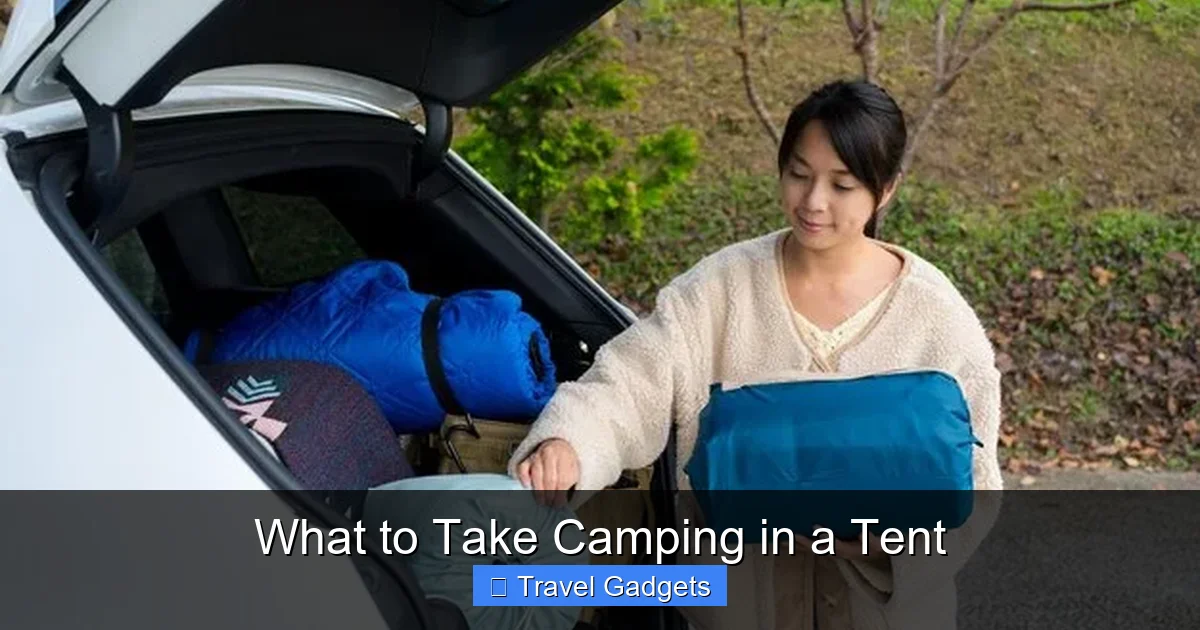
Your sleeping bag and sleeping pad work together to keep you warm and off the cold ground. A sleeping bag rated for the season (e.g., 3-season or winter-rated) will keep you cozy whether it’s spring breezes or chilly nights. Look for down insulation if you want something lightweight and compressible—just remember it loses warmth when wet.
Equally important is your sleeping pad. Foam pads are durable and cheap, but inflatable ones offer better insulation and comfort. Choose a R-value of at least 3.0 for most climates to prevent heat loss through the ground. Bonus tip: place your pad inside a waterproof stuff sack to keep it clean and dry.
Find the Best Accommodation Deals
Compare prices from multiple booking platforms and find the best option for your stay.
Compare Hotel PricesTent Footprint or Groundsheet
Even if your tent comes with a footprint, consider bringing an extra tarp or heavy-duty groundsheet. This creates a moisture barrier between the tent floor and the earth, protecting both your gear and your tent fabric. It also helps extend the life of your tent by preventing wear and tear.
Ventilation & Weather Gear
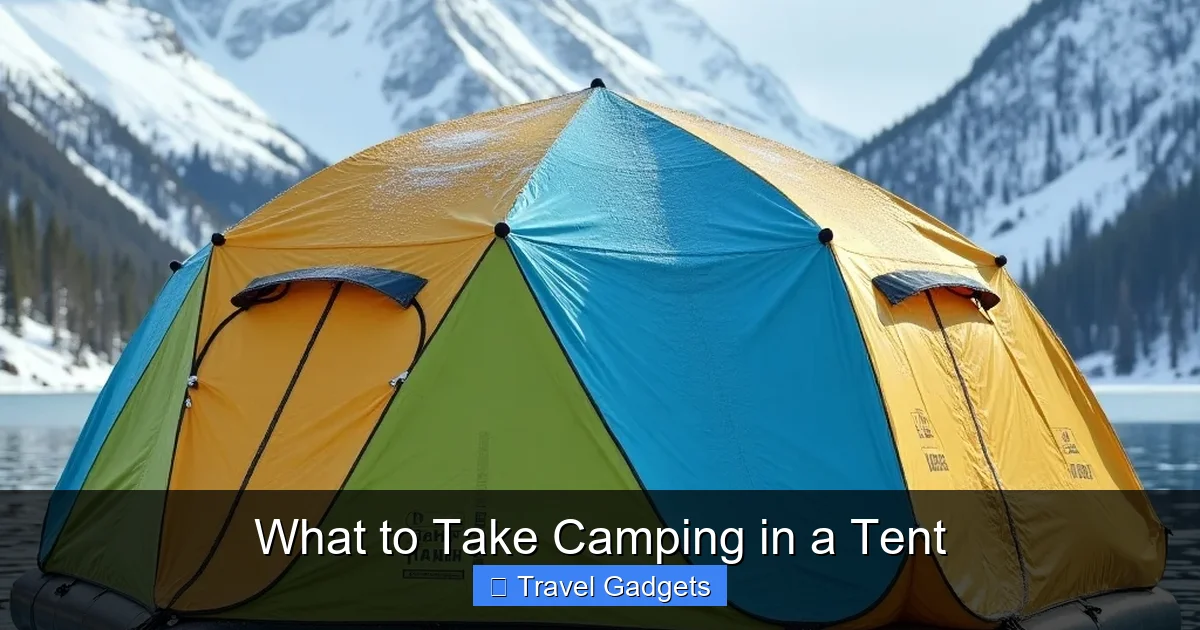
Proper airflow prevents condensation buildup inside your tent—especially important during damp weather. Make sure your tent has mesh panels and adjustable vents. If rain is forecasted, bring a rainfly and double-check that all zippers and seams are sealed.
Find the Best Accommodation Deals
Compare prices from multiple booking platforms and discover the best stay options available.
⭐ Trusted by thousands of travelers
💰 Budget to luxury options available
Don’t forget personal weather protection: a compact rain jacket, warm layers, and moisture-wicking base layers are must-haves. A hat and gloves can make a huge difference on cool evenings.
2. Bedding & Comfort Essentials
A good night’s sleep sets the tone for the entire trip. Even in the wilderness, comfort matters. Here’s how to turn your tent into a cozy retreat.
Best Stay Deals Available
Compare prices across top booking platforms and find the best deal for your stay.
Check Available RoomsVisual guide about What to Take Camping in a Tent
Image source: farrioutdoor.com
Sleeping Pillow
While many campers skip the pillow, a small inflatable or compression pillow adds instant comfort. Alternatively, use a stuff sack filled with clothes or a bandana—it’s cheap and surprisingly effective.
Extra Clothing Layers
Layering is key to staying warm and managing temperature swings. Pack a fleece or down jacket, thermal underwear, and a moisture-wicking shirt. Wool socks are ideal—they insulate even when wet and dry quickly.
Footwear & Slippers
Bring a pair of sturdy hiking boots for trails and flip-flops or camp shoes for around the tent. After a long day on the trail, slipping into something comfy feels amazing. For extra warmth at night, consider wool slippers or thick wool socks.
3. Cooking & Food Supplies
One of the best parts of camping is enjoying a hot meal after a day outdoors. But cooking outside requires the right tools—and they should live safely inside your tent.

Visual guide about What to Take Camping in a Tent
Image source: catspatrol.com
Portable Stove & Fuel
A compact backpacking stove lets you boil water, cook pasta, or fry eggs without building a fire. Canister stoves (like those using Isobutane) are popular for their ease of use. Always fuel your stove outside the tent and allow it to cool before storing.
Lightweight Cookware
Look for titanium or hard-anodized aluminum pots and pans—they’re lightweight, durable, and conduct heat well. A single pot can serve as your kettle, frying pan, and bowl. Add a spork or collapsible utensil set for easy cleanup.
Food Storage & Containers
Use airtight containers to store food, spices, and leftovers. Airtight mason jars or silicone food bags are great options. Keep strong-smelling foods sealed to avoid attracting wildlife. And yes—your tent is not a pantry. Store all food and scented items outside, at least 100 feet from your sleeping area.
Snacks & Hydration
Pack high-energy snacks like nuts, granola bars, and dried fruit. Don’t forget a reusable water bottle or hydration bladder. Boil water or use water purification tablets or a filter before drinking from natural sources.
4. Lighting & Electronics
When the sun goes down, you’ll still need visibility—both for safety and comfort.
Headlamp & Backup Flashlight
A headlamp keeps your hands free while setting up camp or reading at night. Bring extra batteries or a portable power bank. A small flashlight with red-light mode is perfect for preserving night vision.
Power Bank & Charging Cables
Keep your phone charged for navigation, emergencies, or sharing photos. A solar-powered charger is a great eco-friendly option. Just don’t charge devices inside the tent—heat and electronics don’t mix well.
Portable Speaker (Optional)
If music enhances your experience, bring a waterproof Bluetooth speaker. Just be mindful of noise levels and fellow campers. Remember: camping is about disconnecting too—so use it wisely.
5. Safety & Emergency Gear
No matter how experienced you are, accidents happen. Being prepared means peace of mind.
First Aid Kit
A compact first aid kit should include bandages, antiseptic wipes, blister treatment, tweezers, pain relievers, and any personal medications. Consider adding a snake bite kit if you’re in a region with venomous snakes.
Emergency Whistle & Signal Mirror
These low-tech tools can save your life if you’re lost. Blow the whistle in three short bursts—the universal distress signal. A signal mirror can reflect sunlight to rescuers from miles away.
Fire Starter
Matches in a waterproof container, a lighter, and fire-starting tinder (like cotton balls soaked in petroleum jelly) are essential. Always build fires in designated fire rings or pit areas—never directly on tent fabric.
Multi-Tool or Knife
A versatile tool like a Leatherman or Swiss Army knife can help with repairs, food prep, or emergencies. Just make sure it’s secure and not left lying around where it could cause injury.
6. Hygiene & Cleanup Supplies
Staying clean—even minimally—helps prevent illness and respects nature.
Biodegradable Soap & Washcloth
Use biodegradable soap for washing hands, dishes, and yourself. Never wash dishes or soap near water sources. Instead, do it at least 200 feet from lakes, rivers, or streams.
Trash Bags & Trowel
Pack out all trash, including food scraps. Use a small trowel to dig a shallow hole for human waste (at least 6–8 inches deep), then cover and disguise it. Follow Leave No Trace principles to keep trails pristine.
Towels & Wet Wipes
A quick-drying microfiber towel or bandana is perfect for drying off. Wet wipes are great for cleaning up without water.
7. Extras That Make Camping Better
Small additions can elevate your experience significantly.
Camp Chair or Hammock
Sit back and relax with a foldable camp chair or hang a hammock between two trees. Both offer comfort after a long hike and a great view of the stars.
Book, Deck of Cards, or Journal
Sometimes the best part of camping is slowing down. Bring a book, play cards, or jot down thoughts in a journal. These quiet moments connect you to nature in a deeper way.
Binoculars or Camera
Spot wildlife, birds, or distant landscapes with binoculars. Or capture memories with a lightweight camera or smartphone with a protective case.
Final Thoughts: Pack Smart, Stay Prepared
Knowing what to take camping in a tent transforms your trip from stressful to spectacular. Focus on comfort, safety, and sustainability. Practice setting up your tent at home, check weather forecasts, and tailor your gear to the environment you’ll face.
Remember: less is often more. You don’t need to carry everything—just the essentials. And when you return, take pride in leaving no trace. With the right preparation, your tent becomes more than shelter—it becomes a cozy, secure haven beneath the open sky.
So pack wisely, sleep soundly, and enjoy every moment in nature. Happy camping!
Frequently Asked Questions
What is the most important thing to bring camping in a tent?
A quality sleeping bag and insulated sleeping pad are crucial. Without proper insulation from the cold ground, even the warmest tent won’t keep you comfortable through the night.
Can I cook inside my tent?
No—cooking should always be done outside your tent. Stoves and open flames pose fire risks and produce fumes that can fill your shelter. Keep the interior of your tent smoke-free and safe.
How much clothing should I pack?
Pack one full outfit for each day plus one spare. Include layers like a fleece, rain jacket, and thermal underwear. Wool socks are especially useful and can be worn multiple times if dried properly.
Should I bring a pillow?
Yes—especially if you’re sensitive to discomfort. A small inflatable pillow or even a stuff sack with clothes works well. It makes a big difference in sleep quality.
How do I prevent condensation in my tent?
Use mesh vents, avoid hanging wet clothes inside, and never cook or breathe heavily inside. Opening a small window or door flap at night helps circulate air and reduce moisture buildup.
Is it safe to sleep with electronics in my tent?
It’s generally not recommended. Heat from devices like phones or power banks can damage tent materials. Keep them outside or in a separate bag to avoid accidental exposure.