
Raccoons don’t typically attack tents—they’re more interested in food and shelter than confrontation. However, during camping trips, especially in wooded or suburban areas, raccoon encounters near tents are common. Understanding their behavior helps you avoid surprises and enjoy a safer outdoor adventure.
Camping under the stars is one of life’s purest joys—crackling fires, crunching leaves, and the soft rustle of wildlife in the distance. But sometimes, that rustle isn’t just the wind. It could be a raccoon sniffing around your tent, drawn by the scent of leftover snacks or an open cooler. While raccoon attacks on tents are rare, the idea of a masked bandit sneaking into your shelter can send shivers down any camper’s spine. So, let’s talk about what really happens when raccoons approach tents—and more importantly, how to prevent them from getting too close.
Check the latest prices and available rooms before they sell out.
Raccoons are clever, curious creatures, and they’re especially active during camping season. With their nimble paws and sharp teeth, they can open latches, flip lids, and rummage through gear with surprising speed. But here’s the truth: they’re not out to attack you. In fact, raccoons avoid direct contact with humans whenever possible. That said, a tent full of food smells is like a dinner bell to them, and once they start associating campsites with easy meals, they might linger longer than you’d like. Let’s dive into what actually triggers raccoon behavior near tents and how you can protect yourself and your gear.
Key Takeaways
- Raccoons rarely attack tents: They prefer foraging over fighting and will usually flee if they sense humans.
- Food is the real target: Raccoons are drawn to unsecured trash, coolers, and camp stoves—not your sleeping bag.
- Nocturnal habits increase risk: Most tent interactions happen at night when raccoons hunt for food.
- Prevention beats reaction: Proper food storage and campsite setup reduce the chance of raccoon visits.
- Know the signs: Scratches on gear, torn bags, or disturbed items may indicate a raccoon has been around.
- Safe handling matters: Never feed raccoons; they can become aggressive if habituated to human food.
- Use deterrents wisely: Motion lights, noise makers, and bear-proof containers help keep raccoons away.
📑 Table of Contents
Understanding Raccoon Behavior Around Campers
Raccoons (Procyon lotor) are native to North America and thrive in forests, wetlands, and even urban backyards. They’re omnivores, meaning they eat both plants and animals, and love foraging for food scraps, insects, eggs, and yes—leftover camp meals. Their intelligence and dexterity make them excellent problem-solvers, which is why they can open jars, twist doorknobs, and figure out how to get into sealed containers if given half a chance.
When camping, raccoons often explore campsites at night because that’s when they’re most active. They use their sensitive front paws to feel objects, and their keen sense of smell helps them track down food sources. If your tent has an open bag, a cooler left unattended, or even a dropped piece of fruit, raccoons will investigate. But again—they’re not hunting you. They’re looking for calories, and if they find a tasty snack near your sleeping area, they might stick around… until you scare them off or they move on.
It’s also worth noting that raccoons are generally shy. Unlike bears or mountain lions, they don’t see humans as predators—or prey. Instead, they view us as potential food sources. This means they’ll usually retreat if they hear voices, movement, or loud noises. The key is to break that association between humans and food, so raccoons learn to stay away.
Do Raccoons Actually Attack Tents?
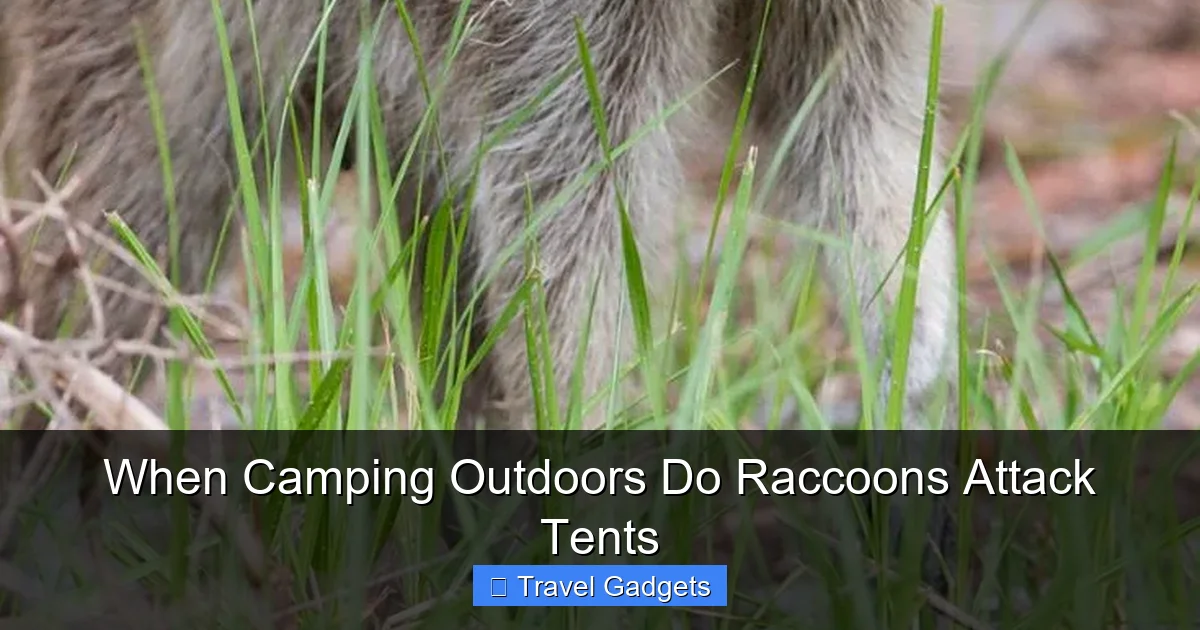
Visual guide about When Camping Outdoors Do Raccoons Attack Tents
Image source: i.pinimg.com
Find the Best Accommodation Deals
Compare prices from multiple booking platforms and find the best option for your stay.
Compare Hotel PricesLet’s get this straight: raccoons do not attack tents with the intent to harm campers. Attacks are extremely rare, and when they do occur, it’s almost always due to habituation—meaning the animal has learned that humans mean food. In such cases, a raccoon might become bold enough to approach closely, but even then, they tend to focus on grabbing food rather than engaging in combat.
That said, raccoons can be surprisingly strong and persistent. A determined raccoon might claw at tent fabric, tear open a backpack, or even climb onto a raised platform if there’s a dangling snack. While these actions aren’t “attacks” in the traditional sense, they can feel invasive and unsettling, especially in the dark. For example, imagine waking up to the sound of scratching on your tent pole, only to realize it’s not a branch swaying in the wind.
Find the Best Accommodation Deals
Compare prices from multiple booking platforms and discover the best stay options available.
⭐ Trusted by thousands of travelers
💰 Budget to luxury options available
In rare cases, especially in regions where raccoons have lost their fear of people, they may display aggressive behavior if cornered or threatened. However, even then, their bites or scratches are defensive—not predatory. And remember, raccoons carry diseases like rabies and roundworm, so any physical contact should be avoided.
The bottom line? Tent “attacks” by raccoons are more about curiosity and opportunity than malice. With proper precautions, you can minimize the chances of even a close encounter.
When Do Raccoons Approach Campsites?
Best Stay Deals Available
Compare prices across top booking platforms and find the best deal for your stay.
Check Available RoomsVisual guide about When Camping Outdoors Do Raccoons Attack Tents
Image source: i.pinimg.com
Raccoons are most likely to visit campsites under specific conditions. Understanding these patterns helps you prepare and respond effectively.
Time of Day
Most raccoon activity happens at night, particularly between dusk and midnight. This aligns with their natural foraging cycle. If you’re camping in an area known for raccoon populations, expect increased nighttime movement near your site. Keep lights on outside your tent, and avoid eating inside if possible.
Food Availability
This is the biggest trigger. Raccoons are attracted to anything smelling like food—unsealed coolers, dropped chips, fruit peels, and even pet food left outside. Once they learn that campsites offer free meals, they’ll return regularly. Always store food in bear-safe or raccoon-proof containers and never leave it unattended.
Campsite Location
Areas near water sources, dense brush, or trails frequented by wildlife are hotspots for raccoon sightings. If you’re setting up camp near a forest edge or riverbank, be extra cautious. Choose a spot far from natural raccoon habitats, and elevate your food storage if needed.
Seasonal Factors
During fall, raccoons ramp up food-seeking behavior in preparation for winter hibernation (though they don’t truly hibernate). Spring and summer bring more young raccoons, who are naturally curious and may wander closer to campsites looking for easy snacks.
How to Prevent Raccoon Encounters
Visual guide about When Camping Outdoors Do Raccoons Attack Tents
Image source: dokangaroosattacktents.weebly.com
Prevention is far easier—and safer—than dealing with a raccoon that’s already snooping around your tent. Here’s how to keep them at bay:
Store Food Securely
Use hard-sided containers with locking lids, or hang food in a bear bag at least 10 feet high and 4 feet away from trees. If you have a bear locker at your campsite, use it religiously. Even a single piece of fruit left outside can attract raccoons—and other animals too.
Clean Up Thoroughly
After meals, wipe down tables, wash dishes immediately, and sweep up crumbs. Don’t leave food residue on grills or picnic benches. Raccoons have a powerful sense of smell and can detect food from yards away.
Use Deterrents
Motion-activated lights or sprinklers can startle raccoons and discourage them from approaching. Noise-making devices like wind chimes or radios playing music can also help. Just remember to turn them off during the day to save battery.
Secure Your Tent
Zip all zippers completely, tuck in loose fabric, and avoid leaving gear inside overnight. Raccoons can squeeze through surprisingly small openings, so check for tears or gaps in your tent walls.
Never Feed Wildlife
Even if a raccoon seems friendly or curious, feeding it teaches it to associate humans with food. This increases the risk of aggressive behavior and makes future encounters more likely.
What to Do If a Raccoon Gets Too Close
Despite your best efforts, there’s always a chance a raccoon might wander near your tent. Stay calm and follow these steps:
– Make loud noises: Shout, clap, or use a whistle. Raccoons usually flee when startled.
– Turn on bright lights: Shine a flashlight directly at the animal. Most will back away.
– Back away slowly: Avoid sudden movements that might seem threatening.
– Don’t touch it: Even if it appears harmless, raccoons can bite or scratch if cornered.
– Report aggressive behavior: If a raccoon approaches repeatedly or shows signs of aggression, notify park authorities.
In extreme cases, if a raccoon enters your tent or becomes dangerously bold, leave the area and call local wildlife control. Remember, raccoons are wild animals—not pets.
Travel Gadgets That Help Keep Raccoons Away
While no gadget guarantees complete protection, some travel tools make campsite safety easier:
Bear-Proof Coolers
Hard-sided coolers with locking mechanisms (like the Pelican or YETI models) resist raccoon claws and teeth. Look for ones rated for bear use—they’re overkill for raccoons, but worth it for peace of mind.
Motion-Sensor Lights
Solar-powered LED lights with motion sensors automatically light up when something moves nearby. Place them near food storage areas or along paths to scare off raccoons.
Ultrasonic Repellents
Devices like the Havahart Ultrasonic Pest Repeller emit high-frequency sounds that deter rodents and raccoons without harming them. Plug them into an outlet near your campsite.
Zipper Locks and Bag Covers
Small plastic locks or drawstring covers can prevent raccoons from opening zippers on backpacks or duffel bags. These are affordable, lightweight, and highly effective.
GPS Trackers for Gear
If raccoons steal your food, a small GPS tracker (like a Tile or Apple AirTag) embedded in your cooler or bag can help you locate it quickly.
Investing in a few smart gadgets doesn’t just keep raccoons away—it enhances your overall camping experience by reducing stress and protecting your belongings.
Frequently Asked Questions
Can raccoons climb into tents?
Yes, raccoons are excellent climbers and can enter tents through open doors, windows, or tears in the fabric. However, they only go inside if they smell food or see an opportunity. Always zip your tent completely and avoid leaving gear inside overnight.
Are raccoon bites dangerous?
Raccoon bites can transmit diseases like rabies and roundworm, so they should be treated seriously. Seek medical attention immediately if bitten, and avoid touching raccoons—even healthy-looking ones—with bare hands.
Why do raccoons come to campsites?
Raccoons are attracted to campsites by the smell of food. They’re opportunistic feeders and will investigate coolers, trash, and unattended meals. Once they learn that campsites offer easy food, they may return repeatedly.
How can I tell if a raccoon has been in my tent?
Look for signs like torn bags, scattered gear, or food wrappers inside. You might also notice paw prints, droppings, or a lingering musky odor. If you wake up to strange noises or smells, check your tent carefully before using it.
Should I use pepper spray on raccoons?
Pepper spray is more effective against larger animals like skunks or coyotes. For raccoons, making loud noises and shining lights usually works better. Pepper spray can also irritate your own eyes if used improperly.
Are raccoons more active during certain seasons?
Yes. Raccoons are most active in spring and fall, especially at night. In late fall, they forage heavily before winter. During summer, young raccoons may wander more, increasing the chance of encounters near campsites.