
Camping in cold weather is possible—but only if you’re prepared. While tents can protect you from sub-zero temperatures, it’s too cold to camp in a tent when conditions risk hypothermia or equipment failure. Knowing your limits and packing the right gear makes all the difference between a safe adventure and a dangerous ordeal.
Key Takeaways
- Temperature thresholds vary by individual: Cold tolerance depends on fitness, clothing, and experience—not just the thermometer.
- Wind and moisture amplify cold: Wind chill and damp conditions make even mild temps feel dangerously cold in a tent.
- Proper insulation is key: A good sleeping bag rated for the expected low and a quality sleeping pad prevent heat loss to the ground.
- Tents aren’t heated shelters: Even the best tents don’t generate warmth—they just slow heat loss.
- Safety comes first: If wind speeds exceed 30 mph or temps drop below -10°F (-23°C), consider postponing or upgrading shelter.
- Know the signs of cold stress: Shivering, numbness, confusion, or slurred speech mean it’s time to act fast.
- Preparation beats comfort: Layered clothing, hand/toe warmers, and dry gear are essential for cold-weather tent camping.
📑 Table of Contents
- When Is It Too Cold to Camp in a Tent?
- Understanding How Cold Affects Your Body in a Tent
- What Temperature Can You Safely Camp in a Tent?
- The Role of Your Tent in Cold Weather
- Essential Gear for Cold-Weather Tent Camping
- Recognizing When Conditions Are Unsafe
- Practical Tips for Staying Warm in a Cold Tent
- Conclusion: Know Your Limits, Then Push Them
When Is It Too Cold to Camp in a Tent?
Camping under the stars is one of nature’s most rewarding experiences. But when winter rolls in—or you’re trekking into high-altitude regions—the question isn’t just about comfort. The real concern becomes: When is it too cold to camp in a tent? After all, a tent keeps out rain and wind, but it doesn’t magically warm up. In fact, without proper preparation, a tent can trap cold air just as easily as it traps warmth.
Check the latest prices and available rooms before they sell out.
Many outdoor enthusiasts assume that as long as they have a tent, they can camp anywhere—regardless of temperature. That mindset can be dangerous. While modern tents are designed to withstand harsh conditions, they’re not insulated like a house or an RV. So yes, you can camp in freezing temperatures—but only if you know your limits, pack the right gear, and understand how cold affects both your body and equipment.
This guide will walk you through the science behind cold-weather camping, help you recognize when it’s truly too cold, and offer practical tips to keep you safe and warm—no matter what the thermometer says.
Understanding How Cold Affects Your Body in a Tent
Visual guide about When Is It Too Cold to Camp in a Tent
Image source: bestcampcook.com
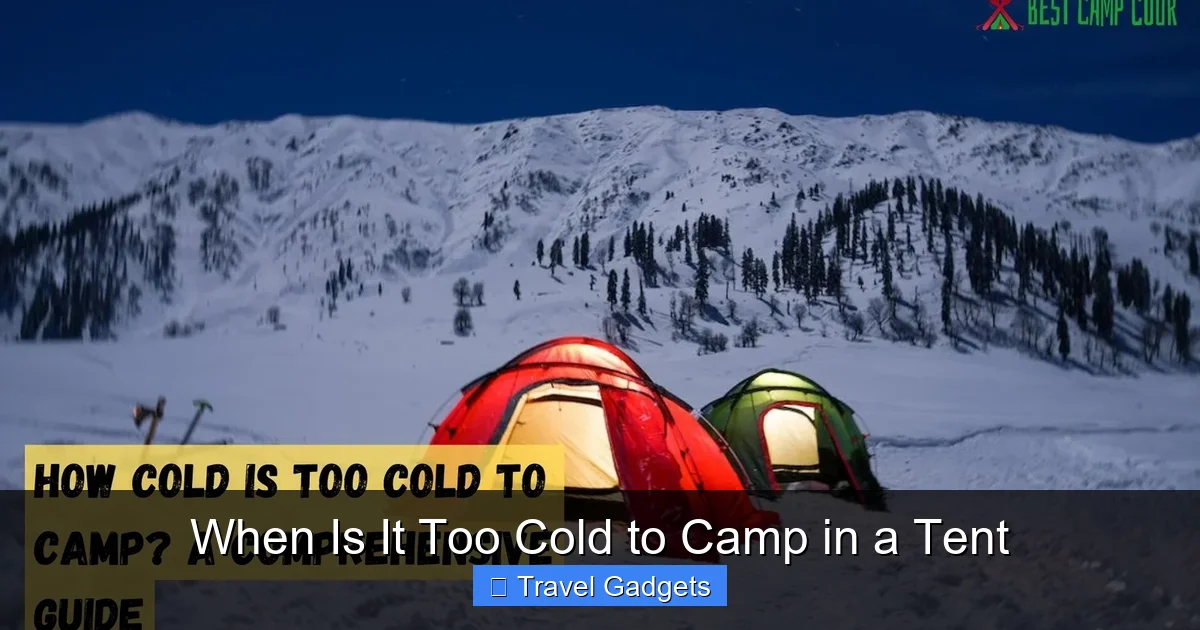
Your body loses heat constantly—especially at night when metabolism slows and you’re less active. In a tent, this process is amplified because there’s little airflow to carry away cold air. When temperatures drop, your core body temperature begins to decline, and if it falls too far, you risk hypothermia.
Hypothermia occurs when your body can’t produce enough heat to replace what it’s losing. Early symptoms include uncontrollable shivering, fatigue, and slurred speech. If untreated, it leads to confusion, drowsiness, and eventually unconsciousness. At this point, rescue becomes critical—and the cold has already done serious damage.
Find the Best Accommodation Deals
Compare prices from multiple booking platforms and find the best option for your stay.
Compare Hotel PricesBut here’s the good news: most healthy adults can survive short-term exposure to temperatures as low as 20°F (-6°C) with proper clothing and shelter. However, prolonged exposure, wet conditions, or high winds change everything. So while your tent might technically hold up at 15°F (-9°C), your body might not.
What Temperature Can You Safely Camp in a Tent?
Find the Best Accommodation Deals
Compare prices from multiple booking platforms and discover the best stay options available.
⭐ Trusted by thousands of travelers
💰 Budget to luxury options available
Visual guide about When Is It Too Cold to Camp in a Tent
Image source: i.pinimg.com
There’s no universal answer, but general guidelines help. Most experienced campers consider temperatures above 32°F (0°C) comfortable for overnight stays in a tent—even in wind. Below that, you enter the realm of “cold camping,” which requires extra precautions.
Best Stay Deals Available
Compare prices across top booking platforms and find the best deal for your stay.
Check Available RoomsAt 20°F (-6°C), many people can sleep comfortably in a well-insulated tent with a 20°F-rated sleeping bag, layered clothing, and a closed-cell foam sleeping pad. With these basics, you’re likely fine—as long as you stay dry and avoid sweating.
However, once temps hit 10°F (-12°C) or lower, risks increase. Wind chill becomes a major factor. For example, a 10°F day with 20 mph winds feels like -5°F (-20°C). That’s cold enough to cause frostbite in minutes on exposed skin—and dangerously cold inside a tent if drafts sneak in.
Experts generally agree that:
- Below 10°F (-12°C): Only experienced campers with top-tier gear should attempt overnight stays.
- Below 0°F (-18°C): Extremely risky without specialized cold-weather shelter or supplemental heat sources.
- With wind speeds over 25 mph: Even 20°F feels like 0°F or colder—making tents unsafe unless fully sealed.
Remember, these are guidelines. Some people thrive in snowy conditions; others struggle at 40°F. Always assess your personal tolerance, not just the forecast.
The Role of Your Tent in Cold Weather
Visual guide about When Is It Too Cold to Camp in a Tent
Image source: casiestewart.com
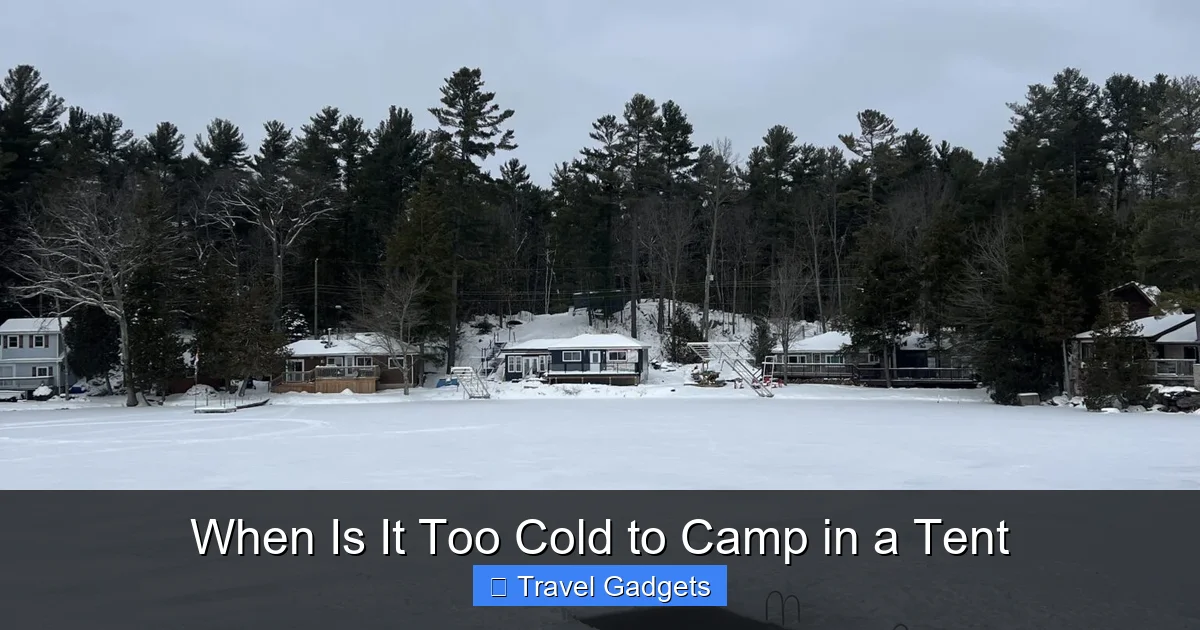
Let’s clear something up: a tent doesn’t warm you. It simply creates a barrier between you and the elements. High-quality tents—like four-season mountaineering tents—are designed to resist wind, snow load, and condensation, but they still rely on you to provide insulation.
A common mistake is assuming a thick, heavy-duty tent will automatically keep you warm. In reality, warmth comes from your sleeping system: the bag, pad, and clothing. A 4-season tent with poor ventilation can trap moisture (from breath or melting snow), creating a damp environment that saps heat faster than cold air.
Look for tents with:
- Strong, waterproof materials (e.g., ripstop nylon with silicone coating)
- Low-profile designs to reduce wind resistance
- Vents or mesh panels to manage condensation
- Snow flaps over doors and windows
Even the best tent won’t save you if you’re wearing cotton or haven’t packed a 3-season or higher-rated sleeping bag. Think of your tent as a shield—not a heater.
Essential Gear for Cold-Weather Tent Camping
Surviving cold nights in a tent starts with smart gear choices. Here’s what every cold-weather camper needs:
Sleeping Bag
Choose a bag rated for at least 10°F colder than the expected low. Down bags offer superior warmth-to-weight ratios but lose insulation when wet. Synthetic bags perform better in damp conditions. Look for draft collars, insulated zippers, and hoods to retain heat.
Sleeping Pad
Your sleeping pad does more than cushion you off the ground—it insulates. R-value measures thermal resistance; aim for an R-value of 4+ in extreme cold. Closed-cell foam pads are affordable and reliable; inflatable pads offer better comfort but can leak.
Layered Clothing System
Use the “base-mid-shell” method:
- Base layer: Moisture-wicking fabrics like merino wool or synthetic blends
- Mid layer: Fleece or down/synthetic insulation for warmth
- Shell: Windproof, waterproof outer layer
Never wear cotton—it holds moisture and chills you rapidly. Bring extra socks and gloves, and use hand/toe warmers if needed.
Footwear and Headwear
Insulate your extremities. Wool or synthetic hiking boots with gaiters prevent snow ingress. A balaclava, beanie, and neck gaiter are lifesavers. Heat escapes faster through your head and feet.
Other Critical Items
- Headlamp with extra batteries (cold drains power faster)
- Hand sanitizer and lip balm (moisturizers freeze)
- Emergency bivvy or space blanket as backup
- Water bottles—insulated to prevent freezing
With the right setup, you can camp confidently in temps as low as -10°F (-23°C), provided conditions are calm and dry.
Recognizing When Conditions Are Unsafe
Even with perfect gear, certain conditions make tent camping too dangerous. Watch for these red flags:
Extreme Wind Chill
If wind speeds exceed 25–30 mph, even a well-sealed tent can allow significant cold infiltration. Gusts can also collapse poorly anchored tents or blow away loose gear. In alpine environments, wind alone can make survival impossible.
Heavy Snowfall or Ice Storms
Accumulating snow increases roof load and reduces tent stability. Ice storms coat fabrics in brittle layers that can crack or tear. Unless you have a reinforced structure, avoid tent camping during blizzards.
Damp or Wet Conditions
Wet clothes, melted snow, or condensation turn your insulation into a liability. If you wake up shivering and damp, it’s too cold—and potentially too late to fix.
High Humidity + Low Temperatures
This combo accelerates frostbite and respiratory issues. In humid climates, nighttime temps can plummet unexpectedly due to radiative cooling.
If any of these apply, consider alternatives: a cabin, yurt, or emergency bivy. Safety always trumps adventure.
Practical Tips for Staying Warm in a Cold Tent
Want to push the limits safely? Follow these field-tested strategies:
Minimize Heat Loss
Seal all vents with tape or towels. Use a groundsheet to block ground conduction. Keep your sleeping area elevated on rocks or logs if possible.
Manage Moisture
Ventilate the tent slightly to reduce condensation, but close openings at night. Avoid cooking inside unless using a dedicated stove.
Stay Dry From Within
Wear moisture-wicking base layers. If you sweat during the day, change into dry clothes before bed. Don’t go to sleep in damp socks—use boot liners instead.
Eat and Hydrate
Cold increases caloric needs. Pack high-fat snacks like nuts, chocolate, or energy bars. Drink warm fluids (not alcohol—it lowers core temperature!).
Buddy System
Camp with someone else in case of emergency. Share body heat (if safe) and monitor each other for early signs of cold stress.
Test Your Setup
Practice setting up your tent in winter conditions before heading out. Know how to pitch quickly in snow or wind.
With discipline and preparation, you can enjoy serene, snow-covered landscapes without sacrificing safety.
Conclusion: Know Your Limits, Then Push Them
So, when is it too cold to camp in a tent? The honest answer is: it depends. On your experience, gear, and willingness to adapt. While there’s no magic number, most authorities agree that below 10°F (-12°C) with wind, or below -10°F (-23°C) in calm conditions, demands serious expertise and backup plans.
But don’t let fear stop you. Cold-weather camping offers unparalleled beauty, solitude, and challenge—when approached wisely. Equip yourself with knowledge, respect the elements, and prioritize safety over spectacle.
Remember: a tent protects you from the cold, but only your preparation keeps you warm. With the right mindset and tools, you can sleep under the northern lights, wake to frozen pines, and return home with stories worth telling—without ever crossing into danger.
Frequently Asked Questions
Can you sleep in a tent at 0°F (-18°C)?
Yes, but only with proper gear: a 0°F-rated sleeping bag, insulated pad, layered clothing, and a well-sealed tent. Wind and moisture are bigger threats than temperature alone.
How cold can a 4-season tent handle?
Most 4-season tents are built for -20°F (-29°C) and below, but they require careful pitching, snow removal, and supplemental insulation to keep occupants warm.
Is it safe to cook inside a cold tent?
Only with a dedicated, vented stove. Never use open flames or fuel-burning heaters—carbon monoxide buildup is deadly in enclosed spaces.
What happens if you get wet in a cold tent?
Moisture drastically reduces insulation efficiency. Wet clothes can lower your core temperature rapidly, leading to hypothermia within hours.
Can I use a heated sleeping bag?
Some electric or chemical-heated bags exist, but they add weight, require batteries, and pose fire risks. They’re best for emergencies, not regular use.
How do I prevent condensation in a cold tent?
Ventilate slightly during use, avoid cooking inside, and ensure your tent floor is fully sealed. Use a groundsheet and minimize body moisture with wicking layers.