
Where can you camp in a tent? Whether you’re a beginner or an experienced camper, knowing your legal and safe options is essential. From national parks to backcountry trails, there are countless places to pitch your tent. This guide walks you through public lands, permits, and hidden gems so you can enjoy nature without breaking the bank or the rules.
Key Takeaways
- National Parks & Forests: Offer scenic, well-maintained sites but often require reservations and fees.
- Bureau of Land Management (BLM) Lands: Provide free dispersed camping on public land in many western states.
- State Parks: Affordable and accessible, with amenities like restrooms and fire pits.
- Free Camping Spots: Look for “free camping” zones in rural areas, but always follow Leave No Trace principles.
- Private Campgrounds: Offer full hookups and services, ideal for comfort-focused trips.
- Backcountry Camping: Requires permits and self-sufficiency; best for hikers and off-grid adventurers.
- Seasonal Considerations: Weather and accessibility change by region—check conditions before heading out.
📑 Table of Contents
- Where Can I Camp in a Tent? A Complete Guide to Legal & Fun Outdoor Stays
- 1. National Parks: The Classic Tent Campsite Experience
- 2. Bureau of Land Management (BLM) Lands: Free Camping Under Open Skies
- 3. State Parks: Comfort Meets Nature
- 4. U.S. Forest Service (USFS) Lands: Wilderness Access
- 5. Private Campgrounds: Full Hookups and Amenities
- 6. Free Camping: Finding Hidden Gems Without Paying
- 7. Backcountry & Hiking Trails: True Adventure Camping
- Final Thoughts: Wherever You Go, Be Prepared
Where Can I Camp in a Tent? A Complete Guide to Legal & Fun Outdoor Stays
There’s something magical about waking up to birdsong, breathing in crisp mountain air, and falling asleep under a canopy of stars. Tent camping offers that raw connection to nature—no frills, just you, your gear, and the great outdoors. But if you’re asking yourself, “Where can I camp in a tent?”, you’re not alone. With thousands of options across the country, it can feel overwhelming to figure out where to go and whether it’s legal or safe.
Check the latest prices and available rooms before they sell out.
This guide breaks down every type of tent-camping spot—from well-known national parks to hidden free campsites—so you can plan your next adventure with confidence. Whether you’re driving to a lakeside site or backpacking into the wilderness, we’ve got you covered. Let’s dive into the best places to set up your tent, how to find them, and what to bring along.
1. National Parks: The Classic Tent Campsite Experience
If you dream of camping under towering sequoias or beside a serene alpine lake, national parks are some of the most iconic places to camp in a tent. These protected areas offer breathtaking scenery, clean facilities, and ranger-led programs that enhance your experience.
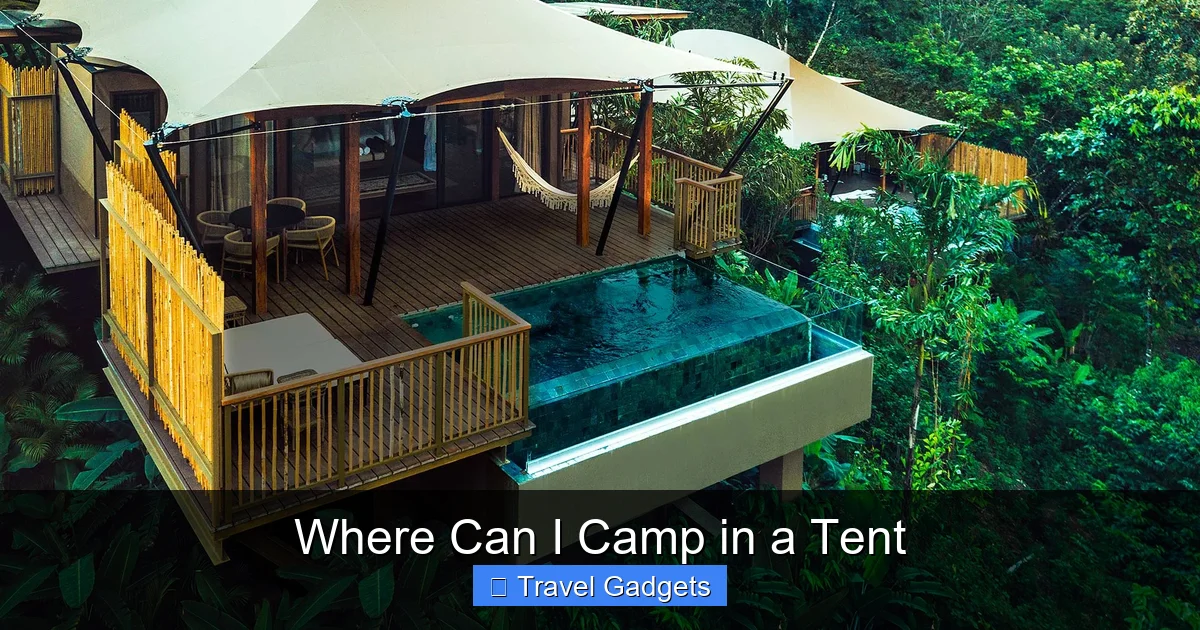
Top Picks for Tent Camping in National Parks
- Yosemite National Park, California: Sites like Upper Pines and North Pines are popular but fill up fast. Book months ahead via recreation.gov.
- Great Smoky Mountains, Tennessee/North Carolina: Cades Cove Loop offers primitive tent sites with historic charm.
- Zion National Park, Utah: Watchman Campground is tent-friendly and close to the canyon rim.
Keep in mind: Most national park campgrounds charge fees (usually $20–$35/night) and require reservations during peak seasons. Always check nps.gov for current regulations and closures.
Pro Tip: Arrive Early for First-Come, First-Served Sites
Some parks like Acadia (Maine) and Big Bend (Texas) allow first-come, first-served camping. Show up by 9 a.m. on weekends for the best spots. Bring bear-proof food storage and be prepared to hike a bit for solitude.
Find the Best Accommodation Deals
Compare prices from multiple booking platforms and find the best option for your stay.
Compare Hotel Prices2. Bureau of Land Management (BLM) Lands: Free Camping Under Open Skies
Looking for free camping near major cities or remote wilderness? The Bureau of Land Management manages over 248 million acres of public land across 12 western states—including Arizona, Nevada, Oregon, and New Mexico. On most BLM land, you can camp up to 14 days in a row, then must move at least 1 mile away. After 30 days total, you’re required to take a 7-day break.
Find the Best Accommodation Deals
Compare prices from multiple booking platforms and discover the best stay options available.
⭐ Trusted by thousands of travelers
💰 Budget to luxury options available
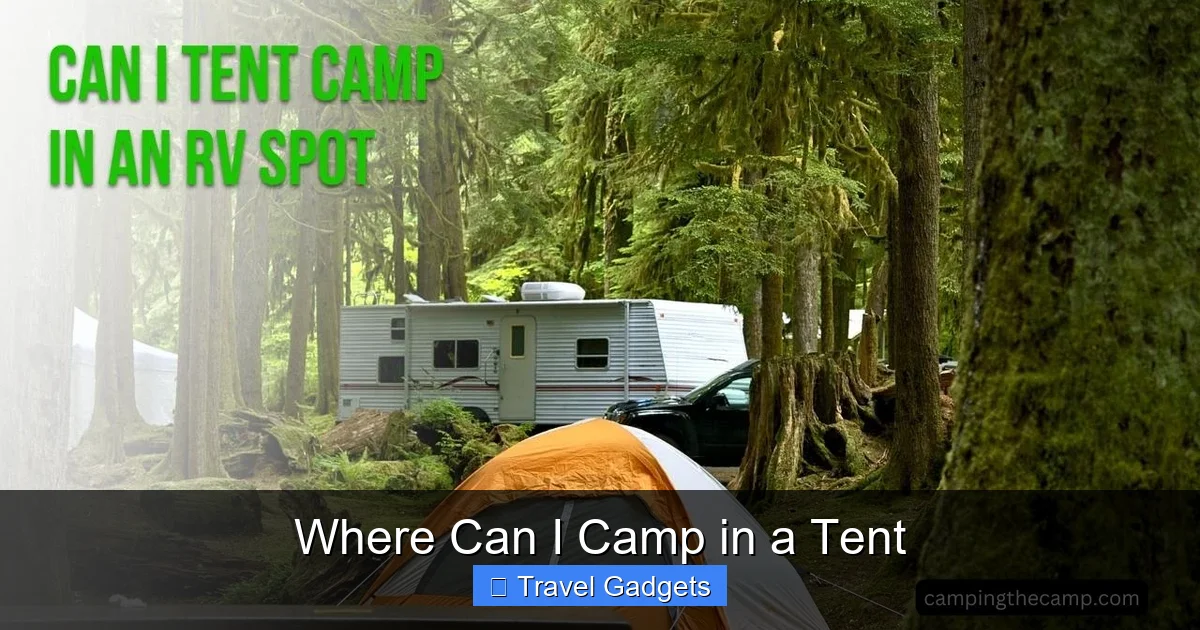
Visual guide about Where Can I Camp in a Tent
Image source: campingthecamp.com
Best States for Free BLM Camping
- Nevada: Known as “The Free State”—over 600,000 acres of BLM land with no fees.
- Arizona: Near Flagstaff or Sedona, you’ll find quiet, forested spots.
- Oregon: Columbia River Gorge has dispersed camping along old logging roads.
Use apps like FreeRoam or websites like freecampingamerica.com to locate verified free spots. Always respect private property boundaries and pack out all trash.
Best Stay Deals Available
Compare prices across top booking platforms and find the best deal for your stay.
Check Available RoomsImportant Rules to Remember
- No open fires in some areas—check local restrictions.
- Camp at least 100 feet from water sources to protect wildlife.
- Leave no trace: pack out everything you brought in.
3. State Parks: Comfort Meets Nature
State parks are perfect for families, beginners, or anyone who wants a balance of nature and convenience. Unlike national parks, state parks often have lower fees ($10–$25/night), shorter reservation windows, and more flexibility. Many include restrooms, picnic tables, fire rings, and even showers.
Visual guide about Where Can I Camp in a Tent
Image source: png.pngtree.com
Favorite State Parks for Tent Campers
- Adirondack Park, New York: Over 100 rustic tent sites with lake views.
- Lake Tahoe, California/Nevada: D.L. Bliss State Park offers stunning shorelines and easy access.
- Myrtle Beach State Park, South Carolina: Rare oceanfront camping with dunes and forests.
Most state parks allow reservations online through their official websites. Some also offer drive-up sites on a first-come basis. Just remember: even in state parks, fires may be restricted in dry seasons—always check alerts before lighting one.
Bonus: Many State Parks Have Backcountry Options
If you want solitude, some state parks allow backpacking permits. For example, in Michigan’s Isle Royale National Park (state-managed), you can hike in and camp wild for a few dollars. Research each park’s specific policies—they vary widely.
4. U.S. Forest Service (USFS) Lands: Wilderness Access
The USDA Forest Service oversees over 193 million acres of forest, meadows, and mountains. Like BLM land, much of it allows dispersed camping—meaning you can camp anywhere outside designated sites, as long as you stay 1/4 mile from roads and trails.
Ideal Regions for USFS Dispersed Camping
- Sierra Nevada, California: Sequoia and Inyo National Forests offer high-altitude camping.
- Cascade Range, Washington: Olympic National Forest has rainforests and mountain vistas.
- Rocky Mountains, Colorado: San Juan National Forest near Durango is great for solitude seekers.
You don’t need a permit for dispersed camping, but you do need to know the rules. Some forests limit stays to 14 days or prohibit fires entirely. Use the Recreation.gov app or visit a local ranger station for guidance.
Wilderness Permits Required in Some Areas
In designated wilderness areas (like parts of the John Muir Trail), you’ll need a free permit from a ranger district office. These help manage visitor impact and preserve fragile ecosystems. Plan ahead—permits often fill up weeks before your trip.
5. Private Campgrounds: Full Hookups and Amenities
Not everyone wants to rough it completely. Private campgrounds offer paved sites, Wi-Fi, pools, laundry, and even grocery stores nearby. They’re ideal for RV owners, families with kids, or anyone who values comfort after a long day exploring.
Popular Chains and Independent Options
- Camping World: Large chain with locations near highways and attractions.
- KOA (Kampgrounds of America): Offers clean facilities, s’mores nights, and pet-friendly sites.
- Hipcamp: Platform connecting you with unique stays—from vineyards to ski resorts.
Pricing varies: expect $40–$70/night for basic tent sites, up to $100+ for premium spots with electricity and water. Many allow last-minute bookings, which is great if your plans change.
Tips for Choosing a Private Campground
- Read recent reviews on RVillage or Campendium—cleanliness and staff matter.
- Ask about quiet hours, pet policies, and noise levels.
- Check if they have bear lockers or secure storage—important for food safety.
6. Free Camping: Finding Hidden Gems Without Paying
Yes, it’s possible to camp for free! While not legal everywhere, many rural areas welcome travelers who follow simple guidelines. Common free camping spots include:
- BLM and USFS lands (as discussed above)
- Public rest areas (in some states like Texas or Arizona)
- Rural county roads with pull-offs
- Designated BLM “free camping zones” marked on maps
How to Find Free Camping Spots Safely
- Use iOverlander or FreeRoam to see community-shared reports.
- Avoid private land unless you have permission.
- Never camp in front of homes, churches, or businesses.
- Stick to established pull-offs or wide shoulders of rural roads.
Remember: free doesn’t mean no rules. Respect the land and neighbors. If someone asks you to leave, do so politely—it’s not worth a confrontation.
7. Backcountry & Hiking Trails: True Adventure Camping
For serious adventurers, backcountry camping means leaving the trailhead behind and venturing deep into untouched terrain. You carry all your supplies, set up camp off-trail, and wake to panoramic views—often miles from another person.
Requirements for Backcountry Camping
- Permits: Required in many parks (e.g., Yosemite, Grand Canyon).
- Pack Light: Bring only essentials—no excess weight slows you down.
- Know Navigation: Carry a map, compass, or GPS device.
- Follow Leave No Trace: Bury waste, minimize campfire impact, store food securely.
Recommended Trails for Backpacking Camping
- Appalachian Trail, Georgia to Maine: Shelters every 1–3 miles; some allow wild camping.
- John Muir Trail, California: High alpine lakes and granite cliffs await.
- Long Trail, Vermont: One of the oldest long-distance trails with rustic huts.
Start small! Try a weekend trip with a 10-mile loop before attempting multi-day treks. Always inform someone of your route and expected return time.
Final Thoughts: Wherever You Go, Be Prepared
So, where can you camp in a tent? The answer is: almost everywhere—as long as it’s legal, safe, and respectful. From national parks to backcountry trails, BLM lands to private campgrounds, there’s a perfect spot for every kind of camper. The key is doing your homework: check regulations, weather forecasts, and reservation systems ahead of time.
And don’t forget the basics: a sturdy tent, sleeping bag rated for the season, a reliable stove, and plenty of water. With the right prep, your tent becomes a home away from home—wherever the road takes you.
Now grab your gear, hit the trail, and make unforgettable memories beneath the stars. Happy camping!
Frequently Asked Questions
Is it legal to camp for free in national parks?
Generally, no. Most national park campgrounds require fees and reservations. However, some first-come, first-served sites exist, especially in less crowded parks. Always verify current rules on nps.gov.
Can I camp on any public land without a permit?
In many cases, yes—especially on Bureau of Land Management (BLM) or U.S. Forest Service (USFS) lands. You can camp up to 14 consecutive days in most areas, but check local regulations. Some wilderness zones require permits.
What’s the difference between dispersed camping and a campground?
Dispersed camping means setting up off-trail on public land without developed facilities. Campgrounds have designated sites with tables, fire rings, and restrooms. Dispersed camping is quieter and cheaper but less comfortable.
Do I need a reservation to camp in a tent?
It depends. Popular national and state park sites often require reservations booked months in advance. Others operate on a first-come, first-served basis. Check the specific location’s website or call ahead.
Is free camping safe?
Free camping can be safe if you choose reputable spots from trusted sources like FreeRoam or iOverlander. Avoid isolated areas late at night, always lock your vehicle, and let someone know your plans. Trust your instincts.
Can I camp in my backyard?
Legally, yes—but many homeowners’ associations (HOAs) prohibit overnight guests or tents. Check your lease or HOA rules first. Also consider privacy and noise for you and your neighbors.