
Want to go camping without spending money? You can tent camp for free in many places across the U.S., including national forests, Bureau of Land Management (BLM) areas, and even some state parks with restrictions. This guide shows you exactly where to find these hidden gems and how to enjoy them responsibly. Whether you’re a beginner or seasoned camper, free options abound—just know the rules and pack smart.
Camping doesn’t have to break the bank. In fact, many of the most beautiful and peaceful spots for tent camping are available completely free of charge. Whether you’re dreaming of starlit skies over desert dunes, misty mornings in mountain valleys, or serene lakeside views, there’s a chance you can experience it all—without opening your wallet. The key is knowing where to look and understanding the rules that keep these places wild and welcoming.
Check the latest prices and available rooms before they sell out.
Many people assume that free camping means roughing it in complete isolation, but today’s options range from well-maintained dispersed sites to scenic overlooks with basic amenities. From the rugged coastlines of Oregon to the high deserts of New Mexico, the U.S. offers thousands of miles of public land where you can pitch your tent and call it home for the night. And yes, you can do this legally, safely, and sustainably—if you follow the right guidelines.
In this guide, we’ll walk through every major type of free camping location, explain how to find them, and share practical tips so your next adventure is both budget-friendly and unforgettable. Let’s get started!
Key Takeaways
- National Forests & Grasslands: Most offer free dispersed camping outside designated sites, especially in USDA Forest Service lands.
- Bureau of Land Management (BLM): Provides vast public lands ideal for free tent camping, particularly in western states like Nevada, Utah, and Arizona.
- State Parks & Rec Areas: Some allow free primitive camping with permits or during off-season periods.
- Military Bases & National Seashores: Occasionally open to the public for free overnight stays under specific conditions.
- Private Land Donations: Groups like The Dyrt or FreeRoam map private landowners who welcome campers.
- Stay Legal & Leave No Trace: Always follow local regulations, avoid water sources, and respect quiet hours.
- Apps & Websites Help: Use tools like iOverlander, Aloha Camping, or Campendium to find verified free campsites.
📑 Table of Contents
1. Dispersed Camping in National Forests
One of the best-kept secrets for free tent camping lies within the vast network of U.S. Forest Service lands. These areas cover millions of acres across nearly every state and are managed by the USDA Forest Service. Unlike commercial campgrounds, dispersed camping allows you to set up anywhere along designated roads or trails—as long as you stay at least 100 feet from water sources, trails, and other campers.
How It Works
To camp in a national forest, simply drive into the area, find an open spot on a fire road or secondary trail, and pitch your tent. There’s no reservation needed, no fee, and often no facilities—so come prepared. Just remember: “Leave No Trace” principles apply everywhere, including here.
Top States & Examples
– **Oregon**: The Willamette and Deschutes National Forests have countless free spots.
– **California**: Shasta-Trinity and Plumas National Forests offer remote options.
– **Colorado**: San Juan National Forest near Durango is perfect for mountain views.
– **Washington**: Okanogan-Wenatchee Forest has alpine meadows and lakes.
Always check current regulations before heading out—some forests restrict camping to certain distances or durations. For real-time updates, visit fs.usda.gov or call the local ranger station.
2. Bureau of Land Management (BLM) Lands
Find the Best Accommodation Deals
Compare prices from multiple booking platforms and find the best option for your stay.
Compare Hotel PricesVisual guide about Where Can I Tent Camp for Free
Image source: cdn.apartmenttherapy.info
Find the Best Accommodation Deals
Compare prices from multiple booking platforms and discover the best stay options available.
⭐ Trusted by thousands of travelers
💰 Budget to luxury options available
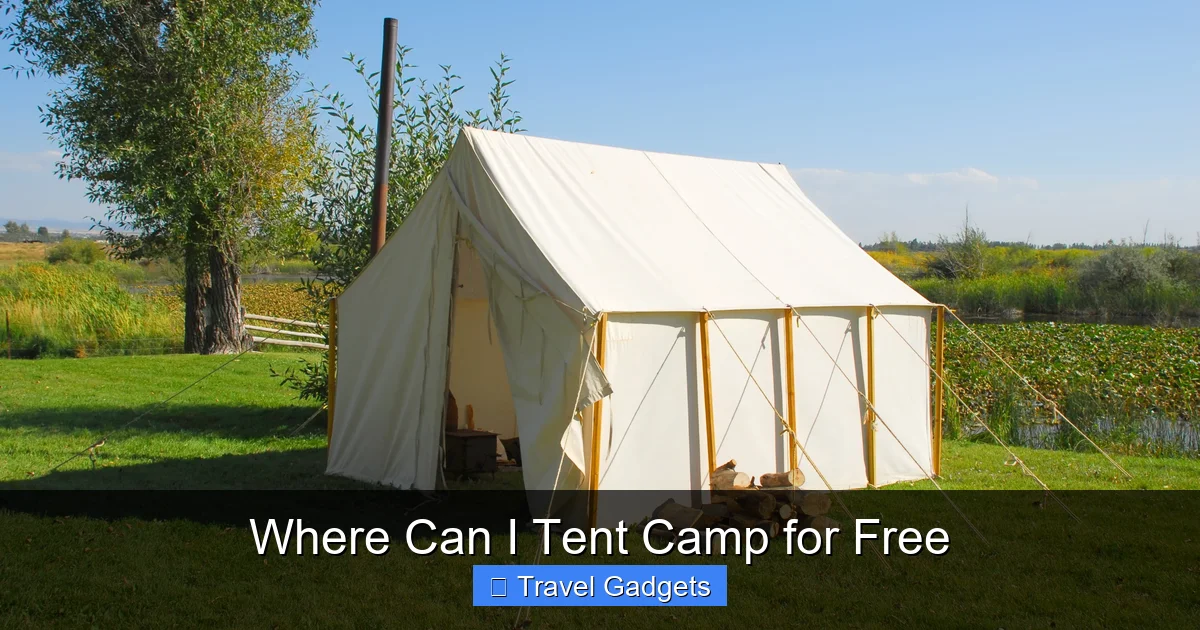
If you love wide-open spaces, BLM land is your golden ticket. Managed by the Department of the Interior, BLM oversees over 245 million acres of public land—mostly in the western U.S. While some areas have developed campgrounds (which may require fees), vast stretches are open for free overnight use.
Where to Go
Look for BLM designations such as “Wild Horse Area,” “Desert Conservation Area,” or simply “Public Lands.” Popular destinations include:
– **Nevada**: The Black Rock Desert-High Rock Canyon Emigrant Trails National Conservation Area.
– **Utah**: Stansbury Island or parts of the Red Cliffs National Conservation Area.
– **Arizona**: The Sonoran Desert National Monument.
– **New Mexico**: The Gila National Forest adjacent lands.
Rules to Remember
– Stay at least 1/4 mile from roads unless posted otherwise.
– No more than 7 consecutive nights allowed in some zones.
– Fires may be banned during dry seasons—check local alerts.
Best Stay Deals Available
Compare prices across top booking platforms and find the best deal for your stay.
Check Available RoomsThese areas are perfect for solitude seekers and those wanting dramatic landscapes without cost.
3. State Parks & Recreation Areas with Free Options
Visual guide about Where Can I Tent Camp for Free
Image source: png.pngtree.com
While many state parks charge daily fees, several offer limited free camping opportunities—especially during shoulder seasons or for primitive sites. Some states even designate “free camping days” throughout the year.
Examples Across the U.S.
– **Michigan**: Certain state game areas allow free overnight camping with a valid fishing license.
– **Vermont**: Green Mountain State Forests permit free dispersed camping.
– **Texas**: Many county parks offer free primitive camping on weekends.
– **Florida**: Some Apalachicola National Forest areas overlap with state-managed zones.
Tips for Success
– Check your state’s Department of Natural Resources website.
– Look for “primitive camping” or “backcountry” sections.
– Arrive early—popular free spots fill up fast.
Even if a park charges fees normally, you might find loopholes like day-use-only access or special events allowing overnight stays at no cost.
4. Military Bases & National Seashores
Visual guide about Where Can I Tent Camp for Free
Image source: thumbs.dreamstime.com
Believe it or not, some military installations and federal coastal properties welcome civilian campers—sometimes for free. These locations often require advance permission and background checks, but they offer unique experiences.
Notable Locations
– **Fort Bragg, North Carolina**: Open to civilians for tent camping in designated zones.
– **Cape Hatteras National Seashore, NC**: Offers free dispersed camping along certain barrier islands.
– **Joint Base Andrews, Maryland**: Occasionally allows free overnight stays with approval.
Application Process
Contact the base directly via their public affairs office. Bring photo ID, vehicle registration, and sometimes proof of insurance. Approval isn’t guaranteed, but it’s worth asking—especially for families or veterans.
5. Private Land Programs & Community Initiatives
Thanks to growing interest in sustainable travel, several organizations now connect campers with private landowners who welcome guests in exchange for goodwill or donations. These programs operate legally under “public access easements” or informal agreements.
Popular Platforms
– **The Dyrt’s Free Camping Map**: Highlights private lands open to travelers.
– **FreeRoam**: A mobile app showing verified free spots, often with photos and reviews.
– **iOverlander**: Originally for RVers, now includes tent camping hotspots worldwide.
Safety First
Never trespass! Only use locations clearly marked as accessible. Respect host rules—quiet hours, trash removal, and pet policies vary. When in doubt, email the landowner before arriving.
6. Tips for Successful Free Tent Camping
Going off-grid sounds exciting, but preparation is everything. Here’s how to make your free camping trip safe, comfortable, and hassle-free:
Pack Smart
Bring essentials like a reliable tent, sleeping bag rated for expected temps, water filtration system, headlamp, and bear spray (in bear country). Include extra food sealed in bear-proof containers if required.
Know Your Limits
Dispersed sites lack bathrooms, potable water, or cell service. Plan accordingly—bring enough water and know basic first aid.
Be Visible but Quiet
Set up camp away from main roads but still visible enough to deter theft. Keep noise down after dark—many free areas are near homes or trails used by hikers and hunters.
Check Regulations Daily
Weather, fire danger, or wildlife activity can close areas unexpectedly. Use apps like Recreation.gov or local ranger Facebook pages for updates.
Leave Nothing Behind
Pack out all trash, bury human waste properly (cat holes at least 200 feet from water), and restore the site as you found it. This ensures future campers enjoy the same freedom you did.
Build Community
Share your favorite free spots responsibly—but don’t post exact coordinates online. Word-of-mouth recommendations help preserve access while protecting sensitive ecosystems.
By following these practices, you contribute to responsible outdoor recreation and help keep free camping options available for generations.
Conclusion
Finding a place to tent camp for free is easier than ever—thanks to millions of acres of public land and innovative community programs. Whether you choose the solitude of a national forest, the drama of a BLM desert, or the charm of a private-hosted spot, adventure awaits without the price tag.
Remember: freedom comes with responsibility. Respect nature, follow the rules, and tread lightly. With the right mindset and preparation, free camping becomes more than just saving money—it becomes part of the journey itself. So grab your gear, hit the road, and discover why some of the best nights under the stars are the ones you earn, not buy.
Frequently Asked Questions
Can I really camp for free anywhere in the U.S.?
No, not everywhere. Free camping is allowed only in designated public areas like national forests, BLM land, or approved private sites. Always verify local rules before setting up camp—some places prohibit overnight stays entirely.
How far do I need to camp from water sources?
In most federal lands, you must camp at least 100–200 feet away from lakes, rivers, or streams to protect water quality and wildlife habitat. Check specific forest or BLM guidelines for exact distances.
Are fires allowed in free camping areas?
It depends on the region and time of year. During drought or fire season, campfires may be banned. Always look for signs, check local weather reports, and use existing fire rings if available.
What should I bring when tent camping for free?
Essential items include a sturdy tent, sleeping pad, warm sleeping bag, portable stove, water filter, first-aid kit, headlamp, and bear-resistant food container (if required). Pack extra clothing and a map—cell service is rare.
Is free camping safe?
Yes, as long as you take precautions. Avoid isolated areas at night, store food securely, tell someone your itinerary, and research wildlife risks. Stick to well-used roads and established sites when possible.
Do I need a permit to camp for free?
Most free dispersed sites don’t require permits, but some state lands or military bases do. Always confirm with the managing agency beforehand to avoid fines or being asked to leave.