
Planning a tent camping trip but not sure where to start? Finding the perfect place to set up your tent near you is easier than you think. With the right tools and a little planning, you can turn any weekend into an unforgettable nature escape.
Have you ever felt that restless urge to disconnect from screens, traffic, and deadlines? There’s something deeply calming about pitching a tent under a canopy of stars, listening to the wind rustle through the trees. Tent camping isn’t just a hobby—it’s a way to reconnect with nature, challenge yourself physically, and create memories that last a lifetime. Whether you’re a seasoned camper or a first-timer, knowing where to camp near you makes all the difference.
Check the latest prices and available rooms before they sell out.
The good news? You don’t need to drive hundreds of miles to enjoy the great outdoors. From backyard adventures to hidden forest gems, there are countless tent camping options just a short drive away. This guide will walk you through how to find, choose, and prepare for the perfect tent camping spot near you—no expert knowledge required.
Key Takeaways
- Use free apps and websites like Recreation.gov, FreeCampsites.net, and AllTrails to find tent-friendly locations near you.
- National forests and BLM land often allow dispersed camping for free—just follow Leave No Trace principles.
- State and county parks offer well-maintained sites with amenities like fire pits and restrooms.
- Always check regulations before setting up camp—some areas have fire bans or group size limits.
- Bring the right gear, including a waterproof tent, sleeping bag rated for the season, and a portable stove.
- Plan ahead during peak seasons; book popular spots weeks in advance.
- Consider proximity to water and shade when choosing your campsite for comfort and safety.
📑 Table of Contents
How to Find Tent Camping Spots Near You
Finding a great place to pitch your tent doesn’t require a treasure map or insider tips. Thanks to modern technology, there are more tools than ever to help you discover nearby camping opportunities. Let’s break down the best ways to locate a campsite that fits your needs.
Online Campground Directories
Websites like Recreation.gov are go-to resources for public campgrounds across the U.S., especially in national parks and forests. These platforms let you filter by amenities, dates, and even pet policies. For a broader search, FreeCampsites.net specializes in listing free dispersed camping areas on public lands. Just plug in your zip code, and you’ll get a list of nearby spots—many with minimal fees or no cost at all.
Mobile Apps for Campers
Your smartphone can become your ultimate camping companion. Apps like AllTrails, The Dyrt, and iOverlander offer real-time reviews, photos, and GPS coordinates of campsites. Many users share details like water availability, cell service, and whether the site allows fires. Downloading these before you leave home saves time and prevents disappointment at the trailhead.
Local Parks and Recreation Websites
Don’t overlook city or county-run parks. Many offer tent-only zones with basic facilities. A quick Google search using “tent camping near me” or “public campsites [your city]” can reveal hidden local favorites. Some parks even host seasonal events like stargazing nights or guided hikes—perfect for beginners.
Types of Tent Camping Locations
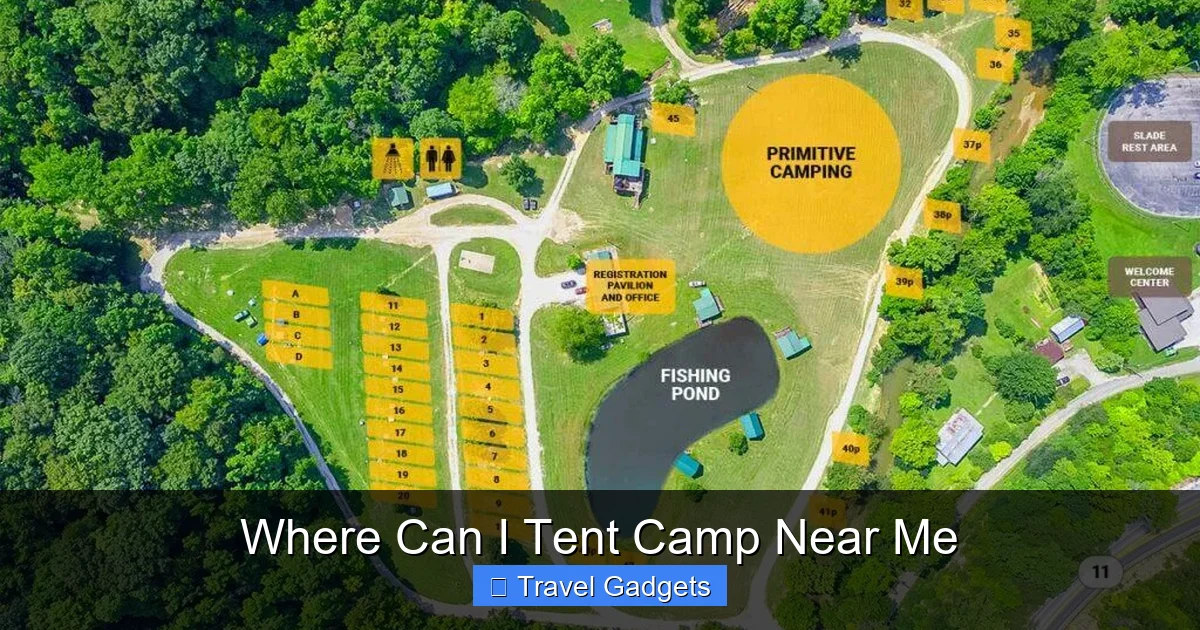
Visual guide about Where Can I Tent Camp Near Me
Find the Best Accommodation Deals
Compare prices from multiple booking platforms and find the best option for your stay.
Compare Hotel PricesImage source: naturalbridge.camp
Not all camping spots are created equal. Understanding the different types of places you can camp will help you choose based on your budget, experience level, and desired amenities.
Find the Best Accommodation Deals
Compare prices from multiple booking platforms and discover the best stay options available.
⭐ Trusted by thousands of travelers
💰 Budget to luxury options available
National and State Parks
These are the most regulated and often the most scenic options. Sites usually include fire rings, picnic tables, and restroom access. While they can be pricier—sometimes $30–$50 per night—they’re ideal for families or those wanting comfort with convenience. Examples include Yosemite National Park or Great Smoky Mountains National Park.
National Forests and Bureau of Land Management (BLM) Areas
For free (or low-cost) camping, look into public lands managed by the U.S. Forest Service or BLM. These allow “dispersed camping,” meaning you can set up anywhere beyond designated sites—as long as you stay at least 1/4 mile from roads and trails. Rules vary by state, so always check local guidelines. Popular spots include parts of the Sierra Nevada or the deserts of Utah.
Private Campgrounds and RV Resorts
These offer full hookups (water, electricity, sewage), showers, and sometimes even Wi-Fi. They’re great if you want luxury with nature nearby. Prices range from $25 to over $100 depending on location and season. Look for “tent-friendly” sections within larger resorts—they often have quieter, wooded lots.
Best Stay Deals Available
Compare prices across top booking platforms and find the best deal for your stay.
Check Available RoomsBackcountry and Wilderness Areas
If you’re ready for a multi-day backpacking trip, consider wilderness permits. These require planning, physical fitness, and proper gear. You’ll typically hike in with a bear canister and camp far from trails. Permits are required in places like the John Muir Trail or Ansel Adams Wilderness.
Picking the Perfect Campsite
Visual guide about Where Can I Tent Camp Near Me
Image source: thumbs.dreamstime.com
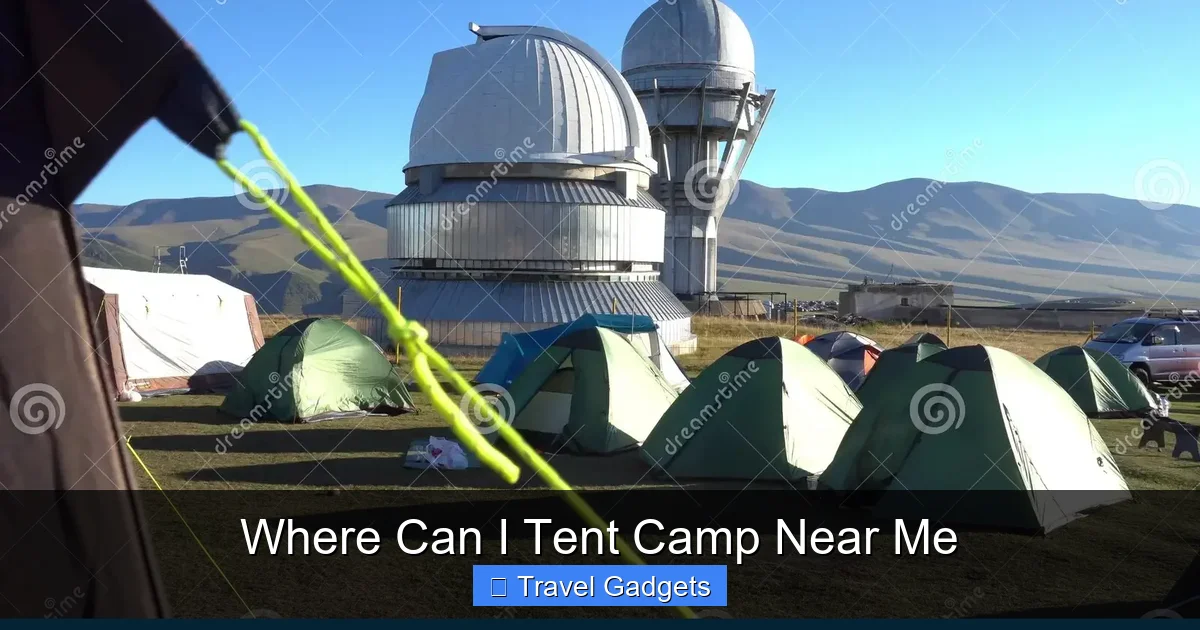
Once you’ve found potential spots, how do you decide which one is right for you? Here are practical tips to evaluate and choose your ideal tent setup.
Location, Location, Location
Start by checking terrain. Avoid low-lying areas where water pools after rain. Choose slightly elevated ground with good drainage. Look for flat spots big enough for your tent, gear, and a small fire area. Proximity to water is nice, but never camp directly beside a stream—it increases flood risk and disturbs wildlife.
Amenities vs. Seclusion
Do you want restrooms and firewood nearby, or peace and quiet? Trade-offs exist everywhere. A crowded park might lack solitude, while a remote BLM site could mean hauling water. Consider what matters most: convenience, scenery, or adventure?
Weather and Safety
Check the forecast before you go. If rain is expected, avoid ridges or exposed summits. In bear country, store food properly—even if the site has bear lockers. Always tell someone your plans and expected return time.
What Gear Do You Need?
Visual guide about Where Can I Tent Camp Near Me
Image source: image6.slideserve.com
You don’t need a professional setup to enjoy tent camping. But having the basics ensures safety, comfort, and fun.
Essential Camping Equipment
At minimum, bring:
– A durable, weatherproof tent
– Sleeping bag and pad
– Portable lantern or headlamp
– Stove and fuel
– First-aid kit
– Water filtration system or purification tablets
Even if you’re staying close to home, test your gear beforehand. Nothing ruins a trip faster than a leaky tent or dead batteries.
Optional Upgrades
Want to elevate your experience? Add a camp chair, solar charger, or lightweight hammock. Bring insect repellent, a bug net, and layers for changing temps. Don’t forget trash bags—pack out everything you pack in (Leave No Trace!).
Tips for First-Time Tent Campers
Feeling nervous about your first night in the woods? That’s totally normal. With a few smart moves, you’ll feel confident in no time.
Practice Before You Go
Pitch your tent at home. Practice setting it up with wet poles or in the dark—you’ll learn what works (and what doesn’t). Pack your bag the night before so nothing gets forgotten.
Start Simple
Choose a developed campsite with restrooms and fire pits. This reduces stress and lets you focus on enjoying the experience. As you gain confidence, explore more remote options.
Respect the Environment
Follow Leave No Trace principles: pack out waste, minimize campfire impact, and stay on trails. These practices protect wild spaces for future campers.
Be Flexible
If the weather turns bad or a site feels wrong, move. Better to cut your trip short than risk discomfort or danger. Sometimes, a rainy afternoon inside a cozy tent beats a stormy night outside.
Seasonal Considerations
When you camp matters just as much as where you camp. Seasons affect accessibility, safety, and comfort.
Spring and Fall
These are prime camping times in many regions. Mild temperatures and fewer crowds make them ideal. However, watch for early snow or muddy conditions. Bring extra layers and check road closures.
Summer
Popular parks fill fast. Book early, arrive early, and be prepared for heat. Hydration and sun protection are key. Mosquitoes and bugs may also be active—bring repellent.
Winter Camping
Only for experienced campers. Requires insulated tents, four-season sleeping bags, and knowledge of hypothermia risks. Some parks close entirely. Research thoroughly before attempting winter camping.
Making Memories, Not Just Meals
Camping isn’t just about sleeping under the stars—it’s about the experiences you create. Bring a journal, play music softly around the campfire, or teach kids how to identify constellations. Share stories, roast marshmallows, and unplug from daily life. These moments become cherished memories long after the tent is packed away.
And hey—don’t stress perfection. A little dirt, a missed sunrise, or a chilly night only adds character to your story. The goal isn’t flawless camping; it’s connection—with nature, with friends, and with yourself.
Whether you’re seeking a weekend getaway or a week-long retreat, there’s a tent camping spot near you waiting to welcome you. With the right prep and a sense of adventure, you’ll find that getting back to basics has never felt better.
Frequently Asked Questions
Can I camp for free near me?
Yes, many public lands like BLM areas and national forests allow free dispersed camping. Use apps like FreeCampsites.net to find legal spots within driving distance. Always follow local rules and practice Leave No Trace.
Is it safe to tent camp alone?
While possible, solo camping requires extra caution. Tell someone your itinerary, carry a satellite communicator, and choose a well-used campsite. Start with shorter trips and build confidence gradually.
Do I need a permit to camp near me?
It depends on the location. National parks and wilderness areas usually require permits for overnight stays. Public lands like national forests may not. Check with local ranger stations or online databases before heading out.
What’s the difference between dispersed and developed camping?
Developed campsites have established facilities like fire pits, restrooms, and picnic tables. Dispersed camping means you pitch your tent off-trail on public land—often free, but without amenities. Always respect boundaries and regulations.
Can pets come tent camping?
Many campsites welcome pets, but some restrict them to day use only or require leashes. Check specific park rules beforehand. Bring waste bags, a water bowl, and ensure your pet has proper shelter and hydration.
How far in advance should I book a campsite?
During peak seasons (summer, holidays), book 3–6 months ahead for national parks and popular state parks. For smaller or less crowded sites, 2–4 weeks may suffice. Use Recreation.gov or direct park websites to reserve early.