
Planning a tent camping trip? You’ve got options—from wild backcountry sites to well-equipped RV-friendly grounds. This guide walks you through the top destinations, permits, gear tips, and hidden spots so you can camp safely and comfortably. Whether you’re a beginner or seasoned camper, there’s a perfect spot waiting for you.
Key Takeaways
- National Parks Offer Iconic Camping: Places like Yellowstone and Yosemite provide world-class tent camping with stunning scenery and full service.
- Permits Are Often Required: Backcountry or dispersed camping may need permits; check local regulations before heading out.
- Private Campgrounds Provide Amenities: For comfort, choose campgrounds with restrooms, showers, and fire pits—great for beginners.
- State Parks Are Budget-Friendly: Many state parks allow tent-only camping at lower rates than national parks.
- Season Matters: Timing your trip right ensures good weather, open sites, and fewer crowds.
- Leave No Trace Is Essential: Practice responsible camping to protect nature and keep sites clean for others.
- Gear Can Make or Break Your Trip: A quality tent, sleeping bag, and stove are must-haves for a safe, enjoyable stay.
📑 Table of Contents
- Where Can You Go Tent Camping? Your Complete Guide to Finding the Perfect Pitch
- 1. National Parks: America’s Crown Jewel Camping Destinations
- 2. State Parks: Affordable Nature Escapes
- 3. Private Campgrounds: Comfort Meets Convenience
- 4. Backcountry & Dispersed Camping: True Wilderness Freedom
- 5. Roadside Camping: The Unconventional Option
- 6. International Tent Camping: Beyond U.S. Borders
- Essential Tips for Choosing Where to Go Tent Camping
- Conclusion: Find Your Patch of Paradise
Where Can You Go Tent Camping? Your Complete Guide to Finding the Perfect Pitch
There’s something magical about waking up to birdsong instead of traffic noise. Tent camping isn’t just an escape from city life—it’s a return to basics. You pitch your shelter under the stars, cook over a crackling fire, and wake up refreshed in nature’s embrace. But where can you actually go tent camping? The answer depends on your experience level, budget, and what kind of wilderness experience you want.
Check the latest prices and available rooms before they sell out.
From sprawling national park campgrounds to quiet roadside patches tucked between forests, the options are vast. Some require permits and careful planning; others welcome walk-ins. And while many people dream of solo backpacking trips into remote areas, most first-timers start at a well-marked site with access to restrooms and cell service. This guide walks you through all the major types of tent camping locations—so you can choose your next adventure with confidence.
1. National Parks: America’s Crown Jewel Camping Destinations
If you’ve ever dreamed of camping beneath towering sequoias or beside glacial lakes, national parks are your go-to. These federally protected areas offer some of the most scenic and regulated tent camping experiences in the country. While they can be crowded during peak season, they also provide ranger-led programs, trail maps, and reliable infrastructure.
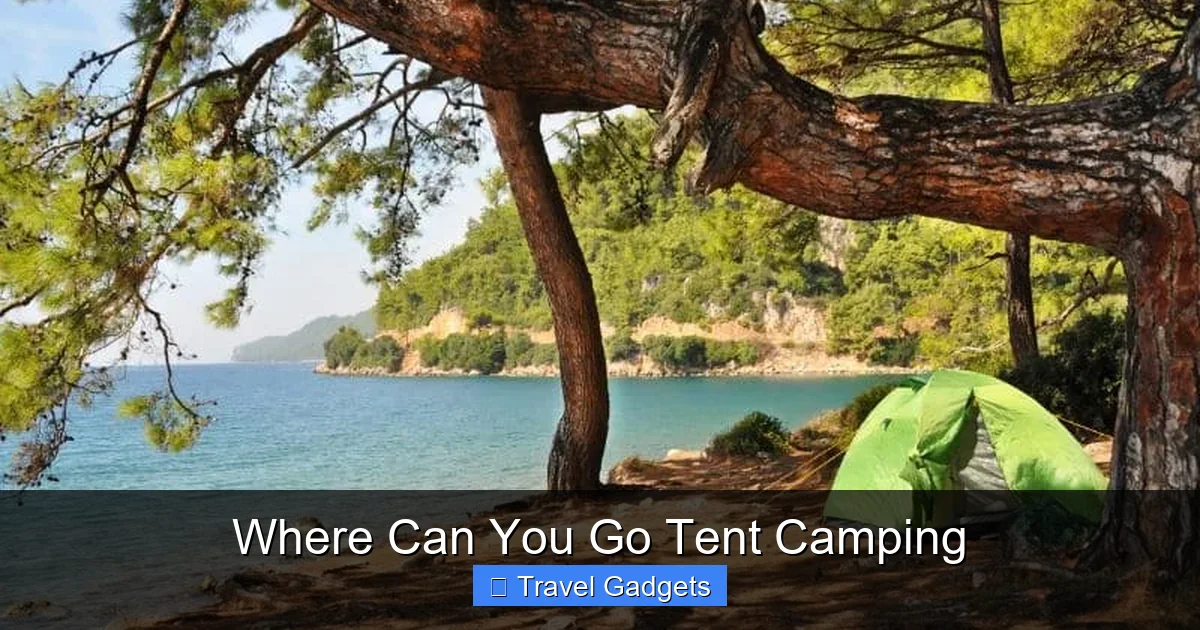
Top National Park Tent Camping Spots
- Yosemite National Park, California: Sites like Upper Pines and North Pines offer easy access to iconic trails such as Mist Trail and Half Dome. Reservations fill up months in advance—book early.
- Yellowstone National Park, Wyoming/Montana/Idaho: With over 1,000 campsites, Yellowstone allows tent camping in developed campgrounds like Madison and Grant Village. Be prepared for wildlife encounters.
- Great Smoky Mountains National Park, Tennessee/North Carolina: Known for its biodiversity and misty mountains, this park has tent-only areas like Elkmont and Cades Cove. No fees, but no reservations—arrive early for prime spots.
- Zion National Park, Utah: Though primarily known for its red rock hikes, Zion offers tent camping at Watchman Campground with shuttle access to main attractions.
Pro tip: Many national parks now use a reservation system via recreation.gov. For popular parks like Yosemite or Rocky Mountain, apply for a lottery if needed. Always check the park’s website for fire restrictions and bear safety guidelines.
2. State Parks: Affordable Nature Escapes
State parks are often overlooked but offer incredible value. With lower entry fees and fewer crowds than national parks, they’re ideal for families or those seeking a quieter experience. Most have designated tent areas, picnic tables, and vault toilets—and some even allow dispersed camping along maintained forest roads.
Find the Best Accommodation Deals
Compare prices from multiple booking platforms and find the best option for your stay.
Compare Hotel Prices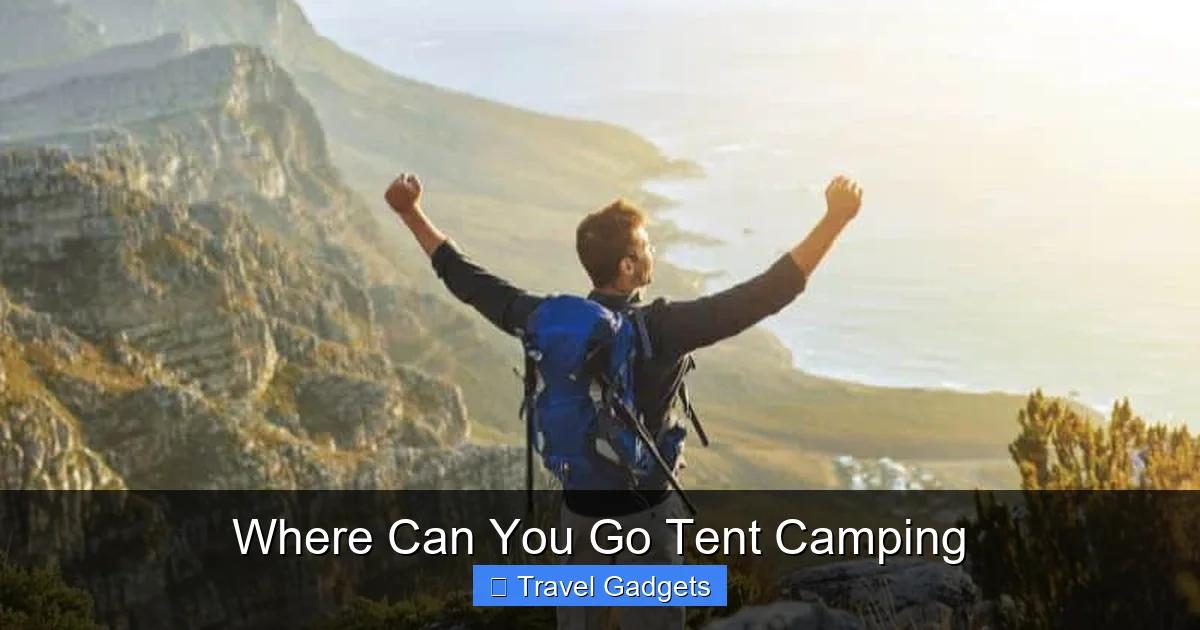
Visual guide about Where Can You Go Tent Camping
Find the Best Accommodation Deals
Compare prices from multiple booking platforms and discover the best stay options available.
⭐ Trusted by thousands of travelers
💰 Budget to luxury options available
Image source: outdoorspree.com
Hidden Gems in State Parks
- Adirondack Park, New York: One of the largest protected areas in the U.S., it offers both developed campgrounds (like Lake George) and primitive tent sites accessible by canoe or hike.
- Big Bend Ranch State Park, Texas: Remote desert landscapes mean solitude and dark skies perfect for stargazing. Bring extra water—this is a true off-the-grid experience.
- Cuyahoga Valley National Park (Ohio): While technically a national park, it’s managed by the National Park Service but surrounded by state forest land offering additional tent sites.
Many state parks operate on a first-come, first-served basis, especially during shoulder seasons. Download their apps or call ahead during holidays. Some, like Michigan’s Sleeping Bear Dunes, allow tent camping directly on sandy dunes—unlike any other location!
3. Private Campgrounds: Comfort Meets Convenience
Not every camper wants to rough it completely. Private campgrounds bridge the gap between luxury and simplicity. They often include amenities like flush toilets, hot showers, laundry facilities, playgrounds, and even Wi-Fi. Many cater specifically to tent campers, meaning fewer RVs and more open space for your shelter.
Best Stay Deals Available
Compare prices across top booking platforms and find the best deal for your stay.
Check Available Rooms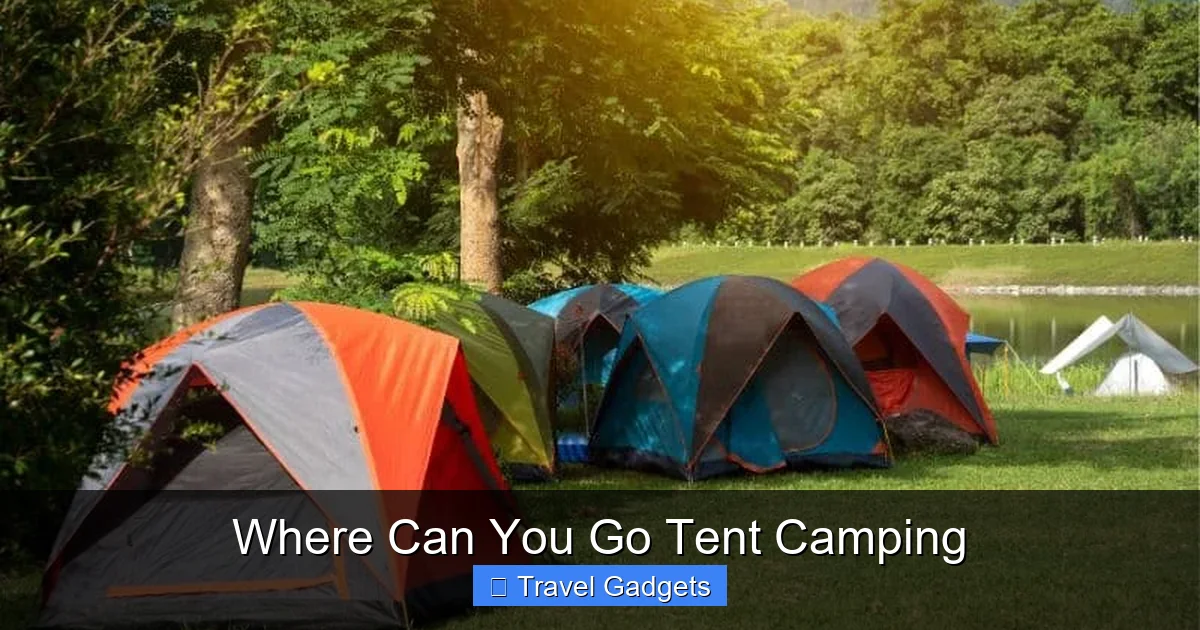
Visual guide about Where Can You Go Tent Camping
Image source: outdoorspree.com
Finding Tent-Friendly Private Campgrounds
Websites like Hipcamp, The Dyrt, and Campendium let you filter by “tent only” or “no RVs.” Look for keywords like “primitive tent sites,” “backcountry,” or “walk-in only.” Some examples:
- Under Canvas (Wyoming, Montana, Utah): Luxury glamping with canvas tents, yet still surrounded by wild spaces. Great for those who want comfort without sacrificing views.
- KOA Campgrounds: Chain locations with consistent standards. Most KOA sites allow tents and have clean facilities. Ideal for road-trippers needing a break.
- Local Forest Service Lands: Not private per se, but often listed on private booking platforms. These are usually BLM or USFS land where you can legally set up a tent without a permit.
Remember: Private campgrounds charge daily or nightly rates, which can add up. But when you factor in the cost of portable toilets or extra gear, they can still be cheaper than buying equipment just for one trip.
4. Backcountry & Dispersed Camping: True Wilderness Freedom
For experienced hikers and backpackers, true solitude lies off the beaten path. Backcountry camping means hiking several miles into the woods with all your supplies. Dispersed camping refers to setting up away from designated sites—often allowed on public lands unless posted otherwise.
Rules for Backcountry Camping
- Obtain a permit in national parks or wilderness areas (e.g., John Muir Trail requires one).
- Practice Leave No Trace principles: pack out all trash, bury human waste properly, and avoid sensitive vegetation.
- Carry a map, compass, and GPS—cell service vanishes fast.
- Check fire regulations—many areas ban open flames entirely.
A classic example is Glacier National Park’s Many Glacier area, where permits are required for overnight stays. Another is Shoshone National Forest in Wyoming, which allows dispersed camping along forest roads for up to 14 days.
Always tell someone your itinerary. Bring a satellite communicator like Garmin inReach for emergencies. And never assume a spot is free just because it’s empty—some areas have strict limits.
5. Roadside Camping: The Unconventional Option
Yes—you can sometimes camp legally right off the highway. Known as “roadside camping,” these spots are often on private property that rents out space to travelers. Think of them as tiny, informal campgrounds with minimal amenities.
Examples of Legal Roadside Camping
- BLM Land in Nevada: The Black Rock Desert allows overnight parking and tent setups near Gerlach. Free and open year-round.
- Desert Camping in Arizona: Near Joshua Tree, many small businesses allow camping for a fee. Check reviews on forums like Reddit’s r/camping.
- Farm Stays in Vermont: Some working farms welcome guests to pitch tents on pastureland—perfect for rural tranquility.
⚠️ Warning: Avoid camping in national forests without permission or on private land without asking. “Free camping” signs can be misleading. When in doubt, ask the landowner.
6. International Tent Camping: Beyond U.S. Borders
Why limit yourself to North America? Europe, Australia, and New Zealand offer breathtaking tent camping opportunities. Many countries have extensive national park systems and well-maintained trails.
Global Highlights
- New Zealand: Fiordland National Park features DOC-managed campsites with composting toilets and stunning fjord views. Book via Department of Conservation.
- France: The Massif Central region has thousands of aire de camping-car sites—some open to tents. Look for “aires libres” (free areas) near autoroutes.
- Canada: Banff and Jasper National Parks mirror their U.S. counterparts but often have longer reservation windows. Use ReserveCanada.ca.
- Patagonia, Chile: Torres del Paine allows backcountry camping with permits. Bring windproof gear—the Southern Hemisphere blows!
Research visa requirements and seasonal closures. In Australia, National Parks and Wildlife Service manages most camping areas. Tip: Learn basic French or Spanish—local rangers appreciate the effort!
Essential Tips for Choosing Where to Go Tent Camping
With so many options, how do you pick? Consider these factors:
- Skill Level: Beginners should stick to developed sites with restrooms. Experts might seek alpine meadows or riverbanks.
- Budget: Free dispersed sites save money but lack services. Private campgrounds cost more but reduce stress.
- Group Size: Some parks cap groups at six people. Others allow large family reunions.
- Seasonality: Summer brings heat and bugs; fall offers crisp air and fall colors; winter means snow and solitude—but limited access.
- Wildlife Awareness: Bears? Snakes? Mosquitoes? Know your environment.
Also, think about accessibility. Do you need to drive to the site, or will you hike in? Is there potable water nearby? Can you bring pets? Answering these questions helps narrow your search.
Conclusion: Find Your Patch of Paradise
Tent camping is more than a hobby—it’s a way to reconnect with nature, challenge yourself physically, and create lasting memories. Whether you’re drawn to the grandeur of Yellowstone’s geysers or the quiet solitude of a roadside BLM patch, there’s a perfect place waiting for you.
The key is doing your homework. Research permits, read recent reviews, and prepare your gear. Don’t forget essentials like a tarp, bug spray, headlamp, and reusable utensils. And always respect the land—your actions today shape the experience for tomorrow’s campers.
So pack your bags, lace up your boots, and get ready to unplug. Where can you go tent camping? The world is literally your oyster… or your meadow, your beach, your mountain ridge. Just go—and enjoy the ride.
Frequently Asked Questions
Is tent camping legal everywhere?
No—camping laws vary widely. In national parks, only designated sites are legal. On BLM or USFS land, dispersed camping is often allowed, but check signage. Never camp on private property without permission.
How far in advance should I book a campsite?
Popular national parks like Yosemite accept reservations up to six months ahead via recreation.gov. State parks and private campgrounds usually take bookings 1–3 months in advance. First-come sites require arriving early.
What’s the difference between dispersed and backcountry camping?
Dispersed camping means setting up away from official sites—often on public land like forest roads. Backcountry camping involves hiking into wilderness areas, typically requiring permits and self-sufficiency.
Can I camp for free anywhere?
In some cases, yes—especially on BLM land in states like Nevada or Oregon. However, many “free” spots require hiking, have no amenities, and may have time limits. Always verify current rules before heading out.
Are there age limits for tent camping?
Generally no—kids love tent camping! Many campgrounds offer youth discounts or family activities. Just ensure safety measures are in place, especially around fires and trails.
Do I need a permit to camp in national forests?
Most national forests allow dispersed camping without a permit for short stays (usually ≤14 days), but always check local regulations. Some areas restrict camping within a certain distance of roads or water sources.