
Tent camping opens up a world of adventure right outside your door. Whether you’re chasing mountain views, desert sunsets, or forest solitude, there are countless legal spots to pitch your tent safely and responsibly. From national parks to backcountry trails, here’s where you can legally and enjoyably camp under the stars.
Key Takeaways
- National Parks: Offer scenic, well-maintained sites with amenities; require reservations and often have entry fees.
- Bureau of Land Management (BLM) Areas: Provide free dispersed camping on public land, ideal for remote, rustic experiences.
- State Parks & Forests: Combine affordability with access to trails, lakes, and wildlife in most regions.
- Private Campgrounds: Best for first-time campers or those needing full hookups and facilities like showers.
- Backcountry Camping: Requires permits, Leave No Trace training, and self-sufficiency—great for solitude seekers.
- Urban & Near-City Options: Increasingly available in city parks or nearby preserves for weekend escapes.
- Safety & Permits: Always check local regulations, weather forecasts, and whether permits are required before heading out.
📑 Table of Contents
- Where Can You Tent Camp? A Guide to Legal, Scenic, and Affordable Campsites Across the U.S.
- National Parks: The Crown Jewels of Tent Camping
- Bureau of Land Management (BLM): Free Dispersed Camping Under Big Skies
- State Parks & State Forests: Affordable Nature Escapes
- National Forests: Wildlands Within Driving Distance
- Private Campgrounds: Comfort Meets Convenience
- Urban & Near-City Tent Camping: Escape Without Leaving Home
- Safety, Permits, and Leave No Trace
- Final Thoughts: Your Next Adventure Awaits
Where Can You Tent Camp? A Guide to Legal, Scenic, and Affordable Campsites Across the U.S.
If you’ve ever dreamed of waking up to birdsong instead of traffic noise, setting up a tent beneath a canopy of stars, and cooking dinner over a crackling fire, you’re not alone. Tent camping offers a pure, immersive connection with nature—without the bells and whistles of RVs or luxury glamping tents. But with so many options out there, it’s easy to wonder: where can you tent camp?
Check the latest prices and available rooms before they sell out.
From sprawling national parks to quiet stretches of Bureau of Land Management (BLM) land, the United States is dotted with legal, accessible spots perfect for pitching a tent. Whether you’re a seasoned backpacker or a weekend warrior, knowing where to go makes all the difference. This guide walks you through the best types of camping areas, how to find them, and what to expect—so you can plan your next outdoor getaway with confidence.
National Parks: The Crown Jewels of Tent Camping
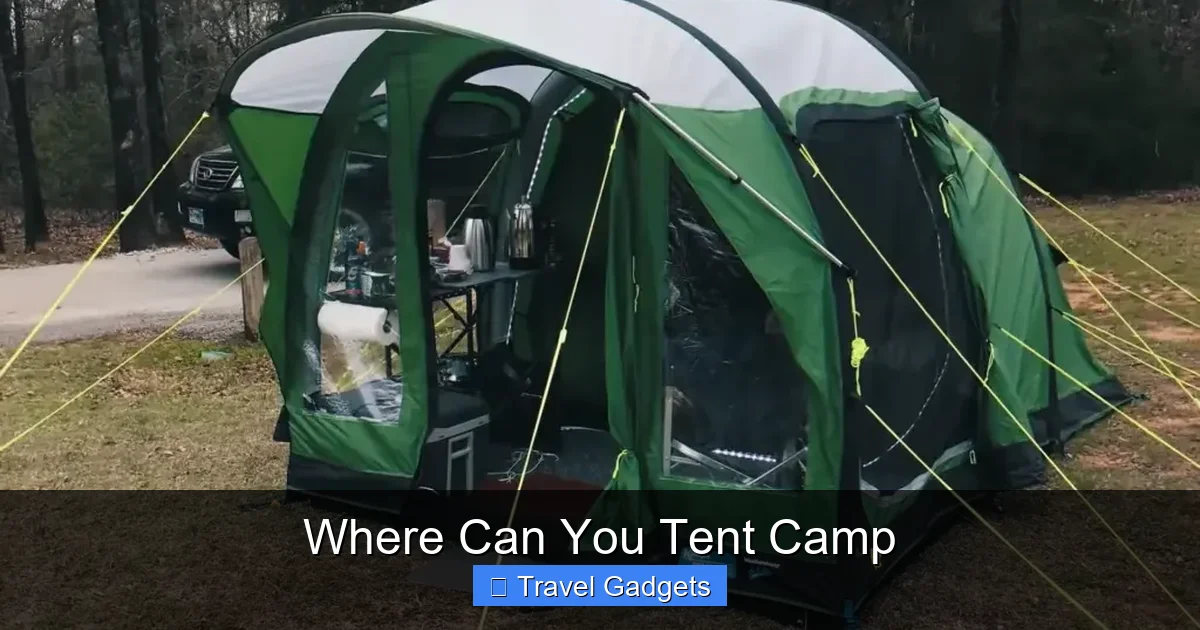
When most people think of tent camping, national parks are the first places that come to mind. And for good reason—these protected landscapes offer some of the most breathtaking scenery, well-maintained campsites, and access to world-class hiking, wildlife viewing, and ranger-led programs.
The Appeal of National Park Camping
National parks like Yosemite, Yellowstone, Great Smoky Mountains, and Acadia provide a mix of developed and primitive tent sites. Many have flush toilets, potable water, picnic tables, and fire rings. Some even allow campfires (check local fire bans). The downside? These spots fill up fast—sometimes months in advance.
For example, in Yosemite Valley, tent-only sites are limited and highly sought after. Reservations open six months ahead on recreation.gov. If you’re flexible, consider shoulder seasons (spring or fall) when crowds thin out and weather is mild.
Find the Best Accommodation Deals
Compare prices from multiple booking platforms and find the best option for your stay.
Compare Hotel PricesTips for Snagging a National Park Site
- Book early: Use recreation.gov or call 877-444-6777. Set reminders for booking windows.
- Be ready to book at 11 a.m. MST: That’s when reservations open.
- Consider alternative dates: Midweek or off-season visits often have more availability.
- Check for cancellations: Sites pop up frequently—refresh your search daily.
Keep in mind that national parks charge entrance fees ($30–$35 per vehicle), but an America the Beautiful Pass ($80/year) covers admission to all federal recreational lands for a full year.
Bureau of Land Management (BLM): Free Dispersed Camping Under Big Skies
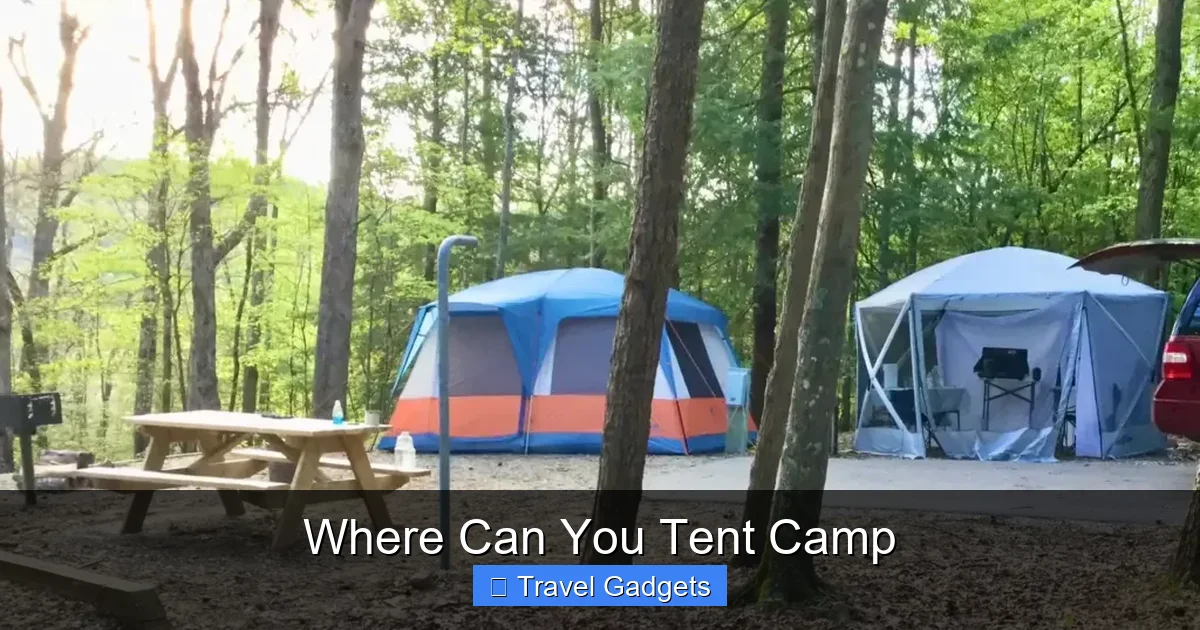
Looking for freedom without the price tag? The Bureau of Land Management manages over 245 million acres of public land across the western U.S., much of it open for free dispersed camping. Unlike designated campgrounds, dispersed camping means you can set up your tent almost anywhere—as long as you follow “Leave No Trace” principles.
Find the Best Accommodation Deals
Compare prices from multiple booking platforms and discover the best stay options available.
⭐ Trusted by thousands of travelers
💰 Budget to luxury options available
Visual guide about Where Can You Tent Camp
Image source: rvprofy.com
Best Stay Deals Available
Compare prices across top booking platforms and find the best deal for your stay.
Check Available RoomsWhat Is Dispersed Camping?
Dispersed camping refers to staying in undeveloped areas beyond official campground boundaries. It’s popular among solo travelers, families seeking privacy, and those who want to avoid crowded sites. Common BLM areas include:
- California: Mojave Desert, Eastern Sierra, Red Rock Canyon
- Arizona: Sonoran Desert, Kaibab Plateau
- Nevada: Great Basin region, Black Rock Desert
- Utah: Wasatch Front, San Rafael Swell
These areas offer vast open spaces, stunning night skies, and minimal human contact. Just remember: no toilets, no water, no trash pickup. Pack it in, pack it out.
How to Find BLM Dispersed Camping Spots
- Use apps: OnX Maps, iOverlander, and FreeRoam are excellent for real-time user reports.
- Check BLM websites: Each state has regional offices with maps and guidelines.
- Respect rules: Stay at least 1/4 mile from roads and trails. Avoid sensitive habitats.
Pro tip: In California, the “Free Camping” app shows real-time BLM and Forest Service sites. In Utah, the BLM’s “Recreation.gov” page lists designated areas—but many dispersed zones aren’t listed, so trust your map and compass.
State Parks & State Forests: Affordable Nature Escapes
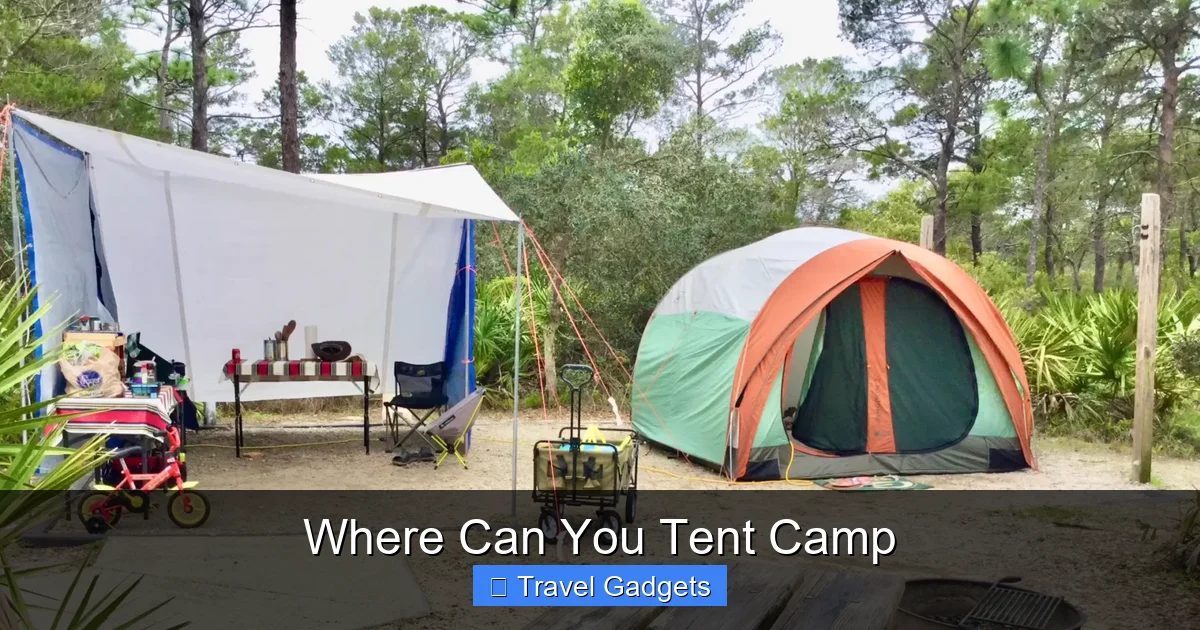
State parks and forests are often overlooked but offer fantastic tent camping opportunities at lower costs than national parks. With over 10,000 state-managed parks across the U.S., you’re likely never more than a few hours from a scenic overnight stay.
Visual guide about Where Can You Tent Camp
Image source: rvprofy.com
Why Choose a State Park?
State parks typically cost $10–$30 per night, include restrooms and drinking water, and often have playgrounds, boat launches, and interpretive programs. They’re great for families, beginners, and those who want convenience without sacrificing nature.
Examples:
- New York: Letchworth State Park (gorgeous cliffs, waterfalls)
- Texas: Pedernales Falls State Park (hiking, swimming holes)
- Oregon: Smith Rock State Park (climbers’ paradise, desert landscapes)
- Florida: Torreya State Park (pine flatwoods, river access)
Finding State-Specific Campgrounds
Each state has its own reservation system. For example:
- California: ReserveAmerica.com
- Colorado: Colorado Parks and Wildlife website
- Washington: Washington State Parks online reservations
Many states offer walk-up availability, but it’s wise to reserve ahead during peak season (summer and holidays).
National Forests: Wildlands Within Driving Distance
Stretching across 193 million acres, U.S. National Forests are managed by the USDA Forest Service and offer a mix of developed campsites and backcountry options. Popular choices include the White Mountains, Gifford Pinchot, and Shoshone National Forest.
What to Expect
National Forest campsites vary widely. Some have vault toilets and fire grates; others are true backcountry spots requiring hiking to reach. Fees range from $10–$25 per night, and reservations may be available through recreation.gov.
Top National Forests for Tent Camping
- White Mountain National Forest (NH, ME): Iconic for Appalachian Trail hikers.
- Shoshone National Forest (WY): Oldest national park, now part of Yellowstone ecosystem.
- Gifford Pinchot (WA): Lush rainforests, rivers, and volcanic peaks.
Backcountry camping in National Forests usually requires a free permit. Check with the local ranger district office or visitor center.
Private Campgrounds: Comfort Meets Convenience
Not everyone wants to rough it. Private campgrounds—operated by companies like KOA, Kampgrounds of America, or smaller local outfits—offer paved pull-throughs, full hookups, Wi-Fi, pools, and storefronts. While they may lack the wild feel of public land, they’re ideal for first-timers, families with kids, or those recovering from a long hike.
Pros and Cons
Pros: Clean restrooms, laundry, security, and often pet-friendly policies. Some even rent tents or offer guided tours.
Cons: Higher prices ($30–$70+ per night), fewer natural settings, and sometimes strict rules about noise and fires.
Finding Quality Private Campgrounds
Use platforms like:
- RVillage
- Campsite Reviews on The Dyrt
- KOA.com
Read recent reviews and check photos. Look for mentions of cleanliness, cell service, and host responsiveness.
Urban & Near-City Tent Camping: Escape Without Leaving Home
City dwellers aren’t out of luck. Many major metropolitan areas now offer tent camping within city limits or just beyond. These spots blend urban accessibility with natural beauty—perfect for quick weekend breaks.
Examples of Urban Camping Spots
- Portland, OR: Try the Columbia River waterfront or Tryon Creek State Park.
- Denver, CO: Chatfield State Park or Cherry Creek State Park.
- Atlanta, GA: Sweetwater Creek State Park.
- Seattle, WA: Deception Pass State Park (just 1 hour away).
Some cities even host “tiny tent” events or community camping nights. Check local parks departments or outdoor clubs for pop-up opportunities.
Safety, Permits, and Leave No Trace
No matter where you camp, safety and responsibility come first.
Essential Tips
- Always carry a map and compass or GPS. Cell service is unreliable in remote areas.
- Check fire restrictions. Many forests ban open flames during dry seasons.
- Pack bear spray if camping in bear country. Store food properly.
- Follow Leave No Trace principles: Leave what you find, minimize campfire impact, and dispose of waste correctly.
Permits are required in many backcountry and wilderness areas. Never assume you don’t need one—when in doubt, ask a ranger.
Final Thoughts: Your Next Adventure Awaits
So, where can you tent camp? The answer is: almost everywhere—as long as you respect the land and follow the rules. From the towering pines of the Rockies to the sandy dunes of the Outer Banks, the U.S. offers endless opportunities to disconnect and reconnect with nature.
The key is planning. Research your destination, secure permits early, pack smart, and choose gear suited to the environment. Whether you’re seeking solitude in the BLM desert or family fun at a state park, tent camping rewards curiosity and preparation alike.
Next time you hear the siren call of the open road, remember: you don’t need a fancy rig or a five-star resort. All you really need is a tent, a good attitude, and a spot to call home for the night.
Frequently Asked Questions
Can I legally camp on any public land?
Not exactly. While federal and state public lands allow camping, rules vary. National forests and BLM land permit dispersed camping, but national parks have designated sites only. Always check local regulations and obtain permits when required.
Is tent camping free?
It depends on the location. National parks and state parks charge fees (usually $10–$35/night). BLM and National Forest dispersed camping is often free, though some developed sites require payment. Private campgrounds are paid but offer amenities.
Do I need a permit to camp in the backcountry?
Yes, in most cases. National parks, wilderness areas, and some state parks require backcountry permits to protect ecosystems and manage visitor use. Check with the local ranger district or park office.
Can I camp in my backyard?
Technically yes, but many homeowners’ associations (HOAs) and local ordinances prohibit overnight guests or tents on private property. Always get permission from your landlord or HOA first.
What should I bring for tent camping?
Essentials include a waterproof tent, sleeping bag rated for the season, sleeping pad, headlamp, stove, water filter, first aid kit, and layers of clothing. Don’t forget insect repellent and a trowel for bathroom needs.
Are campfires allowed everywhere?
No. Fires are banned in many areas during drought or high fire danger. Even where allowed, check for specific rules—some sites require fire pans, others prohibit fires entirely. Always fully extinguish your fire.